
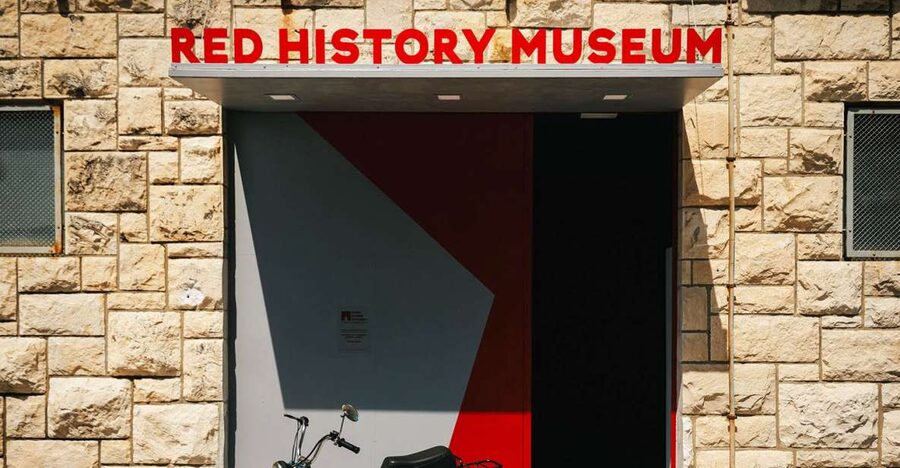
Reviewed · MUSEUMS
Dubrovnik: Red History Museum Regular Ticket
Dubrovnik’s Red History Museum takes you beyond medieval walls and sea views, into the recent past that still shapes Croatia. Set inside the former T.U.P. factory complex, built in 1953, it uses household objects, music, photographs, political material, and hands-on displays to show daily life under Yugoslav communism.
I especially like the reconstructed home, which makes the period feel personal rather than abstract, and the playful details such as the Yugo 45 and old-style drinks. The main consideration is size: this is a small museum, so you should not expect a full-day attraction or a vast collection.
The museum also handles difficult subjects, including Goli Otok prison camp and the role of secret agencies. Some digital displays may need clearer instructions, and scanning stations did not work for everyone, but staff members such as Viktor can help put the material into context.
Key points to know before you go
- A former 1953 factory: The museum occupies the last factory complex in Dubrovnik, giving the setting a direct link to Yugoslavia’s industrial past.
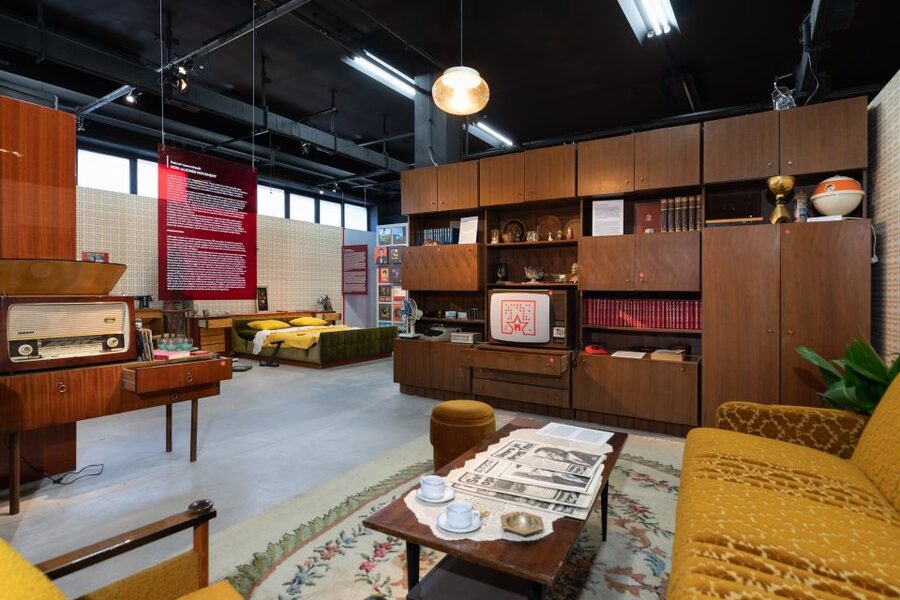
- A recreated Yugoslav home: Furniture and domestic objects from the 1970s and 1980s show how ordinary life looked beyond political slogans.
- Communist-era pop culture: Music, design, sweets, and local versions of Coca Cola and Fanta keep the museum from feeling like a dry political lesson.
- A Yugo 45 photo stop: You can sit in or pose beside the car often remembered as the worst car ever made.
- Serious subjects behind the fun: Displays cover politics, secret agencies, Goli Otok, and the Non-Aligned movement.
- A low-cost history stop: At $11 per person, the ticket is fairly priced if you want a focused museum visit of roughly small-museum scale.
Why Dubrovnik needs a museum about Yugoslavia
Most first visits to Dubrovnik focus on the old city, Venetian stonework, forts, and the Adriatic. Those sights are important, but they can leave a gap in your understanding of modern Croatia. The country’s recent past includes Yugoslavia, socialism, political control, industrial work, changing borders, and the breakup of a state that once shaped everyday life across the region.
The Red History Museum helps fill that gap. It does not treat communism as a distant chapter with no connection to the present. Instead, it shows how politics reached into homes, shops, schools, entertainment, travel, and consumer goods.
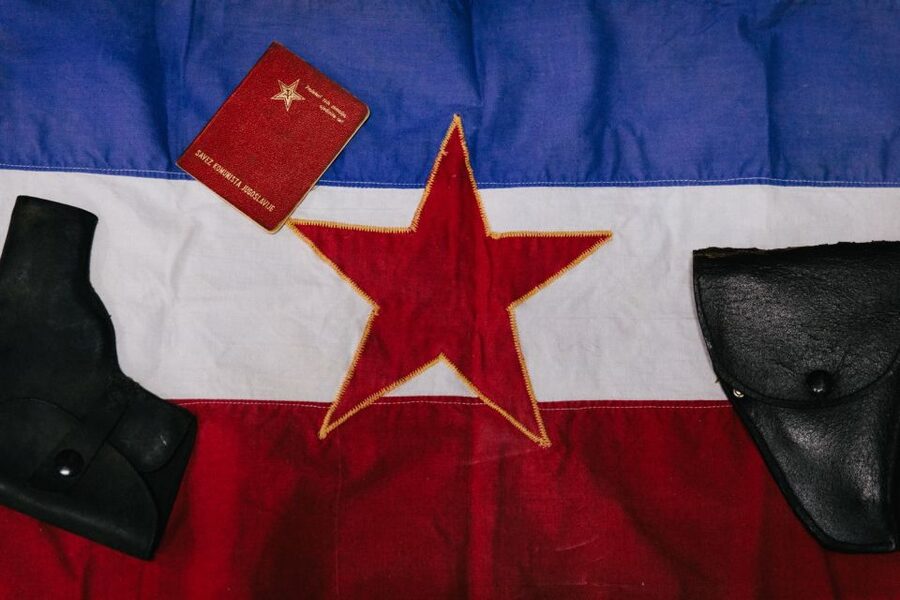
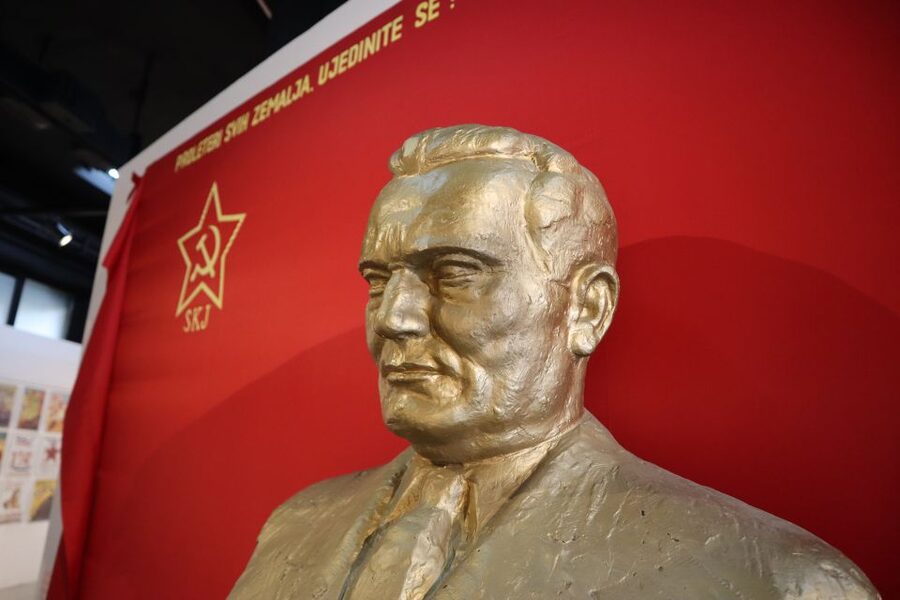
That approach matters because Yugoslavia was not identical to the Soviet Union. The museum focuses on the Yugoslav model, including its political system, its public imagery, and its place in the Non-Aligned movement. You get a clearer sense of how Yugoslavia presented itself to the world and how that system felt to the people living under it.
I find this especially useful if you are visiting Croatia without much background in Balkan history. The museum gives you a starting point without requiring a university course beforehand.
More Entry Tickets in Dubrovnik
- Dubrovnik City Walls Admission Ticket
★ 3.5 · 238 reviews - Explore Dubrovnik by Cable Car (ticket included)
★ 4.5 · 109 reviews - Dubrovnik Shore Excursion: Explore Dubrovnik by Cable Car (ticket included)
★ 4.5 · 109 reviews
The T.U.P. factory setting
The location is part of the story. The museum sits in the T.U.P. factory complex in Dubrovnik’s port area, a site built in 1953. That date places the building firmly in the early postwar period, when industry and collective work were central parts of Yugoslavia’s public identity.
You are not entering a polished modern gallery detached from the subject. The old factory setting helps connect the displays to work, production, and the physical spaces created during the socialist period.
The location also gives the visit a different feel from the museums inside Dubrovnik’s old city. You are looking at a more recent layer of local life, one tied to factories and everyday employment rather than palaces and churches.
The museum is still small, so the factory setting does not turn the visit into a huge industrial complex tour. Think of it as a compact exhibition inside an important surviving place.
A recreated home from the 1970s and 1980s
One of the strongest parts of the visit is the reconstruction of a Yugoslav home. Old furniture and household objects give you a direct sense of domestic life in the 1970s and 1980s.
This is where the museum becomes more than a political display. A living room can tell you about taste, comfort, family routines, and consumer habits in a way that a wall of dates cannot. You can look at the objects and consider what was available, what people valued, and how a home was arranged during that period.
The reconstruction also adds balance. Communism is often presented only through leaders, slogans, repression, and major political events. Here, you see the ordinary side too: the furniture, entertainment, products, and visual style of a household.
That balance is important. The museum presents the appeal and the limits of the system rather than reducing the era to one simple message. You may find parts that feel familiar, especially if you grew up in a similar period, while younger visitors can see how much domestic life has changed.
Politics, secret agencies, and the Non-Aligned world
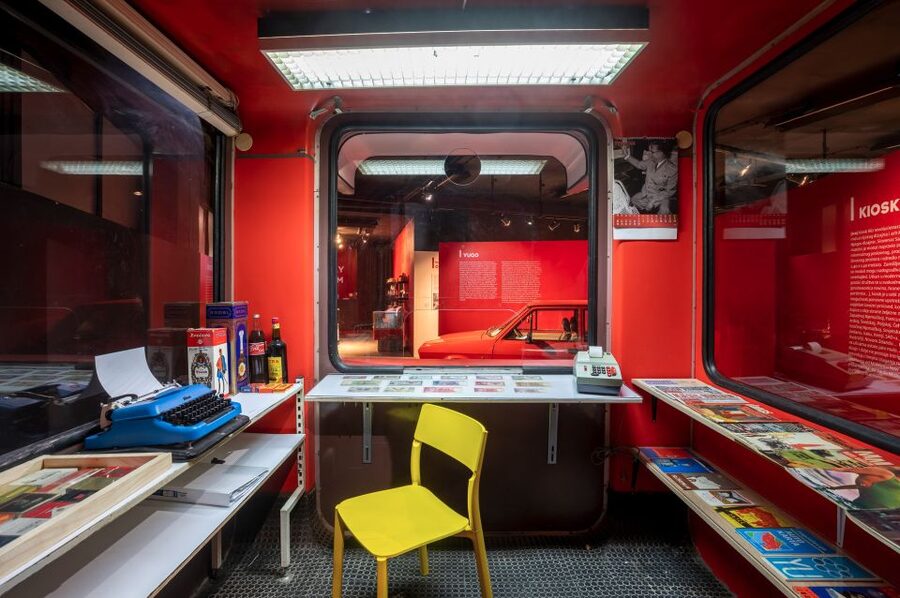
The museum moves beyond household objects into the machinery of the state. Displays cover politics, secret agencies, and the Non-Aligned movement, helping explain how Yugoslavia operated at home and positioned itself abroad.
The section on Goli Otok is especially important. The prison island has become a powerful symbol of political repression in Yugoslavia. Its presence behind curtains adds a sense of separation and seriousness, marking a change from the lighter displays of food, music, and consumer culture.
You should give this part time. The museum is not only a nostalgia trip filled with old furniture and amusing products. It also asks you to consider surveillance, political loyalty, punishment, and the limits of personal freedom.
The display materials include photographs and other resources. Some information is presented through newer technology, while other parts rely on physical objects and printed material. The mix fits the subject well, since the museum is comparing a past world with the tools available to you today.
More Historical Tours in Dubrovnik
- Dubrovnik Old Town History Walking Tour
★ 5.0 · 1,684 reviews - Game of Thrones & History of Dubrovnik Tour
★ 5.0 · 628 reviews - Dubrovnik: Old Town History Walking Tour
★ 4.9 · 474 reviews - Early Bird Dubrovnik History Tour – 7:30 Start
★ 5.0 · 198 reviews
Music, design, and the sound of an era
A history museum can become tiring when every section is text-heavy. The Red History Museum breaks up the information with music, visual design, and pop culture.
You can listen to major hits from the period while moving through the exhibition. That detail matters because music is one of the fastest ways to understand how an era felt. It adds atmosphere without requiring a long explanation.
Design also receives attention. Posters, products, visual symbols, and domestic interiors show how politics and style could appear in ordinary surroundings. You get to consider not only what the government said, but also how that message was presented.
The interactive approach helps keep the information moving. You may read, listen, handle your way through a display, or stop to examine an object. The museum is not completely hands-off, but it gives you more to do than simply walk past glass cases.
Some digital stations may not be instantly clear. The scanning displays, in particular, could use better instructions, and a station may not respond on the first try. If that happens, ask a staff member rather than assuming you are missing something.
The Yugo 45 and communist-era drinks
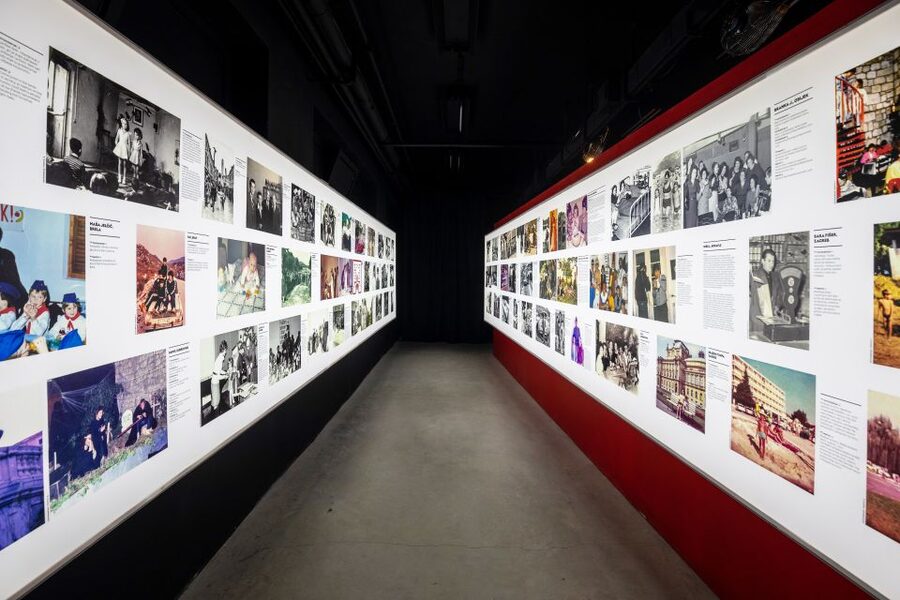
The museum has a lighter side, and it is one reason the visit works well for mixed groups. You can take a photo with the Yugo 45, the small car famously mocked as the worst car ever.
The car is more than a funny photo prop. It represents the practical, modest consumer world of Yugoslavia. For many people, owning a car was connected with independence, family trips, work, and access to a wider country. Its design also gives younger visitors an immediate way into the subject.
Near the end, you can try popular drinks and candies from the period. The museum highlights communist versions of Coca Cola and Fanta, an amusing reminder that international-style products could have local counterparts.
These items are useful because they show how consumer culture worked under a different political and economic system. A soft drink may seem trivial beside political prisoners or state agencies, but it can reveal how people experienced modern life through branding, taste, and limited choice.
I would not book the museum only for the tasting element. It is a small part of the visit. Still, it provides a pleasant finish after the heavier material and gives you something concrete to remember.
How the interactive layout affects your visit
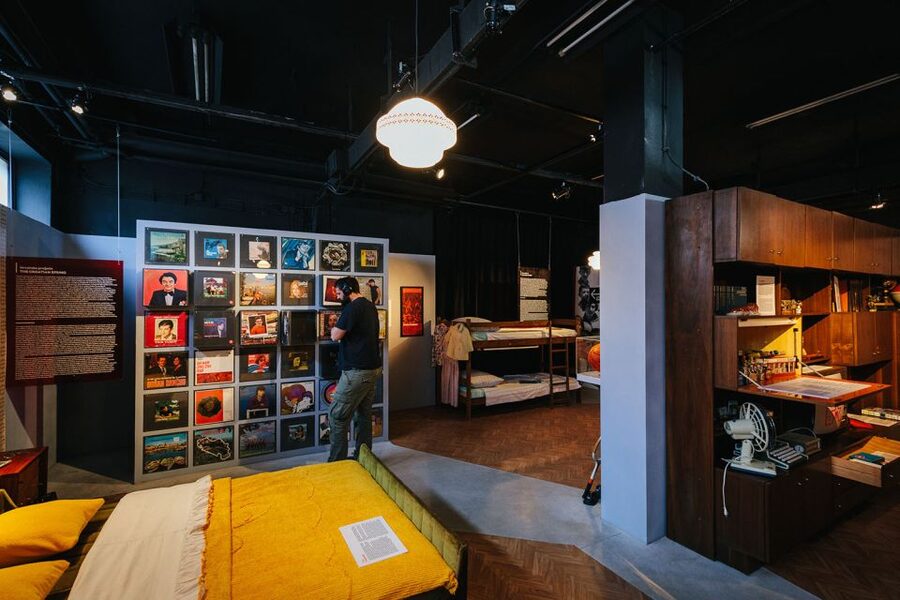
The museum combines old and new technology. Physical objects create the sense of place, while digital features add photographs, sound, and extra information.
That combination is one of the museum’s best choices. The old furniture and car make the subject tangible. The electronic displays can then add voices, images, or context without filling every wall with text.
The layout also lets you set your own pace. You can spend longer with the political sections, pause at the home reconstruction, or move more quickly through a display that interests you less.
Do not expect every interactive feature to work perfectly. One scanning station did not respond for some people, and the instructions were not always obvious. That is a minor weakness, but it is worth knowing if you prefer highly polished museum technology.
The staff can help. Viktor has been especially useful in explaining the material and answering questions. The museum’s open atmosphere makes it easier to ask for context, particularly when a political subject is unfamiliar.
What the museum does well, and where it is limited
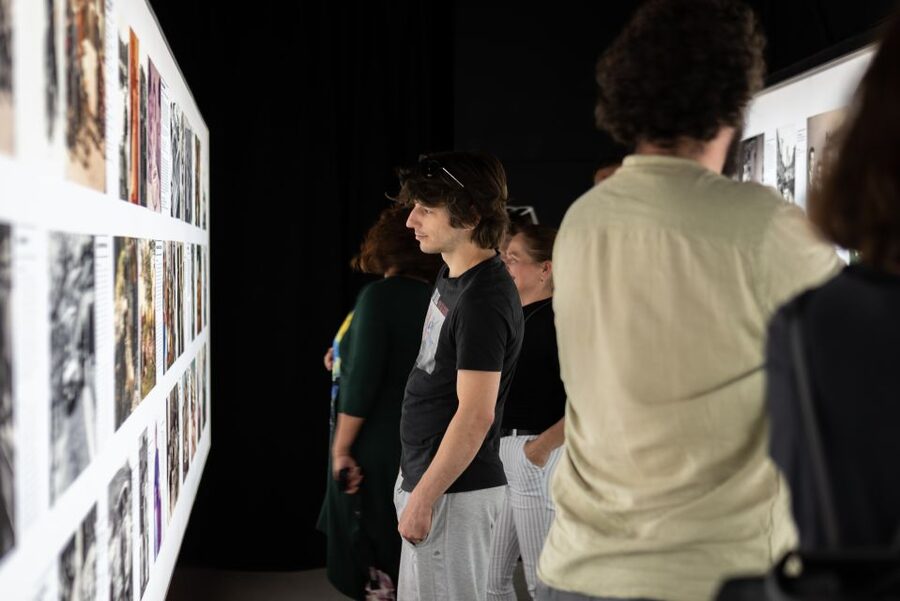
The museum’s greatest strength is its mix of subjects. You get politics, daily life, art, design, music, products, and personal experience in one compact visit.
The home reconstruction is likely to be the most memorable part if you want to understand ordinary life. The Goli Otok material gives the museum weight, while the Yugo and drinks keep the tone from becoming relentlessly grim.
The main weakness is scale. This is a small museum, not a national history museum covering every period of Croatia’s past. If you want a large collection, long chronological galleries, or extensive coverage of the Yugoslav breakup, you may find the visit too brief.
The museum also presents a broad introduction rather than a complete academic account. That is not a problem for most visitors, but it helps to set the right expectation. You are getting a focused look at life under Yugoslav communism, not every political event from the twentieth century.
The balance is another point to watch. The museum shows both attractive and troubling sides of socialist life. If you are looking for a strongly argued political position, you may find the open presentation less forceful. If you prefer to see objects and form your own judgment, that approach works well.
Is $11 a fair price?
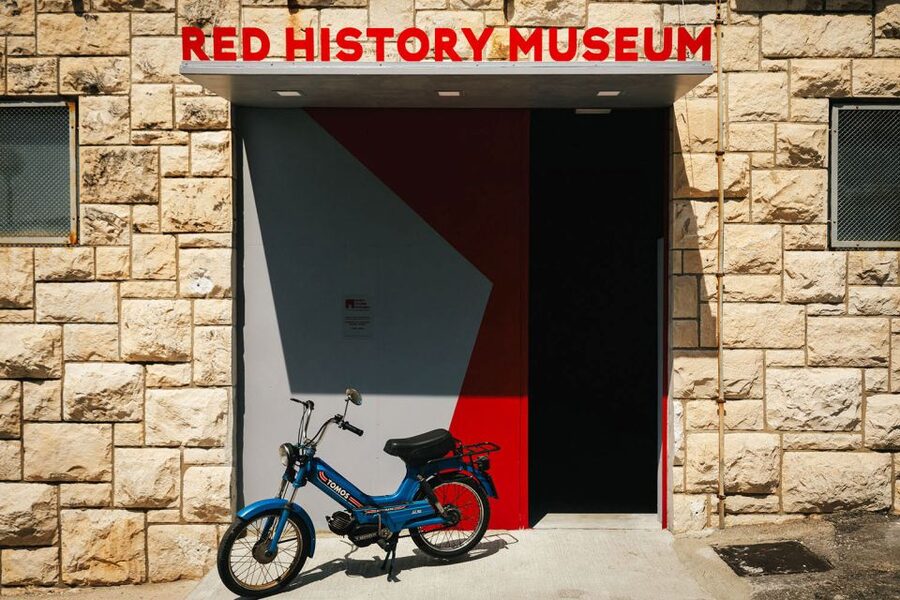
At $11 per person, the ticket offers good value for a focused cultural stop in Dubrovnik. The price is low compared with many major attractions, and the museum gives you a subject that is difficult to understand from the old city alone.
Value depends on your interests. If you are fascinated by modern European history, the former Yugoslavia, political systems, design, or social change, the ticket should feel worthwhile. You get a setting, a collection of objects, interactive displays, music, and a small tasting element.
If your time in Dubrovnik is very short and you only want the city’s famous medieval sights, you may choose to skip it. The museum is not a replacement for the old city, and it does not offer views or ancient monuments.
For many people, though, $11 is a sensible way to spend part of an afternoon or another open period in your schedule. It adds modern context without requiring a major time or financial commitment.
You can reserve now and pay later, which helps if your schedule is still changing. Cancellation is allowed up to 24 hours before the visit for a full refund. Those terms are useful, but the bigger decision is simply whether recent history interests you.
Who should visit the Red History Museum?
I would recommend this museum to anyone who wants to understand Croatia beyond its postcard image. It is particularly useful if you have little knowledge of Yugoslavia and want a readable introduction.
Families and mixed-age groups may also find the format helpful. The car, music, candy, household objects, and interactive elements give younger visitors something concrete to focus on, while the political displays offer more depth for adults.
It suits visitors who enjoy social history as much as major events. You are not only learning who led the country. You are seeing how a system shaped homes, products, entertainment, travel, and public behavior.
You should think twice if you want a large museum with hundreds of objects or a long guided tour. The experience is compact, and some digital tools may be a little rough around the edges.
Should you book this museum?
Book the Red History Museum if you want a clear, engaging look at Yugoslav life in a setting connected to the period. The recreated home, Yugo 45, music, local product displays, and Goli Otok material give the visit a useful range.
At $11, it is a reasonable choice for history-minded visitors, families, and anyone curious about the forces behind present-day Croatia. Leave extra time to read and ask questions, especially if Viktor or another staff member is available.
Skip it only if your schedule is packed with Dubrovnik’s older sights or if you want a very large museum. For a small attraction with a serious subject and a playful touch, it earns its place on your list.
FAQ
Where is the Red History Museum located?
The museum is in the T.U.P. factory complex in the port area of Dubrovnik. The factory was built in 1953.
What does the Red History Museum focus on?
It focuses on Croatia’s communist history and life under the Yugoslav regime. Topics include politics, design, art, secret agencies, music, consumer products, and the Non-Aligned movement.
How much does regular admission cost?
The regular entry ticket costs $11 per person.
Is the museum interactive?
Yes. The museum combines old and new technology with physical objects, photographs, music, and interactive displays.
Can I see a Yugoslav-era home?
Yes. The museum includes a reconstruction of a home from the period, with old furniture and household items that help show daily life in the 1970s and 1980s.
Can I take a photo with a Yugo 45?
Yes. The museum includes a Yugo 45, which you can use as a photo opportunity.
Does the museum cover Goli Otok?
Yes. Information about Goli Otok is presented in the museum, including material located behind curtains.
Can I try communist-era drinks and sweets?
Yes. At the end of the visit, you can try popular drinks and candies from the period, including local communist-era versions of Coca Cola and Fanta.
Is a guide included with the regular ticket?
The included item is regular entry to the museum. Staff members, including Viktor, may provide information, but the ticket is described as an entry ticket rather than a separate guided tour.
Can I cancel my booking?
You can cancel up to 24 hours in advance for a full refund. You can also reserve your spot and pay later.
More Museums and Galleries in Dubrovnik
- Skip the Line: Love Stories Museum Admission Ticket
★ 5.0 · 87 reviews - Museum of Selfies & Illusions Dubrovnik Ticket
★ 4.0 · 23 reviews - Love Stories Museum Skip-the-Line Entrance Ticket
★ 4.5 · 23 reviews - Blue Lagoon & Underwater Museum from Split with Lunch & Drinks
★ 4.5 · 1,122 reviews
Just added around Dubrovnik
- Welcome to Dubrovnik Walking Tour★ 5.0 · 36 reviews
- Walls Of Dubrovnik: Small-Group Walking Tour With A Local★ 5.0 · 67 reviews
- Dubrovnik at War 1991-1992 Private Walking Tour★ 5.0 · 4 reviews
- Olive farm & village★ 5.0 · 41 reviews
- City Walls of Dubrovnik★ 5.0 · 70 reviews
- Walls of Liberty: A Self-Guided Audio Tour of Dubrovnik★ 3.5 · 3 reviews
- Trebinje Gastro Tour From Dubrovnik★ 4.5 · 12 reviews
- Try Scuba Diving Discovery in Dubrovnik★ 5.0 · 43 reviews
Museums, compared.

Blue Lagoon & Underwater Museum from Split with Lunch & Drinks
Read our review →
Zagreb: Skip-the-Ticket-Line Museum of Broken Relationships
Read our review →
SPLIT-PREMIUM Emperor’s Walking Tour for History Lovers + Museum
Read our review →
Split: Klis Fortress GOT and Olive Museum Entry Tickets
Read our review →
Browse the lists this tour appears in