
Reviewed · WALKING TOURS
Zagreb: Small Group Walking Tour City Center and WW2 Tunnels
Zagreb’s most revealing secret is below street level. This tour takes you into the Gric Tunnel, a WWII passage that adds a darker, more recent layer to a walk otherwise filled with markets, churches, medieval gates, and sunny café streets. Above ground, your guide connects the city’s old stones with everyday Zagreb life.
I like the route’s useful mix of sights: Dolac Market and Tkalciceva Street show how people live now, while Gradec, the Cathedral, and Stone Gate explain how the city grew. I also like the small-group format and the local storytelling. Petra, Tom, Bernarda, and Maja are among the guides praised for clear explanations, humor, family stories, and good restaurant advice.
The main consideration is pace and footing. This is a 2.5-hour walk with steps, slopes, and uneven old-town surfaces, so it is not suitable for wheelchair users. The WWII tunnel can close for an event, Dolac Market shuts in the afternoon and on public holidays, and Zagreb’s funicular is closed for renovation until March 2026.
Key points before you book
- The Gric Tunnel adds a rare wartime stop to a standard Zagreb city walk.
- Petra, Tom, Bernarda, and Maja are local guides known for personal stories, clear English, and practical advice.
- Dolac Market works best in the morning, before it closes for the afternoon or on public holidays.
- Gradec delivers the best city views, especially along the Strossmayer promenade.
- The route covers Zagreb’s main center sights without charging extra for food, drinks, or transport.
- The funicular is currently closed, so expect to walk between the Lower and Upper Town.
Why this Zagreb walk works so well
At $23 per person, this is priced as an affordable introduction to Zagreb rather than a full-day history lesson. You get a licensed local guide and a 2.5-hour walking route that links the city’s main sights in a sensible order.
I see the value in the route’s range. You are not only looking at grand buildings and taking photographs. You also pass through the market, hear about local coffee and lounging habits, learn how Zagreb got its name, and hear stories about witchcraft and wartime use of the city’s tunnels.
The small-group setup matters here. Zagreb’s older streets can feel crowded around the market and Upper Town, and a smaller group makes it easier to hear the guide and ask questions. Tom is praised for answering questions patiently, while Petra is noted for adjusting when late participants needed help joining the walk.
The guides also seem to bring different strengths. Petra is described as a strong storyteller with a warm, easygoing manner. Bernarda brings family stories connected with war and changing occupations. Maja links older events with modern Croatian culture and offers food and restaurant suggestions. Those details make the tour feel less like a list of dates and more like an introduction to a lived-in city.
More Walking Tours in Zagreb
- Zagreb: City and WWII Tunnels Walking Tour
★ 4.9 · 845 reviews - Walking tour of Zagreb
★ 5.0 · 383 reviews - Zagreb Small Group Guided Walking Tour with WW2 Tunnels
★ 5.0 · 380 reviews
Starting at Zrinjevac Park
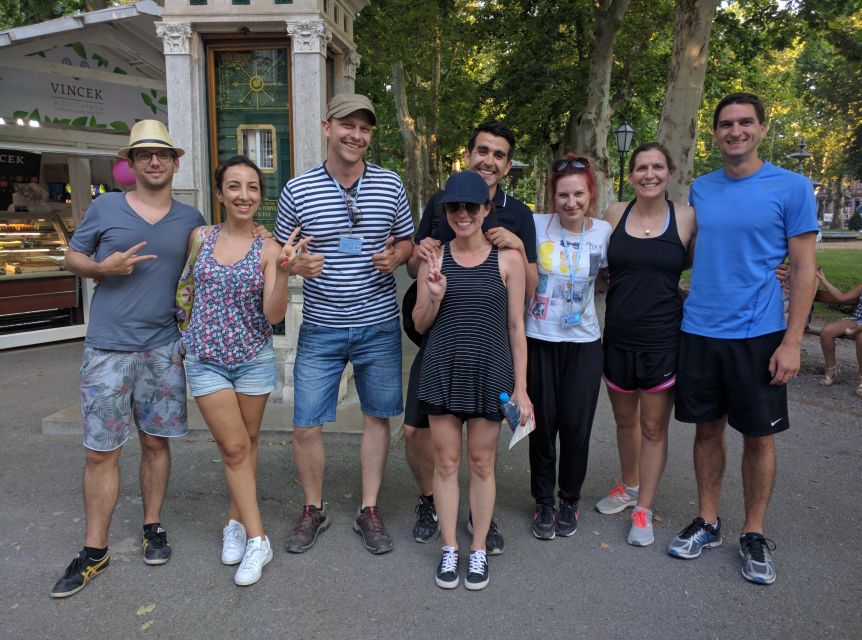
Meet at Zrinjevac 2, beside the small meteorological station on the north side of the park. Look for the display showing temperature and barometric pressure. This detail is useful because Zrinjevac is a broad park, and simply being told to meet at the park could leave you searching.
Zrinjevac is a good starting point. It gives you a calm, green introduction before the walk moves into Zagreb’s more active center. Your guide begins with the city’s medieval beginnings and helps place the modern capital in context.
Allow a little extra time to find the meeting point. The tour ends back at the main square, not at a separate transport stop or distant neighborhood, so you finish in a convenient part of the city.
Ban Josip Jelačić Square and the Cathedral
From Zrinjevac, the route heads to Ban Josip Jelačić Square, Zagreb’s main meeting place. This is where you hear how Zagreb got its name and begin to understand the city’s central layout.
The square is a useful orientation point. From here, you can connect the Lower Town streets with the older Upper Town above them. If this is your first visit, the guide’s explanation helps you recognize how the city’s two medieval settlements eventually became one urban center.
Next comes Zagreb Cathedral, one of the city’s key landmarks. The guide explains its origins, the damage and difficulties it has faced, and its ongoing renovation. This stop is more valuable than a quick exterior photograph because the building’s appearance reflects the city’s long cycle of construction, damage, repair, and change.
The cathedral stop can also be one of the more factual parts of the tour. If you prefer stories about daily life, listen for how the guide connects the building to Zagreb’s religious and civic identity rather than treating it as an isolated monument.
Dolac Market and the taste of daily Zagreb
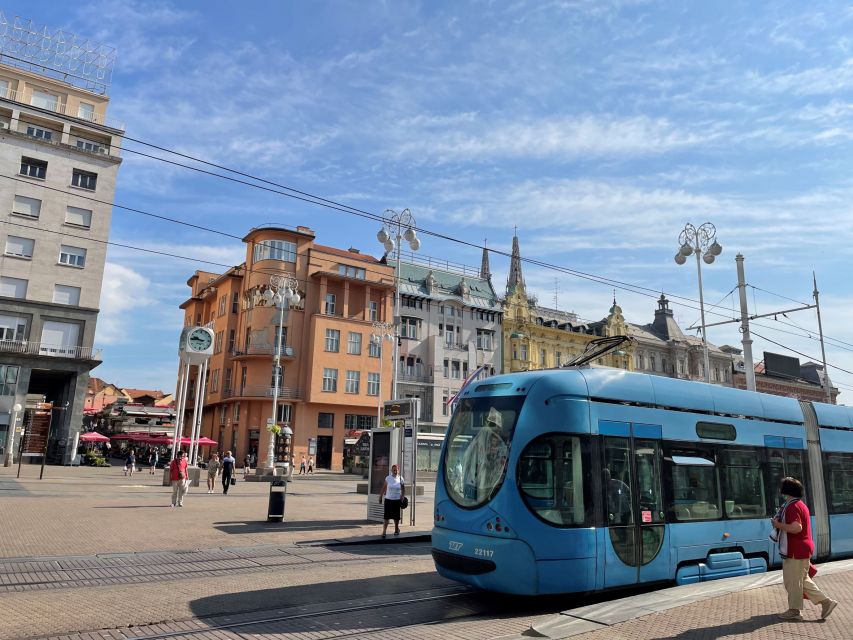
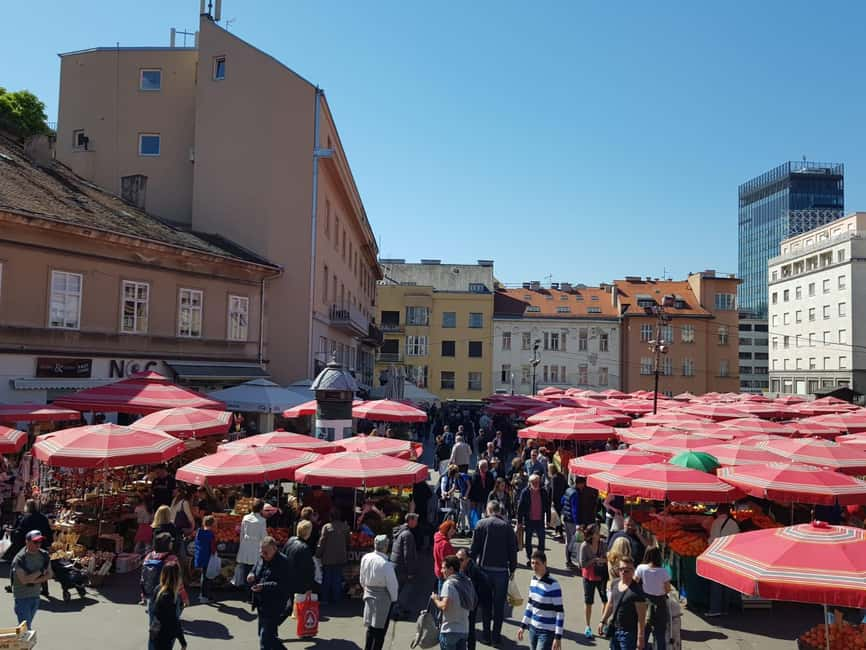
Dolac Market is often called the belly of Zagreb, and the nickname makes sense once you see its role in the center. The route brings you into a place tied to everyday shopping and local routines, rather than only ceremonial Zagreb.
This is one of my favorite stops for understanding the city. A market tells you more about ordinary life than a grand square can. You may see the familiar red umbrellas associated with Dolac, and your guide explains how locals use the area and how food fits into the city’s social habits.
Timing is important. Dolac Market is closed in the afternoon and on public holidays, so a later departure may mean seeing the market area without its full activity. The tour does not include food or drinks, so bring your own spending money if you want to buy something along the way.
From Dolac, the walk continues to Tkalciceva Street, known locally as a bar street. Here the emphasis shifts from market shopping to Zagreb’s café culture. Your guide discusses the local philosophy of sitting, talking, and taking time over coffee. This is a small detail, but it helps explain the city better than a string of architectural facts.
Same stretch of coast, a completely different kind of day:
- Communism & Croatian Homeland War Tour
★ 5.0 · 1,355 reviews - Best of Zagreb with the WW2 Tunnels
★ 5.0 · 973 reviews - Zagreb: Skip-the-Ticket-Line Museum of Broken Relationships
★ 4.5 · 847 reviews - Zagreb: Communism and Croatian Homeland War Tour
★ 4.9 · 779 reviews
The Gric Tunnel and Zagreb’s wartime past
The Gric Tunnel is the tour’s most distinctive stop. This WWII tunnel gives you a change of mood and setting after the open streets of the center. You leave the familiar rhythm of squares and cafés and enter a passage connected with Zagreb’s wartime past.
The scheduled visit lasts about 20 minutes. That is enough time for the guide to explain the tunnel and its place in the city without turning the entire walk into a military history tour.
You should keep expectations practical. The tunnel is not guaranteed to be open. An exhibition, theatre production, or another event can close it to ordinary visitors, and the route cannot substitute another tunnel visit in that case. If this stop is the main reason you are booking, understand that it is a worthwhile possibility, not an absolute guarantee.
The tunnel also gives the walk a useful balance. Zagreb is easy to experience as a pleasant café city, but its recent past includes war and political change. Seeing a wartime space keeps the tour from becoming too polished or postcard-focused.
Walking up to Gradec and the closed funicular
The route continues to the Upper Town, or Gradec, one of the two medieval settlements that formed Zagreb. The climb is part of the experience, but it also means you should wear comfortable shoes and expect some uneven surfaces.
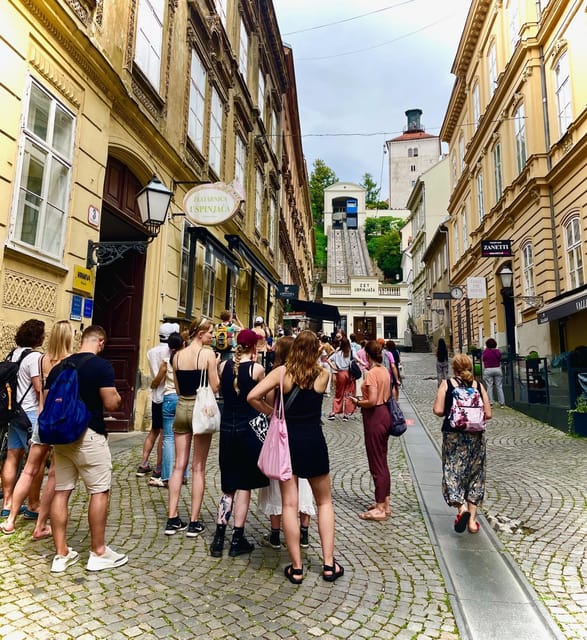
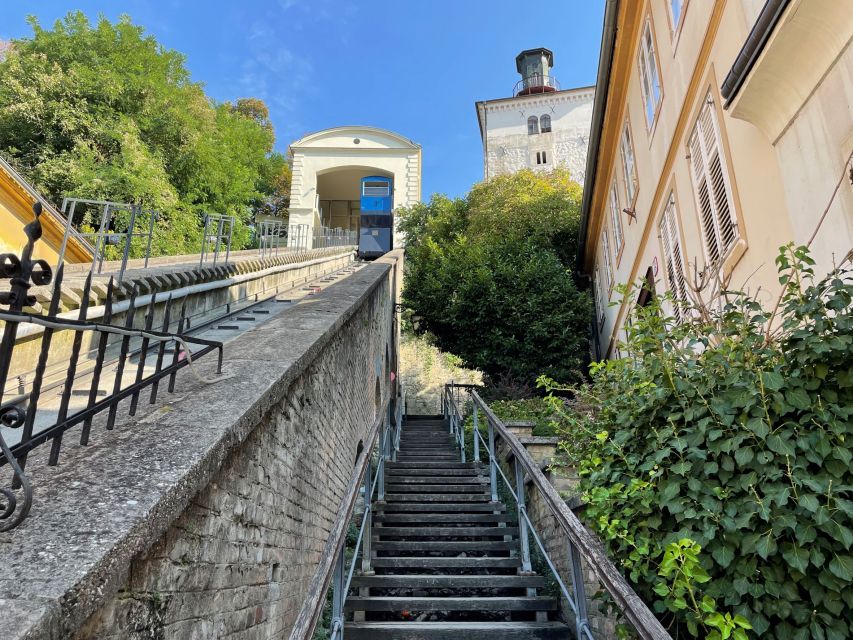
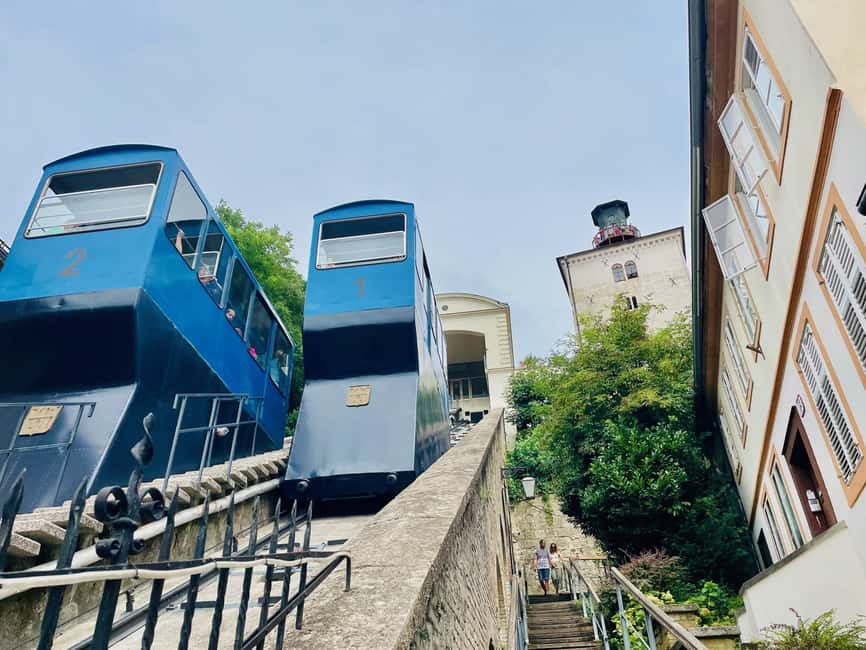
The route passes the city funicular, described as the oldest form of public transport in Zagreb and a source of civic pride for more than 135 years. Under normal conditions, this is the charming short ride linking the Lower and Upper Town.
At present, the funicular is closed for renovation until March 2026. You should not book this walk expecting to ride it. The tour still reaches Gradec, but you will walk rather than take the funicular.
That change does not remove the historical interest, but it does affect comfort. If you have limited mobility, the route is already unsuitable for wheelchair users, and the closed funicular means there is no ride to shorten the climb.
Strossmayer Promenade and Lotrščak Tower
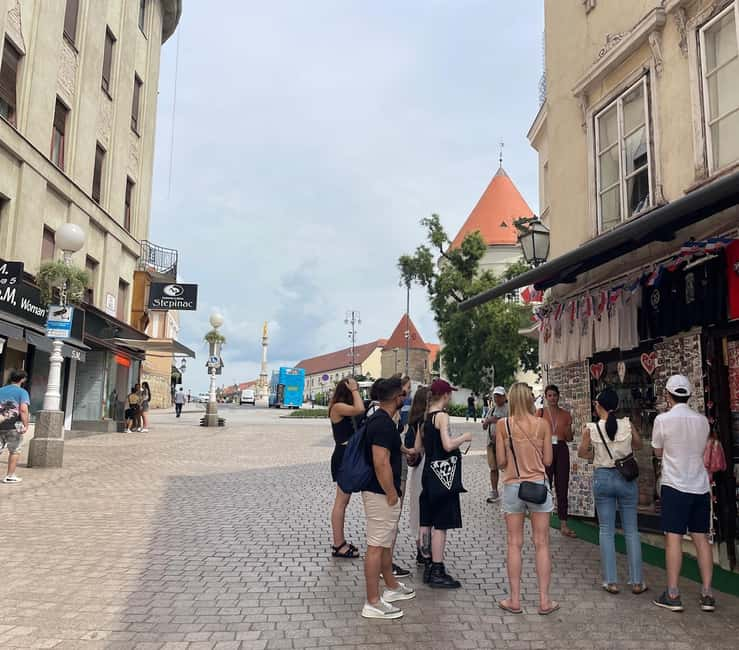
Once in Gradec, the walk follows the Strossmayer promenade, a pleasant route with views across Zagreb’s rooftops. This is the place to pause and take photographs, but it also helps you see how the city’s lower streets fit around the older hilltop settlement.
Lotrščak Tower receives a longer explanation, around 20 minutes. The tower is one of the Upper Town’s clearest reminders of Zagreb’s fortified past. Your guide can place it within the old defensive layout and explain why the Upper Town developed differently from the streets below.
The route also passes the Museum of Broken Relationships. It is not a museum visit, so do not expect admission or time inside. You see it as part of the walk and can return later if its unusual subject interests you.
This section rewards people who enjoy a guide’s commentary. The streets themselves are attractive, but the meaning of the old walls, towers, and lanes is easier to grasp when someone explains how the medieval settlements functioned.
St Mark’s Church and the Stone Gate
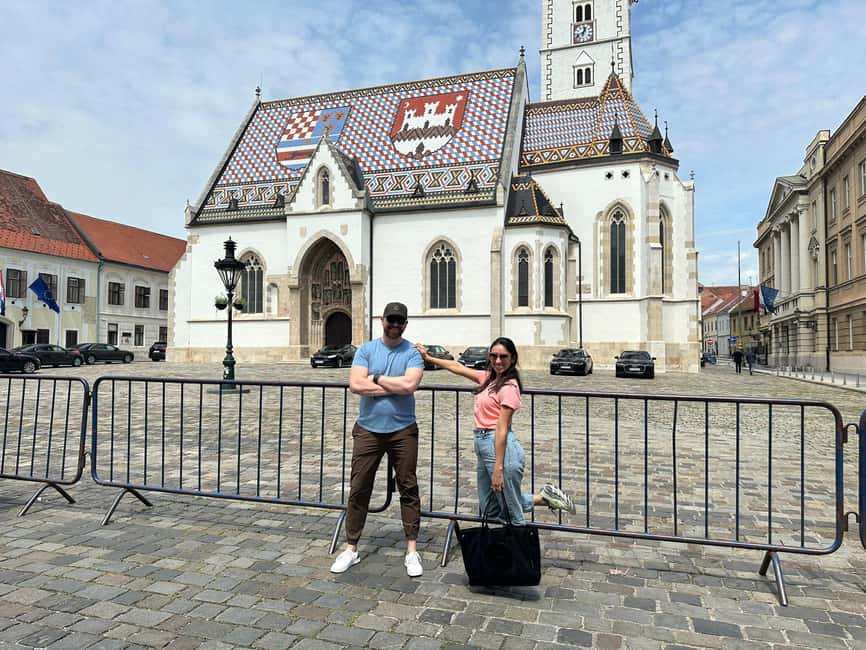
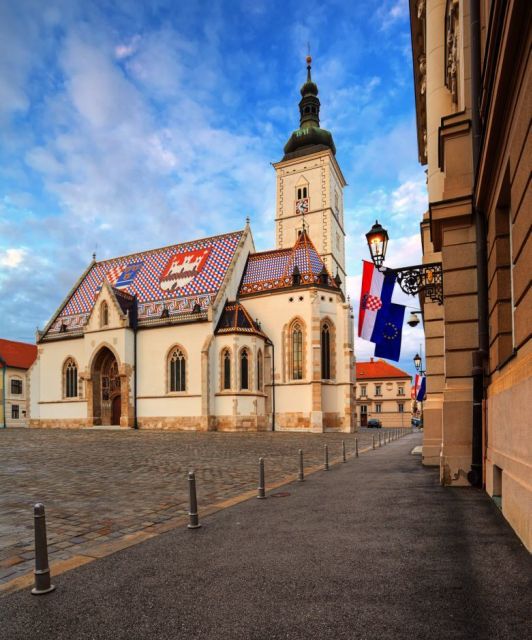
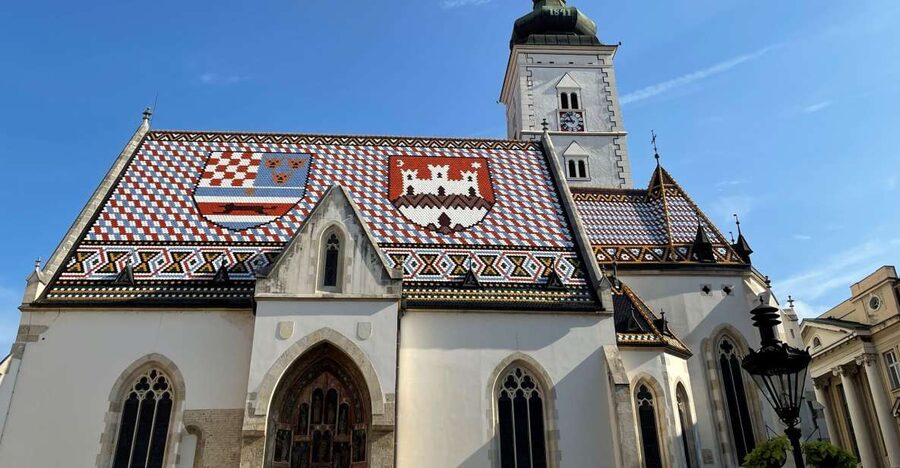
St Mark’s Church is among Zagreb’s most photographed sights, thanks to its colorful tiled roof. The design is instantly recognizable and makes a strong photo stop, but the guide also gives the church a place within Gradec rather than treating it as a standalone picture.
The next important stop is Stone Gate, the only surviving gate from the old city walls. Passing through it feels like a clear transition from the Upper Town back toward the lower center.
Inside the gate is a small chapel containing a miraculous image of Our Lady, the patron saint of Zagreb. This is an active devotional space, so keep your voice low and be respectful. The stop shows how a piece of fortification became a place of worship and local identity.
The route also includes stories about witchcraft and lesser-seen details of the center. These tales add a lighter, more surprising side to the walk. They can be especially welcome after the more formal sections about the Cathedral, war, and medieval defenses.
What the guides add to the route
The route is fixed, but the guide shapes the experience. Petra receives especially strong praise for combining architecture, social trends, history, and anecdotes. Her storytelling is described as detailed without becoming dull, and she is also noted for helping people who arrived late.
Tom is praised for fluent English, patience, useful food recommendations, and answers to questions. If you want restaurant ideas after the walk, his suggestions include Ficlek and Stari. Maja is valued for connecting old events with present-day Zagreb and for recommending restaurants such as Vinodol.
Bernarda brings a more personal angle. Her stories include family experiences connected with war and different occupations of Croatia. That kind of account can make the past feel closer, but it may also be more serious than the lighter market and café sections.
The guide names are not guaranteed at every departure, so book this for the route and the local guiding style rather than for one specific person. The strongest pattern is clear English, enthusiasm for Zagreb, and willingness to answer questions.
Timing, weather, and practical comfort
The walk lasts 2.5 hours and includes stops of different lengths. Expect about 15 minutes at Zrinjevac, the main square, the Cathedral, Dolac, and St Mark’s Church. The Gric Tunnel gets about 20 minutes, as does Lotrščak Tower.
Rain does not automatically stop the tour. Bring weather protection and shoes with a firm grip, since the route continues through the old town in wet conditions. One guide helped keep a rainy walk enjoyable, which suggests the tour is designed to continue in ordinary poor weather.
Food and drinks are not included. That is not a serious drawback at $23, but you should budget separately for coffee, market purchases, or a meal afterward. The finish at Ban Josip Jelačić Square makes it easy to continue exploring or follow a restaurant recommendation.
The tour is conducted in English. It is not suitable for wheelchair users, and the combination of slopes, steps, old surfaces, and the closed funicular makes that limitation important.
Cancellation is flexible up to 24 hours before the start for a full refund, and you can reserve now and pay later. Those terms are useful if your Zagreb plans may shift.
Who should book this Zagreb walk
I would choose this tour if you have one day in Zagreb or want a clear introduction before exploring independently. It covers the main center sights, adds the WWII tunnel, and gives you enough local context to decide where to return later.
It suits first-time visitors, history fans, curious food-minded visitors, and anyone who prefers a guide to a map app. The small group is also a good fit if you want to ask questions without joining a large crowd.
You may want a different plan if you dislike walking, need step-free access, or care mainly about riding the funicular. You should also check the departure time carefully if Dolac Market is a priority, and accept that the tunnel may be closed for an event.
Should you book it?
Yes, if you want good value and a well-rounded first look at Zagreb. The strongest parts are the local guides, the market and café context, the views from Gradec, and the unusual WWII tunnel stop.
Book it with realistic expectations: it is a walking introduction, not a museum tour, food tour, or guaranteed tunnel visit. Wear comfortable shoes, aim for a morning departure if Dolac matters, and remember that the funicular remains closed until March 2026.
FAQ
How long does the Zagreb walking tour last?
The tour lasts 2.5 hours.
Where does the tour begin?
It begins at Trg Nikola Subic Zrinski 2 in Zrinjevac Park, next to the meteorological station on the north side of the park.
Where does the tour end?
The activity ends back at the meeting point area, at Ban Josip Jelačić Square.
Is the WWII tunnel visit guaranteed?
No. The Gric Tunnel may close if an exhibition, theatre show, or similar event is taking place inside.
Can I visit Dolac Market during the tour?
You can visit Dolac Market when it is open. It is closed in the afternoon and on public holidays.
Is the funicular included and operating?
The route passes the funicular, but it is closed for renovation until March 2026. The tour does not provide a funicular ride during this closure.
Is the tour suitable for wheelchair users?
No. The activity is not suitable for wheelchair users.
What language is the tour conducted in?
The live tour guide speaks English.
Just added around Zagreb
- Toast to the Morning After: Zagreb Museum of Hangovers Visit★ 4.0 · 39 reviews
- Private Walking Tour of Zagreb★ 4.9 · 5 reviews
- Jump into Zagreb: Walking Tour with local guide★ 4.8 · 3 reviews
- From Zagreb: Varazdin Baroque Town & Trakoscan Castle★ 4.9 · 38 reviews
- From Zagreb:Discover North Croatia, Museums, Castle and City★ 5.0 · 26 reviews
- From Zagreb: Prehistoric and Medieval Croatia Tour★ 4.9 · 3 reviews
- From Zagreb: Mrežnica kayaking & Rastoke village – day trip★ 4.9 · 27 reviews
- Exclusive old Zagreb walking tour★ 4.4 · 32 reviews
Walking Tours, compared.
Split: Old Town and Diocletian Palace Walking Tour
Read our review →
Walking Tour of Split and Diocletian’s Palace
Read our review →
Krka Waterfalls tour with Trogir Walking tour and Krka panoramic boat cruise
Read our review →
Dubrovnik: City Walls Early Morning or Sunset Walking Tour
Read our review →Browse the lists this tour appears in