
Reviewed · ZAGREB TOURS
Communism & Croatian Homeland War Tour
Zagreb’s most important recent history is often hidden below street level. This walking tour takes you into Tunnel Grič, a World War II shelter, then into a basement exhibition about Croatia’s war for independence. Along the way, your guide explains how Yugoslavia, communism, nationalism, and the breakup of the country shaped modern Croatia.
I like two things in particular. First, the tour uses maps, photographs, and video to make a complicated subject easier to follow. Second, guides such as Ivana and Darko bring personal and family stories without pretending that Croatia has the only valid point of view. The main drawback is that this is a history lesson first and a sightseeing walk second. If you want grand buildings and postcard views, choose a different Zagreb tour.
Key points to know before you book
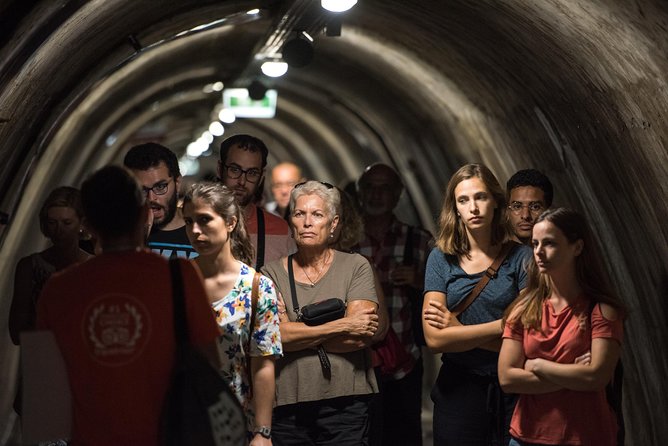
- You go inside Tunnel Grič: The WWII-era passageway gives the history a real setting, though access can close during public events and the Christmas Market.
- The focus is wider than communism: Expect a brisk account of Croatian and Balkan history from the early 20th century through the 1990s Homeland War.
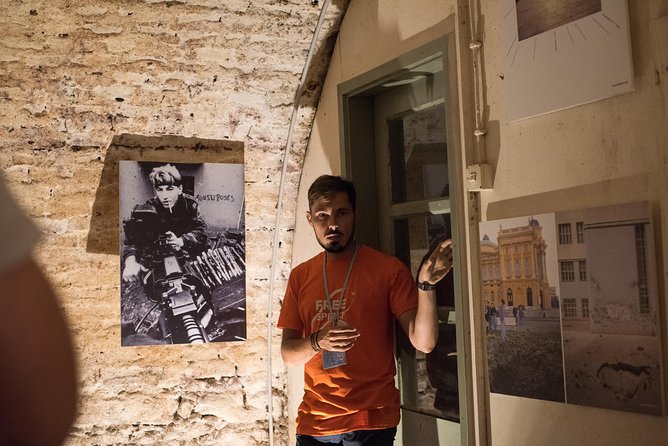
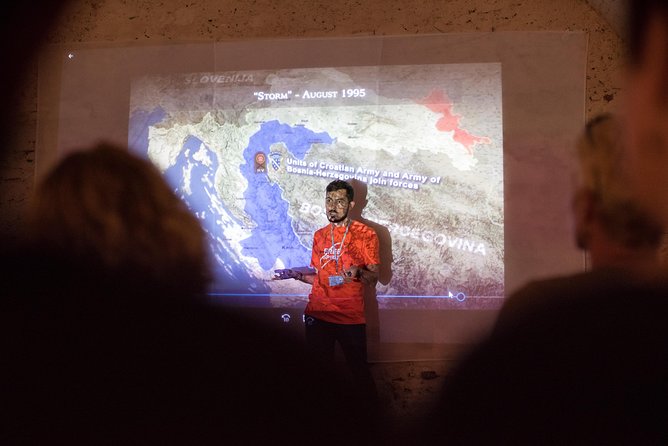
- Guides use visual aids: Maps, photographs, and a multimedia presentation help explain borders, political changes, and military events.
- The final film is sobering: The Croatia war presentation brings the subject into the recent past and may feel heavy.
- It is an easy central-city walk: The group starts and finishes at the Ban Josip Jelačić statue, with no admission fee for the listed stops.
- Plan for up to two and a half hours: The advertised time is about two hours, but the stop lengths add up to roughly two and a half.
Why this tour matters in Zagreb
Zagreb is easy to explore on foot, but its recent past is not always easy to understand. A street, square, or tunnel may look ordinary until you learn what happened there, who controlled it, and how people lived through the changes.
This experience gives you that missing frame. It begins with the formation and tensions of modern Croatia, moves through the communist period and Yugoslavia, and reaches the Croatian Homeland War of 1990 to 1995. You are not simply memorizing dates. You are learning why the country’s politics, memorials, borders, and national identity can still feel so close to the present.
The subject is serious. Wars in Croatia and the wider Balkans caused great suffering, and the tour does not turn that pain into a light sightseeing story. Still, the guides use humor where appropriate and explain difficult material in a direct, organized way.
You should also know that the title can create the wrong expectation. Communism is part of the story, but the tour spends considerable time on wars and political change across roughly the last 125 years. If your main interest is daily life under Tito, you will get some of that, but not a full social history of communist Zagreb.
A few more Zagreb half-days worth comparing
- Best of Zagreb with the WW2 Tunnels
★ 5.0 · 973 reviews - Zagreb: Small Group Walking Tour City Center and WW2 Tunnels
★ 4.9 · 895 reviews - Zagreb: Skip-the-Ticket-Line Museum of Broken Relationships
★ 4.5 · 847 reviews
Meeting at Ban Josip Jelačić Square
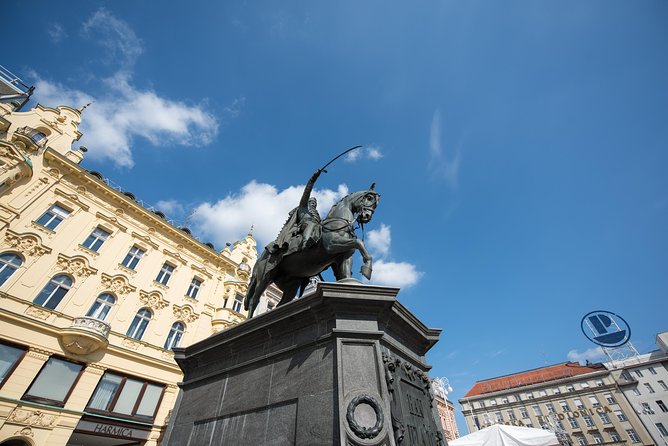
The tour starts at the Ban Josip Jelačić statue, at Trg bana Josipa Jelačića 15. This is Zagreb’s central meeting point, so it is a practical place to begin if you are already exploring the old city or arriving by public transportation.
From Monday through Saturday, the start time is 3 p.m. On Sunday, it begins at 11 a.m. Check your booking confirmation for the exact details, then arrive with enough time to find the statue. The activity returns to the same meeting point at the end, which makes planning dinner or another central Zagreb stop fairly simple.
The opening section lasts about 30 minutes. Your guide sets out the basic political and geographic story before the group heads underground. This part can feel dense because Croatia’s past is tied to the histories of Yugoslavia, Serbia, Bosnia and Herzegovina, Austria-Hungary, and other neighboring states.
That early explanation is useful. Without it, the later discussion of the Homeland War can become a blur of names, parties, borders, and military events. Guides often use a large booklet or loose visual aids with maps and photographs. If you are new to Balkan history, pay close attention here and ask questions when you need to.
Inside Tunnel Grič and Zagreb’s wartime shelter
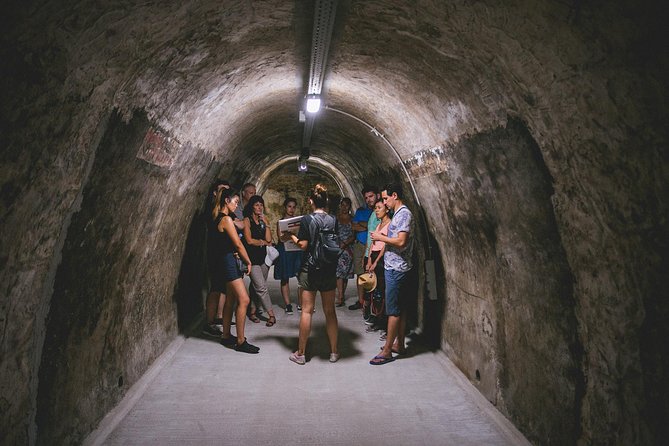
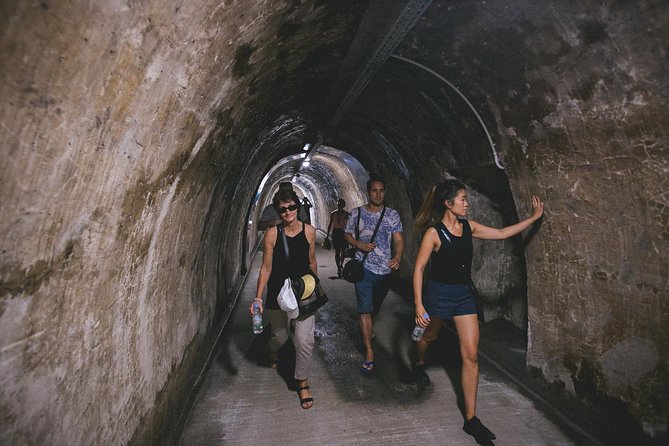
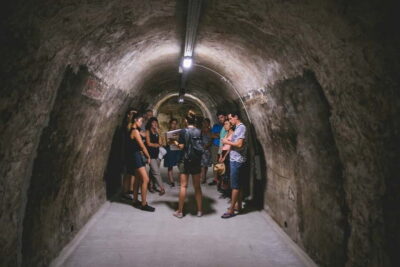
The next stop is Tunnel Grič, a WWII underground tunnel in central Zagreb. A basement area was used as a shelter during air raids, giving you a physical connection to the civilian experience of wartime Zagreb.
The tunnel itself is not a museum with a large collection of objects. Its value comes from the setting and the explanation. You can walk through a real underground space while your guide describes life during the war and later under communist rule.
This is where the tour moves beyond dates and leaders. You begin to think about what ordinary people needed during air raids, how public shelters functioned, and how political systems shaped everyday life. The guide’s maps and photographs help you picture a city that looks very different from the one you see above ground.
There is one practical catch. Tunnel Grič is not included when a public event is taking place there, including the Christmas Market. If your visit falls during one of those periods, the underground portion may not be available. The tour still has its other historical material, but the tunnel is one of its most distinctive settings, so check the seasonal conditions if it matters to you.
The tunnel section is listed as one hour. Underground conditions can feel different from the streets, but no special equipment is listed as required. The activity is described as an easy walking tour, and most people can participate. Children must be with an adult.
Kaptol and the Homeland War presentation
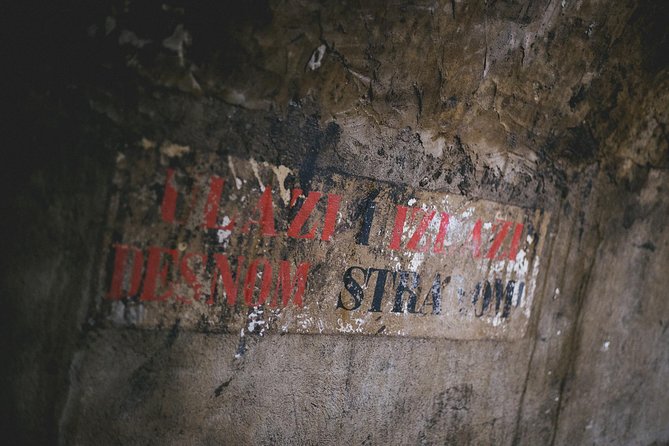
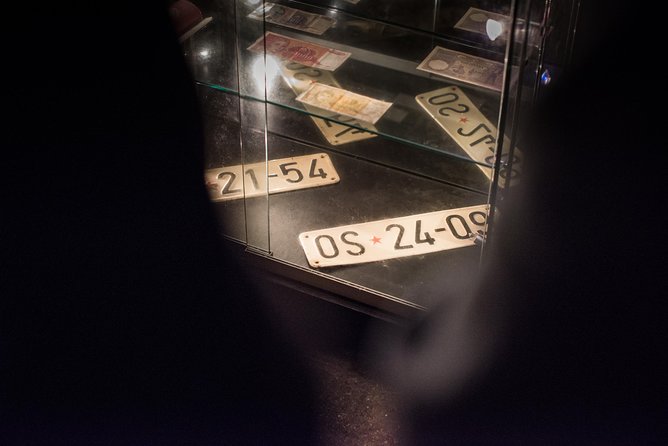
The final major stop is in Kaptol, where you visit an authentic basement once used as a shelter during bombing. This setting connects directly to the Croatian Homeland War and the breakup of Yugoslavia.
The basement is paired with a multimedia exhibition. The visual presentation explains the war for Croatian independence and gives the guide a clear way to show changing borders and events. This is especially helpful because a spoken account alone can make the period hard to follow.
Expect the material to become more personal and emotionally weighty here. The war ended in 1995, so it is not distant ancient history. Guides may include family experiences and stories from people who lived through the period. At the same time, the best guides make clear that a Croatian account is one perspective among several.
That balance matters. Ivana, in particular, is described as encouraging the group to seek other regional perspectives rather than treating the tour as the final word. This does not make the tour neutral in the abstract. It is presented from a Croatian point of view, but a careful guide can still separate documented events from national feeling and invite you to keep learning.
The presentation ends with about 20 minutes of video, according to the timing described by past participants. It is a sobering finish. If you prefer light entertainment on holiday, this may feel like a lot. If you want to understand why recent Croatian history remains important to people you meet in the country, it is one of the most useful parts of the experience.
Same stretch of coast, a completely different kind of day:
- Zagreb: City and WWII Tunnels Walking Tour
★ 4.9 · 845 reviews - Zagreb: Communism and Croatian Homeland War Tour
★ 4.9 · 779 reviews - Hop On Hop Off Panoramic bus – Zagreb City Tour
★ 3.7 · 769 reviews - Ljubljana and Bled Lake – Small Group – Day Tour from Zagreb
★ 5.0 · 675 reviews
Guides who make difficult history easier to follow
The provider is Free Spirit Tours Zagreb, and the activity uses certified local guides with extensive tour experience. Several guides are associated with the experience, including Ivana, Darko, Diana, and Luka.
Each name comes with a slightly different strength. Ivana is described as a former teacher who arrives with maps, photographs, and a clear lesson plan. Her approach places personal stories beside political events and reminds the group that Croatia’s account is not the only one.
Darko is praised for a quick pace, a good sense of humor, and a straightforward way of handling complex subjects. He also uses visual material and personal family connections to make the period more understandable. Diana has been noted for managing a hot day well by moving the group into shade while she spoke. Luka is described as organized and well prepared.
You cannot choose the guide from the information provided, so do not book solely because of one name. The broader point is that this tour depends heavily on the person leading it. A strong guide can turn a complicated timeline into a clear story. If you are interested in the subject, ask questions. The guides are prepared for them, and the discussion is part of the value.
What you get for $47.16
At $47.16 per person, this is not the cheapest way to spend two hours in Zagreb. You are paying for a small-group walking experience, a certified local guide, access to the listed underground spaces, and the multimedia presentation. The group is capped at 20 people, which is small enough for questions without promising a private tour.
The admissions listed for Tunnel Grič and Kaptol are free, so the price is mainly for the guide’s time and preparation. That is important when judging value. You are not buying entry to an expensive monument. You are paying for someone to organize a difficult story, explain maps and photographs, connect several historical periods, and lead you into places you might otherwise pass without understanding.
I think the value is good if you are curious about modern Croatia and want a clear starting point. The tour can save you hours of trying to piece together the region’s history from scattered museum labels and internet searches.
The value is weaker if you mainly want to see Zagreb’s architecture. The walking route includes central locations, but the purpose is discussion rather than sightseeing. Much of the experience involves standing or sitting while the guide speaks, watching a presentation, and processing serious material.
The average booking point is 11 days ahead, so you may want to reserve before your Zagreb visit if your schedule is tight. Free cancellation is available until 24 hours before the start time. Cancellations inside that window are not refunded, and the tour requires a minimum number of participants. If the provider cancels because that minimum is not met, you are offered another date or a full refund.
Timing, walking, and the heat
The official duration is approximately two hours, but the stop schedule totals around two and a half hours. One past account also describes the experience as lasting about two and a half hours, including a roughly 20-minute closing film.
Plan your day around the longer figure. You do not want to rush away before the final presentation, especially since it is central to the Homeland War portion.
The tour is on foot and begins near public transportation. The route is described as easy, and most people can participate. Still, you should expect a history talk at several stops rather than constant walking. Comfortable shoes help, but this is not a strenuous hike.
Summer heat can affect the outdoor sections. A good guide may use shaded areas when possible, as Diana has done, but the tour does not promise shade or a weather adjustment. Bring water and dress for the season. The underground stops provide a change from the sun, though the length of time spent there can depend on access and the group.
The group maximum is 20 people. That is large enough for a shared tour but modest compared with a big city sightseeing group. If you want to ask detailed questions, stay near the guide and listen closely. The material moves quickly.
Who should take this tour?
I would choose this tour early in a Zagreb visit if you want context for the country rather than only a list of sights. It is especially useful for you if:
- You are unfamiliar with Yugoslavia and the breakup of the country.
- You want to understand Croatia’s 1990s war for independence.
- You like history presented through maps, photographs, video, and places connected to events.
- You want local voices and personal stories alongside political facts.
- You have already visited other Croatian cities and want to connect what you saw into a larger picture.
It is also a good fit for families with older children who can handle serious wartime material. Children must be accompanied by an adult, and the content may be too heavy for young children.
I would skip it if your ideal walking tour is mostly about food, architecture, art, or local legends. I would also think twice if you are not willing to listen carefully. The subject is complicated, and the guide cannot make every political faction, border change, and military event simple in a few minutes.
How to get the most from the experience
Read a little about the basic map of former Yugoslavia before you go. You do not need a textbook. Just knowing the names of Croatia, Serbia, Bosnia and Herzegovina, Slovenia, Montenegro, Kosovo, and Macedonia will make the explanations easier to track.
Keep an open mind about national memory. The tour gives you a Croatian perspective, and that is useful, but it is not the only account of the conflicts. Take note of names and events that you want to research later. The strongest guides make this invitation explicit.
Do not judge the first 30 minutes too quickly. The opening history can feel like a lot of information, but it gives the later tunnel and shelter visits meaning. Without the political setup, the basement presentation would have less force.
Finally, allow time for the closing film. It is not a quick add-on. The final video is part of the emotional and historical purpose of the tour, and it may leave you thoughtful rather than cheerful. That is appropriate for the subject.
Should you book the Communism and Croatian Homeland War Tour?
Book it if you want a serious, clearly explained introduction to Croatia’s modern past. The combination of Tunnel Grič, an authentic bombing shelter, maps, photographs, personal stories, and a Homeland War presentation gives you more context than a standard city walk.
Go in expecting a history class with walking, not a sightseeing tour with a little history added. The title understates the scope, the advertised two hours may become two and a half, and the final film is emotionally demanding. But at $47.16, the experience offers solid value for anyone who wants to understand the country behind the cafés, churches, and Adriatic postcards.
FAQ
Where does the tour start?
It starts at the Ban Josip Jelačić statue at Trg bana Josipa Jelačića 15 in Zagreb.
What time does the tour begin?
It begins at 3 p.m. from Monday through Saturday and at 11 a.m. on Sundays.
Where does the tour finish?
The activity ends back at the Ban Josip Jelačić meeting point.
How long does the tour last?
The listed duration is approximately two hours, though the scheduled stops and closing presentation can make the experience closer to two and a half hours.
Is Tunnel Grič included?
Yes. The tour includes the WWII underground tunnels, except when public events are taking place there, including the Christmas Market.
What does the tour cover?
It covers Croatian history from the early 20th century through the communist period, Yugoslavia, and the Croatian Homeland War. The title focuses on communism, but the tour also gives substantial attention to wars and political change.
Is the tour offered in English?
Yes. The tour is offered in English.
Can I cancel for a refund?
You can cancel at least 24 hours before the start time for a full refund. Cancellations or changes made less than 24 hours before the start time are not accepted for a refund.
Just added around Zagreb
- Toast to the Morning After: Zagreb Museum of Hangovers Visit★ 4.0 · 39 reviews
- Private Walking Tour of Zagreb★ 4.9 · 5 reviews
- Jump into Zagreb: Walking Tour with local guide★ 4.8 · 3 reviews
- From Zagreb: Varazdin Baroque Town & Trakoscan Castle★ 4.9 · 38 reviews
- From Zagreb:Discover North Croatia, Museums, Castle and City★ 5.0 · 26 reviews
- From Zagreb: Prehistoric and Medieval Croatia Tour★ 4.9 · 3 reviews
- From Zagreb: Mrežnica kayaking & Rastoke village – day trip★ 4.9 · 27 reviews
- Exclusive old Zagreb walking tour★ 4.4 · 32 reviews
Zagreb Tours, compared.
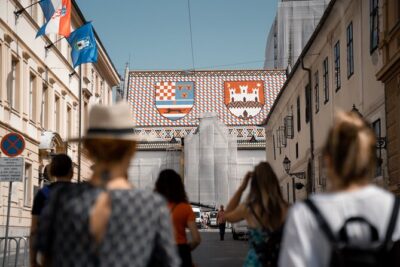
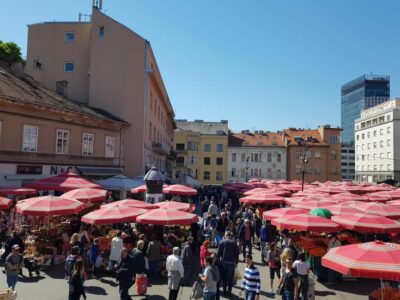
Zagreb: Small Group Walking Tour City Center and WW2 Tunnels
Read our review →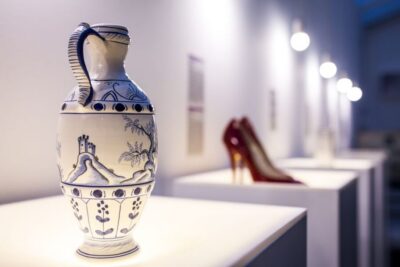
Zagreb: Skip-the-Ticket-Line Museum of Broken Relationships
Read our review →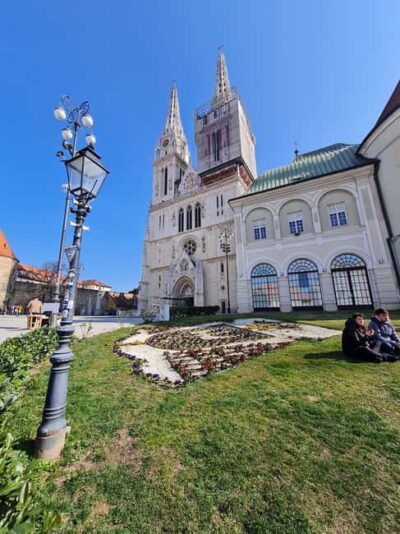
Zagreb: Communism and Croatian Homeland War Tour
Read our review →
Hop On Hop Off Panoramic bus – Zagreb City Tour
Read our review →
Ljubljana and Bled Lake – Small Group – Day Tour from Zagreb
Read our review →
Browse the lists this tour appears in