
Reviewed · WALKING TOURS
Walking tour of Zagreb
Zagreb’s best stories are packed into a compact walk, from the market stalls at Dolac to the cannon tower above Grič. I like the way this tour links the modern city with its medieval Upper Town, and I like that guides such as Robert, Marko, Iva, and Lucia add local advice about food, museums, and sights. The main catch is that the funicular is closed for renovation until March 2026, while the cathedral and other buildings may still show earthquake repairs.
The small-group format, capped at 25 people, gives you a fair chance to ask questions without slowing the whole walk. The pace usually suits a first visit, but you should wear warm clothing and comfortable shoes, since the tour lasts about two and a half hours and includes hills, cobblestones, and stairs.
Key points before you book
- Zagreb in one well-planned walk: Cover the Lower Town, central square, market, Grič Tunnel, Upper Town, and Tkalčićeva Street in about two to three hours.
- A guide who adds context: Expect history, folklore, present-day Zagreb, politics, military events, and practical restaurant suggestions.
- A useful first-day tour: The route gives you a clear map of central Zagreb before you explore museums and side streets on your own.
- Funicular plans need checking: The railway ticket is included if operating, but the funicular is closed for renovation until March 2026.
- Some sights are exterior visits: Earthquake repairs can limit access to the cathedral and affect photographs.
- Good value at $24.20: For a licensed guide and a focused introduction to Zagreb, the price is modest, especially if you use the advice for the rest of your stay.
Starting beneath the trees at Zrinjevac Park
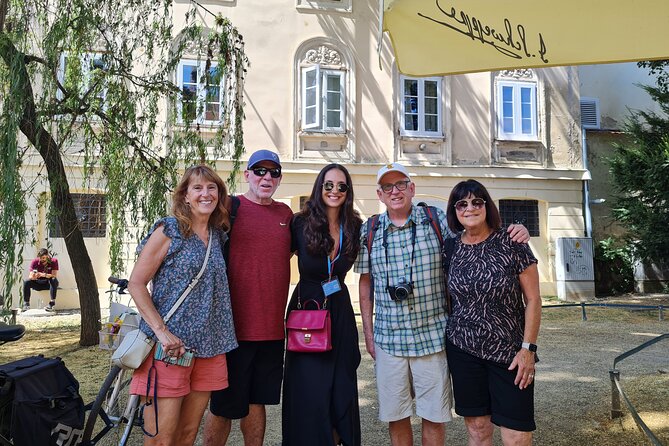
The tour begins at Zrinjevac 2, in the long, leafy park at the heart of Zagreb’s Lower Town. The park gives the opening a pleasant feel. Instead of starting beside a busy road or in front of a ticket booth, you get a quick orientation among paths, lawns, and historic city buildings.
Plan to meet near the clock in the park. This matters because map apps can place the meeting point imprecisely. Allow a few extra minutes, especially if you are coming from another part of central Zagreb.
The guide uses the first stop to introduce the city and share stories about local life. You are not simply being pointed toward landmarks. The goal is to help you understand how Zagreb works, which is useful if this is your first morning in town.
More Walking Tours in Zagreb
- Zagreb: Small Group Walking Tour City Center and WW2 Tunnels
★ 4.9 · 895 reviews - Zagreb: City and WWII Tunnels Walking Tour
★ 4.9 · 845 reviews - Zagreb Small Group Guided Walking Tour with WW2 Tunnels
★ 5.0 · 380 reviews
Bogovićeva Street and Zagreb’s café life
From Zrinjevac, the walk heads to Bogovićeva ulica, a central street lined with bars and restaurants. This is a short stop, but it helps you see Zagreb as a living city rather than a collection of old monuments.
A good guide can explain how the central streets fit together and point out places worth returning to later. The tour does not turn into a food walk, but restaurant recommendations are one of its practical benefits. Guides including Robert and Marko have been praised for offering useful suggestions for meals and nearby sights after the tour ends.
I would book this experience early in your stay if you want that kind of help. You can still ask about museums, neighborhoods, and ways to use your remaining time in Zagreb.
Ban Josip Jelačić Square, the city’s front room
The route continues to Ban Josip Jelačić Square, Zagreb’s main meeting place. The statue of Ban Josip Jelačić gives the square its name, while the open space acts as a useful reference point for getting around.
This is where the Lower Town and Upper Town begin to feel connected. The guide can place Zagreb’s central streets, public buildings, markets, and historic hills into one picture. That explanation is more useful than a quick photograph and a date, since you will likely pass through this square several times during your stay.
The tour ends here too, close to the starting point. That makes the route easy to fit into a day of sightseeing. You can stop for lunch, return to your hotel, or continue toward other central attractions without arranging another ride.
Zagreb Cathedral and the limits of a historic landmark
Zagreb Cathedral is one of the city’s major landmarks, with its tall Gothic form visible from several parts of the center. The tour allows about 20 minutes here, giving the guide time to explain its place in Zagreb’s history and point out important exterior details.
You should set your expectations carefully. Earthquake damage and renovation work have affected access and photographs. Depending on the date, you may not be able to enter, and construction materials may interfere with the view.
That does not make the stop pointless. A guide can still explain why the cathedral matters and how it fits into the city’s story. Still, if entering the building is a priority, confirm the current situation separately before booking.
Same stretch of coast, a completely different kind of day:
- Communism & Croatian Homeland War Tour
★ 5.0 · 1,355 reviews - Best of Zagreb with the WW2 Tunnels
★ 5.0 · 973 reviews - Zagreb: Skip-the-Ticket-Line Museum of Broken Relationships
★ 4.5 · 847 reviews - Zagreb: Communism and Croatian Homeland War Tour
★ 4.9 · 779 reviews
Dolac Market, Zagreb’s most sensory stop
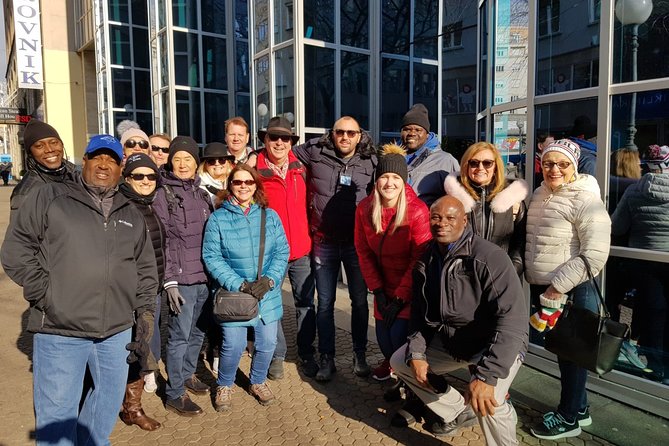
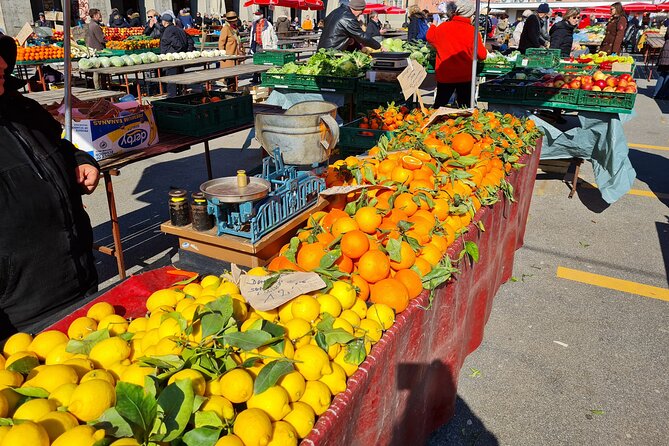
Dolac Market is one of the strongest parts of the walk. Zagreb’s oldest green market brings together produce, local food products, vendors, color, and sound in one compact place.
The guide uses the market to talk about Croatian food and daily habits. This is the sort of stop where you can learn more by looking around than by standing in front of a monument. Notice the practical side of Zagreb: people shopping, meeting, and buying ingredients for home.
The scheduled visit lasts about 15 minutes, so it is an introduction rather than a full market tour. If you enjoy the atmosphere, return later with time to browse. I would also remember the market as a useful place to reconnect with the city after a morning of museums.
Through the Grič Tunnel
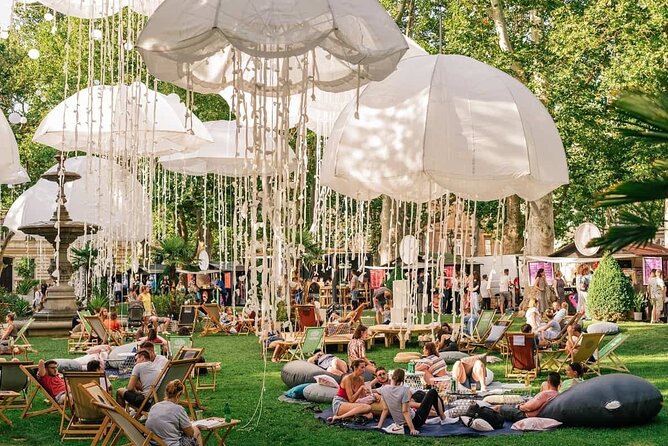
The Grič Tunnel leads under Grič Hill and was built for military use during the Second World War. Today, it offers a shortcut through the center and a change of scene from open squares and busy streets.
At roughly 10 minutes, the tunnel stop is brief but memorable. It also gives the walking route some variety. You move from food stalls and city squares into a cool underground passage before climbing toward the medieval Upper Town.
The tunnel may not operate on every date. That is worth checking if it is one of the features that interests you most. One guide, Lucia, has been especially praised for making the tunnel a highlight, but the exact experience depends on access when you visit.
The funicular question before March 2026
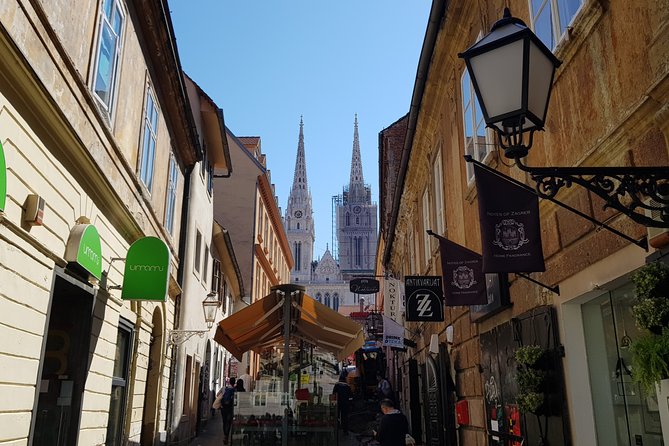
The historic Zagreb Funicular Railway is meant to carry you up toward the Upper Town. The ride takes about five minutes and is described as the shortest funicular ride in the world.
The ticket is included if the railway is operating. However, the funicular is closed for renovation until March 2026, so you should not book this tour expecting a guaranteed ride before then. The route can still continue to the Upper Town, but the transport portion will not be available during the closure.
This is the clearest current limitation of the experience. The tour remains useful without the funicular, but the railway is one of its more distinctive details. If you are booking for a date before March 2026, treat the funicular as unavailable rather than as a promised part of the walk.
Lotrščak Tower and the Grič cannon
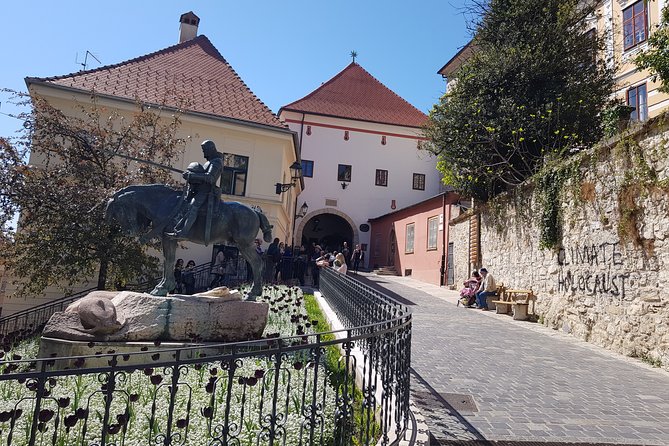
At the top of the hill, the route reaches Lotrščak Tower, a historic guard tower associated with Zagreb’s famous Grič cannon. The scheduled stop is short, about five minutes, but the tower helps explain how the Upper Town was defended.
The cannon is also tied to one of Zagreb’s best-known daily traditions. Guides may explain the noon firing and the role it plays in the city’s identity. You will not have a long interior visit here, so think of this stop as a compact piece of local history rather than a museum tour.
The tower also marks a shift in the walk. From here, the emphasis moves toward medieval streets, views, churches, and the political heart of Croatia.
Upper Town Gornji Grad, where the tour slows down
The Upper Town receives about 50 minutes, the longest stop on the route. That extra time is important. Gornji Grad is not best understood while rushing from one photograph to the next.
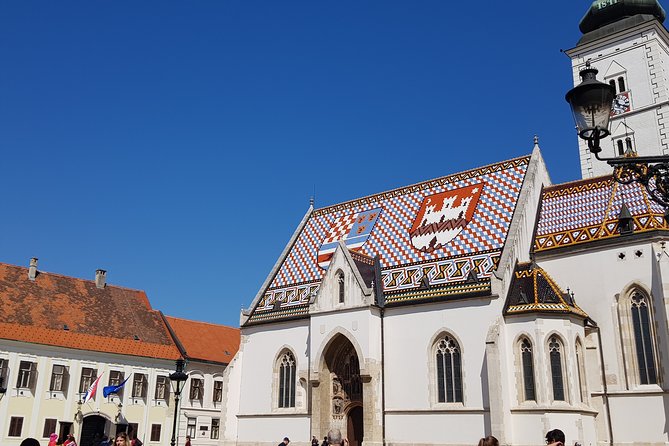
You will see St. Mark’s Church, the Croatian Government Building, the Croatian Parliament, and the Museum of Broken Relationships from the outside or nearby, depending on the exact route and access. The colorful tiled roof of St. Mark’s Church is one of the area’s most recognizable sights.
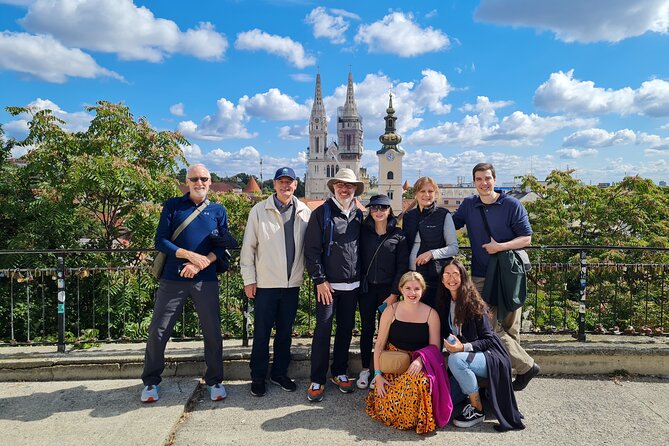
This is also where you get panoramic views over Zagreb. Bring a camera, but leave room to listen. The guide’s stories about politics, military events, folklore, and everyday life help explain why the Upper Town feels different from the orderly streets of the Lower Town.
The walking surface can be uneven, and the hill adds effort. Most people can take part, but this is not a flat, effortless stroll. Comfortable shoes are a sensible choice, and warm layers matter in cooler weather.
Stone Gate, or Petrini Pyli, and the medieval city
The itinerary calls this stop Petrini Pyli, the medieval city gate. Walking through the gate gives you a direct link to old Zagreb’s defensive past.
The stop takes about five minutes, so the guide will focus on the main story rather than a long examination of every architectural detail. The value is in seeing how the Upper Town’s narrow lanes, gates, and hilltop position once worked together.
This part of the walk rewards attention to small details. Look beyond the major church and government buildings. The charm of Gornji Grad comes from the way ordinary streets, old walls, and important institutions sit close together.
Down to Tkalčićeva Street
The route descends to Tkalčićeva Street, Zagreb’s best-known pedestrian zone. Bars and restaurants line the street, and it is a natural place to continue your evening after the tour.
This final stretch gives you a clear contrast with the quiet lanes of the Upper Town. Tkalčićeva is social, easygoing, and centered on eating and drinking. The guide can help you understand where the street fits in the city and may offer suggestions for returning later.
The tour then finishes at the Ban Josip Jelačić statue on the main square. Because the end point is close to the start, you are left in a convenient part of central Zagreb rather than at an unfamiliar edge of town.
What the guide adds to the $24.20 price
At $24.20 per person, this tour offers solid value if you want a quick introduction instead of piecing together Zagreb on your own. The price covers a licensed English-speaking guide, the walking route, and the funicular ticket when the railway operates.
The real value lies in the explanation. A map can show you the cathedral, market, tunnel, and Upper Town, but it cannot easily connect them to Croatian history, current life, folklore, and local politics. Guides such as Robert, Marko, Marco, Iva, Ivy, and Lucia have been praised for clear explanations, humor, and willingness to answer questions.
The group can include up to 25 people, so do not expect a private tour. The smaller format is still more manageable than a large coach group, and it leaves more room for questions. If you have hearing concerns, one useful detail is that a guide has been praised for speaking loudly and clearly for older participants.
The route lasts about two to three hours, usually around two and a half. That is long enough to cover the major center without taking over your whole day. It is also short enough to pair with a museum visit or a meal afterward.
When this Zagreb walk works best
I would choose this tour near the start of a Zagreb visit. It gives you a working map of the center, introduces the key sights, and helps you decide where to spend more time later.
It suits you if you:
- Want a broad first look at Zagreb rather than a single museum or monument
- Prefer learning through stories and conversation
- Like a relaxed pace with time for questions
- Want practical suggestions for food, museums, and nearby sights
- Can manage a two-and-a-half-hour walk over uneven streets and a hill
You may want a different experience if you need extensive interior visits. The cathedral may be closed or partly blocked by renovation work, the funicular is unavailable until March 2026, and the Grič Tunnel may not operate on certain dates.
The tour requires decent weather. If poor weather forces cancellation, you can choose another date or receive a full refund. For your own booking, cancellation at least 24 hours before the start time qualifies for a full refund. Cancellations or changes inside that window are not refunded or accepted.
Should you book this Zagreb walking tour?
I would book it if you want an efficient, friendly introduction to Zagreb with a guide who can explain both the old city and modern Croatian life. The route covers the sights most first-time visitors want, but it also includes useful places such as Dolac Market, Grič Tunnel, and Tkalčićeva Street.
The strongest reasons to choose it are the good pacing, the central route, the modest price, and the guides’ mix of history, humor, folklore, and practical advice. Book it early in your stay so restaurant tips and museum suggestions can shape the rest of your visit.
Before booking, check your date against the funicular renovation schedule and accept that earthquake repairs may limit cathedral access. With those conditions in mind, this is a sensible, well-priced way to get your bearings in Zagreb.
FAQ
Where does the walking tour of Zagreb start?
The tour starts at Zrinjevac 2, 10000 Zagreb, Croatia. The meeting point is in Zrinjevac Park, near the clock.
Where does the tour finish?
The tour ends at the Ban Josip Jelačić statue on Zagreb’s main square. The final location is close to the starting point.
How long does the Zagreb walking tour last?
The tour lasts approximately two to three hours. The scheduled route takes about two and a half hours.
Is the funicular ride included?
The funicular ticket is included if the railway is operating. The funicular is closed for renovation until March 2026, so the ride is not available during that period.
Will the tour enter Zagreb Cathedral?
Access may be limited because of earthquake renovation work. You may not be able to enter the cathedral or take unobstructed photographs.
Can the Grič Tunnel be visited on every tour?
The WWII tunnel may not operate on certain dates. If it is closed, that part of the planned experience will not be available.
What is the cancellation policy?
You can cancel at least 24 hours before the start time for a full refund. Cancellations or changes made less than 24 hours before the start time are not refunded. If poor weather cancels the tour, you can receive a full refund or choose another date.
Just added around Zagreb
- Toast to the Morning After: Zagreb Museum of Hangovers Visit★ 4.0 · 39 reviews
- Private Walking Tour of Zagreb★ 4.9 · 5 reviews
- Jump into Zagreb: Walking Tour with local guide★ 4.8 · 3 reviews
- From Zagreb:Discover North Croatia, Museums, Castle and City★ 5.0 · 26 reviews
- From Zagreb: Varazdin Baroque Town & Trakoscan Castle★ 4.9 · 38 reviews
- From Zagreb: Prehistoric and Medieval Croatia Tour★ 4.9 · 3 reviews
- From Zagreb: Mrežnica kayaking & Rastoke village – day trip★ 4.9 · 27 reviews
- Exclusive old Zagreb walking tour★ 4.4 · 32 reviews
Walking Tours, compared.
Split: Old Town and Diocletian Palace Walking Tour
Read our review →
Walking Tour of Split and Diocletian’s Palace
Read our review →
Krka Waterfalls tour with Trogir Walking tour and Krka panoramic boat cruise
Read our review →
Dubrovnik: City Walls Early Morning or Sunset Walking Tour
Read our review →Browse the lists this tour appears in