
Reviewed · HISTORICAL TOURS
Experience Split History Walking Tour With Local Historian
Diocletian’s Palace is not a museum behind a fence. It is the working heart of Split, with homes, cafés, churches, shops, lanes, and ancient stone all sharing the same space. This two-hour walk helps you read that crowded history, from the Roman emperor’s retirement palace to the modern pomalo way of life.
I like the small maximum of 12 people, which should make it easier to hear and ask questions. I also like the way the guide uses 3D reconstructions and pictures to show how damaged or altered buildings once looked. The main consideration is practical: the route uses uneven historic streets and is not suitable for wheelchair users or people with mobility impairments.
Key points to know before you book
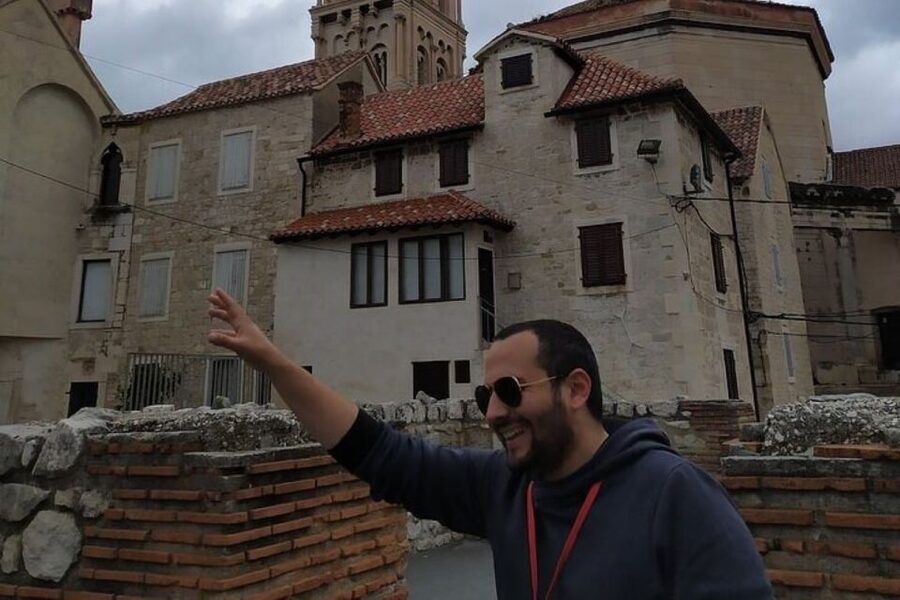
- A historian leads the walk: Boris has guided this experience, bringing a master’s degree in history and a strong command of Split’s past.
- The route covers Roman and medieval Split: You visit Diocletian’s Palace, Peristil, Jupiter’s Temple, the cathedral, the cellars, Riva, Fruit Square, and People’s Square.
- The group is capped at 12: That is a useful size for a walking tour in narrow palace lanes.
- Expect local life, not just monuments: The guide explains everyday customs, religion, food, community life, and the easygoing pomalo attitude.
- Look for the less obvious sights: The walk includes a narrow church, a narrow street, a lost sphinx head, and a small secret garden.
- The price is $37 per person: For two hours with a professional historian and visual aids, that is fair value if you want context rather than a quick photo walk.
Why this is a smart first look at Split

Split can feel confusing at first. Roman walls run into medieval houses. Laundry hangs above stones that once belonged to an imperial residence. A cathedral occupies what began as an emperor’s mausoleum. Without some explanation, you may see attractive old buildings but miss the remarkable way the city grew inside them.
This walk gives you a framework. You enter through the Golden Gate, follow the main palace spaces, reach the waterfront, and then move into the medieval squares. That route makes the city’s changes easier to follow. You see how an imperial complex became a lived-in town and how old buildings still shape daily life.
The guide also brings local subjects into the tour. You hear about Croatian culture, religion, community, food, and the local pomalo attitude, a relaxed approach to life that you can notice during your stay. This is useful because Split is not only a collection of Roman remains. It is a city where people live among those remains every day.
Boris has led the tour described here, and his background in history suits the subject. The strongest praise focuses on his clear explanations, patience with questions, and practical suggestions, including food and ice cream stops. One particularly useful tip was to return afterward for a closer look at the palace substructure, the cathedral, and a recommended ice cream stop.
More Historical Tours in Split
- Walking Tour of Split with a ‘Magister’ of History
★ 5.0 · 1,122 reviews - Split Walking Tour with Professor of History
★ 5.0 · 926 reviews - Split: History and Heritage Walking Tour
★ 4.9 · 650 reviews
Starting at the Golden Gate with Gregory of Nin
Meet at the Golden Gate, the northern entrance to Diocletian’s Palace. It is opposite the large statue of Gregory of Nin, so the meeting place is easy to identify if you use both landmarks together.
The gate is more than a convenient starting point. Your guide explains its name, purpose, and importance before you pass through it. The entrance sets up the central idea of the tour: this was built for an emperor, but it later became part of an ordinary city.
The nearby Gregory of Nin statue adds another layer. You learn who he was and why the monument matters in Split. The guide uses this opening for an introduction to Croatia, Split, and the area around the palace. Allow a little time to find the meeting point, especially if you are arriving through the dense streets around the old center.
Inside Diocletian’s Palace and across Peristil
Once inside, the tour moves through the palace’s main spaces. You learn about Emperor Diocletian, his life inside and outside the palace, and the reasons this coastal site became his retirement residence.
Peristil is the visual center of the visit. This large ceremonial square is surrounded by monumental Roman stone, and it gives you a clear sense of the palace’s original ambition. Your guide explains how the space worked and points out details that are easy to overlook when you are concentrating on taking pictures.
I like this part because Peristil is not presented as a frozen ruin. People still pass through it, gather nearby, and use the surrounding buildings. The result is a live historical monument rather than an isolated archaeological site.
The tour also includes the Cathedral of Saint Domnius, originally connected to Diocletian’s mausoleum. That change from imperial tomb to Christian cathedral is one of the clearest examples of Split’s layered past. You can hear how different periods reused the same buildings instead of replacing everything from scratch.
The exact interior access to every monument is not specified, so you should think of this as a guided look at the palace complex and its major sights, not a full visit to every paid interior. The experience includes skipping the ticket line, but food, drinks, and hotel transport are not included.
Jupiter’s Temple, the Vestibule, and smaller details
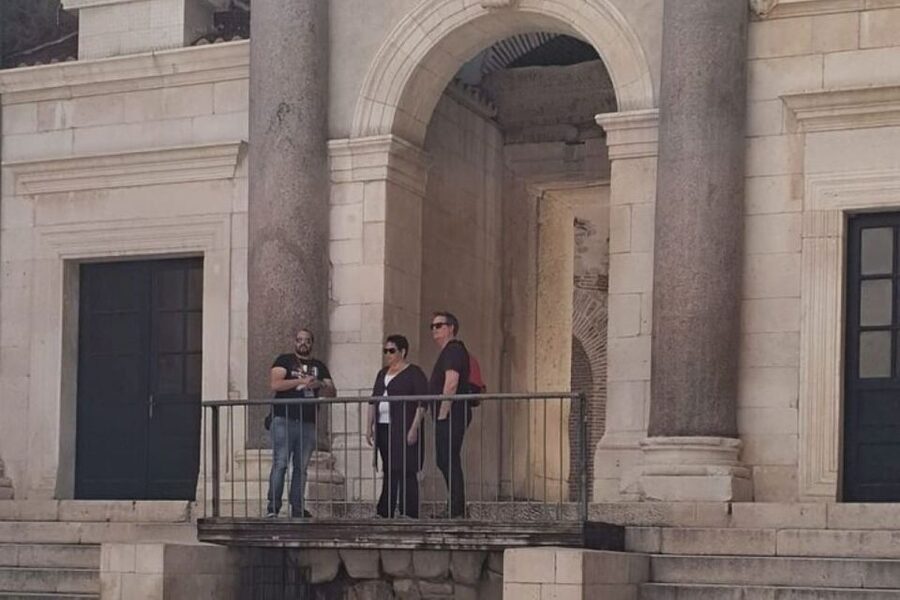
Jupiter’s Temple is another important stop. Here, the guide explains the role of the temple and the way Roman religious buildings fit into the palace plan. The subject becomes easier to grasp when you move from the wide ceremonial square into more enclosed spaces.
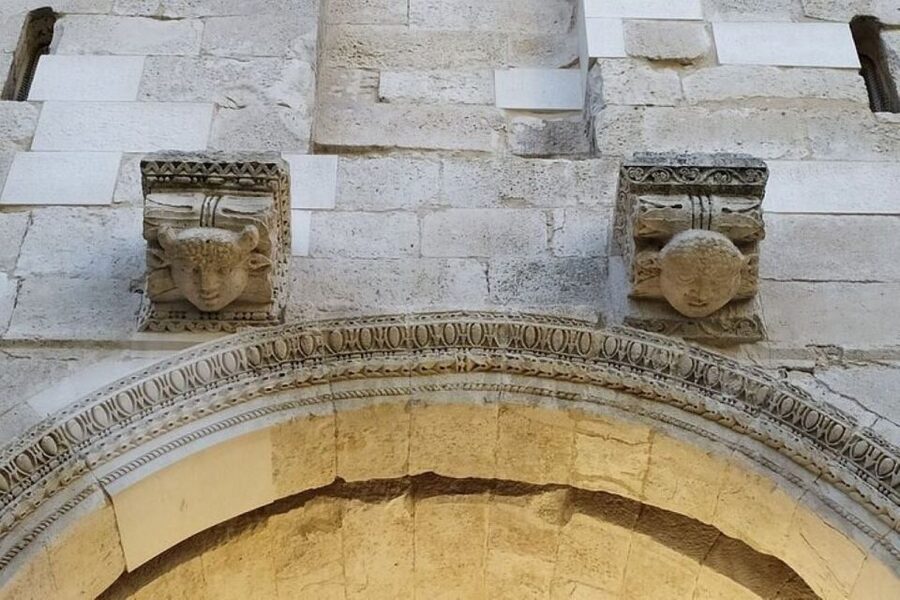
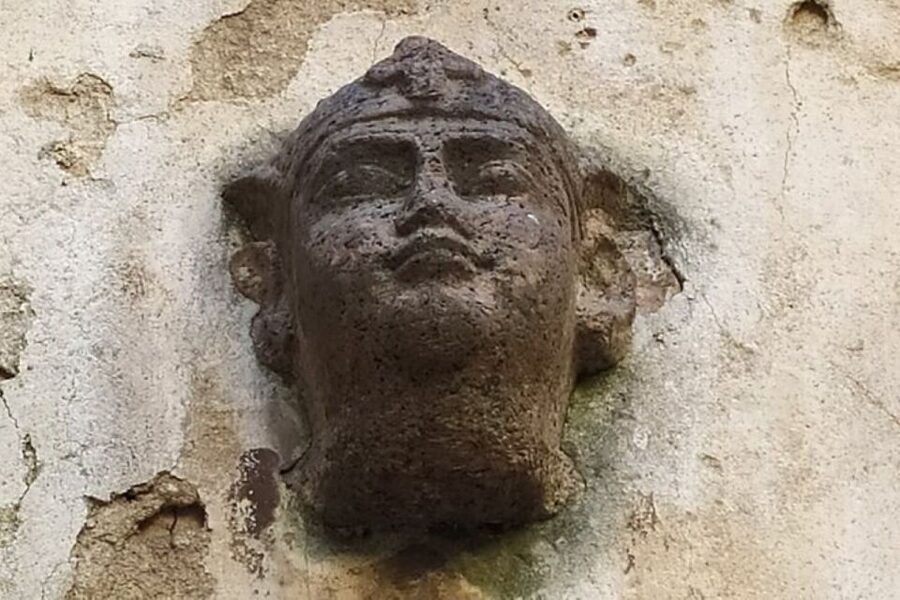
The Vestibule has a different feel. Its round form and unusual acoustics make it one of the palace’s memorable spaces. The guide uses facts, stories, and legends to give the architecture a human touch. The tour description also promises a few intriguing details, including a narrow church, a narrow street, a lost sphinx head, and a small garden tucked away from the main flow.
These brief stops matter because they prevent the walk from becoming a march between famous monuments. You get a sense of how much of Split’s interest is found in corners and connections. At the same time, the advertised stop for one especially small detail lasts only a couple of minutes, so do not expect a long exploration of each minor site.
The 3D reconstruction images and picture book are helpful here. Ancient stone can be hard to interpret when walls are incomplete or altered. Seeing a visual suggestion of the original palace helps you connect the remains with their first purpose.
More Walking Tours in Split
- Split: Old Town and Diocletian Palace Walking Tour
★ 4.9 · 4,727 reviews - Walking Tour of Split and Diocletian’s Palace
★ 5.0 · 2,588 reviews - Split & Diocletian’s Palace Walking Tour
★ 5.0 · 1,125 reviews - Split: Diocletian Palace & Old Town Guided Walking Tour
★ 4.7 · 882 reviews
The cellars reveal the palace plan
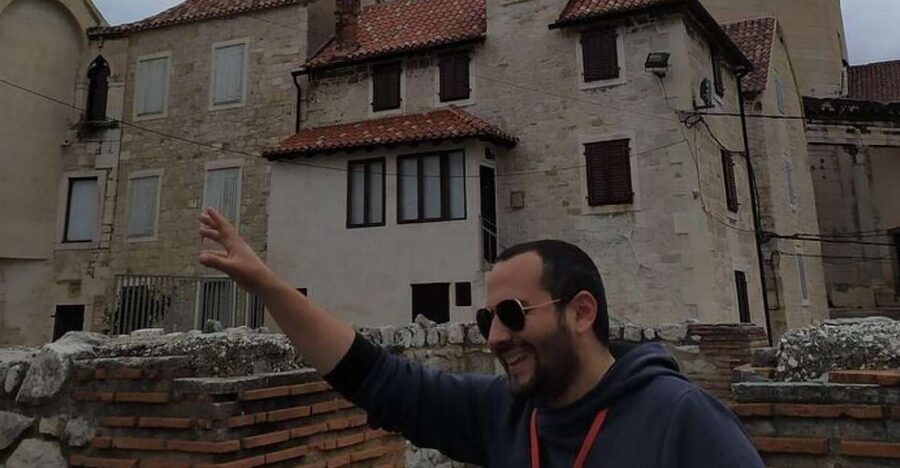
Diocletian’s Cellars, also called the central substructures, help explain the layout above ground. The lower rooms preserve the shape of important palace areas and show how the building was supported and organized.
For me, this is one of the most useful parts of any Split orientation. The upper palace has been changed by centuries of building, but the cellars can make the original plan easier to picture. The guide explains how these spaces relate to the rest of the complex and points out why archaeologists continue to study and present them to the public.
The cellar visit is listed as part of the route, but the supplied information does not specify whether a separate admission fee is required for every interior area. If you plan to return for a longer visit, ask the guide which parts deserve extra time and which tickets you should buy later.
Riva connects Roman Split with modern life
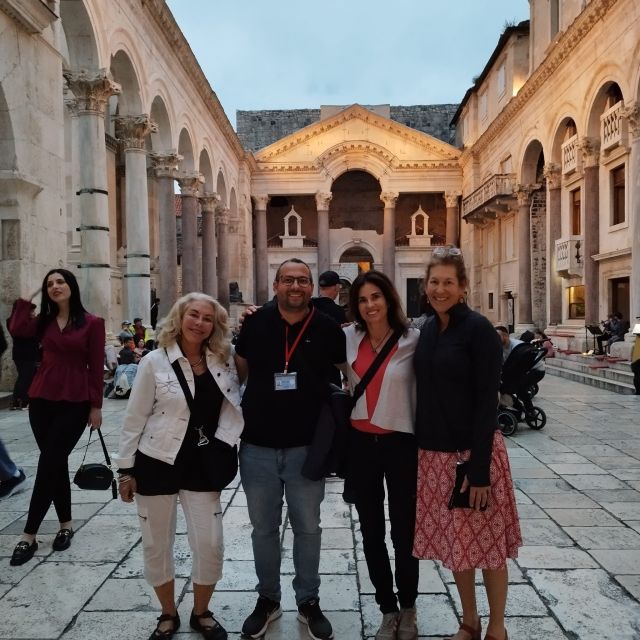
After the palace, the route reaches Riva, Split’s waterfront promenade. This is where the guide links the Roman and medieval periods to the city you see today.
Riva is not treated only as a scenic pause. It helps you understand how Split faces outward toward the sea and how public life extends beyond the old palace walls. The guide also explains local habits and the pomalo approach, giving you a little social context for the cafés, walks, and slow pace you may notice during your stay.
This part of the walk is short, so it is more of an orientation than a full waterfront visit. Still, the change from enclosed Roman streets to open promenade gives the tour a welcome shift in mood. It also helps you decide where to return later.
Fruit Square and People’s Square
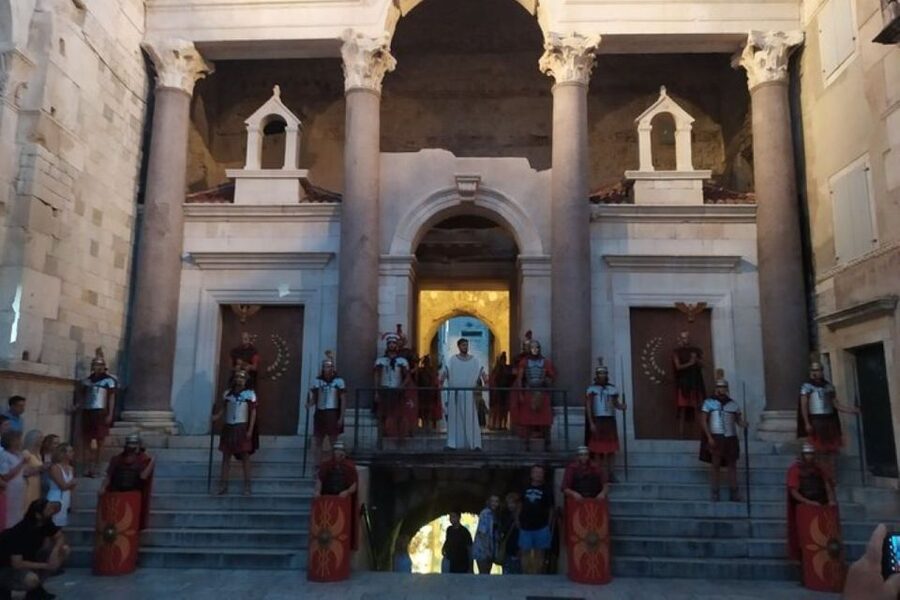
The final part moves into two medieval squares. Fruit Square has a name connected to the fruit sellers who once used it, while its buildings and shape reveal how the medieval town developed around and beyond the Roman palace.
People’s Square offers another view of Split’s later history. Here, the guide discusses architecture, events, and changes that took place over the centuries. These squares help correct a common misunderstanding: Split is not only Roman. Its medieval and modern chapters are just as important to understanding the city’s present character.
The tour finishes at Narodni trg, or People’s Square. That is a practical ending because you are already in the central old town, close to places where you can continue exploring on foot. The guide can also point out areas worth revisiting and offer food suggestions. Since the tour does not include food or drinks, plan to use the ending as a chance to choose your own café or meal.
How much value do you get for $37?
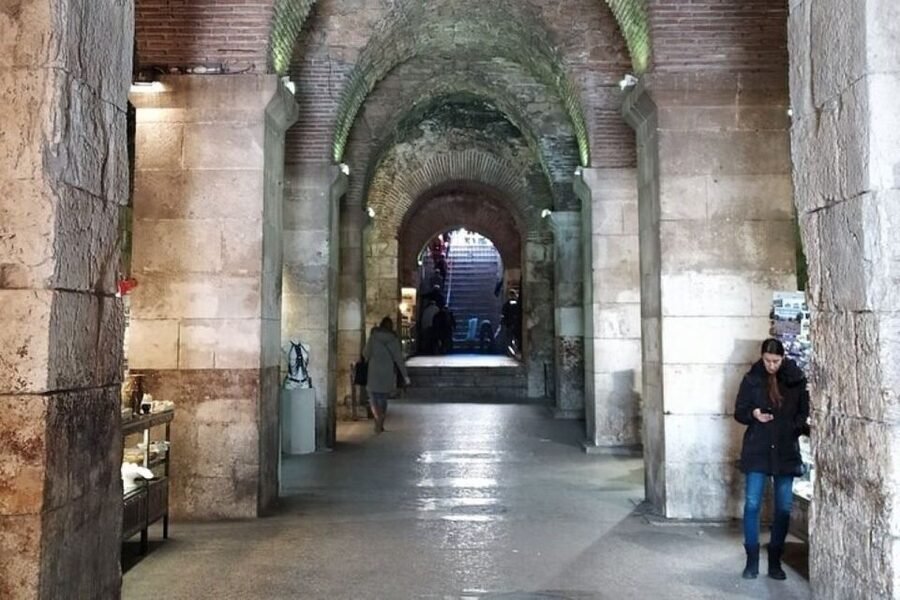
At $37 per person, this is not the cheapest way to walk around Split, but it offers more than a basic orientation. You get two hours with a licensed local guide and professional historian, a group capped at 12, visual reconstruction material, and a route that covers the city’s Roman, medieval, and modern sides.
The value is strongest if you are visiting Split for the first time. A good guide can save you from wandering past the palace’s important details without understanding them. The explanations about Diocletian, the cathedral, the palace adaptations, and local life give you a useful base for independent exploring afterward.
The value is less clear if you have already spent several days studying the palace or plan to buy separate guided visits to every major interior. The route is broad rather than slow and scholarly. You see many places in two hours, but several stops are brief.
The small group helps justify the cost. Five people have sometimes made the experience feel almost private, while the maximum of 12 keeps it personal without charging private-tour prices. If Boris is leading your departure, his history training and willingness to answer questions are meaningful advantages.
Timing, comfort, and who should book
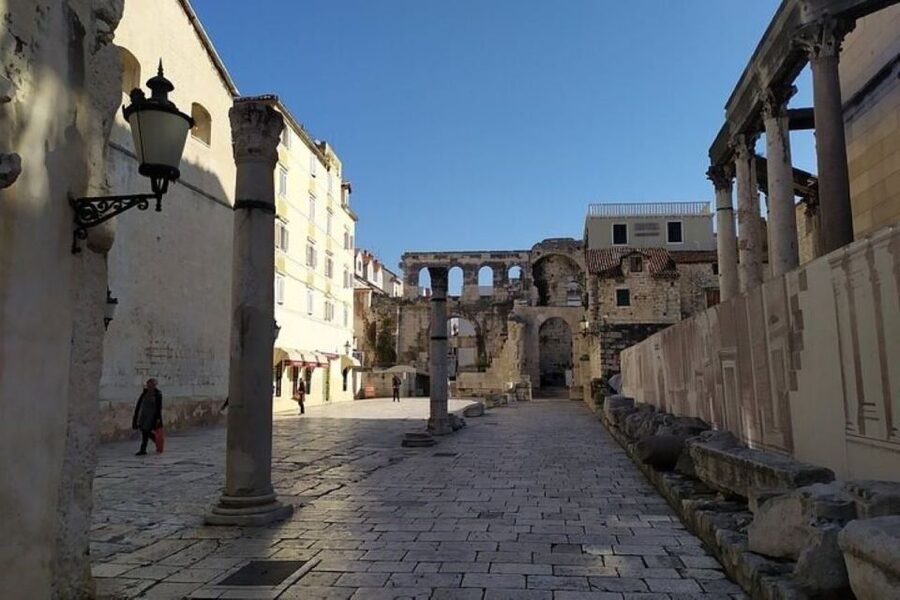
The walk lasts two hours and is offered in English or Croatian. Wear comfortable shoes. Split’s old center has stone paving, narrow passages, and historic surfaces that can be tiring in poor footwear. On sunny days, carry water and wear a hat or cap.
The route is not suitable for wheelchair users or people with mobility impairments. The supplied information does not give a detailed accessibility breakdown, so anyone with limited walking ability should ask before booking.
This tour fits you best if you:
- Want a clear introduction to Diocletian’s Palace before exploring alone.
- Prefer a historian who can answer questions rather than a short audio-style explanation.
- Like a mix of major sights, local customs, stories, and unusual details.
- Have only a short time in Split and want to cover several historic areas.
- Appreciate practical suggestions for food and places to revisit.
You may prefer a longer specialist visit if your main goal is detailed archaeology, extended cathedral access, or a slow examination of every palace room. This is a lively city walk, not a full-day research tour.
Should you book the Split history walk?
I would book it for a first day in Split, especially if you want the city to make sense before you explore it on your own. The route covers the essential palace spaces, then adds the medieval squares and local context that many quick tours leave out.
The best reasons to choose it are the small group, the historian’s background, the 3D visual aids, and the attention to ordinary life. You will also get useful ideas for what to revisit, from the palace cellars and cathedral to a good ice cream stop.
Skip it if uneven walking is a problem or if you want extended access to every monument interior. For most first-time visitors who value context, questions, and a practical introduction, $37 is a reasonable price for two focused hours in the heart of Split.
FAQ
How long does the Split history walking tour last?
The tour lasts two hours.
Where does the tour begin?
It begins at the Golden Gate, the northern gate of Diocletian’s Palace, opposite the eight-meter statue of Gregory of Nin.
Where does the tour finish?
The tour finishes at Narodni trg, also known as People’s Square.
Who guides the experience?
A local licensed professional guide with a master’s degree in history leads the experience. Boris is the guide named in the supplied tour information and reviews.
What languages are available?
The tour is available in English and Croatian.
What sights are included?
The route includes the Golden Gate, Gregory of Nin, Diocletian’s Palace, Peristil, Jupiter’s Temple, the Cathedral of Saint Domnius, the Vestibule, Diocletian’s Cellars, Riva, Fruit Square, and People’s Square. It also includes several short stops for lesser-known details.
Is the tour suitable for wheelchair users?
No. The experience is not suitable for wheelchair users or people with mobility impairments. Comfortable shoes, water, and a hat or cap on sunny days are recommended.
Just added around Split
- Split Day Trip from Dubrovnik★ 4.0 · 59 reviews
- Dubrovnik to Split Private Transfer with Local Experienced Driver★ 5.0 · 52 reviews
- Private Transfer from Dubrovnik to Split★ 5.0 · 3 reviews
- Private Transfer from Dubrovnik to Split with 2 hours for sightseeing★ 5.0 · 50 reviews
- Private Transfer: Dubrovnik to Split★ 5.0 · 7 reviews
- Dubrovnik to Split Private Transfer with Mostar Town★ 5.0 · 38 reviews
- Private Tour: Split Day Trip from Dubrovnik★ 5.0 · 9 reviews
- Private Day Trip :Dubrovnik- Mostar- Split★ 5.0 · 3 reviews
Historical Tours, compared.


Walking Tour of Split with a ‘Magister’ of History
Read our review →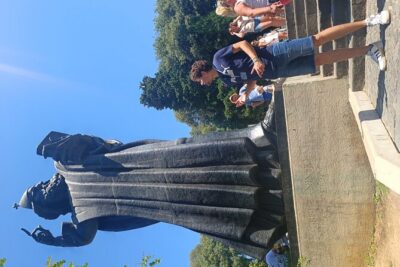


Split History and Gastro Small-Group Tour with Food and Drinks
Read our review →
SPLIT-PREMIUM Emperor’s Walking Tour for History Lovers + Museum
Read our review →Browse the lists this tour appears in