
Reviewed · ZAGREB TOURS
From Zagreb: Yugoslavia Memorial Sites Tour
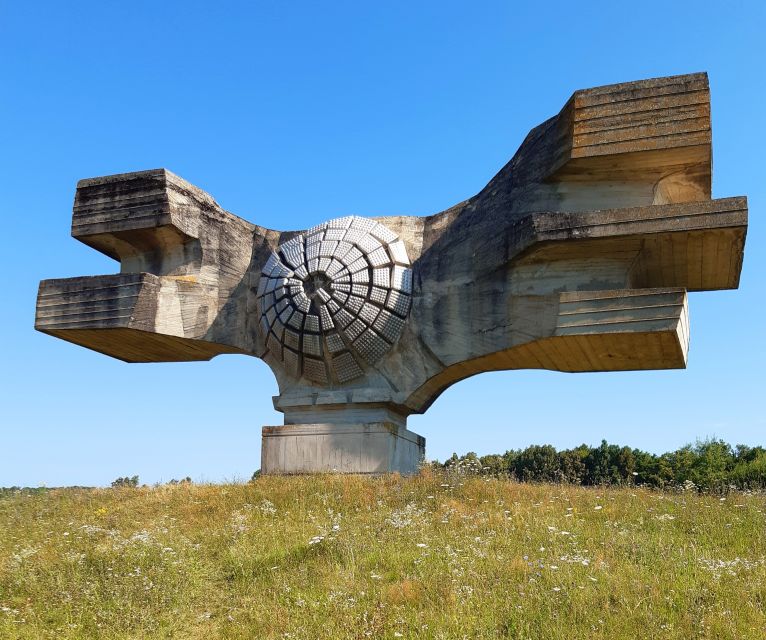
The most striking part of this tour is the contrast between bold Yugoslav memorial art and the quiet rural places where you find it. In one day, you move from Podgarić’s dramatic monument to the Revolution of the People of Moslavina, to the painful memorial at Jasenovac, then into a forest near Sisak for another partisan monument.
I like the private format and the strong mix of art, politics, and local history. I also like that the route leaves Zagreb’s usual sights behind and takes you into less-visited parts of Croatia. The main drawback is the emotional weight of Jasenovac, along with a long day on the road and no lunch included.
Key points to know before booking
- Three very different spomeniks: See memorials from the socialist Yugoslav period, each with its own design and purpose.
- Jasenovac is the emotional center: Visit the Stone Flower Monument and the Jasenovac concentration camp museum.
- Private group up to two people: The $402 price works out to $201 each for two guests, with transport and a guide included.
- A rural Croatia route: Podgarić, Jasenovac, and Brezovica forest offer a side of the country far removed from the coast.
- English-speaking guide and driver: Patrik is named in the guest feedback as a guide who gives broad regional context.
- Bring sturdy closed shoes: Open-toed shoes are not allowed, and the tour runs in all weather.
Why these Yugoslav memorials are worth your day
Croatia is often sold through its Adriatic islands, old stone towns, and sunny beaches. This tour asks you to look inland and backward, toward the former Socialist Federal Republic of Yugoslavia and the memorials built between the 1950s and the 1990s.
These structures are known as spomeniks, a word that simply means monuments. Many were built to remember wartime suffering, resistance, and the partisan movement. Their forms can be abstract, oversized, and unlike the usual statues found in European town squares.
That unusual design is a major reason to take this trip. You are not only looking at historic markers. You are also seeing ambitious public art in forests, fields, and small communities. The settings matter. A monument in an empty woodland feels different from one placed in the center of a city.
I would choose this tour if you enjoy places that make you stop and ask questions. It is not a light sightseeing outing, and it does not try to smooth over the difficult parts of the past. You get art, war history, socialist-era memory, and present-day Croatia in one long route.
A few more Zagreb half-days worth comparing
- Communism & Croatian Homeland War Tour
★ 5.0 · 1,355 reviews - Best of Zagreb with the WW2 Tunnels
★ 5.0 · 973 reviews - Zagreb: Small Group Walking Tour City Center and WW2 Tunnels
★ 4.9 · 895 reviews
Podgarić and the Monument to the Revolution
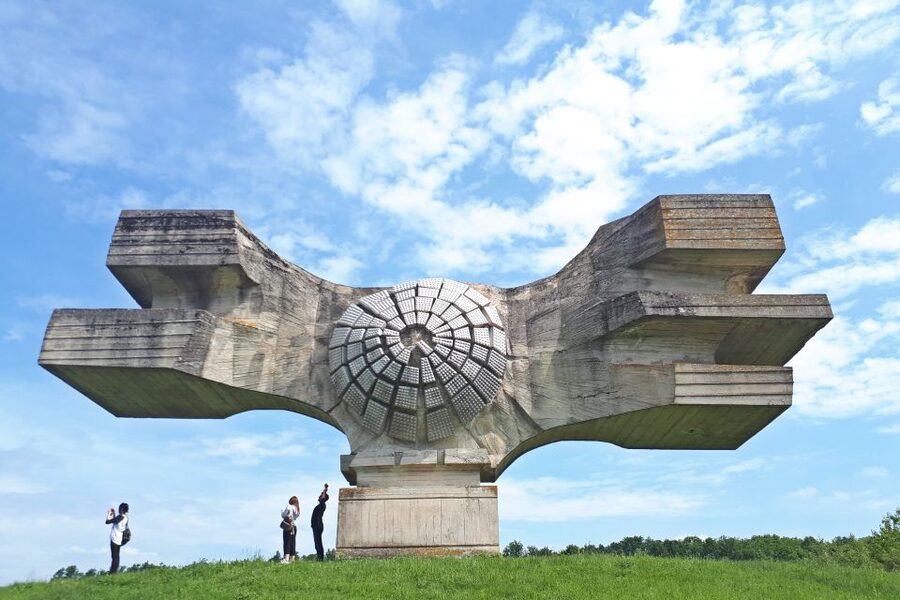
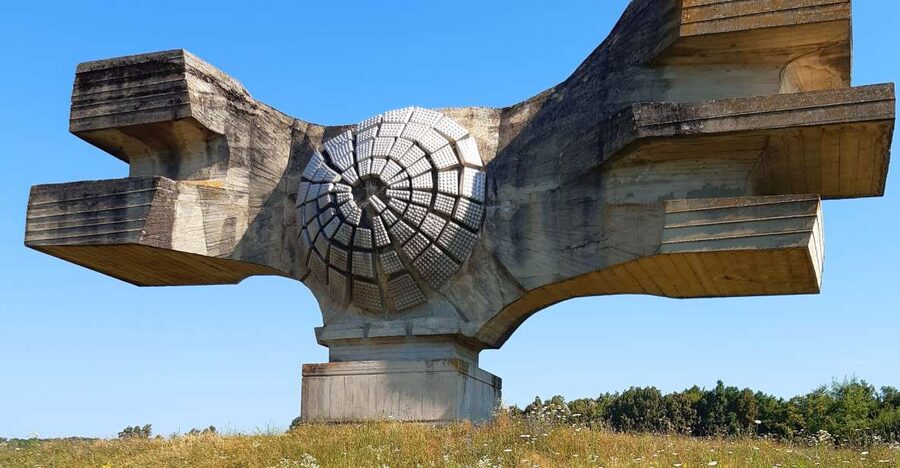
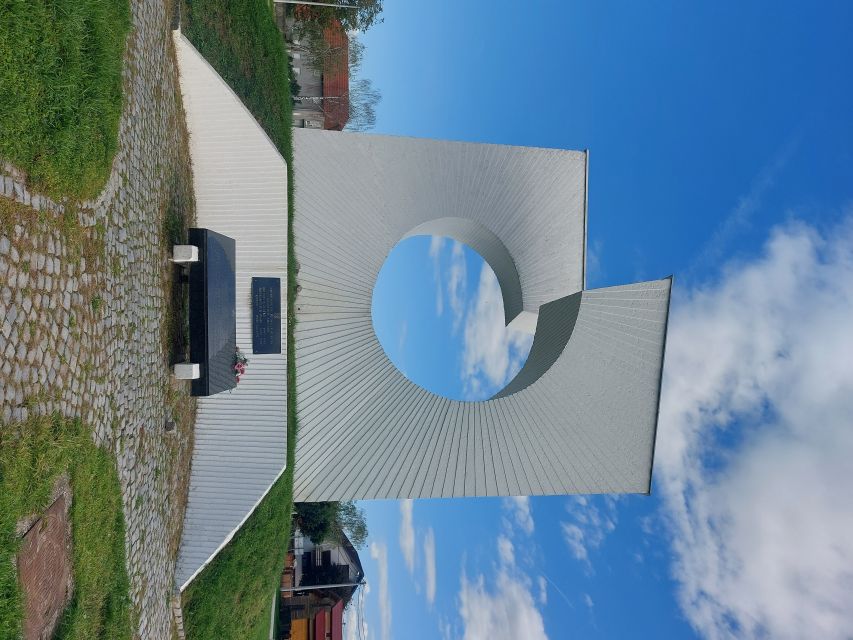
Your first stop is Podgarić, where you visit the Monument to the Revolution of the People of Moslavina. The schedule places this visit around 9:00 in the morning, after pickup in Zagreb.
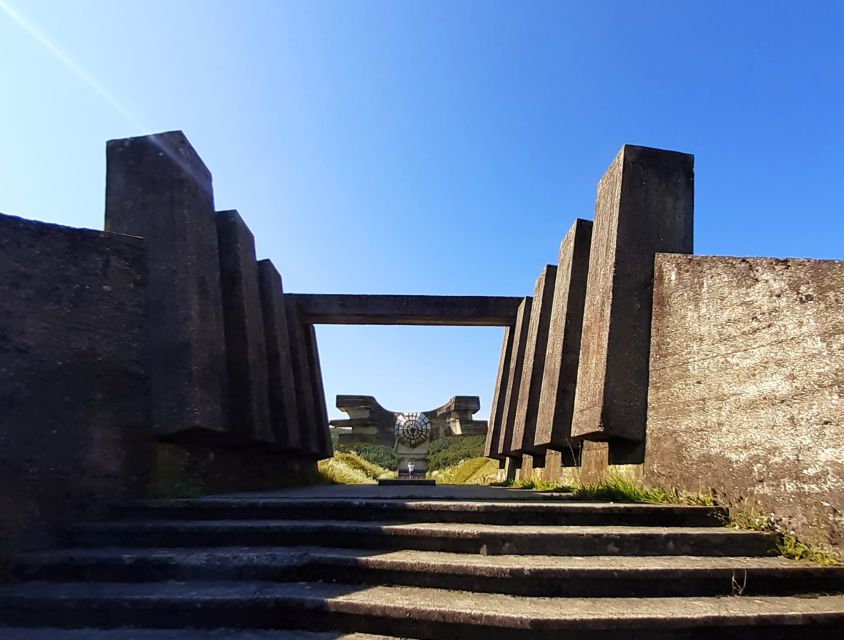
The monument is one of the tour’s most visually dramatic stops. Its large, abstract form reflects the bold style often associated with Yugoslav memorial construction. Rather than presenting a simple figure or plaque, it uses shape and scale to create a strong visual statement.
Your guide is important here. Without context, a modernist monument in a rural setting can seem mysterious or even strange. With an explanation of the war, the partisan movement, and the political culture that created these memorials, the design becomes easier to read.
This is also a good opening stop because it introduces the basic idea of spomeniks before you reach Jasenovac. You begin with questions about memory and public art, then carry those questions into a site connected to mass suffering.
Do not expect a conventional museum visit at every stop. The appeal of Podgarić is the monument itself, the setting, and the story your guide provides. That makes the private format useful. You can ask why the monument was built, how it fits into Yugoslav history, and what happened to these sites after the country broke apart.
Jasenovac and the Stone Flower Monument
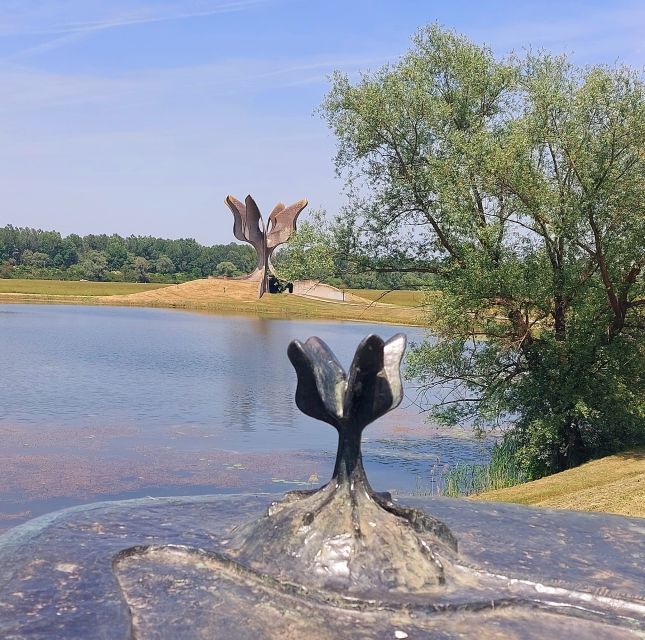
The tour continues to Jasenovac, scheduled for about 10:30. This is the most serious and emotionally difficult part of the day.
Jasenovac was a concentration camp. Here, you visit the Stone Flower Monument and the Jasenovac concentration camp museum. The monument is associated with the victims of fascism, and the museum provides the historical material needed to understand the site.
Give yourself mental space for this stop. The Stone Flower is not simply another example of striking socialist architecture. Its meaning is tied to persecution, imprisonment, and death. The setting and the monument work together to create a quiet memorial experience, while the museum adds names, facts, and historical evidence.
I appreciate that the tour does not treat Jasenovac as a quick photo stop. Including the museum makes the visit more serious and useful. You are given a chance to move beyond the appearance of the monument and learn why this place matters.
At the same time, Jasenovac may not suit every mood or every group. If you want a cheerful day of sightseeing, this is the wrong excursion. The subject is painful, and the experience may stay with you after the tour ends. That is not a flaw in the memorial, but it is something to consider before booking.
The stop also helps explain the wider purpose of Yugoslav memorials. Many were built to remember wartime victims and resistance. They were part of a shared public story, though that story became more contested after Yugoslavia dissolved. A good guide can help you understand the period without turning the visit into a simple political lecture.
Sisak’s Monument of the Detachment in Brezovica forest
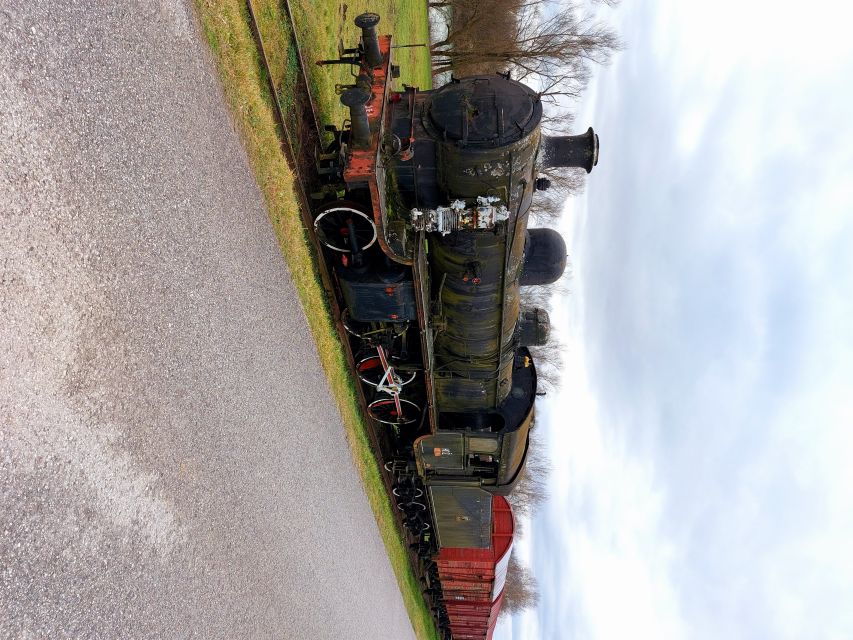
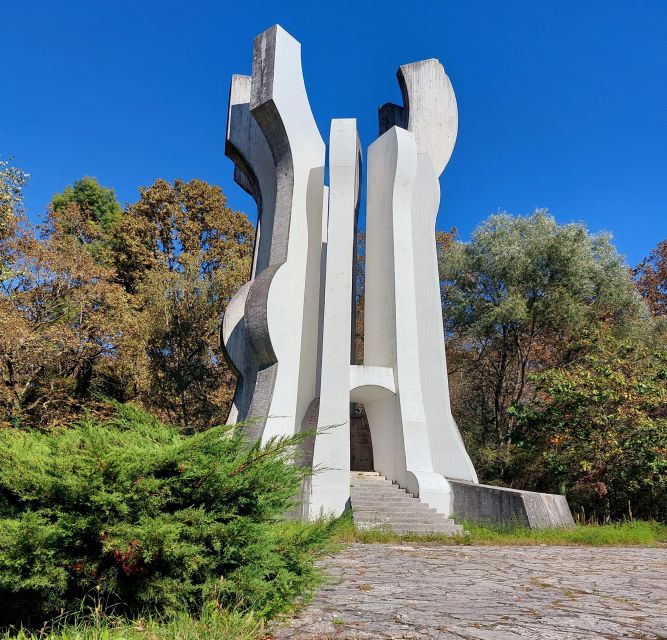
The last stop is near Sisak, at the Monument of the Detachment in Brezovica forest. The schedule places this visit around 12:30.
This monument adds a different setting and mood to the route. Podgarić gives you a large memorial in a rural area. Jasenovac focuses on victims and remembrance. Brezovica forest connects the monument to the partisan story and to the natural setting where that history unfolded.
The forest setting is part of the experience. You are not viewing the monument from a city sidewalk or behind a museum barrier. You walk into the area where the structure was built, with the surroundings helping shape your sense of place.
Flashlights are included for exploration. That detail suggests that parts of the visit may involve darker or less conventional spaces, so closed shoes are especially sensible. The operator specifically does not allow open-toed shoes. You should also expect to be outdoors at points, since the tour runs rain or shine.
This final visit gives the day a useful change of pace after Jasenovac. It returns to the artistic and partisan side of the story, while keeping the focus on how Yugoslavia chose to remember the Second World War.
Same stretch of coast, a completely different kind of day:
- Zagreb: Skip-the-Ticket-Line Museum of Broken Relationships
★ 4.5 · 847 reviews - Zagreb: City and WWII Tunnels Walking Tour
★ 4.9 · 845 reviews - Zagreb: Communism and Croatian Homeland War Tour
★ 4.9 · 779 reviews - Hop On Hop Off Panoramic bus – Zagreb City Tour
★ 3.7 · 769 reviews
A private day from Zagreb, with a long road in the middle
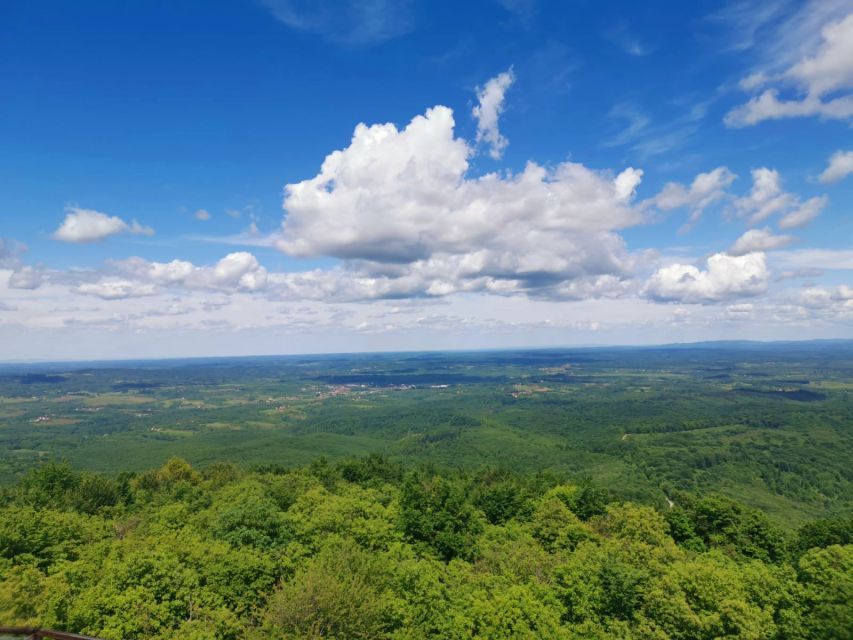
The tour includes pickup and drop-off at an arranged location in Zagreb. The published schedule begins with an 8:00 pickup, reaches Podgarić at 9:00, Jasenovac at 10:30, Sisak at 12:30, and lists drop-off at 15:00. The activity is also sold as a 10-hour experience, so confirm the exact start and return times when you check availability.
The route requires substantial driving. That is not wasted time, since the sites are spread across rural parts of Croatia, but you should be comfortable spending much of the day in a vehicle. The payoff is access to places that are difficult to combine without private transport.
For two people, the $402 group price comes to $201 per person. That is a sizeable cost compared with a standard city walking tour, but the comparison is not quite fair. You are paying for a private group, pickup and return, a local English-speaking guide, transport between three distant sites, the Jasenovac museum visit, and tour organization.
The value is strongest when two people share the booking. A private group lets you keep the day focused on your own questions and pace. It also avoids the problem of trying to reach remote memorials by public transport. If you are traveling alone, the same group price is harder to justify unless this subject is a major priority.
Lunch is not included. The schedule places the visits close together, so plan ahead and ask the operator what food arrangements are practical for your day. Do not assume that a meal stop is built into the route.
What the guide adds to the monuments
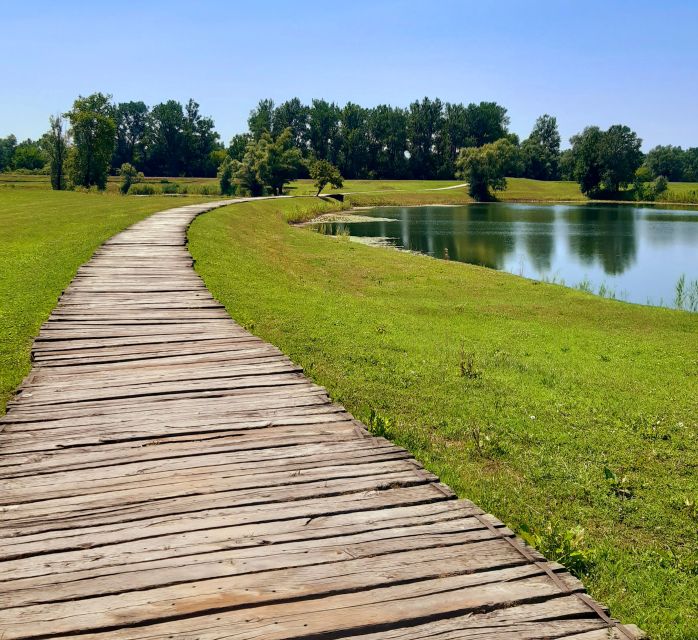
A guide makes a large difference on this trip. The monuments are unusual, and their meaning is not always obvious from their shape. You need dates, names, and political context to understand why these memorials were built and why they were placed where they are.
Patrik is identified as a guide connected with this experience. The strongest praise focuses on his ability to explain the wider history of the region, not just to point out the monuments. That is exactly what you want here. A spomenik is more than a strange concrete form in the countryside. It is part of a story about resistance, socialism, national memory, and the breakup of Yugoslavia.
The private format should also make it easier to ask direct questions. You can talk about what changed after the 1990s, how memorial sites are treated today, or why Yugoslav memorial architecture looks so different from older European monuments.
Do keep your expectations measured. A 10-hour tour cannot provide a university course on Yugoslavia. It can, however, give you a clear introduction through three carefully chosen sites.
Practical details that affect the experience
Bring a passport or identity card. The tour takes place across different areas, and the operator lists identification as required.
Wear closed, comfortable shoes. Open-toed footwear is not allowed, and the route includes outdoor memorial areas and forest surroundings. I would also bring a light rain layer because the tour operates rain or shine.
The experience is not suitable for wheelchair users. The combination of rural sites, forest terrain, and exploration areas may make access difficult.
The tour is conducted in English with a live guide. It is a private group for up to two people, not a large coach excursion. That makes the price easier to understand and the experience more personal, but it does not remove the basic demands of a long day.
Free cancellation is available up to 24 hours before departure, and you can reserve now and pay later. Those policies are useful if your Zagreb plans may change, but the real booking decision comes down to interest in the subject and comfort with the emotional tone.
Who should book this tour
I would recommend it to anyone who has already seen Zagreb’s main sights and wants a more unusual day in Croatia. It suits people interested in 20th-century Europe, memorial architecture, wartime history, political memory, photography, and places beyond the standard route.
It is also a good choice if you do not have a rental car. The three sites are not easy to connect on your own, and private pickup removes the stress of navigation.
Couples and friends are the best match for the price. With two people sharing the $402 fee, you receive private transport and a full day of guided visits. Families should consider the subject matter carefully, especially the Jasenovac stop.
I would skip it if you mainly want scenery, food, or a relaxed countryside outing. The forests and rural roads add atmosphere, but the purpose is historical and reflective. The day asks for attention.
Should you book the Yugoslavia Memorial Sites Tour?
Book it if you want to understand a side of Croatia that most holiday schedules leave out. The three stops work well together: Podgarić introduces the striking spomenik style, Jasenovac brings the human cost of war into focus, and Brezovica forest returns you to the partisan memorial tradition.
The private setup, English guide, pickup, museum visit, and access to remote sites make the $402 cost reasonable for two people who care about this subject. Just prepare for a long day, bring proper shoes and identification, pack for changing weather, and remember that lunch is your responsibility.
For a standard Croatia holiday, this is an optional extra. For anyone curious about Yugoslavia and the difficult memories left behind, it may become the most thought-provoking day of your trip.
FAQ
How long does the tour last?
The activity is listed as a 10-hour tour. The published schedule shows pickup at 8:00 and drop-off at 15:00, so confirm the exact timing and availability before booking.
Where does the tour begin?
You are picked up at an arranged location at your accommodation in Zagreb.
Which memorial sites does the tour visit?
The route includes the Monument to the Revolution of the People of Moslavina in Podgarić, the Stone Flower Monument and Jasenovac concentration camp museum, and the Monument of the Detachment in Brezovica forest near Sisak.
Is the Jasenovac museum included?
Yes. A visit to the Jasenovac Memorial Museum is included.
Is the tour private?
Yes. It is a private group experience for up to two people.
What language is the tour conducted in?
The live tour guide speaks English.
Is lunch included?
No. Lunch is not included in the tour price.
What should I bring?
Bring a passport or ID card. You should also wear closed shoes because open-toed shoes are not allowed.
Can wheelchair users join the tour?
No. The experience is not suitable for wheelchair users.
Just added around Zagreb
- Toast to the Morning After: Zagreb Museum of Hangovers Visit★ 4.0 · 39 reviews
- Private Walking Tour of Zagreb★ 4.9 · 5 reviews
- Jump into Zagreb: Walking Tour with local guide★ 4.8 · 3 reviews
- From Zagreb: Varazdin Baroque Town & Trakoscan Castle★ 4.9 · 38 reviews
- From Zagreb:Discover North Croatia, Museums, Castle and City★ 5.0 · 26 reviews
- From Zagreb: Prehistoric and Medieval Croatia Tour★ 4.9 · 3 reviews
- From Zagreb: Mrežnica kayaking & Rastoke village – day trip★ 4.9 · 27 reviews
- Exclusive old Zagreb walking tour★ 4.4 · 32 reviews
Zagreb Tours, compared.
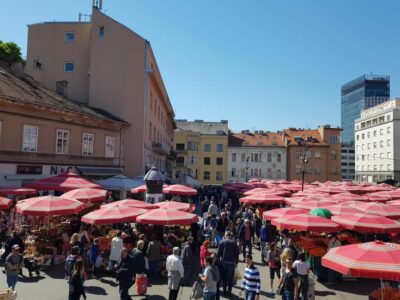
Zagreb: Small Group Walking Tour City Center and WW2 Tunnels
Read our review →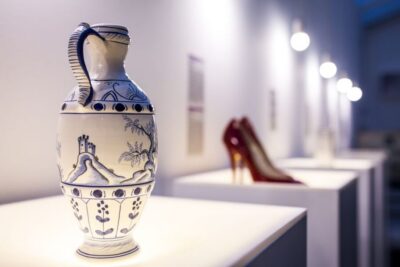
Zagreb: Skip-the-Ticket-Line Museum of Broken Relationships
Read our review →
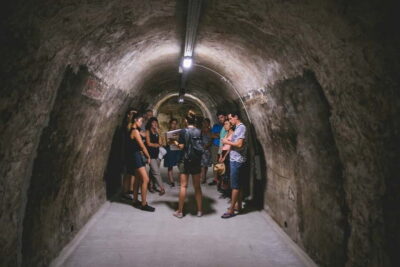
Zagreb: Communism and Croatian Homeland War Tour
Read our review →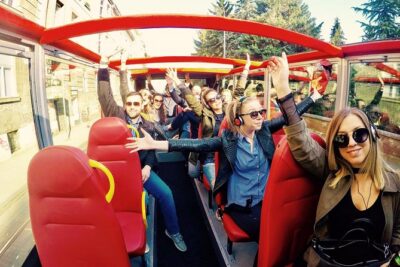
Hop On Hop Off Panoramic bus – Zagreb City Tour
Read our review →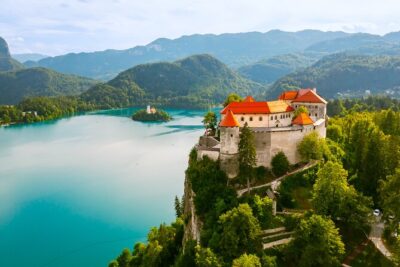
Ljubljana and Bled Lake – Small Group – Day Tour from Zagreb
Read our review →Browse the lists this tour appears in