
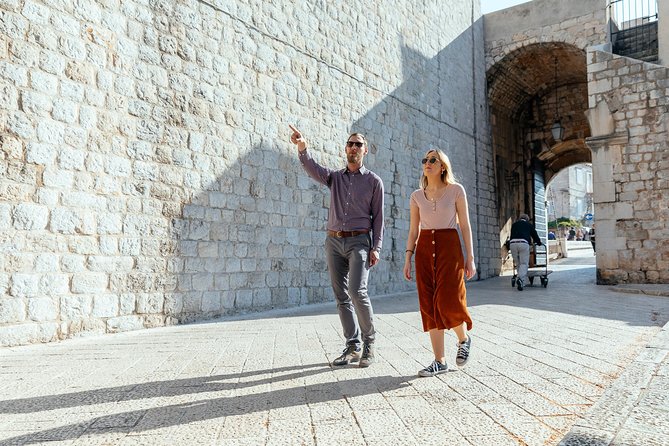
Reviewed · HISTORICAL TOURS
Dubrovnik’s History with a Local: the Homeland War Stories Private Tour
Dubrovnik’s Old Town is easy to admire and easy to misunderstand. Behind the polished stone, church domes, and postcard views are memories of the 1991 siege, when more than 5,000 grenades struck the city. This private walk puts that painful chapter at the center, using the streets and buildings around you as evidence.
I like the local viewpoint and the compact route through nine meaningful stops. I also like that a private guide can adjust the conversation to your questions, whether you want military detail, civilian life, or the damage still visible on historic buildings. The main consideration is that this is a serious, war-focused tour, not a light introduction to Dubrovnik, and the two-hour format leaves little room for broad sightseeing.
Key points to know
- Personal wartime stories: Guide Vesna lived in Old Town during the 1991 siege and has shared firsthand memories of that period.
- A private format: Your group participates alone, with no larger party to slow the pace or shape the discussion.
- Nine central stops: The route connects Revelin Fortress, Ploče Gate, Luža Square, the Memorial Room, churches, Rector’s Palace, and Pile Gate.
- Visible damage: You’ll see repaired buildings and places where the war’s marks remain part of the city.
- No extra admission charge listed: Each stop is shown with free admission, while food, drinks, and hotel transfers are not included.
- Useful for repeat visitors: The walk offers a different way to understand Old Town beyond architecture, views, and Dubrovnik’s usual sightseeing circuit.
Why this two-hour walk changes the way you see Dubrovnik
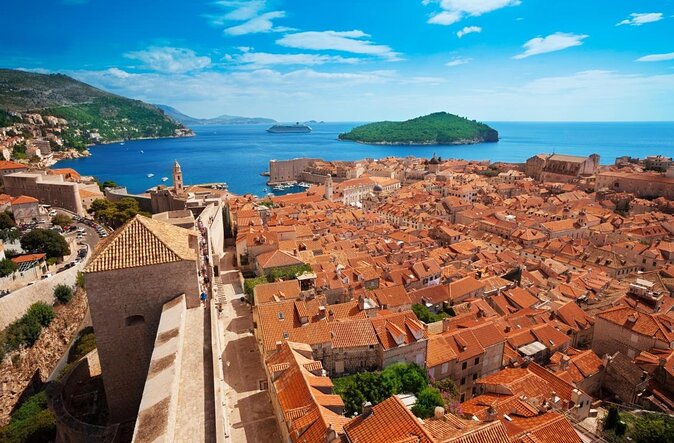
The strongest part of this experience is its setting. You are not sitting in a museum hearing a detached account of the Homeland War. You are walking through the same lanes that civilians used during the siege, passing buildings that were damaged and later repaired.
That makes the story immediate. Luža Square is not just a handsome gathering place. During the tour, you are asked to picture the city under fire, with more than 5,000 grenades hitting Dubrovnik. The Memorial Room is not simply another indoor stop. It connects the city’s public story with photographs and the people who defended it.
I find this approach useful because Dubrovnik can otherwise feel almost too finished. The walls are restored, the limestone is clean, and the Old Town can look untouched at first glance. This walk slows you down and points out what a casual stroll might miss.
The tone is important. This is a lesson in recent Croatian history, not a theatrical battle reenactment. You should expect sober stories, personal memories, and discussion of civilian life. If you prefer your holiday sightseeing cheerful from start to finish, choose a standard Old Town walk instead.
More Historical Tours in Dubrovnik
- Dubrovnik Old Town History Walking Tour
★ 5.0 · 1,684 reviews - Game of Thrones & History of Dubrovnik Tour
★ 5.0 · 628 reviews - Dubrovnik: Old Town History Walking Tour
★ 4.9 · 474 reviews
Starting at Revelin Fortress and Ploče Gate
The meeting point is on Ulica Vrata od Ploča, by Ploče Gate, on the eastern side of the Old Town. That location makes sense for the subject. Revelin Fortress, just nearby, is the first stop and introduces the day Dubrovnik was attacked for the first time.
The fortress gives your guide a solid place to explain the city’s defenses and the shock of seeing war reach a historic coastal city. The listed visit lasts about 15 minutes, enough for an opening account without turning the tour into a long military lecture.
You then enter the UNESCO-listed Old Town through Ploče Gate. This brief 10-minute section is more than a doorway into the center. It marks the shift from the city’s defensive edge to its lived-in streets, where the effects of the war are easier to connect with homes, churches, and public squares.
The route is practical for a short tour. You do not spend time traveling between distant parts of Dubrovnik, and you finish at Pile Gate on the opposite side of the Old Town. You will need to arrange your own way back after the tour, but Pile is a well-known place to continue sightseeing or find local transport.
Reading the Old Town through wartime damage

The central Old Town portion lasts about 25 minutes and carries much of the historical explanation. Here, your guide covers how, why, and when the war began, then connects those events with the buildings around you.
That connection is the reason I would choose this experience over a general history talk. A date or military fact can fade quickly. A damaged facade, a repaired church, or a street where people once sheltered gives the information a physical anchor.
You should also expect the guide to point out damage that remains visible in parts of the Old Town. Not every mark will be obvious, especially if you arrive expecting large ruins. Restoration has returned much of Dubrovnik to its familiar beauty. The value is in learning to notice the smaller signs and understanding what repair meant for the city.
Because this is a private tour, you can ask for more detail on subjects that matter to you. The supplied information specifically points to local daily life during the war, not only troop movements. That balance matters. The experience aims to explain what the siege meant for people living inside the walls, including the routines and pressures of ordinary days.
Luža Square and the scale of the shelling
Luža Square receives its own stop, with about 10 minutes to look around and imagine the force of the bombardment. The figure of more than 5,000 grenades gives the discussion scale, but the square keeps it grounded in one recognizable place.
This is a good moment to pause rather than hurry through another photo stop. You can look at the surrounding architecture while listening to how a public space changes when it becomes part of a war zone.
The tour does not promise a long stop for photography, so bring your camera or phone ready. You can take photographs of historic buildings that still bear scars, but the main purpose is understanding what you are seeing. I would treat the square as a place for quiet attention first and pictures second.
Same stretch of coast, a completely different kind of day:
- Blue Cave Small-Group Boat Tour from Dubrovnik
★ 5.0 · 9,360 reviews - Dubrovnik: Epic Game of Thrones Tour + Lokrum & Saver Option
★ 4.9 · 5,995 reviews - Dubrovnik: Old Town Walking Tour
★ 4.8 · 5,174 reviews - Dubrovnik: The Original Game of Thrones Tour & Lokrum Option
★ 4.8 · 5,064 reviews
The Memorial Room of the Defenders of Dubrovnik
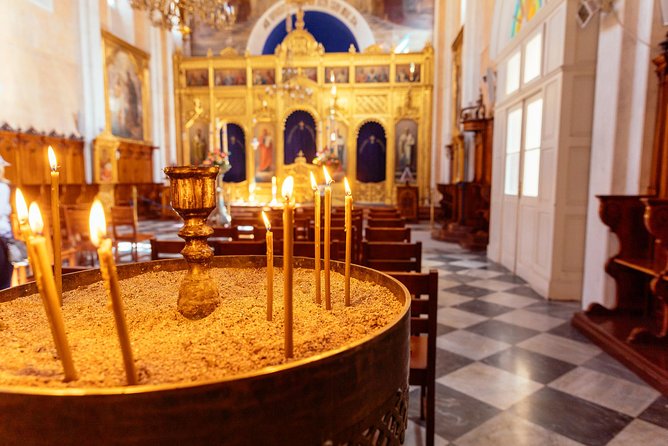
The Memorial Room is one of the most important stops. You spend about 10 minutes looking at photographs taken during the war, with the focus on those who defended Dubrovnik.
This visit gives the tour a human center. The Old Town itself can seem like the main character, but the photographs bring attention back to individual lives and loss. I would not expect a large museum visit here. The stop is short and focused, designed to fit into the walking route rather than occupy an entire afternoon.
The guide’s role makes a difference. One of the strongest details available about this experience is that Vesna lived in Old Town during the 1991 siege. If Vesna leads your walk, you may hear personal memories from someone who experienced the period directly. Her story adds a kind of emotional weight that a standard textbook account cannot provide.
Guide availability can vary, so you should not book solely on the assumption that Vesna will lead your group. Still, the possibility of meeting a local host with firsthand experience is a major reason this tour has appeal.
Rector’s Palace and the details of civilian life
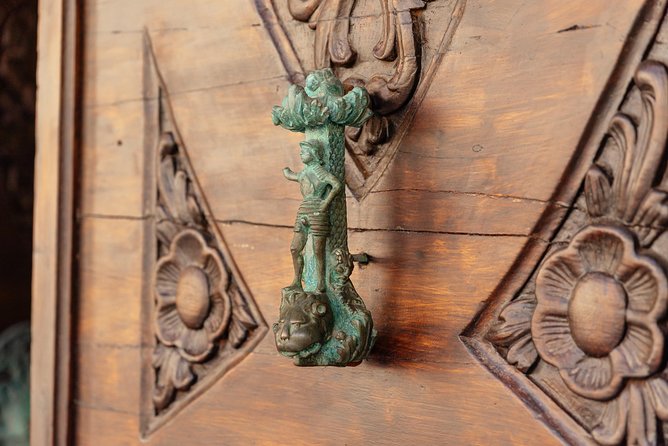
Rector’s Palace is one of Dubrovnik’s grandest buildings, and it can be tempting to focus only on its architecture. Here, the guide uses the palace as a backdrop for discussing daily life during the war.
I like this part because it widens the subject. War is not only about attacks and defenses. It is also about food, movement, fear, work, family, and the small choices people make when normal life breaks down. The available description does not specify every topic covered, so you should leave room for the guide’s own stories and your questions.
The 10-minute stop is short. You will not get a full palace tour or an extended architectural study. Instead, the building works as a setting for local memory, which fits the focus of the walk.
If you have already visited Rector’s Palace on a regular sightseeing route, this stop can still add something new. The building is familiar, but the wartime frame changes how you read it.
Two churches, two reminders of repair

The Church of the Holy Annunciation is another short but worthwhile stop. The church has been repaired, and the guide discusses the situation on the ferries during the war. The information provided does not explain that ferry story in detail, so this is a good place to ask questions if transport and supplies interest you.
The stop lasts about 15 minutes, making it one of the longer pauses on the route. That gives the guide time to explain more than the building’s appearance. You can look at the repaired church while considering how damage affected religious sites and daily movement around the city.
At the Church of St. Salvation, the focus returns to visible war damage. About 10 minutes here should be enough to identify marks that remain on the building and hear how the conflict affected the Old Town’s historic fabric.
These churches help balance the route. You are not seeing only forts and memorials. You are also looking at places used for worship and community life, which makes the cost of restoration feel more personal.
Finishing at Pile Gate with Fort Imperial in view
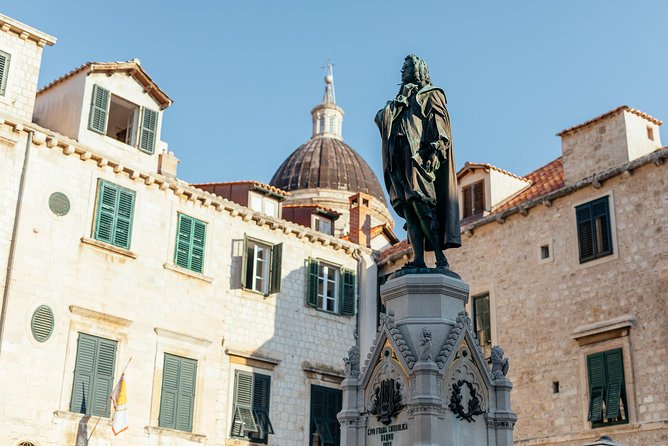
The final stop is Pile Gate, on the western side of the Old Town. The tour ends here after about 15 minutes, and you can also see Fort Imperial from this side of the city.
Ending at Pile gives the route a clear shape. You begin near the eastern entrance, walk through the center, and finish at the western gate. It is a sensible arrangement for a two-hour outing, though you should wear comfortable shoes and be ready for steady walking on historic streets.
The physical demand is listed as moderate. No extreme hike is involved in the information provided, but Dubrovnik’s Old Town route includes stone paving and some walking between stops. I would not book this expecting a seated presentation. You are on your feet for most of the experience.
The end point also lets you continue your day. Since hotel pick-up and drop-off are not included, plan your return separately. The tour does not include food or drinks, so have those before or after the walk rather than expecting a café break during the two hours.
What the $83 price means
At $83, this is not the cheapest way to see Dubrovnik’s Old Town. You are paying for a private experience, a local guide, and a focused subject rather than a broad city tour.
The value depends on your interests and group size. For one person, the price may feel high for two hours. For a couple or a small group, a private guide can make the cost easier to justify, especially if you want to ask detailed questions or prefer not to join a larger party. Group discounts are available, though the exact saving is not specified.
The route itself does not add admission costs. Every listed stop shows free admission, so your money goes mainly toward the guide’s time and personal interpretation. That is a fair trade if you care about the Homeland War and local stories. It is less convincing if you mainly want panoramic views, architecture, or a first overview of Dubrovnik.
The free-cancellation rule also gives you some planning flexibility. You can cancel for a full refund up to 24 hours before the start time. Inside that window, no refund is provided, and changes are not accepted.
Who should book this private tour?
I would recommend it to you if you have already seen the main sights, care about modern Croatian history, or want a serious local perspective on Dubrovnik. It is also a strong choice if someone in your group has a military background or a particular interest in the Croatian War of Independence.
The private setup suits couples, families, and small groups who want to set the pace. You can ask follow-up questions without worrying about holding up a busload of people. The guide can also spend more time on personal stories or on the buildings that interest you most.
I would hesitate to recommend it to young children unless they are comfortable with difficult subjects. The tour deals with shelling, loss, and wartime life, and the mood is not light. I would also choose another experience if you have only a short time in Dubrovnik and have not yet seen the city’s basic landmarks. A general Old Town walk may give you more useful first-day orientation.
My booking advice
Book this tour if you want to understand what happened to Dubrovnik after the sightseeing crowds leave the postcard view. The best elements are the walkable route, the private guide, the Memorial Room, and the chance to hear firsthand memories from Vesna if she is your host.
Skip it if your priority is a broad introduction to architecture, food, or medieval Dubrovnik. At two hours, the tour is tightly focused, and its value comes from the story it tells rather than the number of major attractions it enters.
For the right audience, $83 buys more than a walk between landmarks. It gives you a way to see repaired churches, old stone walls, and familiar squares with a clearer sense of what Dubrovnik endured.
FAQ
Where does the tour start?
The tour starts on Ulica Vrata od Ploča, by Ploče Gate in Dubrovnik.
Where does the tour end?
The tour ends at Pile Gate on the western side of Dubrovnik’s Old Town.
How long does the experience last?
The tour lasts approximately two hours.
Is this a private tour?
Yes. Only your group participates in the private activity.
Who leads the tour?
A local guide leads the tour. Vesna is one guide associated with the experience and lived in Old Town during the 1991 siege, but a specific guide is not guaranteed in the provided information.
What historical subject does the tour cover?
The tour focuses on the Croatian War of Independence, also called the Homeland War, and the 1991 siege of Dubrovnik.
Which major sites are included?
The route includes Revelin Fortress, Ploče Gate, Dubrovnik Old Town, Luža Square, the Memorial Room of the Defenders of Dubrovnik, Rector’s Palace, the Church of the Holy Annunciation, the Church of St. Salvation, and Pile Gate.
Are admission tickets included?
The listed stops show free admission. The tour includes the private tour and local guide, while food and beverages are not included.
Is hotel pick-up provided?
No. Hotel pick-up and drop-off are not included.
Can I cancel for a full refund?
Yes. You can cancel at least 24 hours before the experience start time for a full refund. Cancellations or changes made less than 24 hours beforehand are not accepted for a refund.
Just added around Dubrovnik
- Welcome to Dubrovnik Walking Tour★ 5.0 · 36 reviews
- Dubrovnik at War 1991-1992 Private Walking Tour★ 5.0 · 4 reviews
- Walls Of Dubrovnik: Small-Group Walking Tour With A Local★ 5.0 · 67 reviews
- Olive farm & village★ 5.0 · 41 reviews
- City Walls of Dubrovnik★ 5.0 · 70 reviews
- Walls of Liberty: A Self-Guided Audio Tour of Dubrovnik★ 3.5 · 3 reviews
- Trebinje Gastro Tour From Dubrovnik★ 4.5 · 12 reviews
- Try Scuba Diving Discovery in Dubrovnik★ 5.0 · 43 reviews
Historical Tours, compared.

Walking Tour of Split with a ‘Magister’ of History
Read our review →


Split History and Gastro Small-Group Tour with Food and Drinks
Read our review →
SPLIT-PREMIUM Emperor’s Walking Tour for History Lovers + Museum
Read our review →Browse the lists this tour appears in