
Reviewed · TRUFFLE AND OLIVE OIL TOURS
Split: Olive museum Klis with Olive Oil Tasting
The most useful part of this Stella Croatica visit is the olive oil workshop. You do not just sip oil and nod politely. You learn how to smell and taste it, then compare two oils labeled extra virgin. The Olive Oil Museum, a finalist for the 2023 European Museum of the Year Award, gives the tasting some welcome context.
I like the mix of hands-on tasting and local production. I also like that the estate includes a botanical collection, traditional sweets, natural cosmetics, and old buildings, so you get more than a single museum room for the $18 price. The main drawback is that you will not see olive groves at the site itself, and the museum guide may feel dry if you want a lively presentation.
Key points to know before you go
- The olive oil tasting is the main event: Learn the basic methods used by professional tasters, then test two oils for yourself.
- The 500-species botanical collection adds variety: You’ll see Dalmatian herbs and learn how some are used in food, oils, and cosmetics.
- Stella Croatica is a working family estate: You can watch local women produce and package goods made with figs, almonds, oranges, and lavender.
- The museum visit is indoors and educational: It explains Croatia’s olive oil tradition, but there are no olive fields at the estate.
- The $18 price covers plenty: Entry, guiding, olive oil tasting, traditional sweets, and natural cosmetics are included.
- Plan time after the tour: You can browse the concept store, walk around the park, or arrange a traditional lunch at your own cost.
Starting at Stella Croatica near Klis
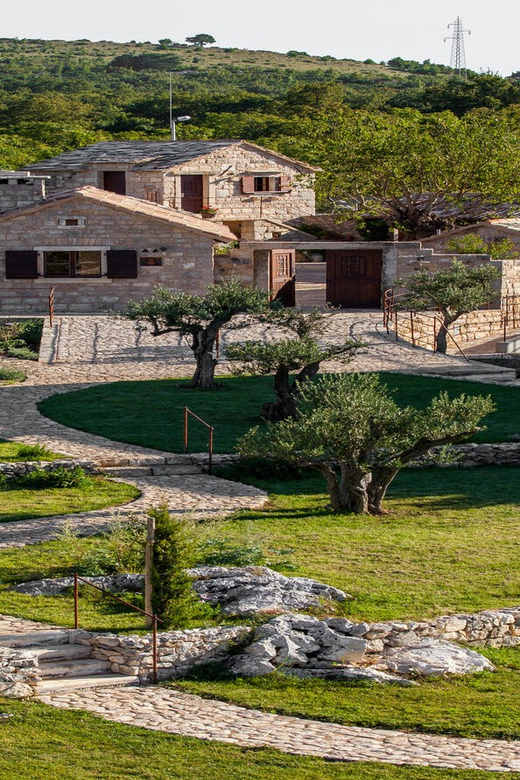
You reach Stella Croatica by following signs from the main road. Enter the main building and wait for your host. The activity ends at the same place, which keeps the arrival simple if you are visiting by car or combining the stop with time around Klis.
This is a family estate rather than a formal city museum. That matters because the visit connects the objects on display with things still made and sold on site. You are not only looking at old tools or reading labels. You also see how local products are prepared and packaged today.
The language for the guided visit is English. Since no tour length or group size is given, allow yourself enough flexibility to look around after the guided portion. The schedule includes several parts, and the estate invites you to stay longer for shopping, a park walk, or lunch.
More Museums and Galleries in Split
- Blue Lagoon & Underwater Museum from Split with Lunch & Drinks
★ 4.5 · 1,122 reviews - Split: Game of Thrones Museum Entrance Ticket
★ 3.8 · 385 reviews - SPLIT-PREMIUM Emperor’s Walking Tour for History Lovers + Museum
★ 5.0 · 333 reviews
Watching figs, almonds, oranges, and lavender become local products
The tour begins with the estate’s production area. Local women make and pack traditional products using ingredients such as figs, almonds, oranges, and lavender. This is a useful opening because it shows the practical side of Dalmatian food culture before you move into the museum and tasting room.
You can expect an explanation of how these products are handled and prepared. The stop is not presented as a full cooking class, so do not arrive expecting to make a jar of preserves or a pastry yourself. Its value is in seeing the work behind the items you may otherwise buy as anonymous souvenirs.
The included tasting of traditional sweets gives this part a pleasant finish. You can sample handmade products in the concept store, and you have the option to buy them at factory prices. That makes the shop more useful than a standard souvenir counter, especially if you want edible gifts based on local ingredients.
Food and drinks are not allowed during the activity itself, so follow the estate’s instructions and wait for the scheduled tasting portions. Video recording is also not allowed.
Dalmatian herbs in the botanical collection
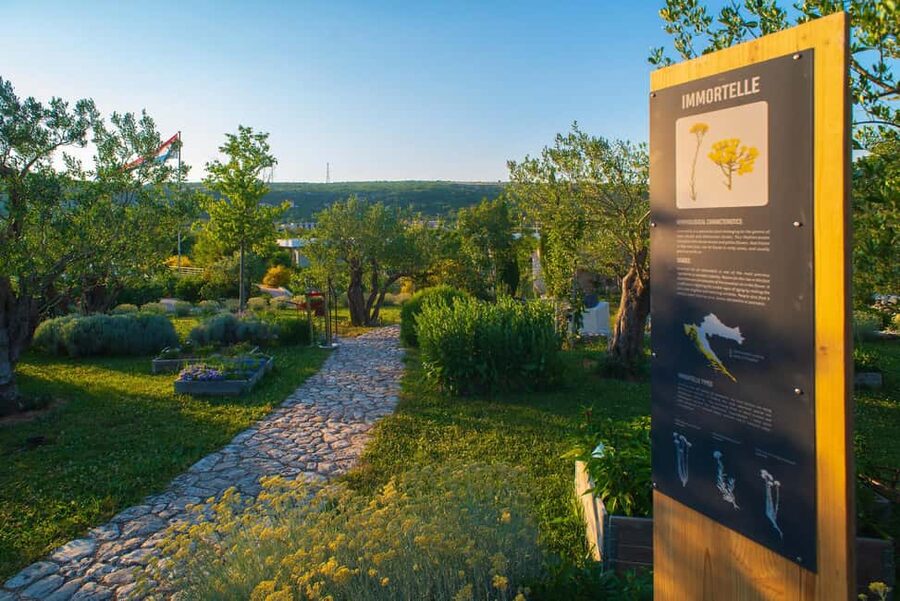
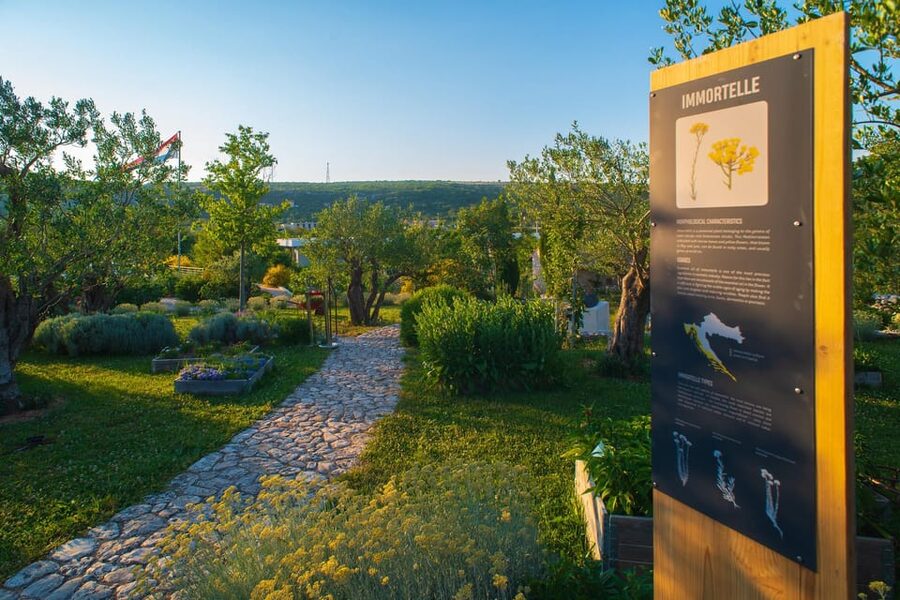
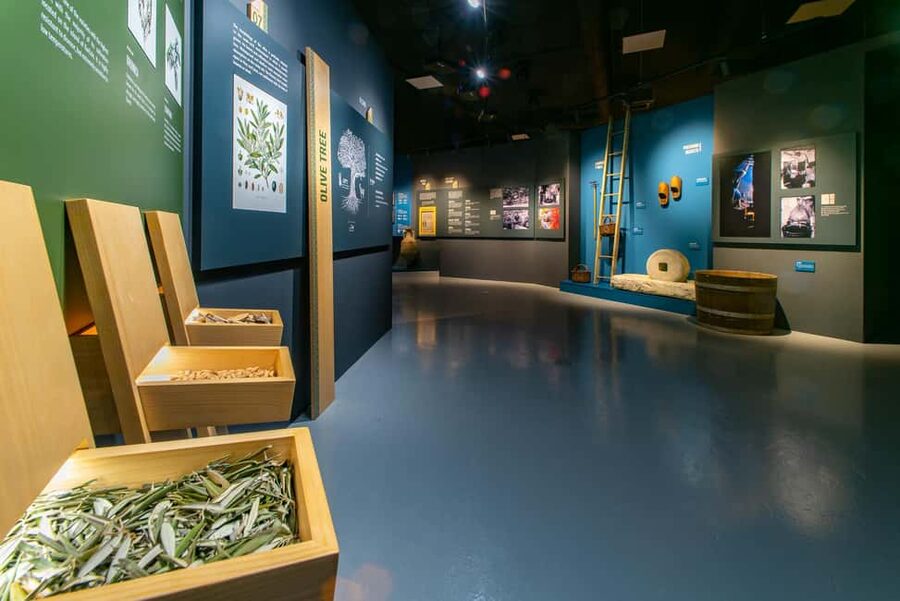
Next comes the botanical collection, which includes 500 species. The collection gives you a chance to slow down and look at the plants behind familiar Dalmatian scents and flavors. The guide explains what some plants can be used for, linking the garden to the estate’s food, oils, and cosmetics.
This section is especially good for visitors who like gardens but do not want an entire day devoted to formal horticulture. It is small enough to fit into a broader visit, yet varied enough to make the walk more than a quick photo stop.
You also learn how essential oils are extracted from typical Dalmatian herbs. Those oils then go into natural cosmetics made at the estate. The included cosmetics testing lets you examine or try the products, although additional purchases are not part of the $18 price.
The botanical area is also one of the places where the visit feels less like a museum lesson and more like a family property. You can explore the garden and old buildings in your free time after the formal tour. The setting is pleasant, but keep your expectations measured: the attraction is a botanical collection, not a large olive farm.
Inside Croatia’s Olive Oil Museum
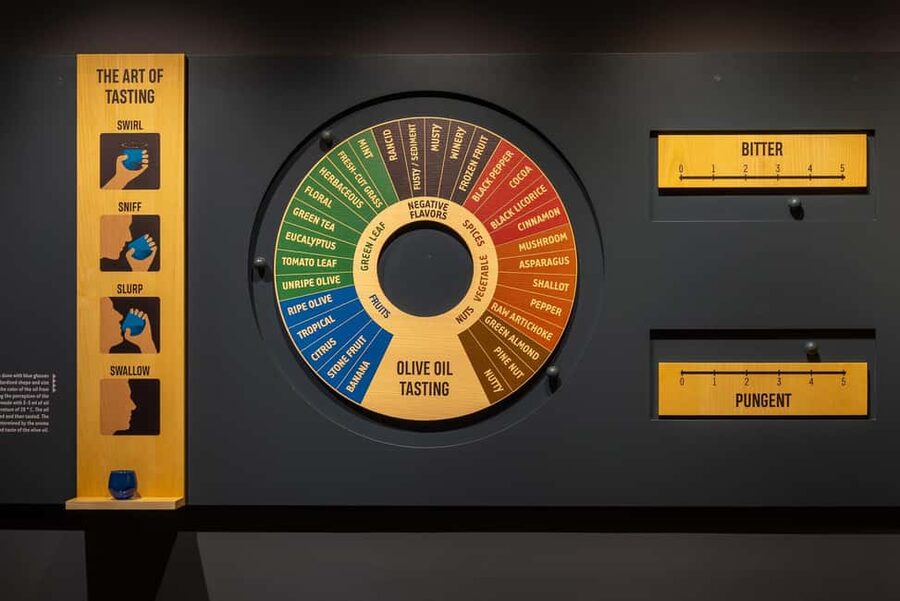
The Olive Oil Museum is the intellectual center of the visit. It explains why olive oil is often called liquid gold in Croatia and places the tasting in a wider local setting. You get an account of production and quality rather than a sales pitch alone.
The museum was a finalist for the European Museum of the Year Award in 2023. That is a useful mark of the museum’s design and purpose, but it does not guarantee that every part will hold your attention. If you prefer objects, demonstrations, and short explanations, you may find the gallery worthwhile. If you want to see olive trees and oil being pressed in the same location, this stop may disappoint.
There are no olive trees or fields at the estate itself. That is the clearest limitation of the visit. The museum teaches you about olive oil, but it does not replace a trip through an olive-growing area.
Presentation style may also vary. The tasting instructor has been described as friendly and clear, while the museum portion can feel less lively. I would treat this as an educational stop with a shop and garden attached, not as a dramatic museum tour.
More truffle hunts and olive oil tastings:
- Kastela: Wine & Olive Tasting Tour w/Delicacies & Live Music
★ 5.0 · 5 reviews - Split: Krka Waterfalls With Boat Cruise, Wine and Olive Oil
★ 4.3 · 1,507 reviews - Truffle hunting & cooking tour
★ 5.0 · 257 reviews - Wine, food and olive oil by PhD student
★ 5.0 · 111 reviews
Learning to taste extra virgin olive oil
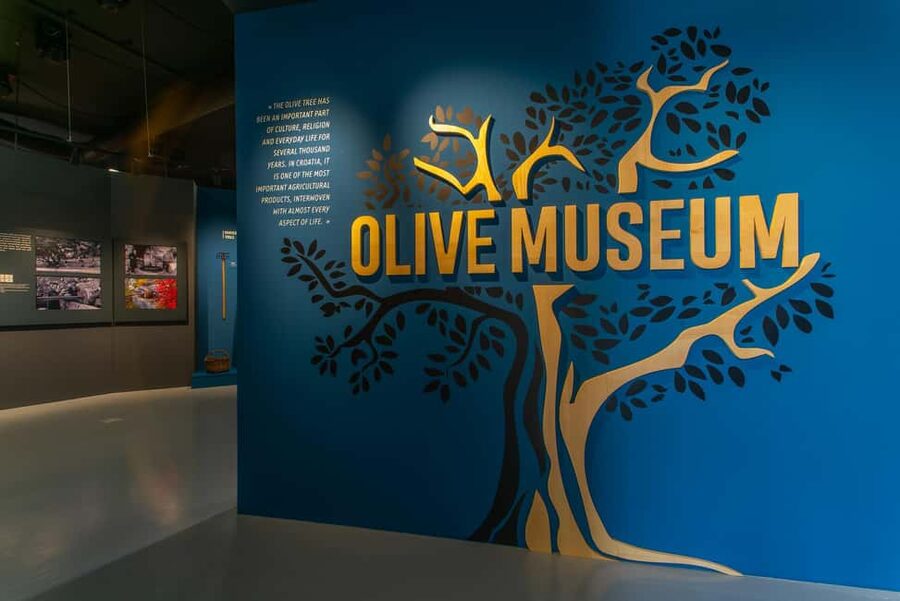
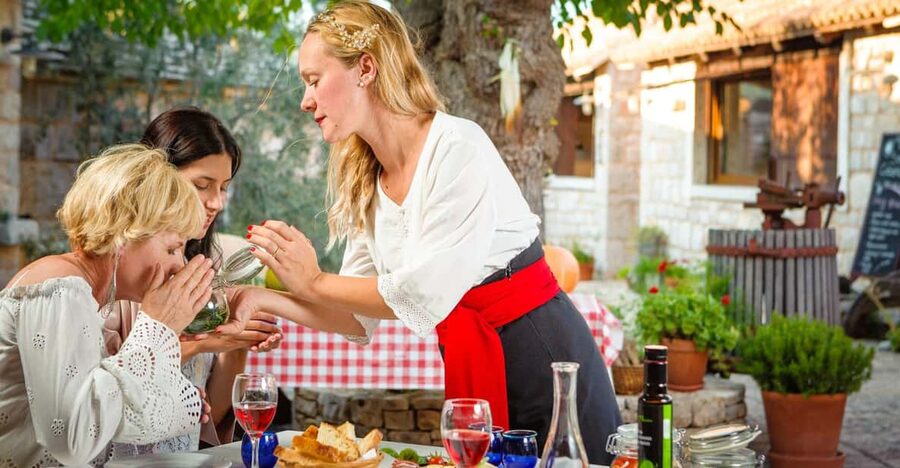
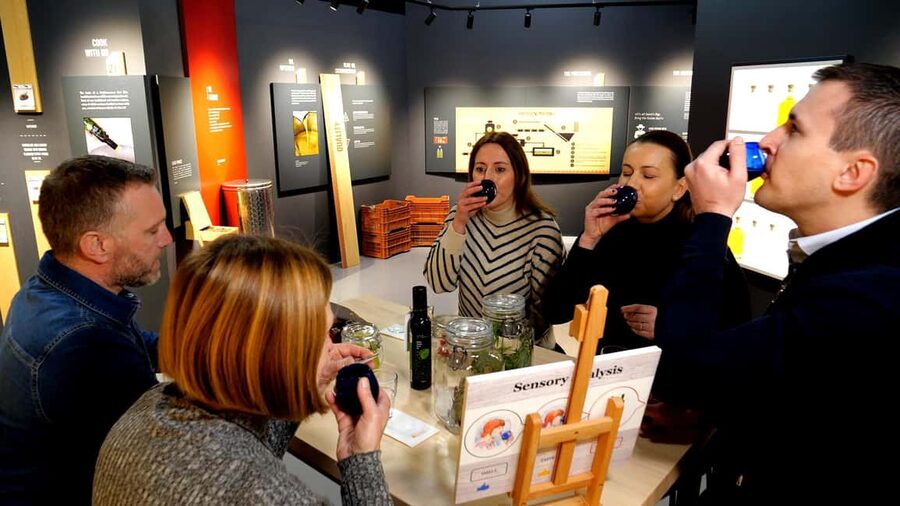
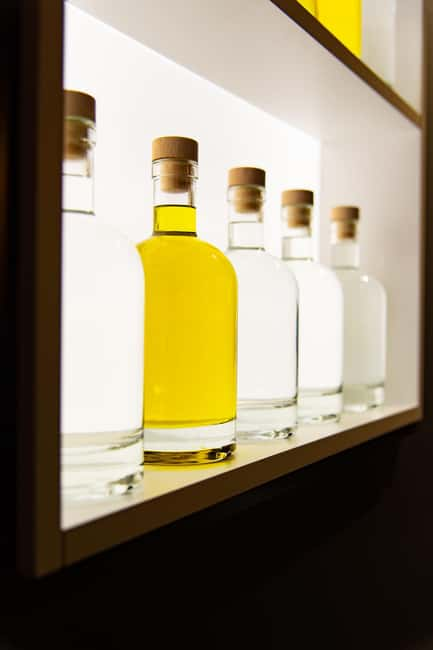
The tasting room is where the visit becomes practical. First, your host explains how to recognize quality extra virgin olive oil. You learn to use your nose and palate rather than judging the oil by bottle design, color, or price.
The workshop is interactive. You smell and taste the oil in a way similar to a professional tasting, then compare two different oils, both labeled as extra virgin. The point is to notice differences in quality and character. You leave with a basic method you can use the next time you buy olive oil.
This is more valuable than a simple sample tray. Many people use the term extra virgin without knowing what they should actually look for. The workshop gives you a clear starting point: pay attention to aroma, flavor, and faults instead of swallowing the oil without thinking.
The tasting also works well for families. A nine-year-old can follow the simple explanations and take part in the sniffing and tasting exercise, provided your child is interested in trying new flavors. It is not a children’s attraction in the usual sense, but the practical format makes the lesson accessible.
You taste two oils, so this is an introduction rather than a full professional course. Do not expect a long series of regional varieties or a formal certification. For $18, though, the tasting gives the visit a strong purpose and something useful to take home besides a bottle.
The concept store and time to wander
After the guided portion, you can spend free time exploring the park and old buildings. This is important because the estate is not designed as a rush-through attraction. You have room to browse, revisit the garden, and decide if you want to shop.
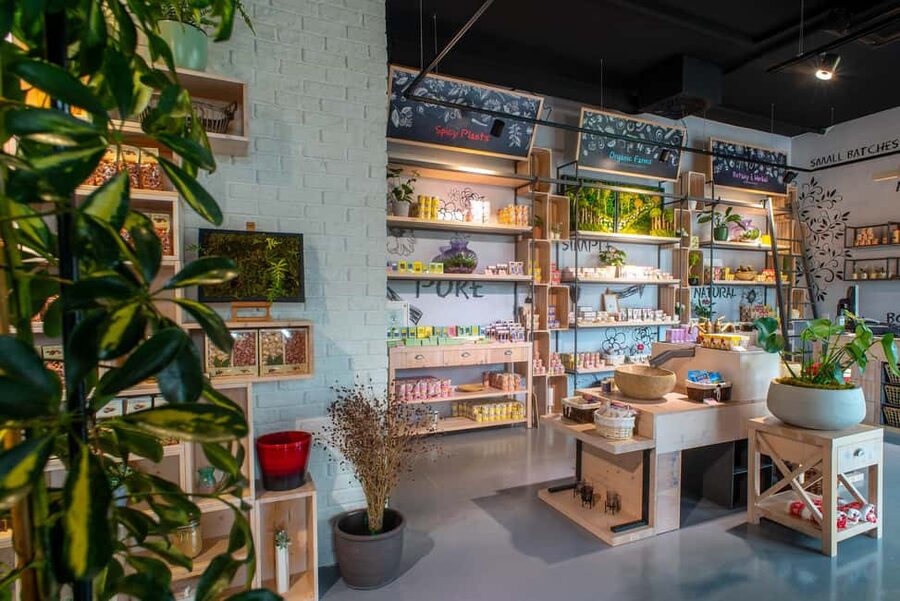
The concept store sells olive oils, handmade sweets, products made from figs, almonds, oranges, and lavender, and natural cosmetics. The included sampling lets you try products before deciding what to buy. Factory pricing may make the shop appealing if you want practical souvenirs rather than mass-produced items.
You can also have a traditional lunch, but food and drinks beyond the included tastings cost extra. Since lunch is not included, check your plans before arriving if you need a full meal. The activity gives you the option, not a meal as part of the tour price.
I like this flexible finish. You can complete the guided section and leave, or turn the stop into a relaxed half-day outing. The main caution is that the free time will not fix a lack of interest in olive oil. If gardens, local products, and shopping do not appeal to you, the estate may feel limited after the tasting.
Is $18 a fair price?
At $18 per person, the value is good if you use the full visit. Your ticket includes entry to Stella Croatica and the Olive Oil Museum, a guided tour, two olive oil samples, traditional sweets, and natural cosmetics testing.
The price also covers several different types of activity: production, museum interpretation, botany, tasting, and shopping. You are not paying only for admission to a small collection. The tasting workshop is the strongest reason to book, since it gives you a skill you can use beyond Croatia.
Value depends on your expectations. If you are looking for olive groves, an oil mill, or a long countryside farm visit, the price will not compensate for the missing fields. If you want a compact cultural stop near Klis with a clear tasting lesson, it is a sensible spend.
The option to reserve now and pay later helps if your route is still changing. You can cancel up to 24 hours before the activity for a full refund. Those terms make the stop easier to fit into a Croatia itinerary, though you should still confirm your meeting instructions before setting out.
Who will enjoy this most?
I would recommend this visit to anyone curious about Croatian food traditions, especially if you want to understand olive oil instead of merely buying it. The tasting is the part most likely to improve your trip because it turns a common souvenir into something you can judge with more confidence.
Families can also make good use of the visit. The botanical garden, old buildings, product-making area, sweets, and interactive tasting give children several things to look at. The museum explanations are clear, but younger children may need help staying interested during the more formal sections.
It suits shoppers who prefer locally made products. You can taste before buying, compare items, and purchase olive oil, sweets, and cosmetics at the estate. It is less suitable for anyone who wants a large archaeological site, a full farm-to-bottle demonstration, or a major outdoor walk.
The visit also pairs well with other time around Klis, since it does not end in central Split. Build in enough time for the drive, the tour, and free browsing rather than treating it as a quick city-center stop.
My call: book it for the tasting, not the olive groves
Book this Stella Croatica visit if you want a reasonably priced introduction to Dalmatian products and a hands-on lesson in extra virgin olive oil. The combination of the museum, botanical collection, sweets, cosmetics, and concept store gives you plenty to do for the cost.
Skip it if your main goal is to walk among olive trees or watch oil being pressed on a working farm. There are no olive fields at the estate, and the museum presentation may feel plain if you need a lively guide. For most food-focused visitors, though, the tasting makes this a worthwhile stop, particularly when paired with time to browse the grounds and shop.
FAQ
Where does the Stella Croatica olive oil tour start?
Follow the signs from the main road to Stella Croatica. Enter the main building and wait for your host.
Where does the activity finish?
The activity ends back at the Stella Croatica meeting point.
What language is the tour in?
The guided activity is offered in English.
What does the $18 price include?
It includes entry to Stella Croatica and the Olive Oil Museum, a guided tour, tasting of two different olive oils, traditional sweets, and testing natural cosmetics.
How many olive oils will I taste?
You will taste two different olive oils, both labeled as extra virgin.
Can I buy products after the tour?
Yes. The concept store offers handmade products, olive oils, traditional sweets, and natural cosmetics. Products may be purchased at factory prices.
Is lunch included?
No. You may have a traditional lunch after the experience, but additional food and drinks are not included.
Can I cancel the booking?
You can cancel up to 24 hours in advance for a full refund. You can also reserve and pay later, so no payment is required at the time of booking.
More Food and Drink in Split
- Split: Blue Lagoon and 3 Island Cruise with Food and Drinks
★ 4.8 · 1,969 reviews - Split Food Tour: Discover Split One Bite At A Time
★ 5.0 · 433 reviews - Split History and Gastro Small-Group Tour with Food and Drinks
★ 5.0 · 375 reviews - 4-Hour Dalmatian Food and Wine flavors Experience in Split Patio
★ 5.0 · 97 reviews
Just added around Split
- Split Day Trip from Dubrovnik★ 4.0 · 59 reviews
- Dubrovnik to Split Private Transfer with Local Experienced Driver★ 5.0 · 52 reviews
- Private Transfer from Dubrovnik to Split★ 5.0 · 3 reviews
- Private Transfer from Dubrovnik to Split with 2 hours for sightseeing★ 5.0 · 50 reviews
- Private Transfer: Dubrovnik to Split★ 5.0 · 7 reviews
- Dubrovnik to Split Private Transfer with Mostar Town★ 5.0 · 38 reviews
- Private Tour: Split Day Trip from Dubrovnik★ 5.0 · 9 reviews
- Private Day Trip :Dubrovnik- Mostar- Split★ 5.0 · 3 reviews
Truffle and Olive Oil Tours, compared.
Split: Krka Waterfalls With Boat Cruise, Wine and Olive Oil
Read our review →

Paladini: Truffle Hunting Tour with 3-Course Tasting Menu
Read our review →
Hvar: Island tour with Wine and Olive Oil Tasting
Read our review →


Pula: House of Istrian Olive Oil Museum and Guided Tasting
Read our review →Browse the lists this tour appears in