
Reviewed · TRUFFLE AND OLIVE OIL TOURS
Pula: House of Istrian Olive Oil Museum and Guided Tasting
Istrian olive oil is more than a bottle on a shop shelf. At the House of Istrian Olive Oil, you learn how Romans made and shipped it, then taste five oils side by side. The tasting is the star, since it trains your nose and palate to spot quality.
I like the clear link between ancient production and modern methods, shown through exhibits and two short films. I also like the practical lesson in judging aroma, flavor, texture, and appearance, rather than simply being told which oil is best.
The one drawback is that this is a focused museum and tasting, not a visit to an operating olive farm. If you want groves, harvest work, or a full meal, this experience may feel limited. It is also worth noting that the guided tasting is listed in English and German, while the audio guide comes in 12 languages.
Key points to know before booking
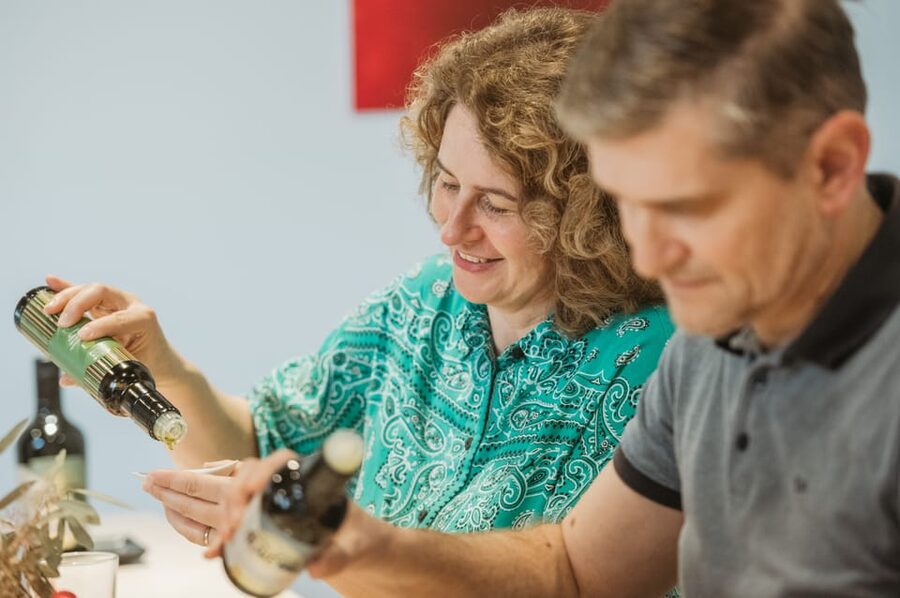
- Five oils are tasted side by side, including a typical supermarket oil for comparison.
- Roman olive-oil production gets real attention, including how oil was exported.
- Two short films explain traditional and present-day production methods.
- The tasting teaches useful skills, including how to judge smell, taste, texture, and appearance.
- Dessert is paired with olive oil, offering an unusual but memorable final sample.
- The central Pula location and indoor setting make this a handy choice on a rainy day.
Why this small Pula museum is worth your time
The House of Istrian Olive Oil gives you something many food stops do not: a way to understand what you are tasting. Instead of sampling a few oils and choosing one by instinct, you learn the signs of good and poor oil and see why extra virgin olive oil can vary so much.
That matters in Istria, where olive oil is a major part of local food culture. You may already use olive oil at home, but supermarket labeling and familiar packaging do not always tell you much about flavor or freshness. This visit gives you a sharper set of questions to ask when you buy a bottle later.
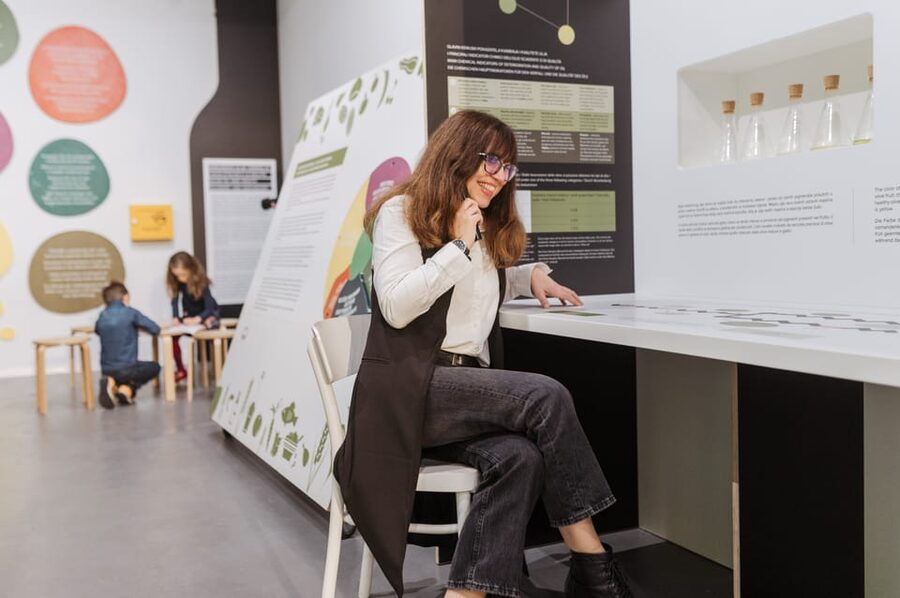
The museum is in central Pula, so you can fit it around the Roman amphitheater, the old town, or a meal nearby. I especially like the indoor setting. Pula’s weather can change, and a tasting in a museum offers a useful plan when outdoor sightseeing loses its appeal.
The experience costs $35 per person. That is not a bargain if you only want a quick sample, but the price includes the museum visit, an audio guide, a guided tasting of five extra virgin oils, and a dessert pairing. For a food-focused stop that also teaches you something you can use at home, the value is fair.
More truffle hunts and olive oil tastings:
- Split: Krka Waterfalls With Boat Cruise, Wine and Olive Oil
★ 4.3 · 1,507 reviews - Truffle hunting & cooking tour
★ 5.0 · 257 reviews - Wine, food and olive oil by PhD student
★ 5.0 · 111 reviews
From Roman presses to modern bottles
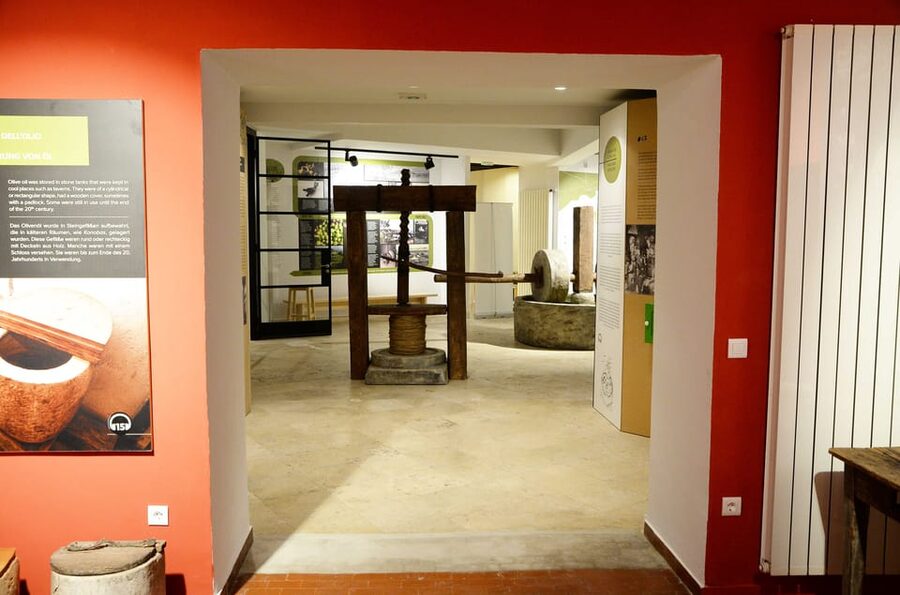
The first part sets olive oil in its historical setting. You learn how Romans made oil and how it moved beyond Istria through trade and export. This gives the product a sense of place without turning the visit into a long lecture.
The Roman section is useful because it shows that olive oil has long been part of the region’s economy, diet, and daily work. You are not simply tasting a modern luxury product. You are looking at an ingredient with centuries of local importance.
The material is presented through exhibits and audio content. An audio guide is available in 12 languages, which is helpful if you prefer to explore at your own pace or do not want every detail delivered aloud. The additional language information lists English and German for the guided experience, so check the language that suits you when reserving.
One practical point: no tour duration or group size is provided. I would not plan a tight connection around the visit. Give yourself room to explore the exhibits, watch both films, and take the tasting at a relaxed pace.
Two films show how the oil is made
Two short films connect the museum displays with the actual production process. One explains traditional olive-oil making, while the other shows how oil is produced today.
This contrast is one of the better teaching tools in the experience. Traditional methods help you picture the labor and equipment once involved. The modern film shows how production has changed while keeping the focus on the same basic ingredient.
The films also break up the museum visit. You are not asked to read every panel or absorb a long technical talk. Instead, you get visual explanations before moving into the tasting room.
I would pay attention to the difference between historical information and quality advice. The museum section explains where olive oil comes from and how production developed. The tasting is where you learn what to do with that information as a buyer.
The tasting room is the main event
At the tasting, you examine five extra virgin olive oils. The point is not to gulp them down like a drink. You look at appearance, smell, flavor, and texture, then compare the samples carefully.
This is where the visit earns much of its $35 price. You taste oils next to one another, which makes differences easier to notice. A single spoonful at a restaurant rarely teaches you much. Side-by-side tasting gives your senses a better chance to pick up contrasts.
A typical supermarket olive oil is included for comparison. That is a smart choice. It gives you a familiar reference point and helps show why a premium extra virgin oil can taste different from an everyday supermarket product.
You learn to recognize both positive and negative qualities. The lesson is not simply that expensive oil is always good or that every supermarket bottle is poor. Instead, you get a framework for judging what is in front of you.
Look for guidance on aroma, taste, texture, and appearance, but do not assume a bright green color automatically means high quality. The useful skill here is learning to consider several traits together. Once you understand that, you can make a better choice at a market or shop.
One especially useful part is the discussion of poor oil. Strong or unpleasant notes can be masked when oil is poured over a dish, but they become much easier to notice in a tasting. The experience helps you understand why labels and price alone are not enough.
More food and drink experiences in Pula:
- From Split: Krka Waterfalls, Food & Wine Tasting Tour
★ 5.0 · 9,326 reviews - From Split: Krka Waterfalls, Food & Wine Tasting Tour
★ 4.9 · 6,598 reviews - Split: Blue Lagoon and 3 Island Cruise with Food and Drinks
★ 4.8 · 1,969 reviews - Krka National Park Tour with tour Guide & Wine tasting from Split & Trogir
★ 5.0 · 1,625 reviews
What the dessert pairing adds
The tasting ends with a sweet dessert paired with a selected olive oil. This is an unexpected turn, and it gives you a chance to consider olive oil outside its usual role with bread, salad, or cooked food.
I like this part because it makes the lesson playful. A dessert pairing can show how the oil’s aroma and texture work with sweetness, rather than treating olive oil as a background ingredient.
The information does not specify the dessert, so do not book this expecting a particular local pastry. Think of it as a small guided pairing designed to show another use for the oil.
For anyone interested in food, this final sample adds variety to the tasting. For someone who only wants historical information, it may feel less important, but it is still a pleasant way to finish.
A shop with more than olive oil
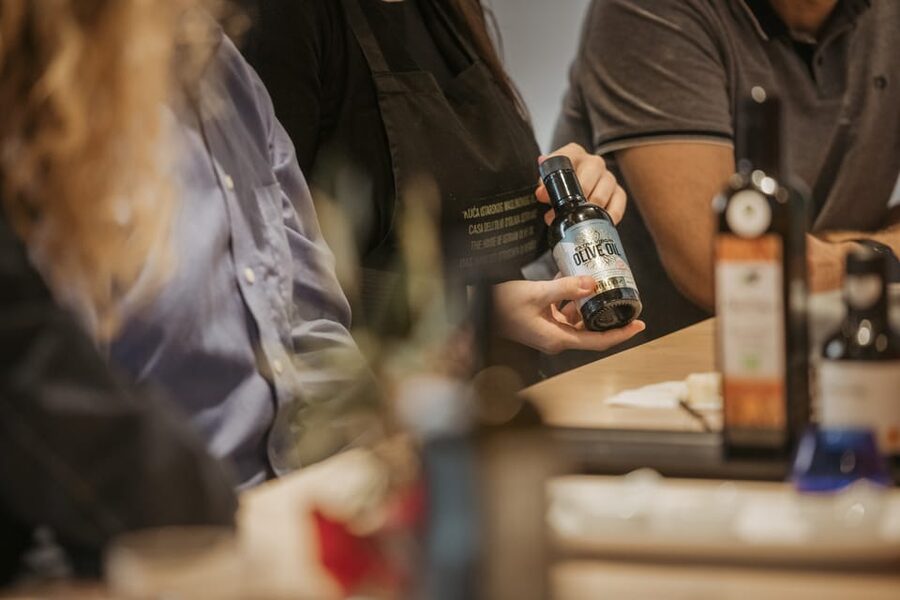
The on-site shop carries a wide range of Istrian extra virgin olive oils. You can also find brandies, truffles, lavender-based cosmetics, and souvenirs.
That makes the shop useful after the tasting, since you have just learned what to look for in an oil. Instead of buying a bottle at random, you can compare products with a better sense of what suits your taste.
The shop also gives you gift options beyond food. Brandy and truffles fit the local theme, while lavender cosmetics offer a non-edible choice. Since the experience does not include a bottle in the ticket price, treat shopping as optional rather than part of the admission value.
I would wait until after the tasting before buying anything. Your preferences may change once you have compared several oils. You might also decide that a smaller bottle is enough, especially if you are carrying purchases through the rest of your trip.
How the guide and audio option shape the visit
The experience combines self-guided museum material with a guided tasting. The audio guide is available in 12 languages, while the stated guided-tour languages are English and German.
That arrangement should suit different kinds of visitors. You can take in the historical displays with audio support, then focus on the tasting with a staff member who explains the oils and answers questions.
One staff member has been described as speaking a little German, and the guide was able to answer questions with enthusiasm. Do not expect a named specialist guide, since no guide names are provided. The important point is that the tasting includes room for questions, which is useful when you want to understand why one oil tastes better to you than another.
If you have a detailed question about language support, ask when booking. The published information is clear about English and German for the guided portion, but it does not list every language for live instruction.
Who will enjoy this experience most
I would recommend the House of Istrian Olive Oil to several types of visitors:
- Food lovers who want more than a standard sample at a shop.
- Curious shoppers who want to recognize better oil before buying.
- Couples and small groups looking for an indoor activity in central Pula.
- Visitors interested in Roman history who want a subject beyond monuments and military sites.
- People seeking a rainy-day plan, since the exhibits, films, and tasting take place indoors.
- Gift hunters who want local oils, truffles, brandy, cosmetics, or souvenirs.
It may be less suitable if you want a long outdoor excursion, a working farm, or a substantial meal. The focus is education and tasting. You will not be visiting olive groves or following a harvest from tree to press based on the information available.
Children may find the films and dessert appealing, but the core lesson is aimed at people who are interested in flavors and food quality. The museum is not described as a children’s attraction, so families should consider the child’s patience for a tasting-based visit.
Practical value at $35 per person
At $35, this is a mid-priced Pula activity. The cost makes more sense if you value the guided comparison of five oils. If you only want to see a few displays, the ticket may feel expensive.
The included audio guide adds useful historical context, and the five-oil tasting is more instructive than a single sample. The dessert pairing gives the visit a final food moment without turning it into a full dining experience.
I also see value in what you take away. After the visit, you should have a better idea of how to assess aroma, flavor, texture, and appearance. That knowledge can help you choose an oil in the museum shop, at a market, or back home.
Booking is flexible: you can reserve and pay later, and cancellation is allowed up to 24 hours in advance for a full refund. That works well when your Pula plans depend on weather or changing day-trip schedules.
Should you book the House of Istrian Olive Oil?
Book it if you want a compact, central Pula activity that mixes local history with a practical food lesson. The strongest reason to go is the five-oil tasting, especially the comparison with a typical supermarket oil and the explanation of good and bad qualities.
Skip it if your main goal is an olive farm visit, outdoor scenery, or a large meal. For everyone else, I find the experience a sensible choice, particularly on a wet day or after you have seen Pula’s major Roman sights. You leave with more than a souvenir bottle: you gain a better way to judge one of Istria’s most important foods.
FAQ
Where is the House of Istrian Olive Oil?
It is located in the center of Pula, in Istria County, Croatia.
How much does the experience cost?
The price is $35 per person.
How many olive oils are included in the tasting?
The guided tasting includes five extra virgin olive oils.
Is a supermarket olive oil included?
Yes. An olive oil commonly found in a supermarket is included for comparison with the extra virgin oils.
What languages are available?
The audio guide is available in 12 languages. The guided experience is listed in English and German.
Is dessert included?
Yes. The experience includes a sweet dessert paired with a selected olive oil.
Can I cancel the booking?
You can cancel up to 24 hours in advance for a full refund. You can also reserve your place and pay later.
More Museums and Galleries in Pula
- Blue Lagoon & Underwater Museum from Split with Lunch & Drinks
★ 4.5 · 1,122 reviews - Zagreb: Skip-the-Ticket-Line Museum of Broken Relationships
★ 4.5 · 847 reviews - Zagreb: Nikola Tesla Technical Museum Ticket
★ 4.5 · 520 reviews - Split: Game of Thrones Museum Entrance Ticket
★ 3.8 · 385 reviews
Just added around Pula
- Pula: SUP Yoga Classes at Morning & Sunset★ 5.0 · 10 reviews
- Pula:Sunset Kayak tour with glowing transparent kayak★ 5.0 · 13 reviews
- Pula:Kayak Tour-Cliff jumping,snorkeling&free GoPro pictures★ 4.7 · 95 reviews
- Pula: Kayaking and Snorkeling Self-Guided Tour★ 4.4 · 55 reviews
- Pula: Private Dolphins & Sunset Tour With Dinner & Drinks★ 4.9 · 11 reviews
- Pula: Private Introduction to Scuba Diving★ 5.0 · 10 reviews
- Pula: Kamenjak Bike Tour with Blue Cave and Cliffs Visit★ 5.0 · 7 reviews
- Pula: Old Town Walking Tour for Foodies with Dinner and Wine★ 4.6 · 18 reviews
Truffle and Olive Oil Tours, compared.
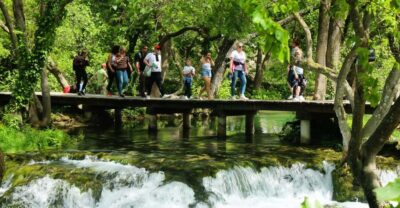
Split: Krka Waterfalls With Boat Cruise, Wine and Olive Oil
Read our review →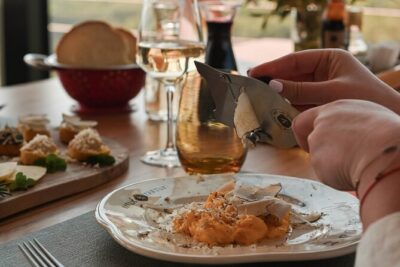
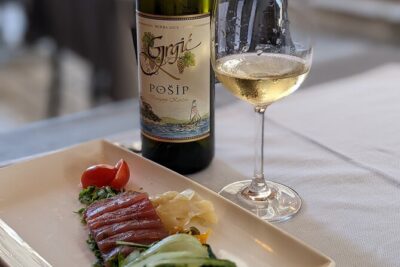
Paladini: Truffle Hunting Tour with 3-Course Tasting Menu
Read our review →
Hvar: Island tour with Wine and Olive Oil Tasting
Read our review →

Browse the lists this tour appears in