
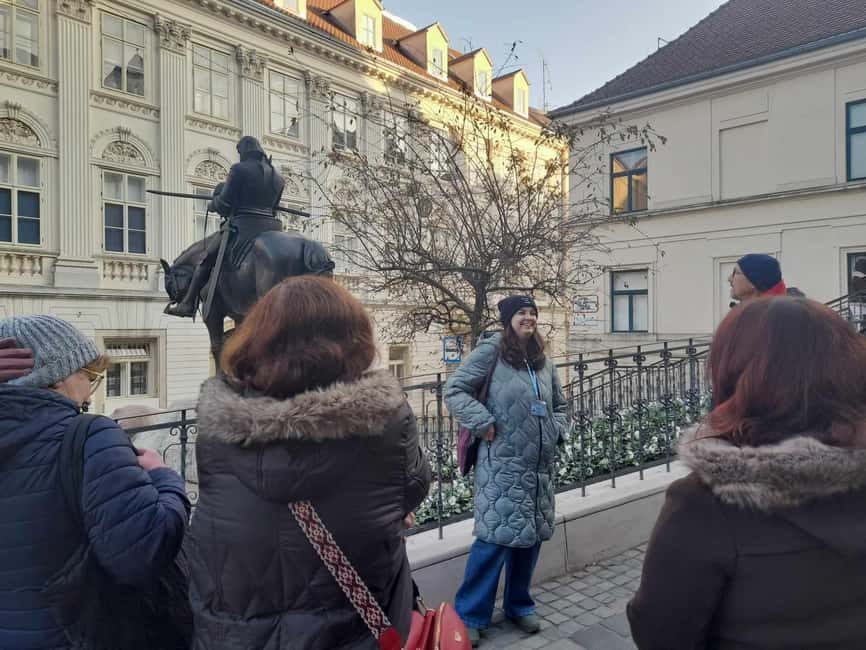
Reviewed · ZAGREB TOURS
Discover Zagreb Tour
Zagreb’s best stories are tucked into its streets, market stalls, gates, and old passageways. This two-hour walking tour gives you a useful first look at the city, moving from Ban Jelačić Square and the Cathedral to Dolac Market and the Upper Town, with local legends woven into the route.
I like the way the tour connects famous sights with everyday Zagreb life, especially at Dolac Market, where Croatian food becomes part of the history lesson. I also like the personal touch from guides such as Ivana, who has offered restaurant, café, bakery, and museum suggestions, and sometimes stays longer to answer questions. The main drawback is the pace: two hours covers a lot, so you will see the sights from the outside rather than spend time inside museums or churches.
Key points to know before you book
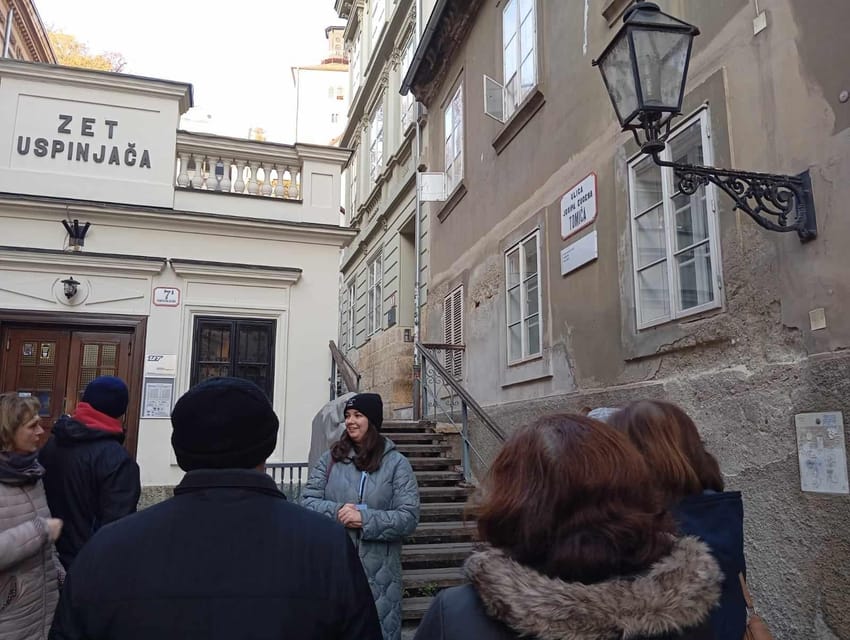
- The route covers Zagreb’s essential old-town sights: You visit the Cathedral, Dolac Market, Tkalčića Street, Stone Gate, St. Mark’s Square, Lotrščak Tower, the funicular area, and Grič Tunnel.
- Local stories are central to the tour: You hear legends linked to Zagreb’s wells, gates, cannon, tunnel, and old streets instead of receiving only a list of dates.
- The route works well as a first-day orientation: You finish back at Ban Jelačić Square, close to the city center and within easy reach of places to eat or continue sightseeing.
- The English-speaking guides add practical advice: Ivana in particular has shared food recommendations, café lists, museum ideas, and help with restaurant reservations.
- The funicular is currently out of service: The tour explains its history and role, but you will not ride it during the renovation.
- Grič Tunnel is not guaranteed during special events: If the tunnel is being used for an event, that part of the visit is left out.
Why this two-hour route is useful in Zagreb
Zagreb can feel confusing at first because the city center has two distinct levels. Ban Jelačić Square and Dolac sit in the lower town, while the Upper Town rises above them through steep streets and stairs. This walk gives you that shape in a short time, making it easier to plan the rest of your visit.
At $23 per person, the tour offers solid value if you want context rather than a simple photo walk. You get a licensed local guide, a route through the main historic areas, and an introduction to Croatian customs, food, and local stories. You do not pay for meals, drinks, museum admissions, or transport, so the price works best for visitors who want a guided orientation and then plan to explore independently.
The group size can be small. Some departures have had only two or three people, which makes it easier to ask questions and adjust the conversation. A larger group would naturally feel less personal, but the route still covers the same core sights.
Meet beside the Manduševac Fountain on Ban Josip Jelačić Square. Look for the guide holding a Discover Zagreb Tour sign. Wear shoes suited to walking on old streets and bring water. The tour is not suitable for wheelchair users or people with mobility impairments because of the uneven streets, slopes, and access around the Upper Town.
A few more Zagreb half-days worth comparing
- Communism & Croatian Homeland War Tour
★ 5.0 · 1,355 reviews - Best of Zagreb with the WW2 Tunnels
★ 5.0 · 973 reviews - Zagreb: Small Group Walking Tour City Center and WW2 Tunnels
★ 4.9 · 895 reviews
Starting at Manduševac Fountain and Ban Jelačić Square
The fountain is a good place to begin because Ban Jelačić Square is Zagreb’s main central meeting point. It is also a useful reference for the rest of your stay. You will return here at the end, so you can easily continue to a café, restaurant, tram stop, or another central sight.
The guide begins by placing Zagreb in context. Instead of treating the square as an isolated monument, you learn how it functions as part of daily city life. This is one of the tour’s strengths: the focus is not only on what a building looks like, but also on why the location still matters to local people.
Guides such as Ivana are especially good at keeping this opening conversational. Her style, according to the information available, combines history with personal recommendations, so you can ask about food, museums, cafés, and places to spend the evening.
Zagreb Cathedral and the route toward Dolac
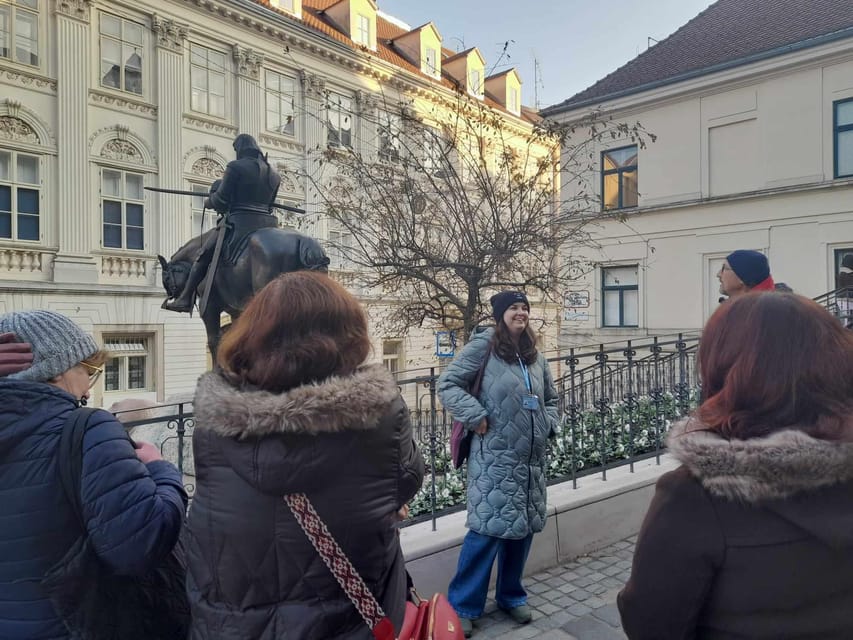
From the fountain, the walk heads to Zagreb Cathedral, one of the city’s best-known landmarks. The guide explains its place in Zagreb’s development and points out details that are easy to miss when you are standing in front of a large church with a camera.
The stop is primarily a guided look rather than a long interior visit. That matters if you want to see the Cathedral in depth, attend a service, or study its art. This tour is designed to give you the story and orientation, not an extended church visit.
From here, you move toward Dolac Market. The short distance helps you see the contrast between formal religious landmarks and the practical center of local shopping. That change of setting makes the route feel like a walk through a living city rather than a parade of monuments.
Dolac Market, where history meets Croatian food
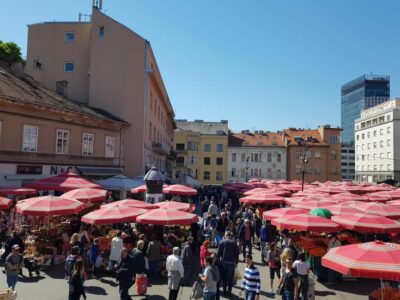
Dolac is one of the most useful stops for a first visit. It is Zagreb’s key market, and the guide uses it to introduce Croatian cuisine and local eating habits. You will not receive food or drinks as part of the tour, but you will gain ideas about what to look for during your own meals.
I like this part because food gives you a direct way into the culture. Names of dishes can blur together during a history talk, but seeing a market and hearing how locals use it gives the information a practical purpose. You can return later to buy something, compare the market with a restaurant, or ask your guide where to try traditional dishes.
The tour does not appear to allow a long shopping break, so keep your expectations sensible. You are seeing and discussing the market, not taking a full food tour. If you want to eat here, plan additional time after the walk.
Same stretch of coast, a completely different kind of day:
- Zagreb: Skip-the-Ticket-Line Museum of Broken Relationships
★ 4.5 · 847 reviews - Zagreb: City and WWII Tunnels Walking Tour
★ 4.9 · 845 reviews - Zagreb: Communism and Croatian Homeland War Tour
★ 4.9 · 779 reviews - Hop On Hop Off Panoramic bus – Zagreb City Tour
★ 3.7 · 769 reviews
Tkalčića Street and Krvavi Most
The route continues along Ivana Tkalčića Street, one of the most recognizable streets in central Zagreb. The guide discusses its role in the city and points out how the area has changed from an older urban setting into a popular place for cafés and food.
Tkalčića is useful for getting a feel for Zagreb after the formal landmarks are over. You see how the old center continues to function as a social space. It is also a good place to note restaurants and cafés for later, although the tour itself does not include a meal or tasting.
Next comes Krvavi Most Street. Its name and story connect to Zagreb’s older divisions and conflicts. This is exactly the sort of stop that can seem like a minor lane when you walk alone, but becomes memorable once you know why it is called what it is.
The route rewards curiosity. If you only want major buildings, these streets may feel less important. If you want to understand how Zagreb’s identity is tied to names, legends, and small urban details, they are valuable.
Stone Gate and Zagreb’s enduring legends
Stone Gate is one of the most atmospheric stops on the walk. The guide explains its legend and why it remains important to many people in Zagreb. This is not just an old entrance in the Upper Town. It is also a place of devotion and memory.
You can expect the guide to spend time on the story behind the gate rather than simply point at the stonework. That makes this section particularly useful for visitors interested in local beliefs and traditions. Zagreb’s legends are treated as part of the city’s living culture, not as dusty tales from a guidebook.
The area can be tight, and the route includes old streets and changes in level. If you have trouble walking uphill or standing for long periods, this is one of the parts to consider carefully before booking.
St. Mark’s Square and the heart of the Upper Town
St. Mark’s Square brings you into Zagreb’s political and civic center. The guide explains why it can be called Croatia’s main square, giving you a clearer sense of the connection between Zagreb and the country as a whole.
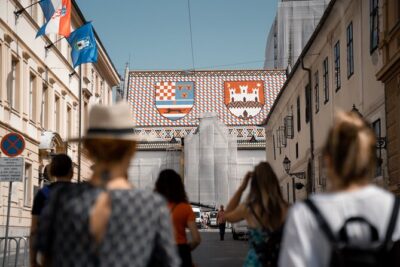
You will see the colorful roof of St. Mark’s Church and the surrounding government buildings. The stop works best as a broad introduction. You are learning what the square represents and how it fits into Croatian public life, rather than taking an architectural tour of every building.
This is also where the tour’s mix of history and current affairs becomes useful. Several people who have taken the walk valued explanations that reached from earlier periods into present-day Croatia. One piece of advice is worth noting: political subjects can sometimes enter the conversation. Most visitors will appreciate the context, but if you prefer a strictly neutral sightseeing talk, you may want to steer questions toward architecture, culture, or food.
Lotrščak Tower and the daily cannon
Lotrščak Tower is one of the most memorable stops because of its cannon tradition. The guide explains why a cannon fires each day and how the tower helped protect the Upper Town.
This is a good example of what the tour does well. A tower can look impressive but remain forgettable without a story. Once you understand the purpose behind the cannon, you have a detail to listen for during the rest of your stay.
The stop is also linked to views and the layout of the old city, although the tour is not described as a dedicated viewpoint visit. If you want to climb the tower or spend time taking photographs, you may need to return on your own.
The funicular story and Grič Tunnel
The route includes Zagreb’s famous short funicular, known locally as Uspinjača. The guide explains its history and why it matters to the city. At present, the funicular is not operating because of extensive renovation, so this is a storytelling stop rather than a ride.
That limitation is easy to overlook when booking. If riding the funicular is a top priority, this tour will not provide it during the renovation period. You still learn about the route and its role in connecting the lower and Upper Towns, but you will walk instead.
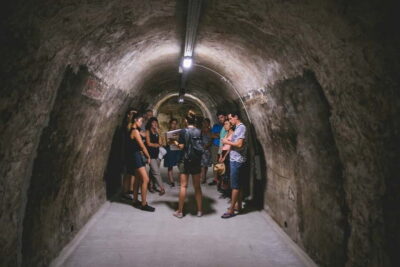
The final major sight is Grič Tunnel. Entering the tunnel gives the walking tour a change of mood after the open squares and streets. You learn about this less visible part of Zagreb and how it fits into the city’s story.
Tunnel access is subject to special events. If an event is taking place, the visit is not included. This is a practical point to keep in mind, especially if Grič Tunnel is the stop that interests you most.
What the guides add to the experience
The clearest strength of this tour is the guide. Ivana is frequently identified as the guide, and other departures have been led by Antonia, Ivanka, or a guide known as Stiklec. The useful pattern is consistent: friendly delivery, strong English, clear explanations, and time for questions.
Ivana has offered practical suggestions for brunch, restaurants, beer places, cafés, fast food, bakeries, and museums. She has also helped with restaurant reservations. That sort of advice can save you from choosing a place at random, especially on a short stay.
Some visitors received a small licitar heart, a traditional Croatian decorative item, as a keepsake. It is not listed as a guaranteed inclusion, so treat it as a possible personal touch rather than something you are paying for.
The best guides on this route avoid turning Zagreb into a string of dates. They connect the past with ordinary life, explain local habits, and add stories that help you remember the places. The tour has also worked well in poor weather, including rain and snow, but you should dress for the conditions. Two hours outdoors can feel long if you arrive in light clothing and uncomfortable shoes.
Who should book this Zagreb walk
I would choose this tour if you have only a day or two in Zagreb and want to get oriented quickly. It also suits you if you prefer walking to a hop-on-hop-off bus, since the route reaches narrow streets and historic corners that a large vehicle cannot access.
It is a good fit for first-time visitors, couples, solo visitors, and small groups who like asking questions. Food-minded visitors will also get useful direction at Dolac Market and through the guide’s restaurant suggestions.
You may want something else if you need wheelchair access, dislike hills and uneven paving, or want long interior visits. This is an overview walk, not a museum tour, food tour, or funicular ride.
Cancellation is free up to 24 hours before the start, and you can reserve now and pay later. Those options help if your Zagreb schedule is still moving around, but the main decision is physical: can you comfortably manage two hours on foot through the old center?
Should you book the Discover Zagreb Tour?
Yes, if you want a friendly introduction to Zagreb that mixes major sights with local stories and practical food advice. At $23, the tour is reasonably priced for a licensed guide and a well-planned route through the Cathedral area, Dolac, the Upper Town, Lotrščak, and Grič Tunnel.
Book it early in your stay so you can use the recommendations afterward. Just remember that the funicular is closed during renovation, Grič Tunnel can be unavailable during special events, and the route is not suitable for wheelchair users or people with mobility limits.
FAQ
How long does the Discover Zagreb Tour last?
The tour lasts two hours.
How much does the tour cost?
The price is $23 per person.
Where does the tour meet?
Meet next to the Manduševac Fountain on Ban Josip Jelačić Square. The guide will hold a Discover Zagreb Tour sign.
Where does the tour finish?
The tour finishes at Ban Josip Jelačić Square.
What language is the tour conducted in?
The live tour guide speaks English.
Is food included?
No. Food and drinks are not included.
Can I ride Zagreb’s funicular during the tour?
No. The funicular is currently not operating because of extensive renovation. The guide explains its history and significance instead.
Is the Grič Tunnel always included?
No. The Grič Tunnel visit is not included when a special event is taking place there.
Is the tour suitable for wheelchair users?
No. The experience is not suitable for wheelchair users or people with mobility impairments.
Just added around Zagreb
- Toast to the Morning After: Zagreb Museum of Hangovers Visit★ 4.0 · 39 reviews
- Private Walking Tour of Zagreb★ 4.9 · 5 reviews
- Jump into Zagreb: Walking Tour with local guide★ 4.8 · 3 reviews
- From Zagreb: Varazdin Baroque Town & Trakoscan Castle★ 4.9 · 38 reviews
- From Zagreb:Discover North Croatia, Museums, Castle and City★ 5.0 · 26 reviews
- From Zagreb: Prehistoric and Medieval Croatia Tour★ 4.9 · 3 reviews
- From Zagreb: Mrežnica kayaking & Rastoke village – day trip★ 4.9 · 27 reviews
- Exclusive old Zagreb walking tour★ 4.4 · 32 reviews
Zagreb Tours, compared.
Zagreb: Small Group Walking Tour City Center and WW2 Tunnels
Read our review →
Zagreb: Skip-the-Ticket-Line Museum of Broken Relationships
Read our review →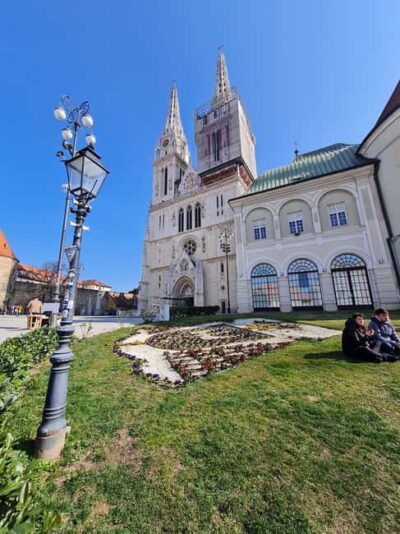
Zagreb: Communism and Croatian Homeland War Tour
Read our review →
Hop On Hop Off Panoramic bus – Zagreb City Tour
Read our review →
Ljubljana and Bled Lake – Small Group – Day Tour from Zagreb
Read our review →Browse the lists this tour appears in