

Reviewed · FOOD & DRINK
Zadar: Hinterland Hidden Treasures, Nature, History, Tasting
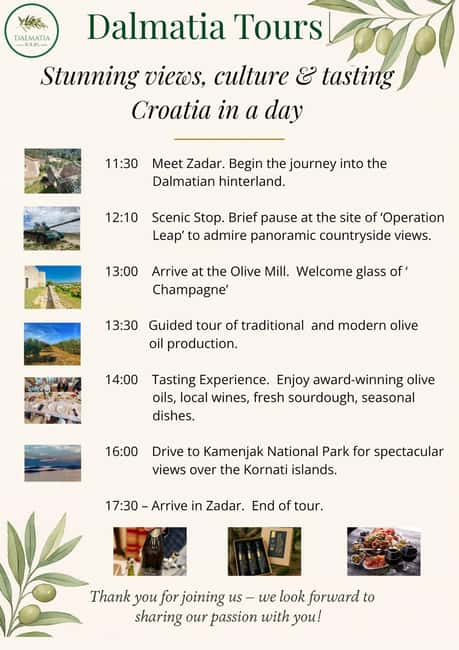
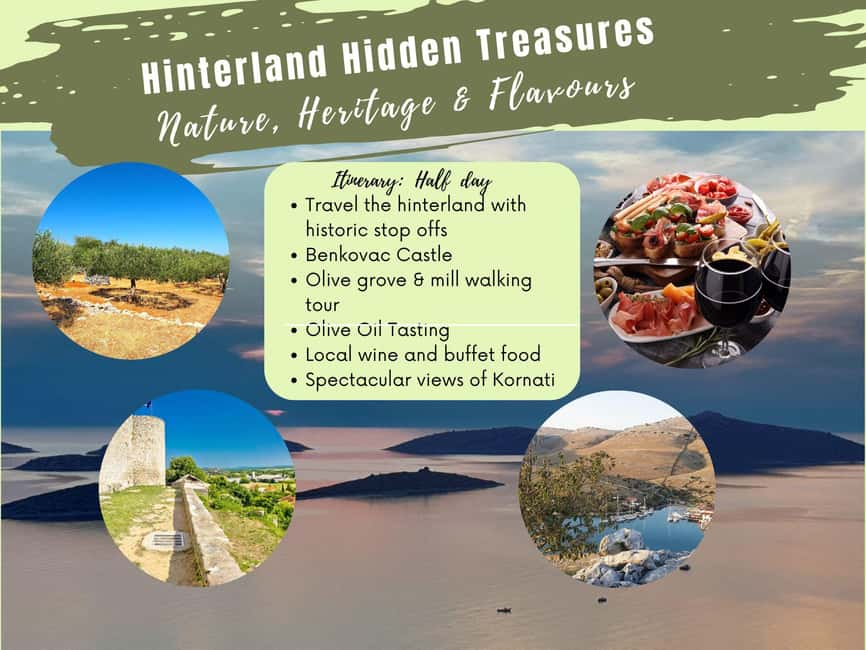
The best part of this half-day outing is the way it links recent Croatian history with food you can taste right away. You move from a tank memorial and a medieval fortress to an olive mill, where the land, climate, and family know-how become extra virgin oil, wine, and lunch.
I like the small group size, capped at eight in the minibus, and the honest oil tasting, which compares award-winning oils with lesser oils so you learn what quality means. The main consideration is that this is a busy four-and-a-half hours, with several drives and only about 30 minutes at Benkovac Castle.
Key points to know before booking

- A family olive grove is the heart of the day: You walk among the trees, visit the mill, and taste oil with guidance rather than simply sampling it at a table.
- The history is recent as well as medieval: The tank memorial from Operation Leap introduces Croatia’s struggle for independence before you reach Benkovac Castle.
- Lunch is included: Seasonal Dalmatian food is served under the trees, finished with the family’s oil and paired with a glass of local red or white wine.
- Kamenjak provides the grand finale: From above Lake Vrana, you can look across vineyards and olive groves toward the Kornati Islands.
- The format is compact: The tour runs roughly from noon or 12:30 to 5:00, depending on the confirmed departure time.
- The price covers the main experience: At $44 per person, transport, site visits, tastings, lunch, and the health presentation are included. Oil and wine purchases are extra.
Why this Zadar half-day trip works
Zadar gives you Roman ruins, sea views, and an easy base for exploring the coast. Yet the inland side of Dalmatia tells a different story. Here, the pace is slower, the villages are smaller, and olive oil is not just a souvenir. It is part of daily cooking, family work, and local identity.
This tour gives you that contrast without taking a full day. You leave the central bus station, ride into the countryside, see two historic sites, then spend the largest portion of the outing at a family olive grove and mill. The final viewpoint brings the coast back into sight.
I especially like the balance between explanation and eating. The oil tasting is not treated as a quick sample before lunch. You learn about aroma, balance, production, and high-polyphenol oil, then get food that shows how the oil works at the table.
The format also suits you if you prefer a social outing without a large coach crowd. The usual minibus carries no more than eight people, though the operator may use an air-conditioned coach for groups of up to 16. That distinction matters, so check the confirmed vehicle when booking if a small group is important to you.
More Historical Tours in Zadar
- Zadar: Virtual Reality Guided History Walking Tour
★ 4.4 · 86 reviews - Zadar: Private Walking Tour Through 3,000 Years of History
★ 4.7 · 71 reviews - Zadar: Private walking tour through history and modern time
★ 5.0 · 10 reviews
From Zadar to the Operation Leap tank memorial
Meet at the parking area beside Zadar’s main central bus station, close to McDonald’s. Look for the vehicle with an olive oil advertising board on its side. The ride inland takes about 20 minutes, giving you a quick change from city streets to open countryside.
The first stop is a tank memorial connected with Operation Leap. This is not a polished palace or a scenic photo prop. It is a direct reminder of Croatia’s struggle for independence and the conflict that shaped modern Dalmatia.
That opening stop gives the rest of the outing useful context. You are not only hearing about ancient rulers and old stone walls. You are also learning why the inland region has such a complicated past. The visit is brief, around 10 minutes, so expect a focused explanation and a chance to take photographs rather than a long museum-style presentation.
For many people, this will be the most serious part of the afternoon. It deserves attention, especially if you know little about Croatia’s recent past. If your main goal is food and scenery, keep in mind that the tour begins with history before moving into the more relaxed olive grove visit.
Benkovac Castle and Dalmatia’s frontier past
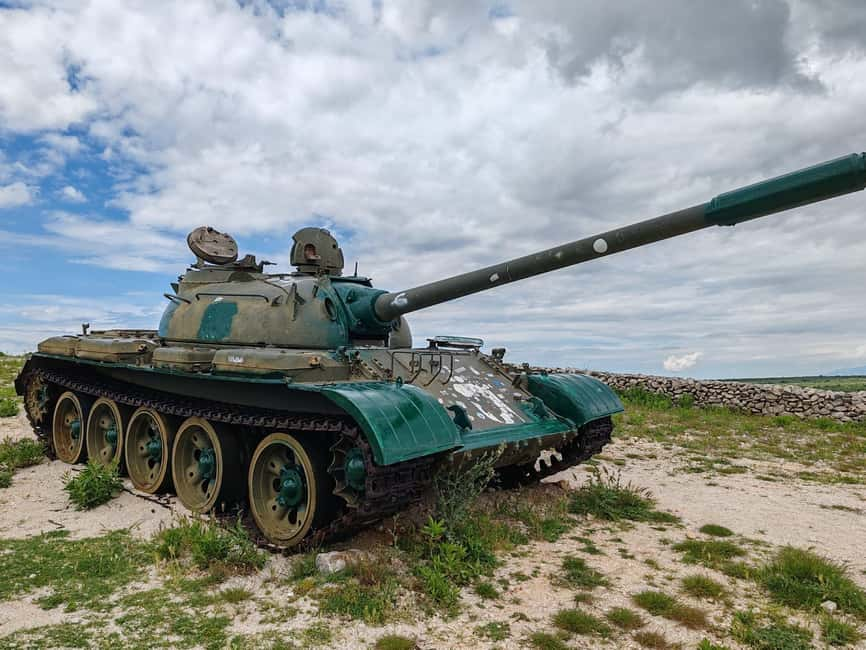
After another short drive, you reach Benkovac for about 30 minutes. The 15th-century castle sits on a hill and reflects the area’s role as a frontier between the coast and the inland routes.
You can explore the old stone walls and take in the broad views from the fortress. The guide provides the historical background, while part of the visit may be self-guided. That combination gives you room to look around at your own pace, but the short stop means you will not have time for a slow, detailed study of every corner.
Benkovac helps explain why Dalmatia’s inland towns have seen so many changes of power. The castle is more than an old building. Its position shows the value of controlling movement between the Adriatic coast and the interior.
I would not choose this tour solely for castle time. Thirty minutes is enough to see the site, hear the main story, and take photographs, but not enough for a full archaeological visit. Its value comes from how it fits into the larger day: the tank memorial covers recent conflict, and the fortress reaches back to an earlier period of rivalry and change.
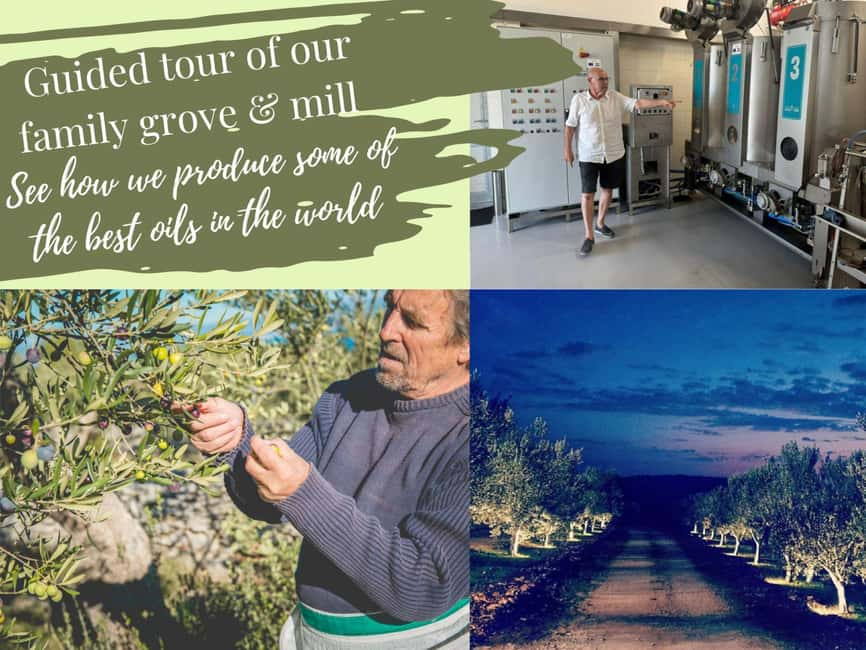
Walking through the Lepuri olive grove
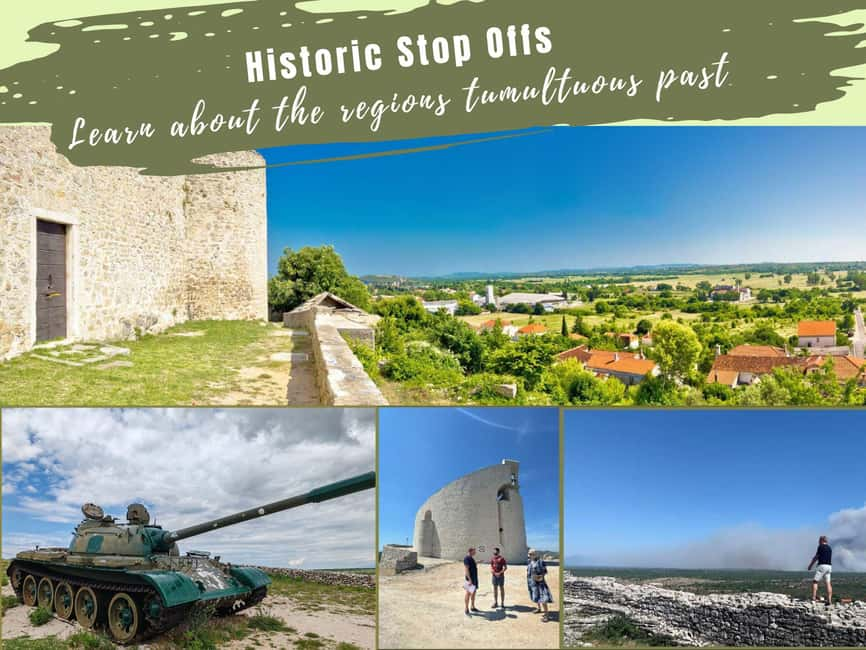
The longest stop takes place near Lepuri at a family-owned olive grove and mill. You are welcomed with a glass of local sparkling wine, described as Dalmatia’s answer to champagne, before walking among the olive trees.
This is where the outing becomes hands-on. You learn how the soil, weather, and local tradition affect the final oil. The guide also explains the family’s production methods and the role of modern equipment in a business built on generations of knowledge.
The walk is gentle, but you are still outdoors in a rural setting. Wear comfortable shoes and bring protection from the sun if needed. The tour data does not promise a long hike, and this is not designed as a strenuous nature walk. It is a close look at the trees and the work behind the bottle.
Inside the mill, you see how olives are cold-pressed. That detail matters. The point is not simply to tell you that the oil is fresh or local. You get a clearer sense of how the fruit is handled and why production methods affect taste and quality.
The hosts are described as natural storytellers with strong knowledge of regional history, olive oil, and cuisine. That suits this setting. A family mill is most interesting when someone can connect the machinery to local habits, seasonal work, and the food you eat later.
More food and drink experiences in Croatia:
- From Split: Krka Waterfalls, Food & Wine Tasting Tour
★ 5.0 · 9,326 reviews - From Split: Krka Waterfalls, Food & Wine Tasting Tour
★ 4.9 · 6,598 reviews - Split: Blue Lagoon and 3 Island Cruise with Food and Drinks
★ 4.8 · 1,969 reviews - Krka National Park Tour with tour Guide & Wine tasting from Split & Trogir
★ 5.0 · 1,625 reviews
Learning to taste extra virgin olive oil
The oil lesson is one of the strongest reasons to book this outing. You taste award-winning oils alongside lesser oils, then learn to notice aromas, balance, and quality. This comparison is far more useful than tasting one premium oil and being told that it is good.
You also hear about high-polyphenol oil and its health benefits. The presentation connects olive oil to the Mediterranean way of eating, but it remains tied to the products in front of you. You can ask questions and learn why two oils can look similar while tasting quite different.
This is a practical skill you can use after returning home. You may leave with a better idea of what you enjoy, how fresh oil should taste, and why price differences can exist. The experience also helps you avoid treating every bottle labeled extra virgin as equal.
You can buy oil or wine to take away, but those purchases are not part of the $44 price. It is wise to decide in advance how much luggage space you have. The tasting itself is included, and you are not required to buy anything.
Local wine and a Dalmatian lunch under the trees
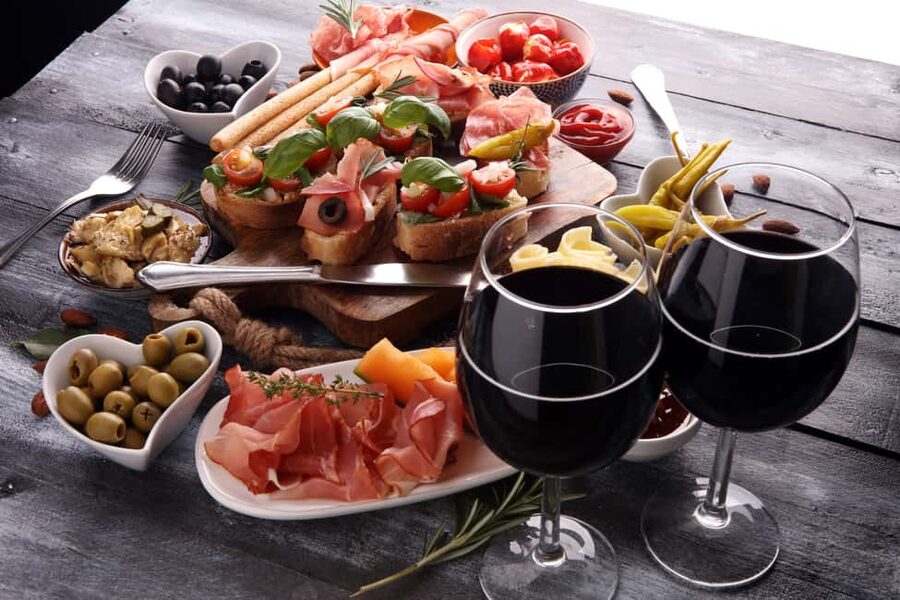
After the oil lesson comes a tasting of red and white wines made from native Croatian grape varieties. This is a good addition because it keeps the focus local. You are not tasting generic international labels in a rural setting. The wines reflect Croatian grapes and the connection between soil, tradition, and flavor.
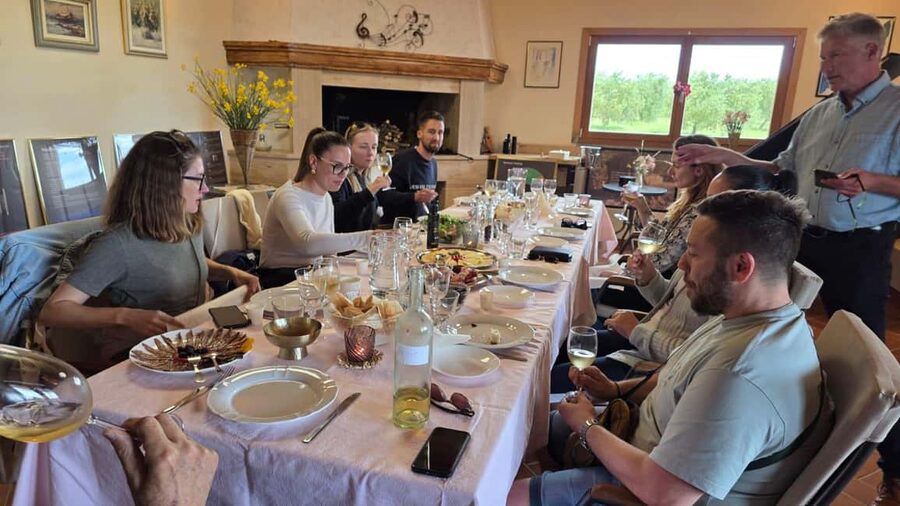
You choose a glass of local red or white wine with lunch. The meal features seasonal regional dishes served under the trees and finished with the family’s best oil. The precise menu is not fixed, which is normal for a seasonal meal and means you should not book this expecting a particular dish.
I like that the lunch is part of the experience rather than an unrelated restaurant stop. You have just seen the grove and mill, learned how the oil is made, and practiced tasting it. Then you get to use it in the most convincing way possible, with ordinary regional food.
The meal also makes the $44 fare easier to judge. Transport, the historic stops, oil instruction, wine tasting, food, and the mill visit are bundled together. A half-day of separate admissions and tastings could add up quickly, though the best value will be for you if you genuinely enjoy food education and local products.
The lunch is served in a relaxed outdoor setting, but conditions can change with the weather. The provided details do not promise indoor dining or a choice of several menus, so mention dietary needs when arranging your booking rather than assuming the meal can be adjusted.
Kamenjak above Lake Vrana
The final stop is Kamenjak Nature Park, high above Lake Vrana. From the viewpoint, you can see vineyards, olive groves, and the Kornati Islands in the distance. It is a strong closing scene because it gathers together the elements you have seen all afternoon: water, fields, vines, trees, and the Adriatic horizon.
The view is also a reminder that the inland and coastal parts of the region belong to the same place. You start in Zadar, pass through historic countryside, and finish looking back toward the island world that draws so many people to the coast.
The information provided describes this as a scenic final stop, not a long walk or a demanding park excursion. Expect time for photographs and quiet looking rather than a full nature hike. If you want a major national park visit with marked trails, this is not that kind of trip. If you want a memorable viewpoint added to a food-and-history outing, it fits well.
A final drive of about 50 minutes returns you to the Zadar bus station. The total schedule includes several short transport sections, so the ride back gives you time to rest after lunch and tastings.
Timing, transport, and group size
The published duration is 4.5 hours, with the main schedule running from about 12:30 to 17:00. The practical notes also describe pickup around noon, with a prompt departure. Confirm the exact starting time before the day of the tour, especially if you have an afternoon reservation in Zadar.
The meeting point is simple: the parking area at the central bus station, near McDonald’s. The operator may contact you by WhatsApp or phone to confirm timing or report changes. Be ready to leave on time, since the schedule includes several stops and does not leave much room for late departures.
Transport is air-conditioned. The normal small-group format holds up to eight people in a minibus, while a larger group may travel in a coach holding up to 16. That is still a moderate group, but it will feel different from the intimate minibus version.
The tour is offered in English. It is not designed for children under 12, babies under one, or people over 95. Those limits are worth taking seriously because the afternoon includes vehicle time, outdoor stops, and a hilltop viewpoint.
Free cancellation is available up to 24 hours before departure, and you can reserve now and pay later. Those terms help if your Zadar plans are still shifting, but the most important practical step is confirming the pickup time.
Is the $44 price good value?
At $44 per person, this is good value if you want several experiences in one half-day. You receive transport from Zadar and back, access to Benkovac Castle, the tank memorial stop, a guided olive grove and mill visit, oil tasting instruction, wine tasting, a traditional lunch, and the Kamenjak viewpoint.
The strongest value comes from the olive oil lesson and included meal. A basic sightseeing transfer would not teach you how to compare oils or connect them to local cooking. A food tour, meanwhile, may not include a castle, a war memorial, and a panoramic stop.
There are limits. The historic visits are brief, and the tour is not built around long walks or extended time at any single site. You also pay extra if you buy bottles to take home. Still, the fare covers enough food, transport, interpretation, and scenery to make it a sensible choice for a short stay in Zadar.
Who should book this experience?
I would recommend it to you if you want to get beyond Zadar’s old town but have only half a day. It is especially suitable if you like local food, small producers, history, and scenic drives more than beach time or active hiking.
It also works well for anyone who normally avoids organized tours but wants a simple way to reach the inland sights. You do not need to arrange a rental car, find the olive mill, or work out the route to Kamenjak. The small-group format keeps the outing more personal than a large sightseeing bus.
You may want a different tour if you need a slow schedule, a full castle visit, or a serious nature walk. The afternoon moves at a steady pace, and the main olive grove stop carries much of the program.
Should you book it?
Book this tour if you want one compact afternoon that explains Dalmatia through history, olive oil, wine, and views. The oil comparison lesson, family mill, seasonal lunch, and Kamenjak lookout give the day real substance, while the tank memorial and Benkovac Castle add context beyond the dinner table.
Skip it if you want to spend hours at one historic site or prefer an active hike. For most visitors with limited time in Zadar, though, the $44 price covers a useful mix of inland culture and food, with the small group and included lunch making the choice particularly easy.
FAQ
Where does the tour start in Zadar?
It starts in the parking area of Zadar’s main central bus station, close to McDonald’s. The vehicle has an olive oil advertising board on its side.
Where does the tour end?
The tour returns to the same meeting point at the central bus station in Zadar.
How long does the experience last?
The experience lasts about 4.5 hours. The main schedule is listed as roughly 12:30 to 17:00, while the practical pickup information describes a departure around noon, so confirm the exact time.
What language is the tour offered in?
The live tour guide speaks English.
How many people are in the group?
The small-group minibus can carry up to eight people. For larger bookings, an air-conditioned coach may carry up to 16 people.
Is lunch included?
Yes. You receive a traditional Dalmatian lunch with seasonal regional food, award-winning olive oil, and your choice of a glass of local red or white wine.
Are wine and olive oil tastings included?
Yes. The experience includes local red and white wine tasting, a sparkling wine welcome, and guided tasting of award-winning and lesser olive oils.
Can I buy olive oil or wine?
Yes. You can purchase olive oil or wine to take home, but those purchases are not included in the tour price.
Is the tour suitable for children?
It is not suitable for children under 12 years old or babies under one year old.
Can I cancel for a refund?
You can cancel up to 24 hours in advance for a full refund. You can also reserve now and pay later.
More Historical Tours in Croatia
- Dubrovnik Old Town History Walking Tour
★ 5.0 · 1,684 reviews - Walking Tour of Split with a ‘Magister’ of History
★ 5.0 · 1,122 reviews - Split Walking Tour with Professor of History
★ 5.0 · 926 reviews - Split: History and Heritage Walking Tour
★ 4.9 · 650 reviews
Just added around Croatia
- Welcome to Dubrovnik Walking Tour★ 5.0 · 36 reviews
- Walls Of Dubrovnik: Small-Group Walking Tour With A Local★ 5.0 · 67 reviews
- Dubrovnik at War 1991-1992 Private Walking Tour★ 5.0 · 4 reviews
- Olive farm & village★ 5.0 · 41 reviews
- City Walls of Dubrovnik★ 5.0 · 70 reviews
- Walls of Liberty: A Self-Guided Audio Tour of Dubrovnik★ 3.5 · 3 reviews
- Trebinje Gastro Tour From Dubrovnik★ 4.5 · 12 reviews
- Try Scuba Diving Discovery in Dubrovnik★ 5.0 · 43 reviews
Food & Drink, compared.
From Split: Krka Waterfalls, Food & Wine Tasting Tour
Read our review →From Split: Krka Waterfalls, Food & Wine Tasting Tour
Read our review →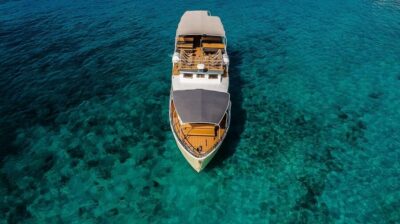
Split: Blue Lagoon and 3 Island Cruise with Food and Drinks
Read our review →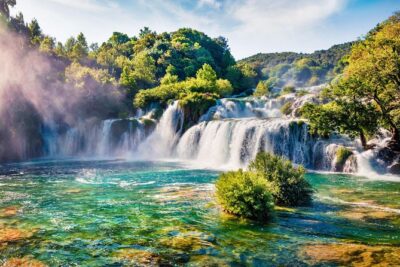
Krka National Park Tour with tour Guide & Wine tasting from Split & Trogir
Read our review →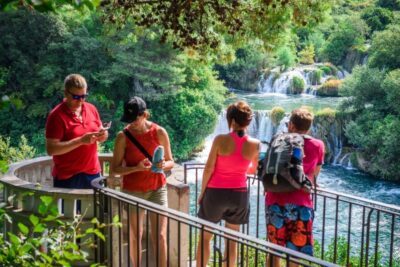
Split/Trogir: Krka National Park Day Trip with Wine Tasting
Read our review →
Full-Day Catamaran Cruise to Hvar & Pakleni Islands with Food and free Drinks
Read our review →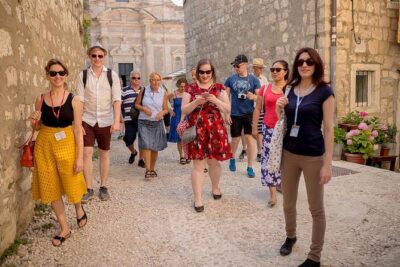
Dubrovnik Food and Drink Walking Tour with a Local Guide
Read our review →
Dubrovnik Guided Group Tour with Ston Oyster tasting from Split & Trogir
Read our review →Browse the lists this tour appears in