
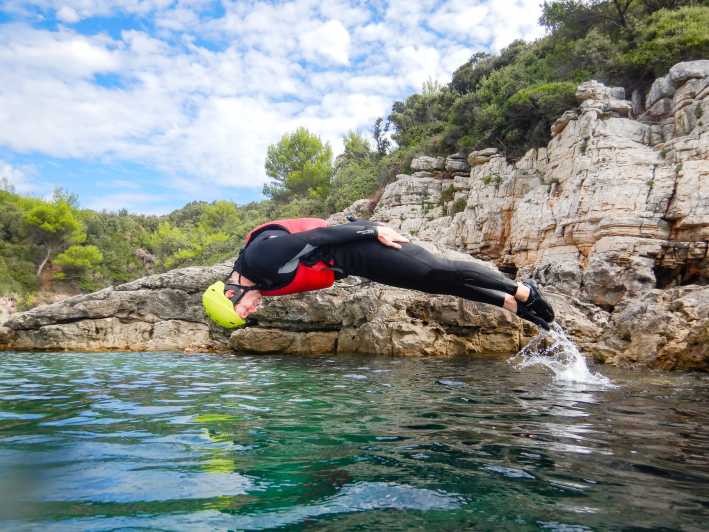
Reviewed · HIDDEN BAYS AND SEA CAVES
Pula: Coasteering Adventure with Guide and Photos
Pula’s coastline becomes a natural obstacle course here. You’ll move through the intertidal zone by swimming, scrambling over rock, squeezing through openings, and jumping into the sea. The route reaches small caves, tunnels, cracks, and a beautiful narrow canyon that you would likely miss from a beach or boat.
I like the mix of wildlife and action, especially the chance to spot crabs, tiny fish, and sea cucumbers while learning how these animals cling to the rocks. I also like that your guide can adjust the outing toward more caves, more nature, or more jumps, with photos taken during the action.
This is not a gentle coastal stroll. You need to swim, stay steady on uneven rock, and feel comfortable with heights. The highest jump is 10 meters, though you begin at only 0.5 meters and can choose how far to go.
Key points to know before you book
- The route covers about 1 kilometer of wild Pula coastline, using both land and water.
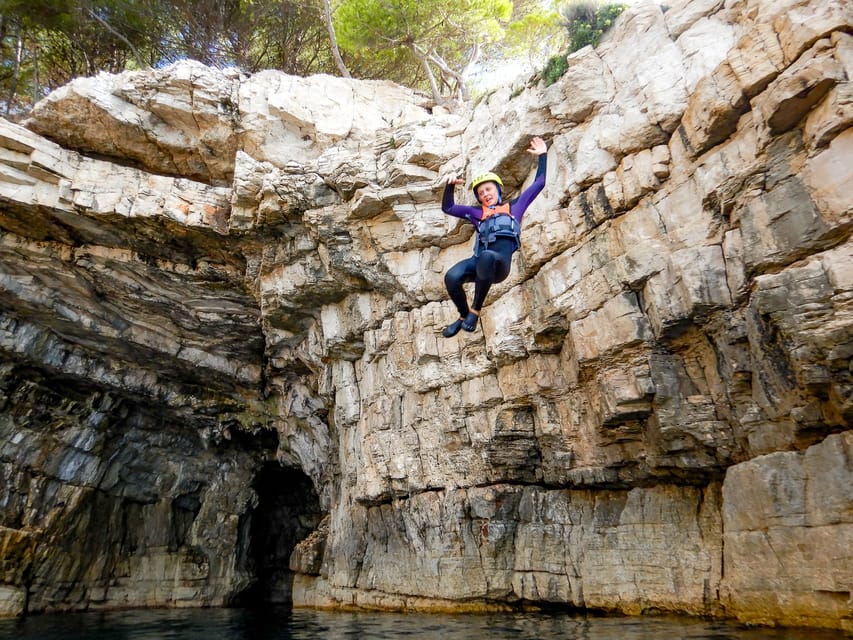
- Jumps begin at 0.5 meters and can reach 10 meters, so you control how adventurous the outing becomes.
- The wildlife lesson is part of the activity, with chances to see crabs, tiny fish, sea cucumbers, and animals fixed to the rocks.
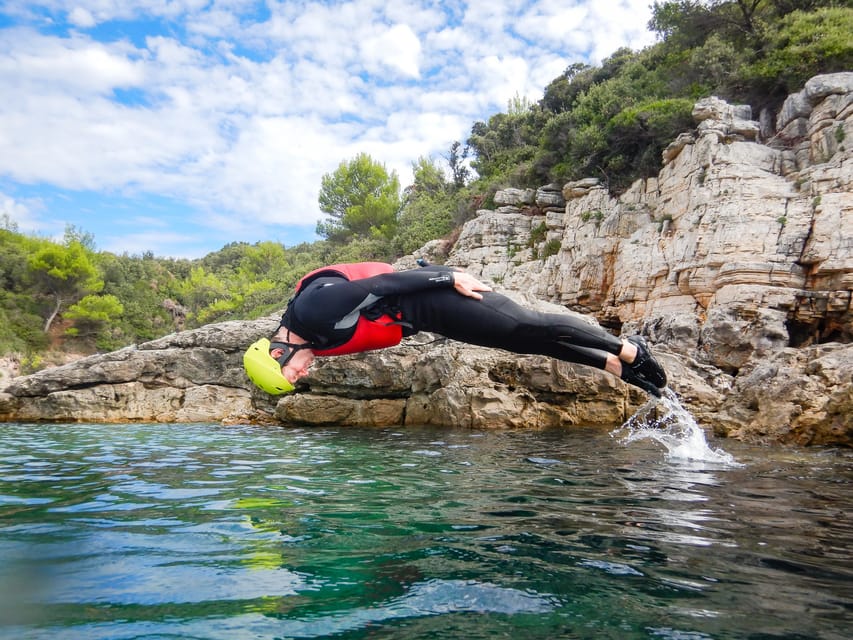
- The guide takes digital action photos, including mid-leap shots.
- Equipment is included, with a wetsuit, life vest, and helmet supplied.
- You must be a capable swimmer with a decent fitness level, and the activity is not suitable for children under 12, pregnant women, people with mobility impairments, or people with vertigo.
Pula’s coast becomes the route
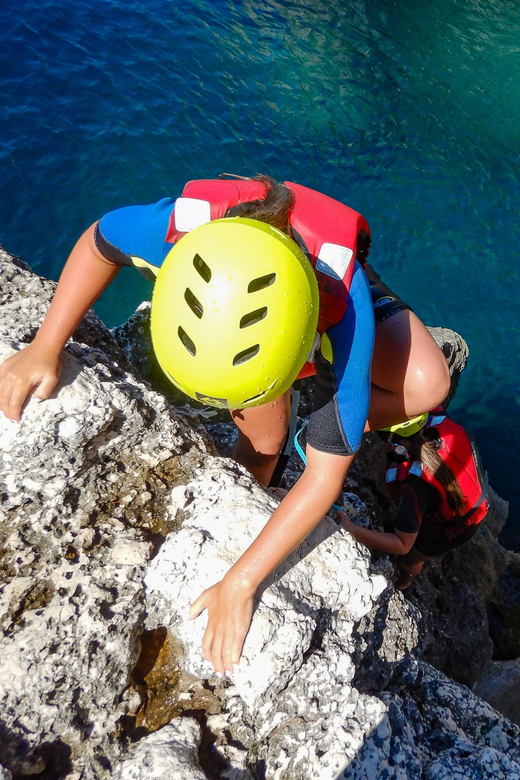
This coasteering trip explores roughly 1 kilometer of the coast near Valovine Beach. Coasteering is part walk, part swim, and part rock scramble. You do not follow a marked path. Instead, the water and rocks set the route, and the guide shows you how to pass each obstacle safely.
That format makes the outing feel more active than a standard beach excursion. You may walk across exposed rock, swim around a ledge, climb over a low shelf, or pass through a narrow opening. The coast is still wild enough to offer cracks, holes, tunnels, and small caves rather than a polished visitor attraction.
The first task is learning how to move safely. That matters because wet coastal rock can be awkward underfoot, and the activity requires you to change pace often. A helmet, life vest, and wetsuit help, but they do not remove the need for balance and care.
You should expect to get wet from the start. Bring swimwear, a towel, a full change of clothes, water, snacks, and water shoes. Bare feet are not allowed, which is sensible on a route involving rough rock and sea life.
More Sea Cave Tours in Pula:
- From Fazana: Sea caves, hidden island, cliffs and more…
★ 4.9 · 12 reviews - Blue Cave, Green Cave & Lopud Beach small group Speed boat Tour
★ 5.0 · 2,572 reviews - Blue & Green Cave,Sunj beach Small Group Tour with Speedboat
★ 5.0 · 677 reviews
Starting at Valovine Beach near Stoja
You meet at Valovine Beach, at the white beach hut used by the Pula Kayak and SUP beach rental center. The location is near campsite Arena Stoja. When you reach the small roundabout and bus stop in front of the campsite, take the first exit to the right and continue about 300 meters to the beach.
The GPS location is 44.861922, 13.810854. I would use the map pin rather than rely only on the written directions, especially if you are arriving by car or taxi. The activity ends back at this same meeting point, so you do not need to arrange a second pickup point along the coast.
There is a practical detail worth knowing before you arrive. One German-language comment raised concerns about the condition of the toilets and showers, while also noting that this was not the activity operator’s fault. Treat the beach center as a simple launch point, not a full resort facility.
Learning the coastline by moving through it
Once you have your equipment, the guide explains the basic movements and safety points. This introduction helps you understand how to use the rock without rushing. You might climb across a low ledge, move through shallow water, or swim around an obstruction.
The activity is guided in English and Croatian. One guide praised in the supplied feedback was Thea, who spoke German and English and shared information about nature and the history of each area. You should not assume every departure has the same guide, but Thea is one of the names associated with this experience.
The guide’s role is especially useful on a route like this. A local guide can point out where the rock is easier to cross, where a tunnel opens, and which jump is suitable for your comfort level. You are not simply handed safety gear and sent along the shoreline.
The outing can also be shaped around your interests. If wildlife appeals to you, you can spend more time examining the intertidal zone. If the main goal is physical activity, you can spend more time climbing and jumping. If caves and unusual rock formations interest you most, the guide can put more attention there.
Sea caves, tunnels, and a small canyon
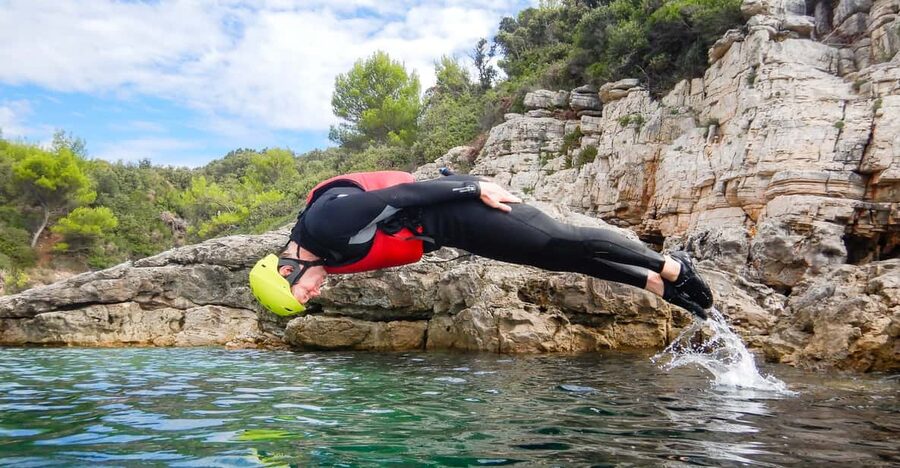
The most distinctive part of the route is the close look at the coast itself. From the waterline, ordinary rocks become a maze of small openings and passageways. You may peer into holes, move through cracks, and explore tunnels and caves carved into the shoreline.
The small canyon is a special feature. It gives the trip a canyoning feel, but the setting is the sea rather than an inland river gorge. You will not be touring a large cave system. The appeal is the variety packed into a short stretch of coast: rock walls, water passages, narrow gaps, and places where the sea meets the stone.
That variety keeps the trip from becoming repetitive. A typical beach swim gives you water and views. This activity asks you to interact with the shore itself. You climb over it, pass through it, and sometimes jump from it.
The tradeoff is that the route may feel demanding if you prefer predictable footing. The supplied information does not give a fixed duration or group size, so you should ask about those details before booking if they matter to your plans. The guide tailors the outing, which is useful, but it also means the exact rhythm can change from one departure to another.
A few more Pula half-days worth comparing
- Pula: Arena Entrance Ticket
★ 4.3 · 2,590 reviews - Medulin -Kamenjak 5h boat trip with lunch & drinks on Sandra Boat
★ 5.0 · 1,621 reviews - Full-Day Boat Tour of the Medulin Archipelago from Medulin
★ 5.0 · 1,389 reviews - 3hours all inclusive Sunset&Dolphin Tour from Medulin on Sandra
★ 5.0 · 1,130 reviews
The intertidal zone, up close
The intertidal zone is the strip of coast covered by water at high tide and exposed at low tide. Here, the animals must cope with waves, changing water levels, and slippery rock. The guide introduces the creatures living in this tough little environment.
Look for animals attached to the rocks, along with crabs, tiny fish, and sea cucumbers. These are small discoveries, not the kind of wildlife spectacle where you sit back and wait for a large animal to appear. The reward comes from noticing what is easy to miss.
I like this part because it gives purpose to the slower sections of the route. When you stop to examine a crack or shallow pool, you are not simply catching your breath. You are seeing how life fits into the narrow space between land and sea.
The wildlife focus also makes the outing more than a series of jumps. You get a better sense of the coast as a living place. Families with older children might appreciate that element, but the age limit is 12 and the physical demands remain real.
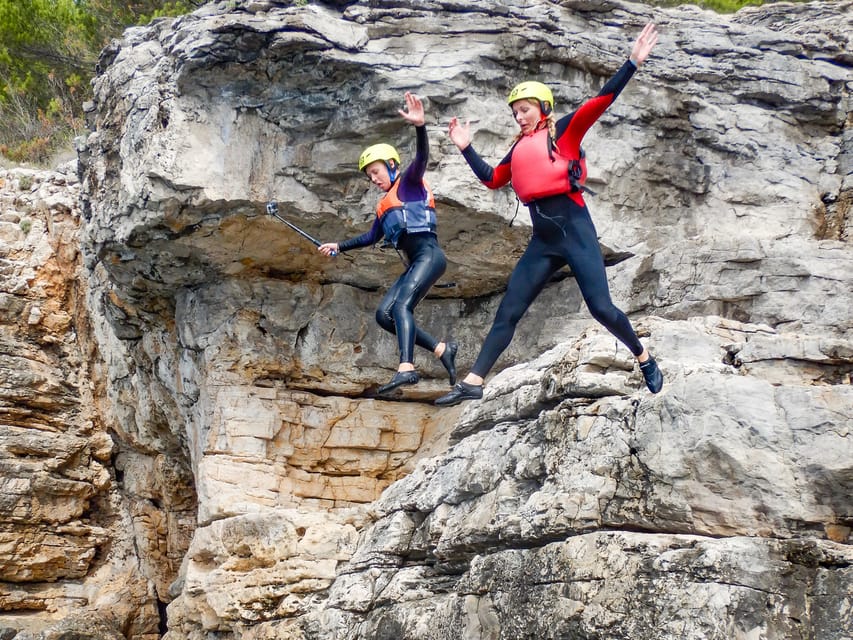
Jumps from 0.5 to 10 meters
The jumping starts low, at about 0.5 meters above sea level. That lets you get used to the water entry and the setting before deciding if you want more height. The highest cliff is 10 meters above sea level.
You do not have to take the highest jump. A sensible approach is to treat the heights as options, not targets. Tell the guide what feels comfortable, and choose the level that keeps the outing fun rather than tense.
The jump sequence is one of the most appealing parts for active visitors, and it gives the guide a clear way to adapt the experience. Someone who wants a relaxed outing can stay with lower jumps and more swimming. Someone seeking a stronger adrenaline hit can work upward if conditions and confidence allow.
Still, this is a serious consideration for anyone with vertigo or a fear of heights. The activity is specifically not suitable for people with vertigo, and the guide cannot make the cliffs disappear. You also need to be a non-swimmer, so this is not the place to learn basic water confidence.
Photos that capture the action
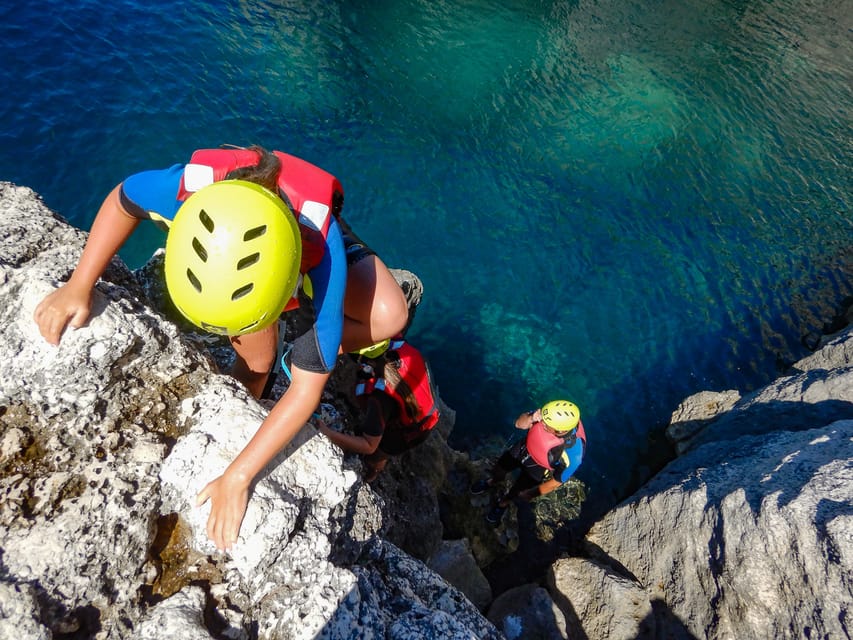
Your guide takes digital photos during the activity. The aim is not just a group picture at the beach. The photos include action moments, such as a leap from the rocks, so you can keep a record without trying to protect your phone near the water.
That is a real advantage. Coasteering is difficult to photograph from the participant’s point of view. Your hands may be busy climbing, and a phone is a poor companion on wet rock. Having the guide handle the camera lets you focus on the route.
Photo quality and the number of images are not specified, so I would treat the photos as a welcome extra rather than the main reason to book. The best souvenir is still the experience of moving through the coastline, but the pictures add lasting value to the $47 price.
Equipment, comfort, and physical demands
The price includes a short or long wetsuit, depending on the season, plus a life vest and helmet. That keeps you from needing to rent the main safety equipment separately. You provide your own swimwear, towel, water shoes, snacks, and drinking water.
Water shoes deserve special attention. Bare feet are not allowed, and ordinary beach sandals may not be suitable for climbing over rock. Bring footwear intended for water and secure movement.
The wetsuit should help with comfort during the swimming sections, but you should still expect a physical outing. You will use your arms and legs for climbing, swim around obstacles, and repeat the process across the coast. The activity is not suitable for people with a low level of fitness or mobility impairments.
The stated restrictions are clear: children must be at least 12, pregnant women should not take part, and people with vertigo should avoid it. Anyone who is unsure about swimming ability or fitness should choose a less demanding coastal activity.
Is $47 a fair price?
At $47 per person, the value is strongest if you want several services in one outing. You are paying for a guide, safety equipment, nature interpretation, access to a rougher section of coast, and digital photos. You also get an activity that combines swimming, climbing, cave exploration, and jumping rather than offering only one of those elements.
The price is less attractive if you plan to sit on the beach, take a short swim, or avoid heights. Much of the value depends on your willingness to take part physically. This is not a sightseeing cruise where the guide does the work while you watch.
The guide’s flexibility improves the value. You can favor wildlife, caves, or jumps instead of being locked into a single formula. The strong overall rating of 4.8 from 23 ratings fits the experience’s main strengths: capable guidance, a friendly approach, and a good mix of activities. One German-language rating specifically praised the guide’s competence, while another described the combination of climbing, swimming, and rock jumps as especially enjoyable.
The main value question is simple: do you want an active way to see Pula’s coast? If yes, $47 is a reasonable fee for the equipment and instruction included. If you mainly want photos or a quick dip, you can spend less elsewhere.
Who should book this Pula adventure?
I would recommend it to confident swimmers who enjoy trying several activities in one morning or afternoon. It suits couples, active friends, and families with children aged 12 or older who are comfortable with physical challenges.
It is also a good choice if you have already seen Pula’s main sights and want a different view of the area. The route takes you away from ordinary beach time and into the spaces between rock and water.
I would not choose it for anyone with mobility limits, low fitness, vertigo, or uncertainty in the water. You should also skip it if you need a quiet, dry, low-effort excursion.
Bad weather can cancel the outing. In that case, you are offered another date or a refund. You can cancel up to 24 hours in advance for a full refund, and the reserve-now, pay-later option keeps your plans flexible.
Should you book it?
Book this coasteering trip if you want to actively meet Pula’s coast rather than simply look at it. The strongest reasons are the adjustable jump heights, the small canyon and sea caves, the close look at intertidal animals, and the included action photos.
Skip it if you are not a confident swimmer or if heights make you uneasy. For the right person, this is a lively, well-supported way to spend time outside, with enough wildlife and coastal detail to keep it from becoming a simple jump session.
FAQ
Where does the coasteering activity start?
It starts at Valovine Beach, at the Kayak and SUP beach rental center. The GPS location is 44.861922, 13.810854.
Where does the activity end?
The activity ends back at the Valovine Beach meeting point.
How do I find the beach rental center?
At the small roundabout and bus stop in front of campsite Arena Stoja in Pula, take the first exit to the right. Continue for about 300 meters until you reach the white beach hut with beach flags on the beach.
What equipment is included?
A short or long wetsuit, depending on the season, a life vest, a helmet, a guide, and digital photos taken during the activity are included.
What should I bring?
Bring swimwear, a change of clothes, a towel, snacks, water, and water shoes.
Are bare feet allowed?
No. Bare feet are not allowed, so you should bring water shoes.
How high are the jumps?
Jumps begin at about 0.5 meters above sea level. The highest cliff is 10 meters above sea level, and you can choose how high you want to jump.
Is the activity suitable for children?
It is not suitable for children under 12 years old.
Can non-swimmers take part?
No. The activity is not suitable for non-swimmers.
What happens if the weather is bad?
The activity will not take place in bad weather. You will be offered an alternate date or a refund.
Just added around Pula
- Pula: SUP Yoga Classes at Morning & Sunset★ 5.0 · 10 reviews
- Pula:Sunset Kayak tour with glowing transparent kayak★ 5.0 · 13 reviews
- Pula:Kayak Tour-Cliff jumping,snorkeling&free GoPro pictures★ 4.7 · 95 reviews
- Pula: Kayaking and Snorkeling Self-Guided Tour★ 4.4 · 55 reviews
- Pula: Private Dolphins & Sunset Tour With Dinner & Drinks★ 4.9 · 11 reviews
- Pula: Private Introduction to Scuba Diving★ 5.0 · 10 reviews
- Pula: Old Town Walking Tour for Foodies with Dinner and Wine★ 4.6 · 18 reviews
- Pula: Kamenjak Bike Tour with Blue Cave and Cliffs Visit★ 5.0 · 7 reviews
Hidden Bays and Sea Caves, compared.
Blue Cave, Green Cave & Lopud Beach small group Speed boat Tour
Read our review →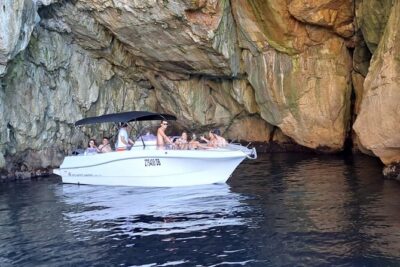
Blue & Green Cave,Sunj beach Small Group Tour with Speedboat
Read our review →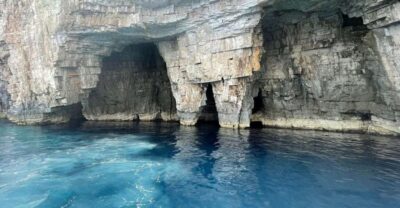
From Hvar: Blue Cave, Green Cave & 5 Islands Speedboat Tour
Read our review →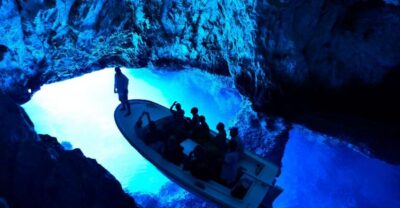
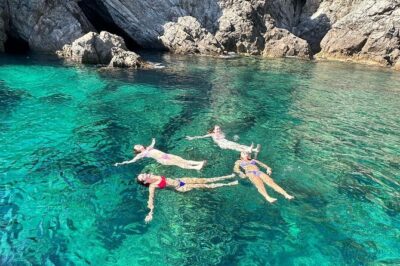
Blue & Green cave,Šunj beach – with drinks small group speedboat
Read our review →
From Vrsar: Lim Bay, Pirate Cave and Rovinj Visit
Read our review →
Private Boat Tour-Elafiti islands,Blue and green cave,Sandy Beach
Read our review →
Private Boat Tour from Hvar – Blue and Green cave, Vis, and the Pakleni islands
Read our review →Browse the lists this tour appears in