
Reviewed · TICKETS
Pula: Arena Entrance Ticket
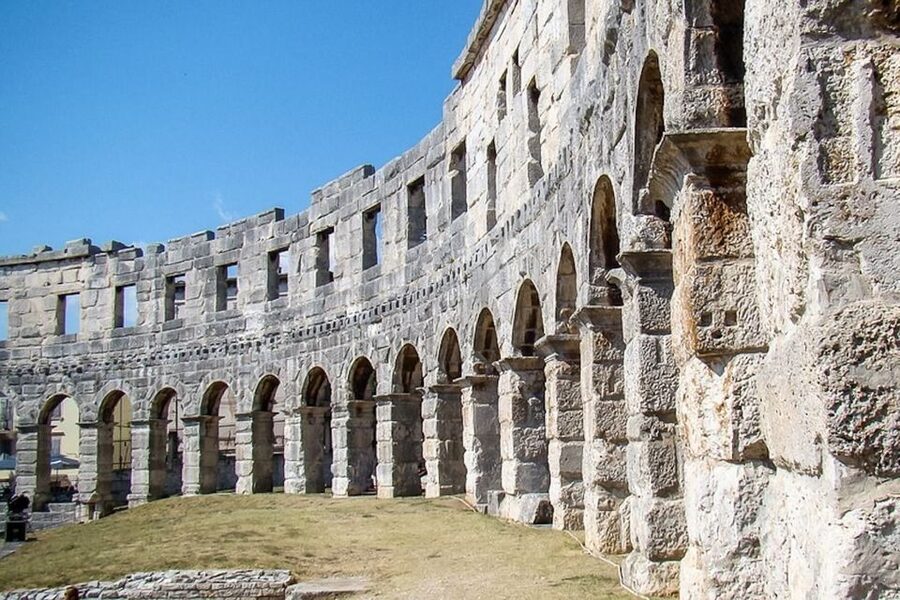
Pula Arena is the kind of ancient site that makes history feel physical. You can walk where gladiatorial contests and animal hunts once took place, sit among the stone tiers, and look through the arches toward the sea. At about $11, this is a fairly easy way to spend an hour or two in Pula.
I especially like the underground exhibition, which adds more than another set of Roman walls, and the freedom to explore without being tied to a group. The main drawback is that the ticket is entry only: an audio guide is not included, and online booking may not always mean walking straight past the ticket counter.
- A 2,000-year-old amphitheater: Walk through one of Croatia’s best-preserved Roman monuments.
- A useful underground exhibition: See reproductions and original-looking displays connected with ancient olive oil and wine production.
- Self-guided exploring: Use QR codes around the arena for information at your own pace.
- Best visited early: Morning brings cooler temperatures and a better chance of quiet.
- One-day flexibility: Enter during the valid day and stay as long as you like within opening hours.
- Mostly wheelchair accessible: The whole site is accessible except for the lower basement gallery.
Pula Arena: Roman Stone Beside the Adriatic
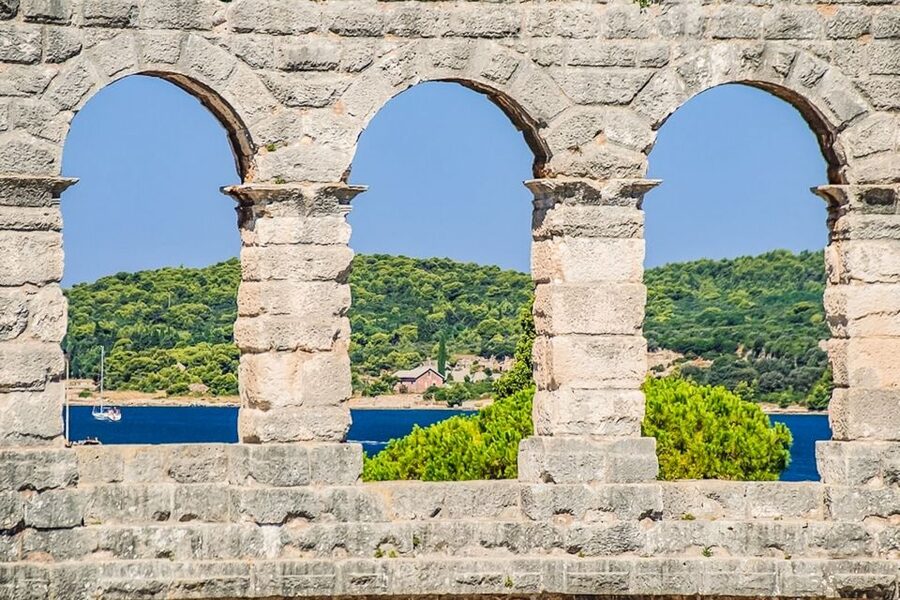
Pula Arena is the symbol of Pula, and it earns that status before you even enter. Its huge outer walls and repeated arches are visible from around the city, so you can already appreciate much of the building without paying.
The ticket earns its keep by taking you inside. From within the amphitheater, the structure feels far larger and more serious. You see the arena floor, the stone seating, the passageways, and the tall outer wall from angles that are impossible to get from the street.
This is not a guided tour with a host leading you from point to point. You redeem your prepaid ticket at the main entrance, then explore independently. That makes the visit easy to fit around Pula’s other sights, though you need to supply some of the interpretation yourself.
What Your Ticket Actually Covers
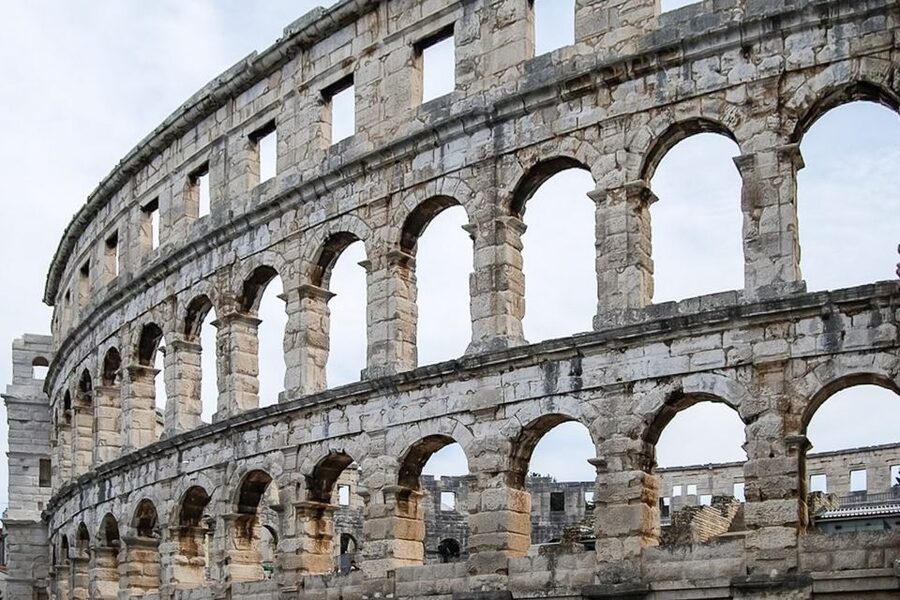
The $11 ticket is for entrance to Pula Arena and is valid for one day. It gives you access to the main amphitheater and the permanent underground exhibition, Istrian Olive and Viticulture in Antiquity.
You can roam the site at your own pace. Some people spend about an hour inside, while others stay closer to two hours, especially when they stop at the information points and take time with the underground displays.
The ticket does not include an audio guide or photographs with actors in costume. That matters if you are hoping for a full theatrical Roman experience. You are paying for access to the monument, not a hosted performance or an organized history lesson.
QR codes around the arena can provide information, and some visitors have used their phones to listen to self-guided material. Bring headphones if you want to use phone-based audio without disturbing other people. Availability and operation of audio material have not always been consistent, so do not book this expecting a guaranteed narrated tour.
A few more Pula half-days worth comparing
- Medulin -Kamenjak 5h boat trip with lunch & drinks on Sandra Boat
★ 5.0 · 1,621 reviews - Full-Day Boat Tour of the Medulin Archipelago from Medulin
★ 5.0 · 1,389 reviews - 3hours all inclusive Sunset&Dolphin Tour from Medulin on Sandra
★ 5.0 · 1,130 reviews
Entering the Arena Without Confusion
Your meeting point is the main Pula Arena entrance. Keep the mobile ticket ready for scanning.
The online ticket is useful because it secures entry before you arrive, and several people found it helped them avoid a longer wait to buy tickets. But you should not treat it as a guaranteed skip-the-line pass. At times, staff still need to scan the QR code and issue or exchange a receipt at the entrance or shop counter.
That process can be quick when the site is quiet. In busy summer periods, you may still have to join a short line. The practical benefit is less about magical priority access and more about arriving with your admission already arranged.
If you are visiting with young children, this small advantage can be worthwhile. Waiting in heat beside a large stone monument is not the best start to a family outing.
Walking the Roman Seating Tiers
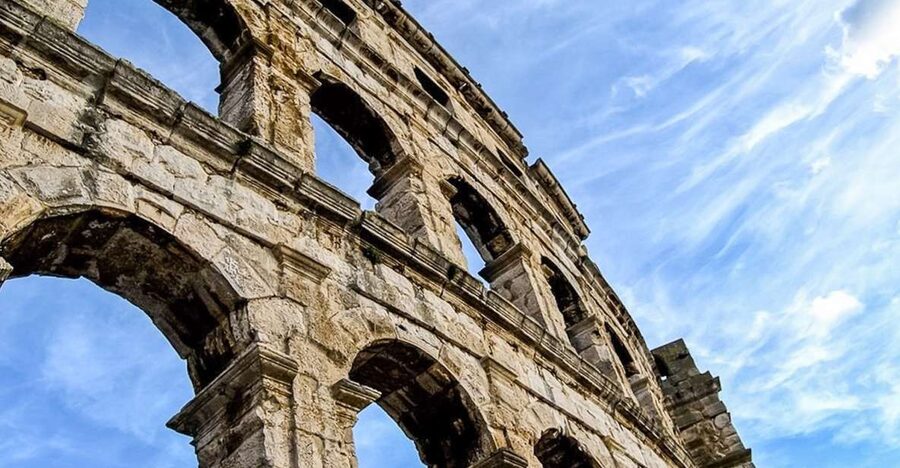
Inside, begin with a slow circuit rather than heading straight to the center. The repeated arches, stairways, and stone seating show how carefully the amphitheater was built to handle a large crowd.
The scale is the first thing to notice. You can picture the arena filled with spectators, with attention fixed on the sand-covered floor below. The building’s size also explains why Pula Arena works as a modern concert and festival venue. Its shape still carries sound remarkably well.
One visitor happened to be there while a concert stage was being prepared and heard a sound test. The acoustics were impressive, but construction can also mean noise, blocked areas, or a less peaceful visit. If you want the cleanest view and quietest atmosphere, check the local event schedule if possible and arrive early.
There are no set stops or timed sections. You can sit in the stone tiers, examine the arches, and take photographs without being rushed by a guide. I like this format for people who enjoy architecture and want time to look closely.
The downside is that the signs alone may not explain every detail. QR points help, but you may need to read on your phone to build a full picture of how the amphitheater was used.
The Arena Floor and the Gladiator Story
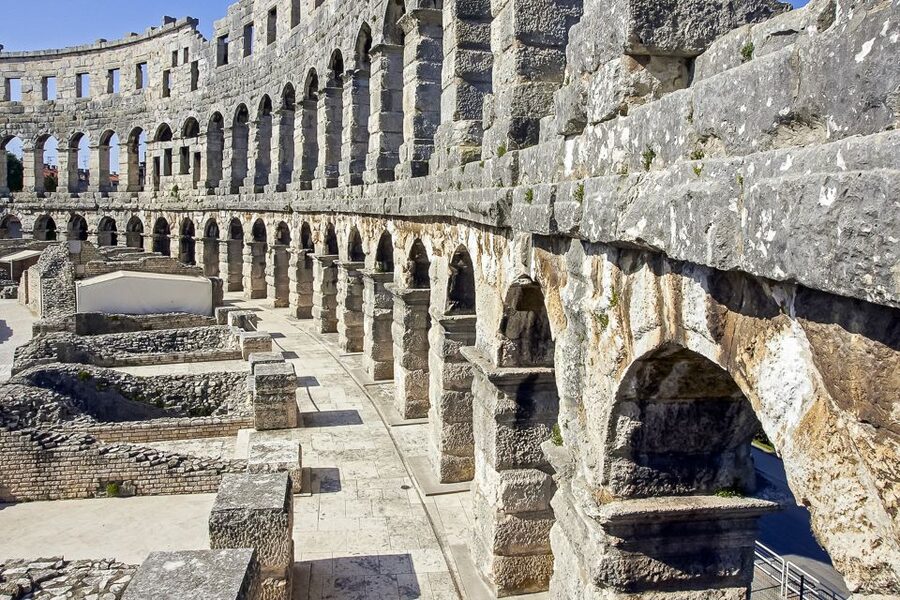
Standing at floor level gives the visit its strongest emotional moment. You are looking up at the same basic arrangement of floor, entrances, and seating that shaped ancient public spectacles.
The modern site does not recreate the contests for you. There are no guaranteed actors, demonstrations, or costumed performances included with the ticket. That restraint is a benefit if you prefer an actual monument to a theme-park version of Roman life.
Families can still make the arena floor engaging. Children may enjoy imagining gladiatorial contests, and adults get a chance to explain how public entertainment once worked. The setting does some of the work, but the experience will be more rewarding if you arrive with a little background or use the QR information as you go.
The arena also gives you a useful comparison with famous Roman amphitheaters in Italy and France. It may not have the same worldwide fame as Rome’s Colosseum, but its preserved form and position in Pula make it a major historical stop in Croatia.
More Entry Tickets in Pula:
- Zadar: Plitvice Lakes Guided Day Tour with Tickets
★ 4.9 · 3,148 reviews - From Zagreb: Plitvice & Rastoke Guided Day Trip with Ticket
★ 4.9 · 2,955 reviews - From Split: Plitvice Lakes Guided Tour with Entry Tickets
★ 4.9 · 2,468 reviews - Zagreb: Rastoke & Plitvice Lakes Guided Tour with Ticket
★ 4.9 · 1,897 reviews
The Basement Exhibition: Oil, Wine, and Ancient Work
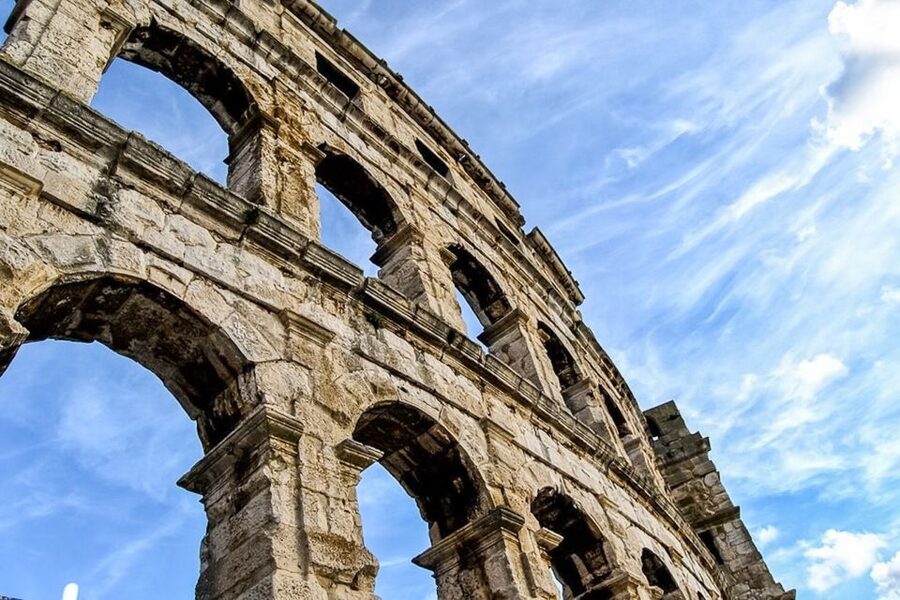
Do not skip the underground area. The permanent exhibition focuses on Istrian Olive and Viticulture in Antiquity, connecting the Roman building to the agricultural life of Istria.
Here you can see reproductions of tools used to make olive oil and wine, including mills, presses, and sedimentation tanks. Amphorae show how oil and wine were packaged and transported.
This section changes the mood of the visit. Upstairs, the story is about crowds, spectacle, and stone architecture. Below, it is about labor, production, storage, and trade. That broader view is valuable because Roman life was not only about emperors and gladiators. Food and drink required equipment, skill, and organized movement across the region.
The basement is also a useful stop on a hot day. Much of the main amphitheater is open to the sun, and summer heat can be intense. Take water with you and use the indoor area as a pause before returning outside.
There is one important access note. The whole site is wheelchair accessible except for the lower gallery in the basement. If you need step-free access to every part of the exhibition, ask staff before entering so you know what can be reached.
How Long to Allow and When to Go
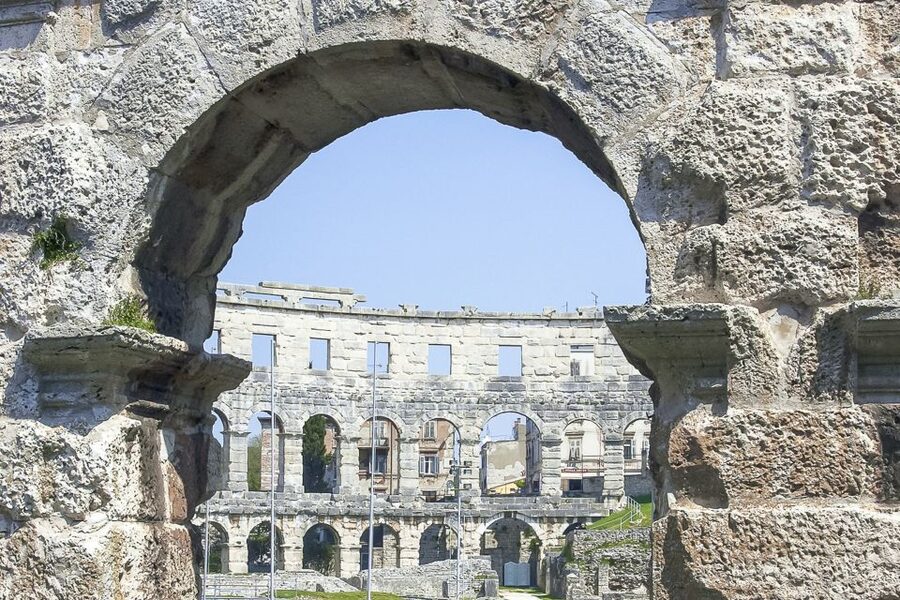
Plan on 60 to 120 minutes. An hour is enough for a brisk look at the arena and the main views. Two hours gives you time for the QR information, photographs, seating areas, and underground exhibition.
Early morning is the safest choice in summer. The site can be exposed, with little relief from strong sun, and large tour groups may arrive later. An early visit also gives you a better chance of standing in the arena with fewer people around.
One particularly quiet morning began at 8:00, with almost nobody inside for the first 30 minutes. That kind of calm cannot be guaranteed, but the lesson is sound: arrive near opening time if you want the monument to yourself.
Late afternoon can work too, especially if the weather is cooler. But event preparation, concerts, or changing light may affect the visit. A rainy day will not damage the monument’s impact, but the open areas are less comfortable, and photographs may be duller.
Wear comfortable shoes. You will be walking over historic surfaces, steps, and uneven areas. Bring a hat and water in warm months, and keep your phone charged if you plan to use QR codes.
Is the $11 Price Good Value?
At $11 per person, this is not the cheapest possible Pula sight because you can see much of the exterior for free. That is the main value question.
If you only want a photograph of the arches, you can do that from outside. If you want to stand inside the arena, see the seating and passages, and visit the underground display, the ticket is reasonable.
The price also supports care of a major monument. Several visitors felt that paying for entry was worthwhile because it helps maintain the arena. Still, expectations should match the product. This is not a guided tour, and the included information can feel limited if QR content or audio tools are unavailable.
I would call it good value for anyone interested in Roman architecture, ancient technology, or Croatian history. It is less compelling for someone who wants a highly interactive attraction with a presenter and a packed schedule of activities.
Families, History Fans, and Casual Sightseers
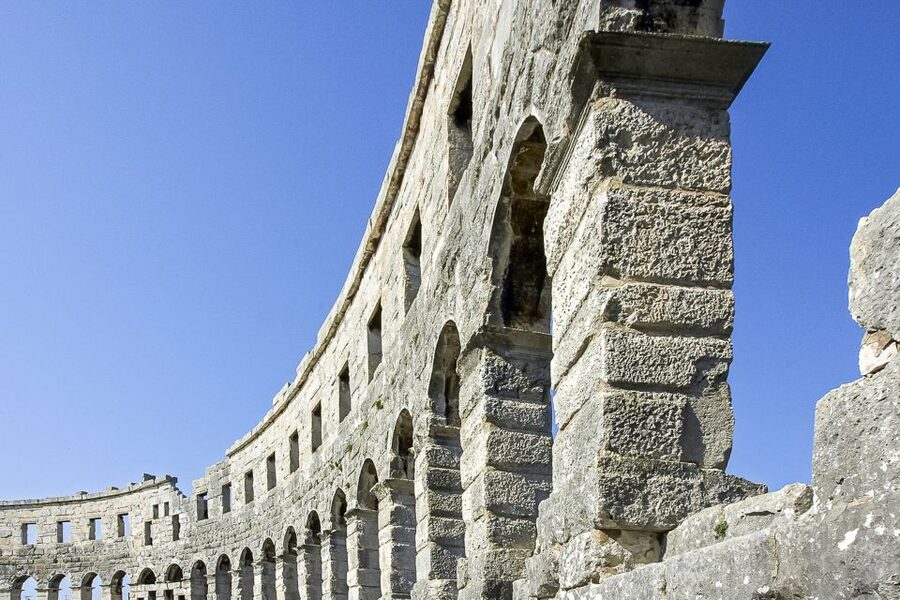
History fans will get the most from the visit. The amphitheater’s size, preserved stonework, and links to ancient entertainment make it easy to spend time studying the building itself.
Families can enjoy it too, especially if adults turn the arena into a simple story about spectators, fighters, animals, and the daily work needed to support a Roman city. The open layout lets you move at your own speed, which helps with children.
Casual sightseers should still consider going. Pula Arena is not a minor ruin tucked away behind a museum. It is large, easy to find, and visually powerful even if you only know a little about Roman history.
People seeking a guided explanation should plan ahead. The standard ticket does not include a guide, and the audio option is not part of admission. Use your own phone with the QR codes, bring headphones, or arrange separate information if a detailed narrative matters to you.
Wheelchair Access and Practical Limits
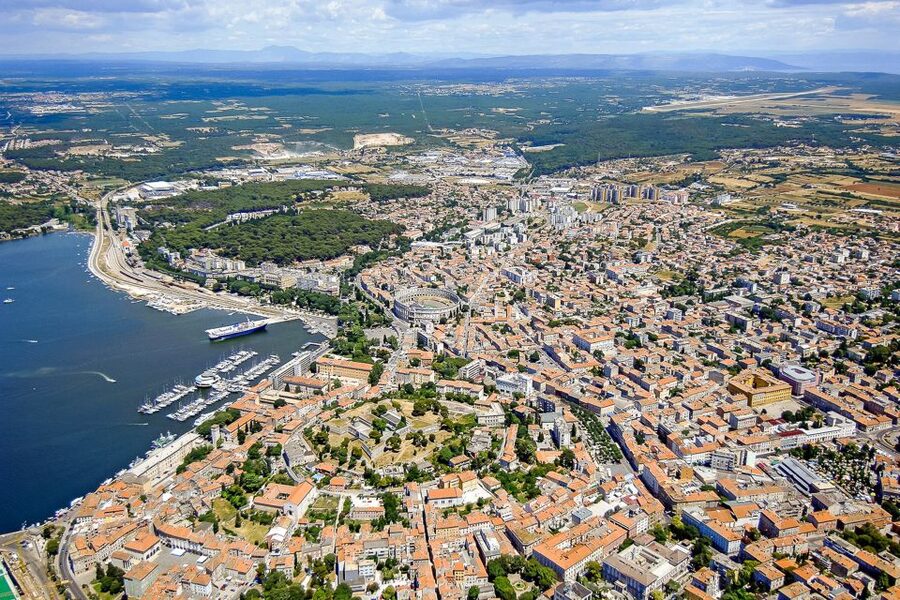
The site is wheelchair accessible apart from the lower gallery in the basement. That makes the main amphitheater available to many visitors, but the basement limitation is worth knowing before you arrive.
The open stone areas can be sunny and hot. Summer visitors should avoid treating this as a fully shaded museum stop. Go early, carry water, and take breaks when needed.
Pula Arena is close to the city center and easy to combine with other sights. You can pair it with the Temple of Augustus, Pula Fortress, and the old streets for a fuller day of local history. That combination makes the entrance price feel better because the arena becomes one part of a broader walk through Pula.
Should You Book the Pula Arena Ticket?
Book it if you want to enter one of Croatia’s most important Roman monuments, explore at your own pace, and see the underground exhibition on olive oil and wine production. The ticket is especially useful for an early morning visit, a family outing, or a history-focused day in Pula.
Think twice if you only want exterior photographs, since much of the outer structure is visible without admission. Also reconsider if you expect a personal guide, guaranteed audio, or a dramatic gladiator show.
My practical choice would be to reserve ahead, arrive early, carry headphones, and allow up to two hours. That gives you the best chance of a quiet visit and lets you appreciate both the monumental arena and the less obvious story beneath it.
FAQ
Where do I redeem the Pula Arena ticket?
Redeem the ticket at the main entrance of Pula Arena. Keep your mobile ticket available for scanning.
How long is the ticket valid?
The ticket is valid for one day. Check the available starting times when booking.
How much does entrance to Pula Arena cost?
The listed price is $11 per person.
Is an audio guide included?
No. An audio guide is not included in the entrance ticket. QR codes around the arena may provide self-guided information, and you should bring headphones if you plan to listen through your phone.
Can I visit the underground exhibition?
Yes. The ticket includes the permanent exhibition called Istrian Olive and Viticulture in Antiquity in the underground area.
What can I see in the underground exhibition?
You can see reproductions of tools and equipment used for ancient olive oil and wine production, including mills, presses, sedimentation tanks, and amphorae used to transport oil and wine.
Is Pula Arena wheelchair accessible?
The whole site is wheelchair accessible except for the lower gallery in the basement.
Does the ticket include photographs with actors in costume?
No. Photos with actors in costume are not included.
How long should I allow for the visit?
Allow about one to two hours. A shorter visit covers the main amphitheater, while extra time lets you use the QR information points and see the underground exhibition.
Can I cancel the ticket?
Yes. You can cancel up to 24 hours in advance for a full refund.
Just added around Pula
- Pula: SUP Yoga Classes at Morning & Sunset★ 5.0 · 10 reviews
- Pula:Sunset Kayak tour with glowing transparent kayak★ 5.0 · 13 reviews
- Pula:Kayak Tour-Cliff jumping,snorkeling&free GoPro pictures★ 4.7 · 95 reviews
- Pula: Kayaking and Snorkeling Self-Guided Tour★ 4.4 · 55 reviews
- Pula: Private Dolphins & Sunset Tour With Dinner & Drinks★ 4.9 · 11 reviews
- Pula: Private Introduction to Scuba Diving★ 5.0 · 10 reviews
- Pula: Old Town Walking Tour for Foodies with Dinner and Wine★ 4.6 · 18 reviews
- Pula: Kamenjak Bike Tour with Blue Cave and Cliffs Visit★ 5.0 · 7 reviews
Tickets, compared.
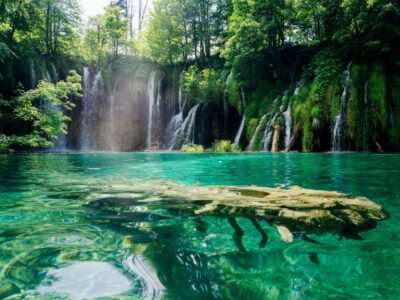
Zadar: Plitvice Lakes Guided Day Tour with Tickets
Read our review →
From Zagreb: Plitvice & Rastoke Guided Day Trip with Ticket
Read our review →
From Split: Plitvice Lakes Guided Tour with Entry Tickets
Read our review →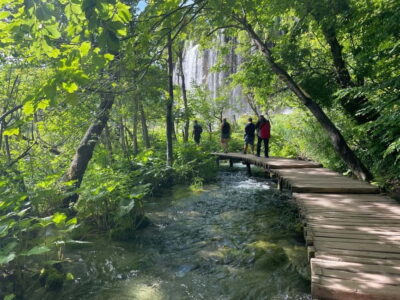
Zagreb: Rastoke & Plitvice Lakes Guided Tour with Ticket
Read our review →
Plitvice Lakes with Ticket & Rastoke Guided Tour from Zagreb
Read our review →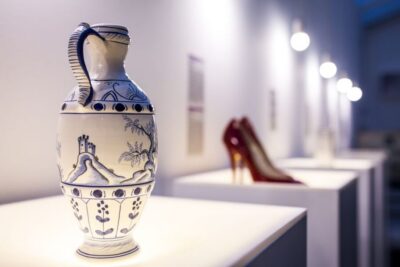
Zagreb: Skip-the-Ticket-Line Museum of Broken Relationships
Read our review →
Plitvice and Rastoke day trip from Zagreb w/ticket (guar. dep.)
Read our review →Browse the lists this tour appears in