
Reviewed · WALKING TOURS
Dubrovnik: Guided Old City Walking Tour
Dubrovnik’s Old City is best read with a local guide. The polished limestone streets, grand palaces, and stout walls are easy to admire, but the real pleasure is learning why Ragusa rebuilt itself after disaster and how daily life changed after the 1991 shelling. I like that this tour connects beautiful sights to hard history instead of treating the town as a pretty film set.
I also like the strong list of stops, especially the memorial room in Sponza Palace and the old port. Those places add weight to the stroll. A possible drawback is that the tour is in English only, and the information provided does not state the duration or group size, so you should ask if those details matter to your plans.
Key points
- Start beneath the blue DUtheTour umbrella: Find the guide at Amerling Fountain by Pile Square, outside the Old City.
- See Dubrovnik’s main historic sights: The route includes the cathedral, Stradun, Sponza Palace, Rector’s Palace, and the old port.
- Learn the city’s full modern story: The guide covers medieval Ragusa, the earthquake and rebuilding, the 1991 destruction, Yugoslavia, and Croatia’s independence.
- Expect an English-speaking local guide: Licensed guides include Sonja and Sophia, both praised for clear and engaging tours.
- Pay $26 per person: That is a reasonable fee for a guided introduction to a compact city where context makes the buildings far more meaningful.
- Return to the starting point: The walk begins and ends at the meeting point near Pile Square.
Why Dubrovnik Makes More Sense With a Guide
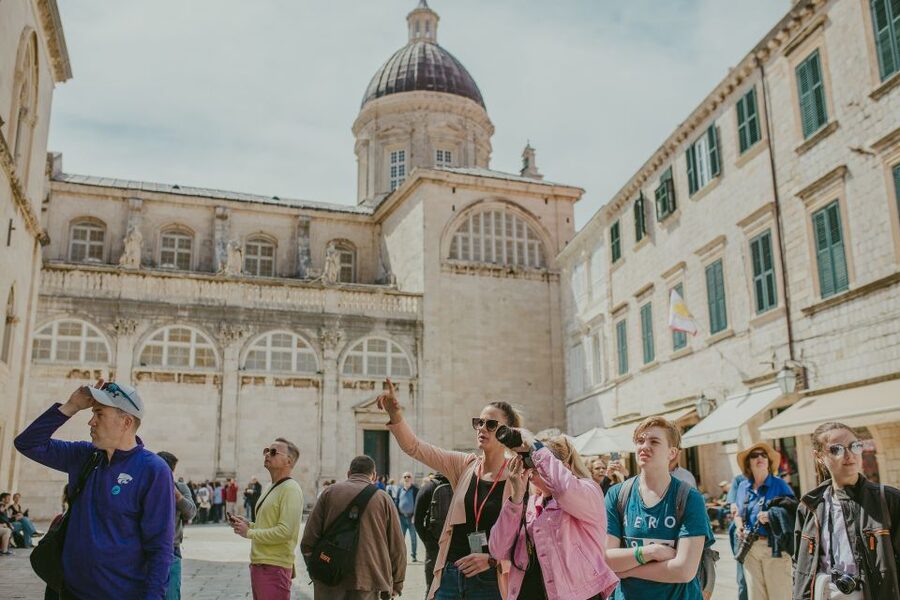
Dubrovnik can look simple at first glance: one main street, a cluster of side lanes, a cathedral, palaces, and walls. Yet the Old City was once the independent maritime republic of Ragusa, and its stone buildings reflect centuries of diplomacy, trade, religion, wealth, disaster, and war.
That is the value of a walking tour here. You can photograph Stradun on your own, but a guide can explain why it became the city’s central street, how the town recovered from catastrophe, and what changed when Dubrovnik was attacked in 1991. The tour promises a trip from the city’s foundation through the collapse of Yugoslavia and Croatia’s independence, giving you a much wider frame than a quick sightseeing walk.
I find that especially useful in Dubrovnik because the setting is so polished. Rebuilt stone facades can make the past feel distant. Stories about the earthquake, the war, and the people who returned to ordinary life bring the city back to human scale.
More Walking Tours in Dubrovnik
- Dubrovnik: Old Town Walking Tour
★ 4.8 · 5,174 reviews - Dubrovnik Discovery Old Town Walking Tour
★ 5.0 · 4,458 reviews - Dubrovnik: Game of Thrones Walking Tour
★ 5.0 · 1,732 reviews
Meeting at Pile Square and Entering Ragusa

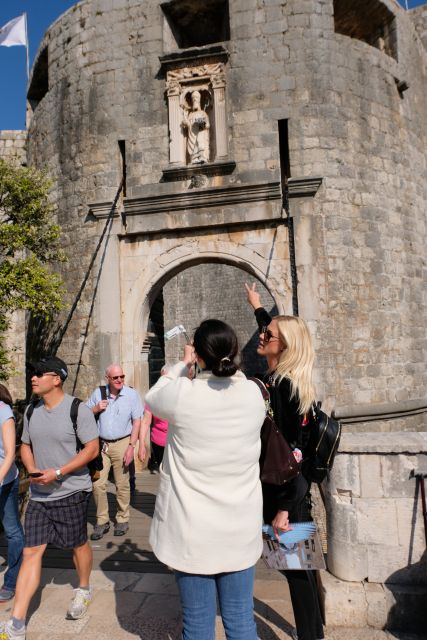
You meet at Amerling Fountain, outside the Old City at Pile Square, next to Restaurant Dubravka. Look for the blue umbrella marked with the DUtheTour logo. This is a practical starting point because Pile is one of the main approaches to Dubrovnik’s historic center.
Arrive with enough time to locate the umbrella without rushing. The supplied information does not give a tour length, group size, or exact departure schedule, so check those points when booking. The meeting place itself is clear, and the tour returns there when it ends.
From Pile, your guide takes you into the walled town and begins placing the streets in context. The route is not just a march from one famous building to the next. You will hear about the city as a living place, including citizens who still live among the narrow lanes and small squares.
That focus matters. Dubrovnik’s Old City can feel like a museum during a busy day, but people still use these streets as home. A guide can help you notice the difference between a grand public building and the quieter spaces where daily life continues.
Stradun, Dubrovnik’s Main Street
Stradun is the natural spine of the Old City. Its broad, pale stone surface gives Dubrovnik a formal center, framed by historic buildings and leading you toward major landmarks.
I like beginning with a street rather than rushing straight to a palace. Stradun gives you a sense of the town’s scale and layout. It also shows how Dubrovnik balances ceremony with practical city life. The street is impressive, but it is not the whole story. Some of the most interesting details lie beyond it, in the smaller lanes and squares.
Your guide is expected to point out how the city’s appearance reflects rebuilding. Dubrovnik was badly damaged by a devastating earthquake and later rebuilt. The idea of a city rising from rubble is not an abstract slogan here. It is part of the physical story told by the stone around you.
The 1991 attack adds a second layer. The information for this tour specifically connects Dubrovnik’s past to the war years and the breakup of Yugoslavia. That makes Stradun more than a handsome promenade. It becomes a place where you can consider how a historic city survives modern violence.
The Cathedral and Dubrovnik’s Religious Center
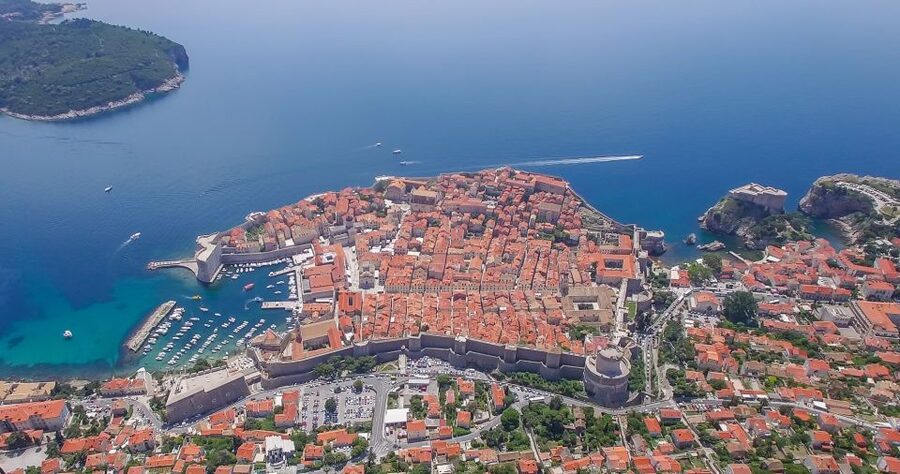
The cathedral is one of the listed stops, giving the tour a chance to move from civic power to religious life. Its importance is not only architectural. In a city shaped by seafaring, trade, politics, and disaster, the cathedral represents the faith and institutions that helped hold the community together.
The visit also breaks up the outdoor walk. Dubrovnik’s streets are rewarding, but a stop inside a major building gives you a different sense of the city. Pay attention to your guide’s explanation rather than treating the cathedral as a quick photo stop. The best part of an organized walk is often the connection between a building and the people who used it.
The exact interior route and amount of time inside are not specified. If seeing the cathedral in detail is a priority, ask what the visit includes. Still, its presence on the itinerary gives the tour useful balance. You are not only looking at walls and government buildings. You are also seeing the spiritual center of the old city.
Same stretch of coast, a completely different kind of day:
- Blue Cave Small-Group Boat Tour from Dubrovnik
★ 5.0 · 9,360 reviews - Dubrovnik: Epic Game of Thrones Tour + Lokrum & Saver Option
★ 4.9 · 5,995 reviews - Dubrovnik: The Original Game of Thrones Tour & Lokrum Option
★ 4.8 · 5,064 reviews - Dubrovnik Game of Thrones Tour & Optional Lokrum Island Visit
★ 5.0 · 4,702 reviews
Sponza Palace and the Memorial Room

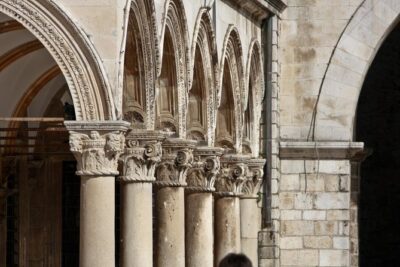
Sponza Palace is one of the most meaningful stops because it combines elegant architecture with direct memory of the recent war. The tour includes the memorial room, a place connected to those who died in the 1991 conflict.
This stop can change the mood of the walk. Dubrovnik is often presented as a postcard city, and Sponza’s refined exterior could encourage that view. The memorial room asks you to pause and remember the people behind the headlines. It gives the modern history section a specific place rather than leaving it as a general lecture.
I consider this a strong reason to choose a guided tour instead of wandering alone. You might find the room on your own, but the guide can explain how it fits into Dubrovnik’s larger story. The tour does not present the Old City as untouched. It shows a place that was damaged, mourned, and rebuilt again.
The visit may feel solemn, so allow yourself time to take it in. This is not a decorative side stop. It is the point where the city’s recent past becomes personal.
Rector’s Palace and the Power of Old Ragusa
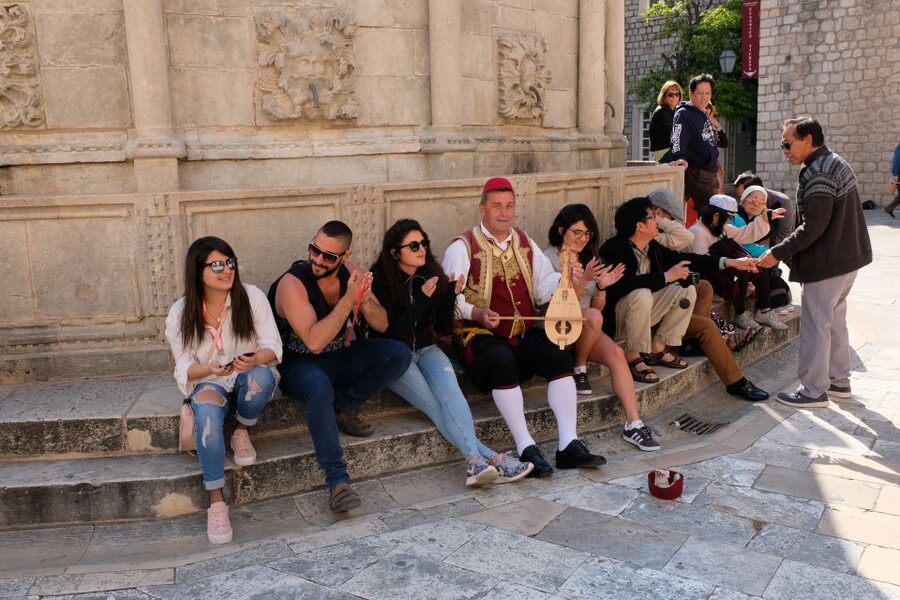
Rector’s Palace introduces the political side of Dubrovnik. The building is tied to the city’s former government and the office of the rector, making it a useful place to understand how Ragusa was run.
A good explanation here can turn a grand facade into a lesson in power. Dubrovnik was not simply a collection of beautiful houses. It was an organized republic with leaders, rules, public duties, and relationships with the wider world. The palace helps you picture that system.
You should expect the guide to connect the building to the broader story of Ragusa rather than focus only on architectural details. That is important because the tour’s purpose is to explain how Dubrovnik became the city you see today.
Rector’s Palace is also a useful contrast with the memorial room at Sponza. One speaks to the authority of the old republic. The other recalls the cost of recent conflict. Taken together, the stops make the city’s history feel layered rather than frozen in one glamorous period.
The Old Port and Dubrovnik’s Maritime Identity

The old port gives the tour an outward-looking finish. Dubrovnik’s location on the Adriatic shaped its fortunes, and the harbor helps you understand the city as a maritime power rather than an isolated walled town.
A port is where trade, news, visitors, and danger arrive. It also helps explain why Dubrovnik needed strong civic organization and careful diplomacy. You can look across the water, but the guide’s context is what connects that view to the city’s past.
This stop should appeal to anyone who likes history tied to place. The port is not just scenery. It helps explain why Ragusa mattered and how the city maintained its identity over time.
The tour’s route returns to the Amerling Fountain after the old port and other stops. That makes the walk easy to fold into a day of sightseeing, though the missing duration means you should avoid scheduling something too tightly afterward.
From Medieval Ragusa to the 1991 War
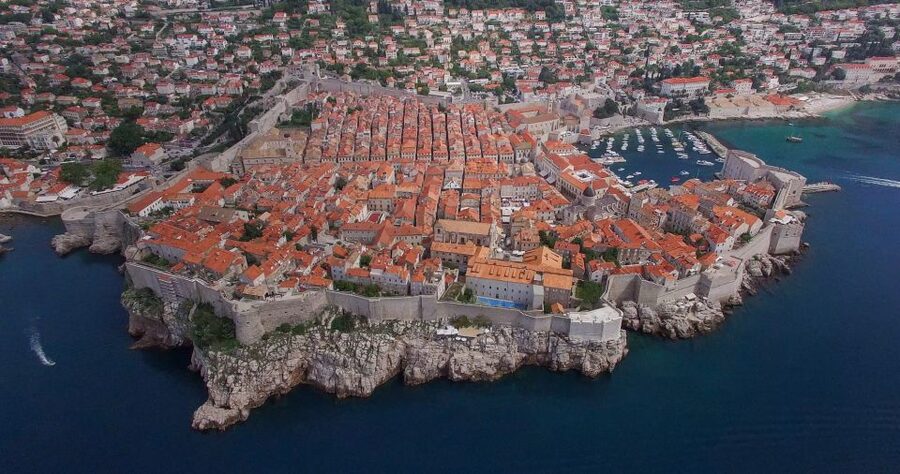
The strongest feature of this experience is its wide time span. You are not given only a medieval story or only a war-history talk. The guide covers the establishment of Dubrovnik, the city’s growth, the earthquake and rebuilding, the collapse of Yugoslavia, and Croatia’s independence.
That range helps you avoid a common mistake: assuming Dubrovnik’s history ended when its walls and palaces were built. The town has continued to change, and its modern experience is part of what you are seeing.
The 1991 attack is especially important because the city had already survived an earlier disaster. The idea that Dubrovnik rose from rubble once, only to face major destruction again in living memory, gives the walk real emotional weight.
I would choose this tour if you want the Old City to feel like a community with a long memory. If you only want quick photographs and minimal explanation, a guided walk may feel slower than exploring alone. At $26 per person, though, the price is modest for the historical framework it provides.
What the Guides Add
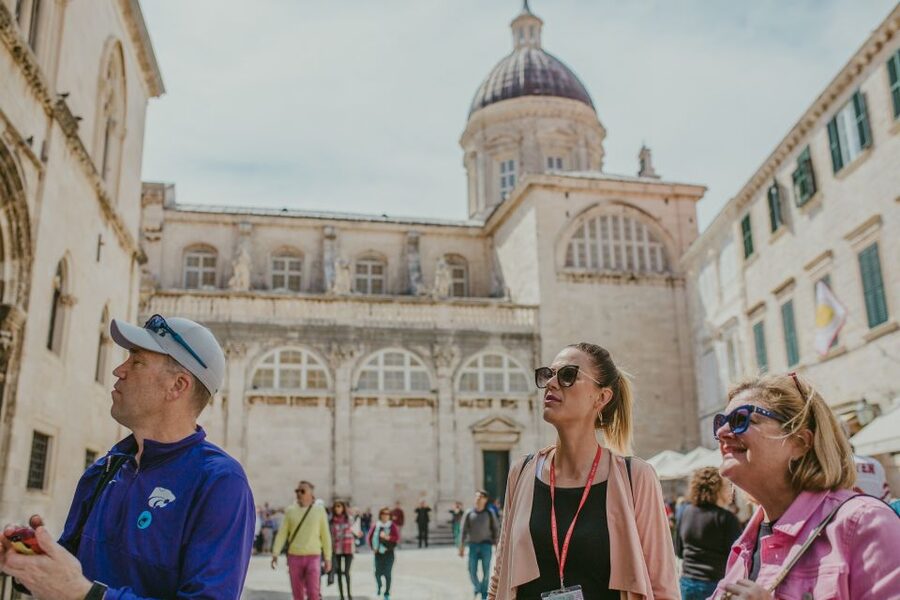
The tour is led by a local, professional, licensed guide, in English. Sonja is specifically associated with entertaining, informative walks, and she has also taken guests to Game of Thrones filming locations. Sophia is another guide praised for giving a clear and informative experience.
The Game of Thrones connection may interest you, but it should not define your expectations. The central value here is Dubrovnik itself, from Ragusa’s civic life to the memorial room and old port. If film locations come up, consider them an extra layer rather than the reason to book.
A good guide matters in a city like this because the streets can seem self-explanatory. The best explanations are likely to come in small moments: why a square matters, how the city rebuilt, or what happened to residents during the war. Sonja and Sophia are named options to look for if the booking system lets you select a guide, though guide assignment is not guaranteed by the information provided.
Who Will Get the Most From This Walk
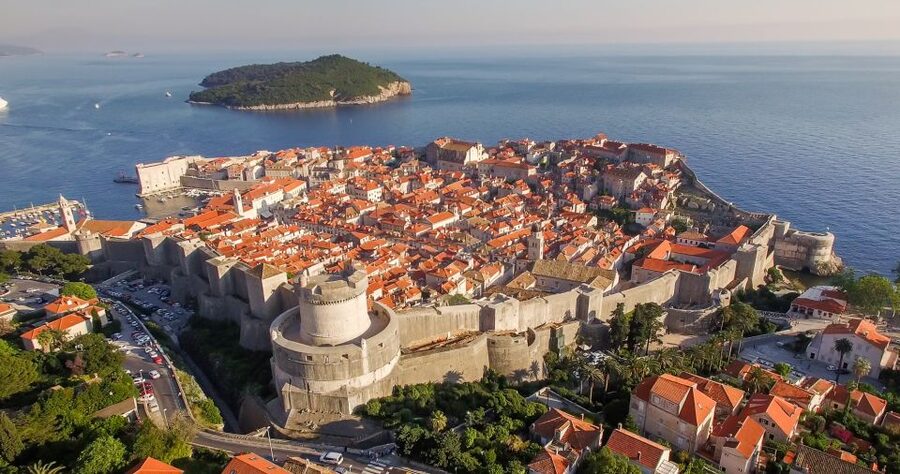
I would recommend this tour to a first-time visitor who wants a clear introduction to Dubrovnik without spending a full day inside museums. It also suits anyone who wants recent history included alongside medieval buildings.
History-minded visitors will appreciate the full timeline. Families may like the walk because stories give children something to watch for beyond old stone. Fans of Game of Thrones may enjoy the connection with filming locations, particularly with Sonja, but the tour is not described as a dedicated screen-location outing.
You should think twice if you need a tour in another language, since English is the only language listed. You should also confirm the duration and group size before paying if you have limited time or prefer a very small walk.
The route includes several major sights and returns to where it starts. That makes it a practical orientation tour early in a Dubrovnik stay, especially if you want to decide which buildings or side streets deserve a later visit.
Is $26 a Fair Price?
At $26 per person, this is a solid value if you want historical explanation rather than a self-guided stroll. You are paying for a licensed local guide and for the connections between sites, not simply access to the Old City. The walk includes the cathedral, Sponza Palace’s memorial room, Stradun, Rector’s Palace, and the old port.
The price is easier to justify because the subject is broad. A guide who covers medieval Ragusa, the earthquake, the 1991 war, Yugoslavia, and independence gives you a useful framework for the rest of your time in Croatia.
The value depends on what you want. If you already know Dubrovnik’s history and prefer to move at your own pace, you may get more from a solo walk. If you want to understand what you are seeing, $26 is a sensible way to begin.
You can reserve now and pay later, which helps if your schedule is still shifting. Cancellation is available up to 24 hours in advance for a full refund. Those terms make the booking less risky, though you should still confirm the exact time and meeting instructions before the day of the tour.
Should You Book the Dubrovnik Old City Walk?
Book it if you want more than a checklist of famous buildings. The memorial room at Sponza Palace, the story of the 1991 attack, and the link between Ragusa’s medieval government and today’s city give this walk substance.
I especially recommend it for first-time visitors, history fans, and anyone who wants a local guide to explain the narrow lanes and public squares. Sonja and Sophia are useful names to watch for, and the Game of Thrones connection may be a pleasant extra.
Skip it only if you strongly prefer independent wandering, need another language, or cannot confirm the tour time that fits your schedule. For most visitors, the modest price buys the one thing Dubrovnik’s stones cannot provide on their own: a clear, human story.
FAQ
How much does the Dubrovnik Old City walking tour cost?
The tour costs $26 per person.
What language is the tour offered in?
The tour is offered in English.
Where does the tour start?
It starts at Amerling Fountain outside the Old City, at Pile Square next to Restaurant Dubravka.
How do I find the guide?
Look for the blue umbrella with the DUtheTour logo at the meeting point.
Where does the tour finish?
The activity ends back at the Amerling Fountain meeting point.
What sights are included?
The tour includes the cathedral, Stradun, Sponza Palace’s memorial room, Rector’s Palace, and the old port.
Who provides the tour?
The experience provider is Experience Dubrovnik.
Can I reserve now and pay later?
Yes. You can reserve your place and pay nothing at the time of booking.
What is the cancellation policy?
You can cancel up to 24 hours in advance for a full refund.
Just added around Dubrovnik
- Welcome to Dubrovnik Walking Tour★ 5.0 · 36 reviews
- Walls Of Dubrovnik: Small-Group Walking Tour With A Local★ 5.0 · 67 reviews
- Dubrovnik at War 1991-1992 Private Walking Tour★ 5.0 · 4 reviews
- Olive farm & village★ 5.0 · 41 reviews
- City Walls of Dubrovnik★ 5.0 · 70 reviews
- Walls of Liberty: A Self-Guided Audio Tour of Dubrovnik★ 3.5 · 3 reviews
- Dubrovnik Game of Thrones Walking Tour: Filming Locations&Stories★ 5.0 · 30 reviews
- Trebinje Gastro Tour From Dubrovnik★ 4.5 · 12 reviews
Walking Tours, compared.
Split: Old Town and Diocletian Palace Walking Tour
Read our review →
Walking Tour of Split and Diocletian’s Palace
Read our review →

Krka Waterfalls tour with Trogir Walking tour and Krka panoramic boat cruise
Read our review →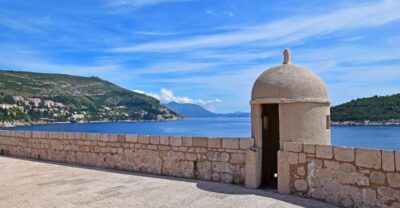
Dubrovnik: City Walls Early Morning or Sunset Walking Tour
Read our review →Browse the lists this tour appears in