
Reviewed · WALKING TOURS
Private walking tour Opatija -Romantic spotlight of the Adriatic
Opatija’s story begins with a villa, a garden, and an ambitious leap into seaside tourism. This private walk connects those beginnings with the town’s first hotel, its famous seafront statue, elegant resort buildings, and the Croatian Walk of Fame. In about 90 minutes, you get a useful first look at a small city that can be easy to skim past without context.
I like the private format, since your group of up to seven can ask questions and set the pace without being tied to strangers. I also like the clear historical route, from Angiolina Park to Hotel Kvarner and Slatina Beach. The main consideration is the short length: you will see the major sights, but this is an introduction rather than a full day of Opatija history.
Key points to know before booking

- Angiolina Park explains Opatija’s beginnings: The walk starts with Villa Angiolina and the unusual plants that helped shape the town’s early resort character.
- The private guide makes the short route flexible: Guides including Tina, Sara, and Karli have tailored walks to individual interests and offered extra local suggestions.
- Hotel Kvarner marks a turning point: This was the first hotel in Opatija and the first hotel on the entire Adriatic coast.
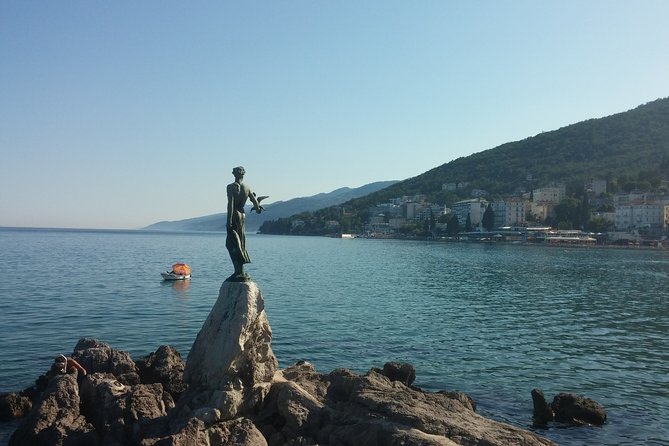
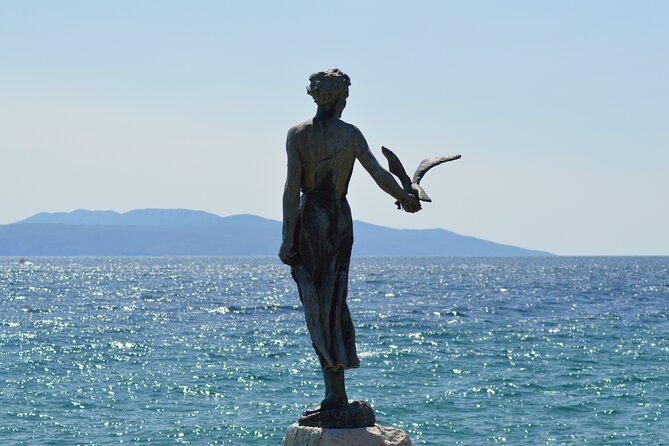
- You get the classic seafront symbols: The route includes the Maiden With the Seagull, Slatina Beach, and the Croatian Walk of Fame.
- The tour is good value for a small group: At $168.58 per group of up to seven, the cost works out well when shared.
- Comfort matters: Expect about 90 minutes on foot. Wear good shoes, carry water, and bring sun protection.
Starting with Villa Angiolina and Opatija’s first garden

Meet at Galley Cafe Bar in Opatija, then begin in Angiolina Park. This is the right place to start because the park helps explain how Opatija changed from a small coastal settlement into a fashionable resort.
Your guide introduces Villa Angiolina, the first villa connected with Opatija’s modern development. You’ll hear why it carries the name Angiolina and how its unusual plants arrived in the park. The plantings are not just decoration. They hint at the town’s early links with wealthy visitors who wanted a mild seaside setting and an elegant place to spend time.
I like this opening because it gives you a story to follow. Instead of looking at a pretty park without context, you begin to see the villa and gardens as the first chapter in Opatija’s rise. The stop lasts about 20 minutes, enough time to walk through the park and ask questions without rushing.
The park is also a useful reminder that Opatija is not only about the water. Green spaces, villas, gardens, and broad promenades are part of its appeal. If you arrive expecting a compact old town packed with medieval lanes, adjust your expectations. Opatija’s character comes from resort architecture, parks, seafront walks, and the polished feel of a historic holiday town.
More Walking Tours in Opatija:
- Dubrovnik: Old Town Walking Tour
★ 4.8 · 5,174 reviews - Split: Old Town and Diocletian Palace Walking Tour
★ 4.9 · 4,727 reviews - Dubrovnik Discovery Old Town Walking Tour
★ 5.0 · 4,458 reviews
St. Jacob’s Church and the name Opatija
The next stop is St. Jacob’s Church, described as Opatija’s oldest building. The church and its abbey are tied directly to the town’s name, giving you an important piece of local history in a short visit.
The stop lasts around 10 minutes. That may sound brief, but it works well in a walking tour. You get the essential explanation, see the building, and then continue before the pace slows. Ask your guide to explain the connection between the abbey and the name Opatija, especially if you want to understand how the older settlement relates to the later resort.
This is one of the tour’s most useful contrasts. Angiolina Park shows the beginning of modern Opatija, while St. Jacob’s Church points to the older religious settlement that came before the grand hotels. Together, the two stops keep the walk from becoming a simple parade of attractive buildings.
You should not expect a long church visit or an extended architectural study. The supplied schedule allows about 10 minutes, and the experience is built around an overview. For a first orientation, that is enough. If church interiors or religious history are a major reason for your visit, you’ll want to spend extra time exploring the area on your own.
Hotel Kvarner and the birth of Adriatic tourism
Hotel Kvarner is one of the strongest stops on the route. It was the first hotel in Opatija and the first hotel on the whole Adriatic coast. That fact gives the building more weight than its appearance alone might suggest.
Your guide uses the hotel to explain the beginning of Opatija’s modern development. This is where the town’s resort identity becomes clear. The hotel represents the shift from villa visits and local settlement to organized tourism on a larger scale.
I like this stop because it turns a building into a useful historical marker. You are not simply told that Opatija has fine architecture. You learn why the hotel mattered and how it helped put the town on the Adriatic tourism map.
The scheduled visit lasts about 10 minutes. That is enough to understand the hotel’s role, though not enough for a detailed architectural tour. Look closely at the building and surrounding streets as you walk. The best way to appreciate Opatija is to connect individual sights to the town’s larger resort story.
The Maiden With the Seagull: Opatija’s familiar symbol
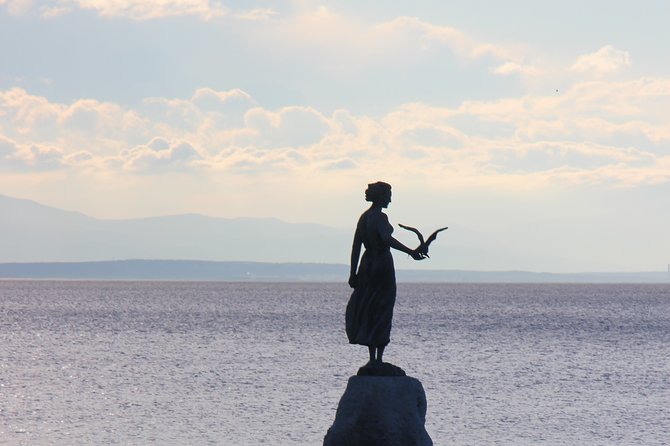
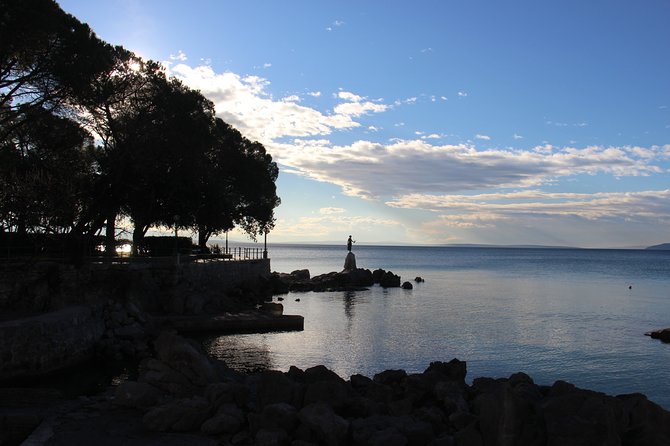
The Maiden With the Seagull is one of Opatija’s main attractions and city symbols. The stop is short, about five minutes, but it is an essential photo and orientation point.
The important part is not only seeing the statue. Your guide explains why it became associated with Opatija and shares the story behind it. That local context makes the stop more worthwhile than a quick photograph from the promenade.
Five minutes is enough for the explanation and a look around, but it can feel tight if you want photographs from several angles. The route does not appear designed for lingering at every attraction. If the statue matters to you, tell your guide. The private format should make it easier to pause briefly for pictures, provided the rest of the group agrees.
This is also where the town’s romantic side becomes most visible. The seafront setting, the statue, and the historic resort atmosphere make Opatija particularly appealing for couples. Still, the tour is not limited to romance. Families and small groups can enjoy the same route, especially if they want a simple introduction without a long museum visit.
A few more Opatija half-days worth comparing
- Opatija/Lovran: Boat Trip to Secluded Beaches on Island Cres
★ 4.9 · 114 reviews - Opatija: Cliffs and caves kayak adventure
★ 4.9 · 78 reviews - Sunset or Swim Ride Opatija on Madonnina Boat Tour
★ 4.8 · 72 reviews - Sunset Ride Opatija on Madonnina Boat Tour
★ 5.0 · 45 reviews
The Juraj Šporer Gallery and Opatija’s Viennese style
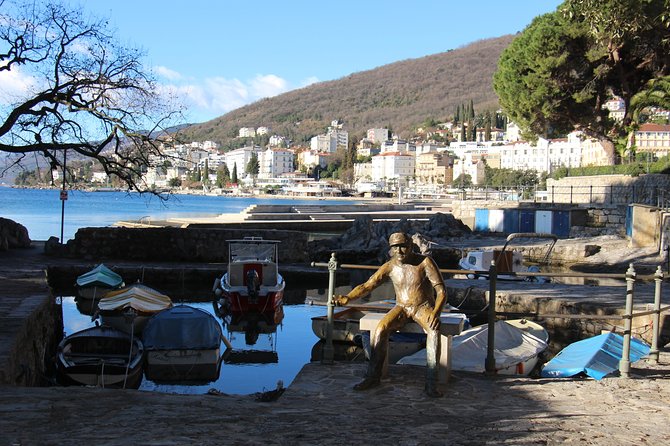
The route continues to the Juraj Šporer Gallery, housed in a place once associated with elegant visitors and fresh cakes brought each morning from Vienna. That detail gives the stop a lively social angle.
The gallery helps you picture the kind of leisure culture that shaped Opatija. This was a place for people with time and money to spend, and the Vienna connection points to the town’s wider Central European influences. You can better understand why Opatija feels different from many Croatian coastal towns. Its identity was shaped not only by the sea, but also by visitors, hotels, villas, parks, and refined holiday customs.
The scheduled stop is about 10 minutes. Use it to listen for the human details: who came here, how they spent their time, and why imported treats mattered. These small facts often make a place easier to remember than a list of dates.
The gallery stop also gives the walking route some variety. You move from gardens and religious history to hotel development, public sculpture, and social life. That variety is one reason the tour works well for a first visit.
Slatina Beach and the Croatian Walk of Fame
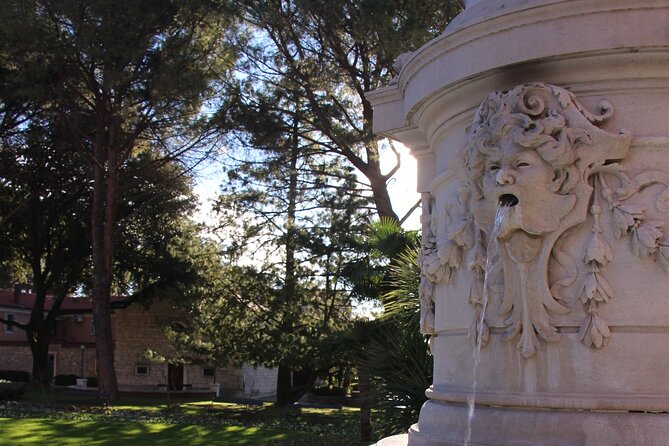
At Slatina Beach, you walk past one of Opatija’s largest beaches. The beach is paired with the Croatian Walk of Fame, so this part of the route combines present-day seaside life with national cultural recognition.
Do not expect a beach stop designed for swimming. The tour schedule allows about 10 minutes, and the emphasis is on walking past the beach and understanding its place in town. If you want time on the shore, plan to return after the tour.
The route then continues along Ulica Maršala Tita to the Croatian Walk of Fame. Here, you discover people recognized for their importance in Croatia. The names may surprise you, and you may recognize more of them than expected.
This is a good place to ask questions. The guide can explain who the figures are and why they are honored, giving you a quick connection to Croatian public life and culture. The Walk of Fame is also a lighter stop after the older buildings and historical explanations.
The schedule allows about 10 minutes here. That gives you time to look at the names and hear the main explanations, but not to investigate every person in detail. If you find a particular name interesting, note it down and look for more information later.
What the private guide adds to a 90-minute route

The strongest part of this experience is not simply the number of stops. It is the guide’s ability to connect them. Opatija can appear at first to be a collection of villas, hotels, gardens, and statues. A good guide turns those separate sights into a clear story about the town’s growth.
Tina has been especially effective at making the walk personal. She is from Opatija and has tailored the route for individual interests, including adding a market and a recommended shop. That kind of flexibility matters if you are using the tour as part of a longer drive through northern Croatia and Slovenia.
Sara has led the route with a friendly manner and clear explanations. Karli has been praised for knowing the town well, explaining it clearly, and bringing the focus of a certified guide to the walk. Guide assignments can vary, so you should not assume a particular person unless the booking confirms it.
The private setup is useful for more than comfort. You can ask why Opatija developed as it did, which sights deserve a return visit, or where to spend extra time after the walk. A large group tour often keeps moving. Here, your questions can shape the experience.
The tour also suits visitors who want local recommendations. One guide has helped direct people to a market and shop, while another offered suggestions for the rest of the stay. That is a practical benefit when your time in Opatija is limited.
Price, timing, and the real value
The price is $168.58 per group of up to seven people. For one person, that is expensive. For a full group, the value is much better, since the cost works out to about $24 per person before any booking changes or currency conversion.
You are paying for a private guide, not entrance tickets. All listed stops are free to visit, so the value comes from the interpretation, route planning, and ability to ask questions. If you enjoy exploring independently and only need a map, you may not need this tour. If you want Opatija to make sense quickly, the cost is easier to justify.
The walk lasts about 90 minutes. That makes it easy to fit into a morning, afternoon, or stop during a longer Croatian road trip. It also leaves time to return to Slatina Beach, revisit the statue, explore the park, or have a meal afterward.
The tour is booked an average of 65 days ahead, so planning early is sensible during a busy travel period. Confirmation arrives at booking, and the activity begins and ends at Galley Cafe Bar in Opatija. It is near public transportation, which makes the meeting point reasonably practical.
The route requires a moderate level of fitness. Bring water, use sun protection, and wear comfortable shoes. One section in the sun can feel hot, especially in warm weather. The experience depends on good weather. If poor conditions cause a cancellation, you can receive a full refund or choose another date.
Free cancellation is available if you cancel at least 24 hours before the start time. Cancellations or changes made inside that window are not refunded or accepted.
Who should book this Opatija walking tour
I would recommend this walk to first-time visitors who want a quick introduction before exploring independently. It also suits couples looking for Opatija’s classic romantic sights, families who prefer a short outdoor activity, and small groups sharing the cost of a private guide.
It is particularly useful as part of a northern Croatia and Slovenia road trip. The route gives you enough context to understand why Opatija feels different from other coastal towns, without taking up an entire day.
You may want another option if you dislike walking in the sun, need a fully accessible route, or want long visits inside historic buildings. The tour is also too brief for anyone seeking an exhaustive study of Opatija’s architecture or cultural life.
Should you book it?
Book this private Opatija walking tour if you want the town explained through its most important places: Angiolina Park, St. Jacob’s Church, Hotel Kvarner, the Maiden With the Seagull, the Juraj Šporer Gallery, Slatina Beach, and the Croatian Walk of Fame.
Its best feature is the combination of a compact route and a personal guide. The walk will not fill your day, and it is not meant to. It gives you the background you need, points out what deserves a closer look, and leaves you free to continue at your own pace. For a group of several people, the price is fair. For a solo visitor, it is harder to justify.
FAQ
Where does the Opatija walking tour begin and end?
The tour begins at Galley Cafe Bar, 51410 Opatija, Croatia, and ends back at the same meeting point.
How long does the private walking tour last?
The walk lasts approximately 90 minutes.
How many people can join the private tour?
The price covers one private group of up to seven people. Only your group participates.
What sights are included?
The route includes Angiolina Park and Villa Angiolina, St. Jacob’s Church, Hotel Kvarner, the Maiden With the Seagull, the Juraj Šporer Gallery, Slatina Beach, and the Croatian Walk of Fame.
Is the tour offered in English?
Yes. The experience is offered in English.
What should I bring?
Wear comfortable shoes, bring a beverage, and use sun protection. A moderate level of physical fitness is recommended.
What happens if the weather is poor?
If the tour is canceled because of bad weather, you will be offered another date or a full refund.
Just added around Opatija
- Opatija: Private Cres Island Boat Tour★ 5.0 · 3 reviews
- Opatija Be Charmed Half Day Tour with a Local★ 5.0 · 3 reviews
- Opatija: Explore kayak adventure★ 4.7 · 15 reviews
- Opatija: Guided SUP Paddleboarding Adventure at Night★ 5.0 · 11 reviews
- Kvarner Bay Tour with Opatija, Lovran and Local Specialties★ 4.5 · 6 reviews
- Istria Wine Tour from Rijeka and Opatija★ 5.0 · 11 reviews
- Zagreb – Rijeka – Opatija★ 5.0 · 4 reviews
- From Zagreb: Opatija, Rijeka & Kastav Mediterranean Day Tour★ 5.0 · 3 reviews
Walking Tours, compared.
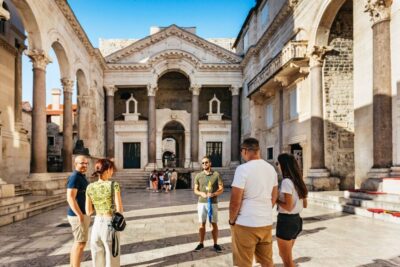
Split: Old Town and Diocletian Palace Walking Tour
Read our review →

Walking Tour of Split and Diocletian’s Palace
Read our review →


Krka Waterfalls tour with Trogir Walking tour and Krka panoramic boat cruise
Read our review →
Dubrovnik: City Walls Early Morning or Sunset Walking Tour
Read our review →Browse the lists this tour appears in