
Reviewed · COOKING CLASSES
Traditional Cooking Class in Dubrovnik Countryside
Dubrovnik’s old town can feel wonderfully rich in sights, but this outing takes you far beyond its stone lanes and cruise-ship crowds. At a family farm in the countryside, you’ll pick vegetables, gather eggs, hear stories about generations of rural life, and help prepare a Dalmatian meal with host Nikolina and her family.
I like the farm-to-table setting and the easy round-trip ride with Oliver, which means you can enjoy wine and homemade liqueurs without worrying about driving. I also like the warm, social format, with a small group of no more than 10 people and plenty of time for conversation.
The main caution is simple: this is not a formal cooking school. Some sessions are hands-on, while others put more emphasis on family history, food, and shared time than on detailed technique or written recipes.
Key points at a glance
- Pick produce from the family garden: Depending on the season and weather, you may gather vegetables, herbs, and eggs for the meal.
- Meet the people behind the food: Nikolina and her family share their home, farm, traditions, and stories from the Dubrovnik region.
- Expect a large Dalmatian meal: The planned menu includes cured meats and cheese, soup, a meat or fish dish with vegetables, and a local dessert.
- Homemade drinks are part of the table: Wine, coffee, tea, and homemade liqueurs are included.
- Oliver handles the road time: Hotel pickup and return by private car or minivan make this easy to add to a Dubrovnik stay.
- Know what kind of class this is: It is best understood as a countryside food visit with cooking, not a technique-heavy lesson.
A family farm beyond Dubrovnik’s stone walls
The appeal begins with the change of pace. You leave the compact, heavily visited center of Dubrovnik and head toward the surrounding countryside, where the day is built around a family home, gardens, animals, and a long meal.
The farm has been connected with the same family for generations. Details shared during the visit can include vineyards, olive trees, fruit trees, vegetable plots, hens, and other farm animals. The family also makes products such as wine, olive oil, cured meats, sausages, pickled vegetables, jams, and liqueurs.
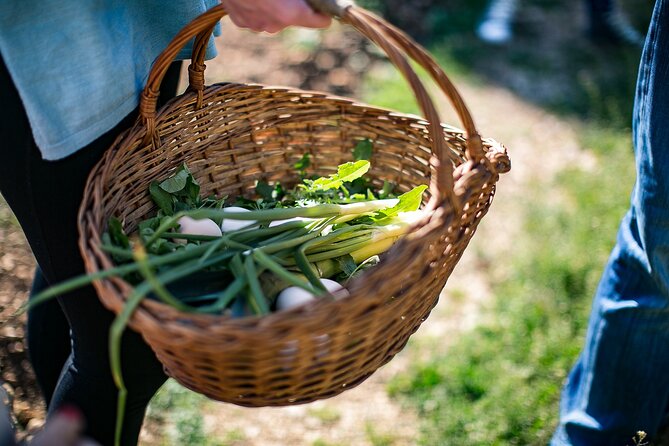
That background matters because the food is not presented as a restaurant demonstration. You see the setting that supplies much of the table. One part of the visit may have you picking mint, basil, tomatoes, potatoes, eggplant, carrots, or cucumbers. Another may involve gathering eggs from the hens or looking at the smokehouse and old farm buildings.
The exact activities vary with the weather, season, and the day’s group. Wet conditions have sometimes moved the garden work indoors, so you should not book this expecting a fixed list of farm chores. The broader idea stays the same: connect the meal with the land and the people who work it.
More cooking classes in Dubrovnik:
- Traditional Dalmatian Cooking Class from Dubrovnik
★ 5.0 · 49 reviews - Authentic Garden to Table Cooking Class in Dubrovnik Countryside
★ 5.0 · 17 reviews - Croatian Traditional Cuisine: Peka Cooking Lesson
★ 5.0 · 10 reviews
Oliver’s pickup and the five-hour rhythm
The tour lasts about five hours. Pickup is arranged from the closest practical point to your hotel or private accommodation in Dubrovnik and nearby areas. Oliver is identified in the experience accounts as a frequent driver and company owner, and his role can include more than simply getting you from town to the farm.
The ride gives you a comfortable start and finish to a countryside outing. It also removes the need to arrange a taxi in an unfamiliar area. Since wine and liqueurs are included, the private car or minivan transfer is a real part of the value, not just a minor convenience.
The timing is usually shaped by the food rather than by a strict classroom schedule. You may start with a welcome drink and a small bite, walk around the property, help with preparation, and then sit down for several courses. Conversation and family stories fill the spaces between tasks.
That relaxed rhythm will suit you if you like a social afternoon with food and local context. If you want every minute planned around knife skills, cooking temperatures, and written instruction, the pace may feel loose.
Picking vegetables, meeting animals, and setting the table
The strongest part of the outing is the connection between the farm and the meal. You may walk into the garden with a member of the family and choose produce for the dishes you will later eat. This can make even a simple salad or soup feel more meaningful, because you have seen where the ingredients came from.
The property can also include chickens, goats, sheep, pigs, horses, a donkey, rabbits, or young animals. Some sessions have included feeding hens, milking a goat, or seeing newly hatched ducklings and lambs. These moments are not guaranteed as a formal part of every departure, but they help explain why the outing feels like a visit to a working family home rather than a standard cooking studio.
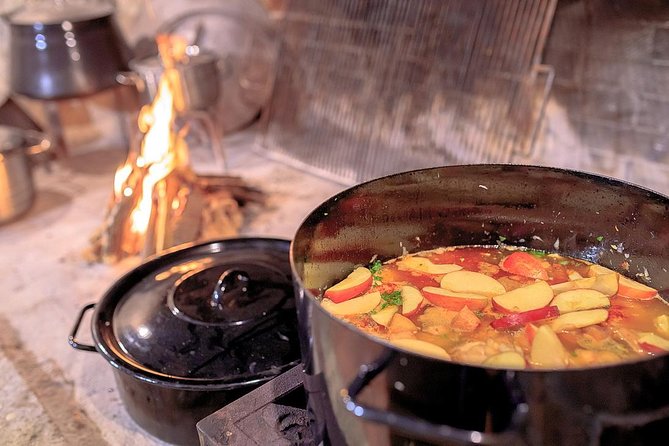
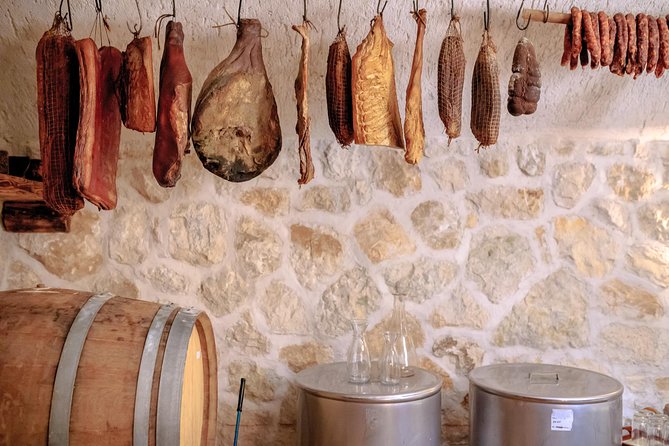
You may also see traditional food preparation areas, including a smokehouse or an outdoor fire used to cook meat under a covered pot. These details are valuable even if you are not an experienced cook. They show how food traditions fit into daily work, celebrations, and family gatherings.
The family story is another important thread. Nikolina and relatives may speak about their home, farming traditions, village life, and the hardships faced by the region during the Yugoslav Wars. The house itself has been described as centuries old, with later upgrades and additions. You are not only learning what goes into a dish. You are hearing why the household cooks and lives as it does.
What you actually cook during the class
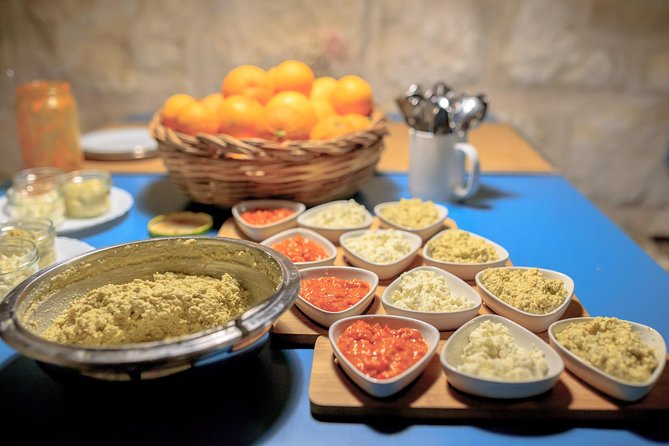
The planned menu begins with a charcuterie board featuring prosciutto, sausages, local cheeses, pickles, and garden products. Homemade bread, olive oil, tapenade, and vegetable spreads may also appear. The cured meats and cheeses are served as a tasting course, and you may see how some of the meat is smoked or preserved.
Next comes a vegetable soup made with fresh ingredients. The advertised menu describes a homemade soup, while individual sessions have included lentil soup, chicken soup, and semolina dumplings. This is a useful reminder that the meal changes with the family’s cooking plans and the season.
The main dish is based on meat or fish, served with fresh vegetables. Past sessions have included chicken stew, roast meat, pork, veal, potatoes, carrots, salads, and fish for a pescatarian participant. Some meat may have been cooking for hours before your arrival, particularly when prepared over an open fire or in a traditional covered pot.
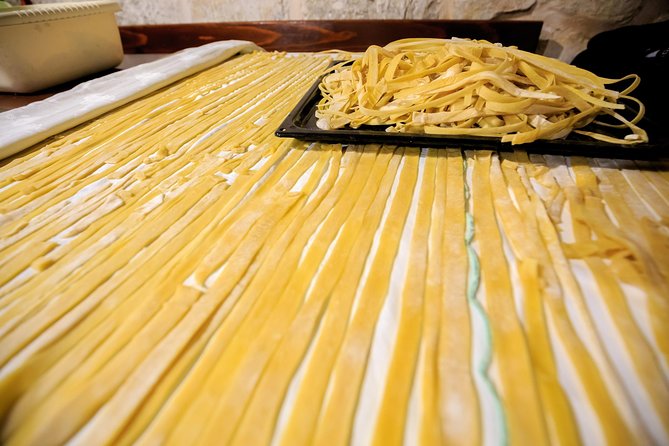
The dessert is described as a local cake or authentic regional sweet. Other sessions have included homemade cookies, fried sweets similar to funnel cakes, and desserts prepared with the group. Bread and pasta may also be part of the work, including traditional shaped pasta and several types of yeast bread.
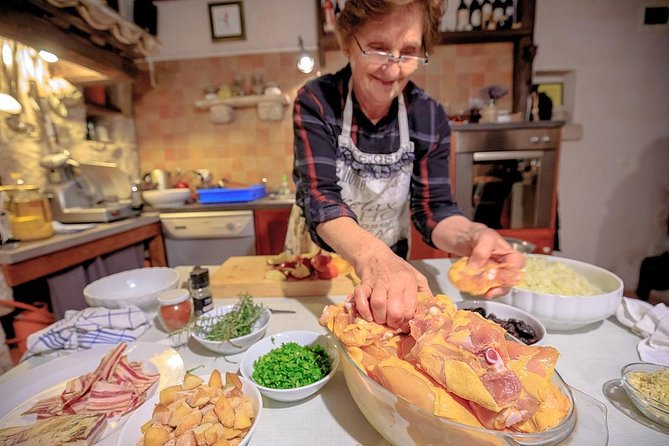
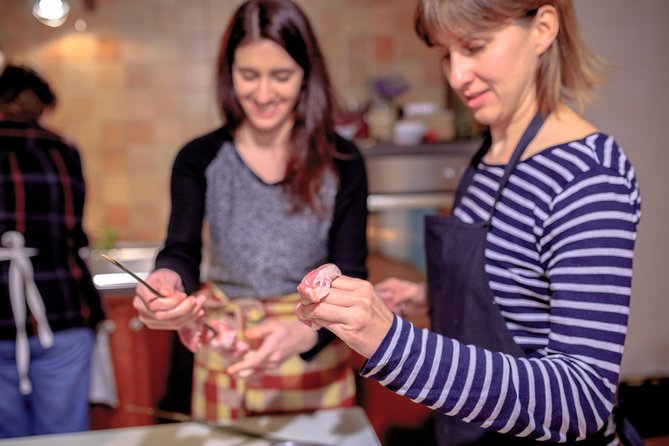
So, what will you personally do? You might chop vegetables, clean potatoes, knead dough, assemble bread, prepare soup, make pasta, shape cookies, or help with salad and side dishes. The amount of hands-on work depends on the group, the menu, and how the hosts organize that particular day.
This is the point where expectations matter most. Several accounts describe a highly involved session with bread, pasta, soup, and dessert made from scratch. Other accounts describe only brief chopping and assembly, with the family preparing much of the main meal. Both versions fit the wider style of the outing, but they offer different value to someone specifically seeking cooking instruction.
A few more Dubrovnik half-days worth comparing
- Blue Cave Small-Group Boat Tour from Dubrovnik
★ 5.0 · 9,360 reviews - Dubrovnik: Epic Game of Thrones Tour + Lokrum & Saver Option
★ 4.9 · 5,995 reviews - Dubrovnik: Old Town Walking Tour
★ 4.8 · 5,174 reviews - Dubrovnik: The Original Game of Thrones Tour & Lokrum Option
★ 4.8 · 5,064 reviews
The meal, wine, and homemade farm products
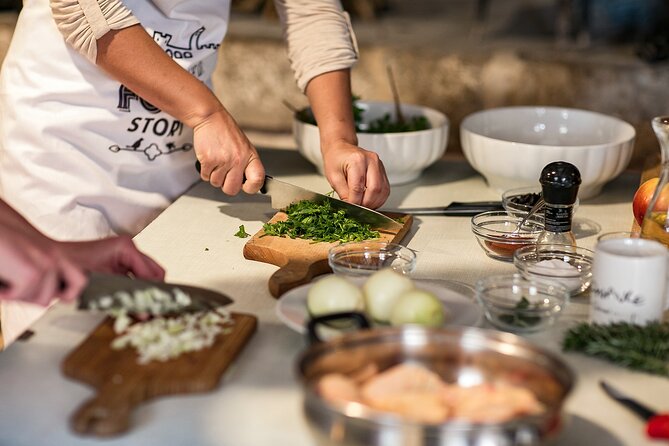
By the time you sit down, the meal is likely to be generous. The four-course outline covers a starter, soup, main dish, and dessert, though some meals have included extra bread, spreads, salads, or additional sweets. One description calls it a five-course meal, so do not expect a rigid restaurant-style count.
Wine is made by the family and includes homemade red and white varieties. Homemade liqueurs can include carob, rose, or other local flavors, depending on what is being served. Coffee and tea are also included.
The meal is a chance to taste the difference between a polished tourist menu and home cooking shaped by local habits. Some dishes may be basic rather than elaborate. That is not a flaw if you want a sense of everyday Croatian food, but it may disappoint you if you expect restaurant-level presentation or advanced recipes.
You can also buy products for personal use, including wine, olive oil, liqueurs, homemade jams, and olive-related souvenirs. These purchases are not included in the tour price. Buying something can be a nice way to take the experience home, but budget for it separately.
How much value do you get for $290.36?
At $290.36 per person, this is an expensive half-day outing. The price is easier to justify for two reasons: the private hotel transfer and the amount of food, drink, hosting, and property access included.
You are paying for more than ingredients and instruction. The package includes transportation by private car or minivan, a five-hour hosted visit, the cooking equipment, all ingredients, a four-course lunch or dinner, homemade wine and liqueurs, and a small-group format. You also avoid the cost and trouble of arranging transport to the countryside.
Still, the price is hard to defend if your only goal is to learn a set of Croatian recipes. The class may not include printed recipes, and some sessions provide limited measurements or little explanation of the main dish. If you compare it with a city cooking school, you may find that the cooking time is less focused and the fee is higher.
I see the value in the personal setting. You are entering a family home, hearing its history, meeting relatives, seeing the farm, and eating food connected to that place. If that sounds like the kind of cultural experience you want, the price can make sense. If you mainly want technical training, spend your money elsewhere.
Group size, dietary needs, and practical details
The activity requires at least two people per booking. The stated maximum is eight people per booking, with a maximum of 10 participants for the activity. That is small enough for conversation, though the amount of personal instruction can still depend on how many people attend.
Vegetarian options are available if you request one at booking. Specific dietary requirements should also be given in advance. A pescatarian participant has received a fish dish, showing that the kitchen can make useful adjustments.
Gluten-free diners should be especially clear about their needs before paying. The experience information allows dietary requests, but past arrangements have not always provided a gluten-free version of bread or dessert comparable to the standard menu. Ask exactly what you will be able to prepare and eat, rather than assuming the entire menu can be changed.
The tour is offered in English and uses a mobile ticket. Confirmation is sent within 48 hours, subject to availability. You can cancel for a full refund up to 24 hours before the start time. Changes or cancellations inside that window are not accepted for a refund.
Who will enjoy this countryside cooking visit?
I would choose this for couples, families, solo visitors who enjoy meeting new people, and anyone who wants a break from Dubrovnik’s busy center. It also suits people who care more about local life, food traditions, and a shared table than about perfect cooking technique.
Children and adults who enjoy animals, gardens, bread making, and family stories may find plenty to hold their attention. The small group makes it easier to ask questions and get involved when the hosts are offering hands-on tasks.
Food lovers should come hungry, but not overly prescriptive. The best moments may be a slice of prosciutto, a glass of family wine, fresh vegetables from the garden, or a story told beside the cooking fire. Those simple details are the point.
I would hesitate to recommend it to someone who expects a formal chef-led lesson with a printed recipe packet, exact measurements, and a clear demonstration of every dish. The experience can be quite hands-on, but it can also feel more like a hosted farm visit with cooking included.
Should you book it?
Book this if you want to meet a Croatian family, eat a large homemade meal, see countryside life, and let the day unfold at a slower pace. Oliver’s pickup, Nikolina’s hospitality, garden work, farm animals, homemade drinks, and family stories give the outing a personal character that a restaurant meal cannot match.
Think twice if the cooking class itself is your main reason for booking. Before confirming, state your dietary needs and ask how much hands-on cooking is planned for your date. For the right traveler, this is a memorable food and culture visit. For a serious student of culinary technique, it is probably too relaxed and too costly.
FAQ
How long does the cooking experience last?
The activity lasts approximately five hours.
Where does pickup take place?
Pickup is arranged from the closest practical point to your hotel or private accommodation in Dubrovnik and the surrounding area.
Is transportation included?
Yes. Hotel pickup and drop-off by private car or minivan are included.
How many people can join?
A minimum of two people is required. The booking information lists a maximum of eight people per booking and a maximum of 10 participants for the activity.
What food is included?
The planned meal includes a charcuterie starter, homemade vegetable soup, a local meat or fish dish with seasonal vegetables, and a local dessert. The exact dishes can vary.
Are drinks included?
Yes. Coffee or tea, homemade liqueurs, and homemade white and red wine are included.
Can I request a vegetarian or special-diet menu?
Yes. Vegetarian options are available, and you should provide all dietary requirements when booking. Gluten-free diners should ask in advance what dishes can be adapted.
Can I cancel for a refund?
Yes. You can cancel at least 24 hours before the start time for a full refund. Cancellations or changes made less than 24 hours before the start time are not refunded.
Just added around Dubrovnik
- Welcome to Dubrovnik Walking Tour★ 5.0 · 36 reviews
- Walls Of Dubrovnik: Small-Group Walking Tour With A Local★ 5.0 · 67 reviews
- Dubrovnik at War 1991-1992 Private Walking Tour★ 5.0 · 4 reviews
- Olive farm & village★ 5.0 · 41 reviews
- City Walls of Dubrovnik★ 5.0 · 70 reviews
- Walls of Liberty: A Self-Guided Audio Tour of Dubrovnik★ 3.5 · 3 reviews
- Trebinje Gastro Tour From Dubrovnik★ 4.5 · 12 reviews
- Try Scuba Diving Discovery in Dubrovnik★ 5.0 · 43 reviews
Cooking Classes, compared.
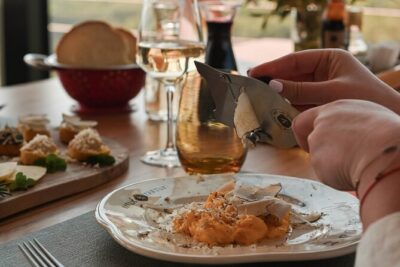
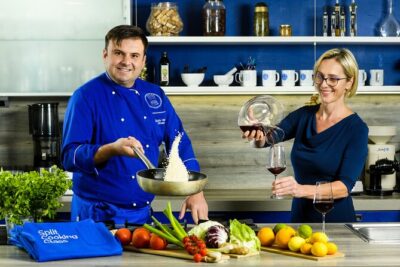
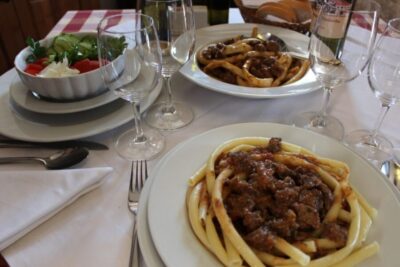
Traditional Dalmatian Cooking Class from Dubrovnik
Read our review →
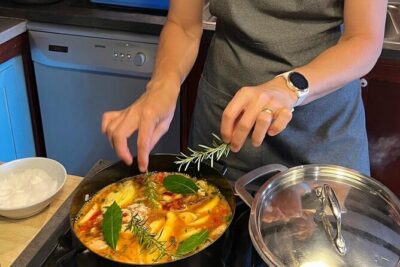
Authentic Garden to Table Cooking Class in Dubrovnik Countryside
Read our review →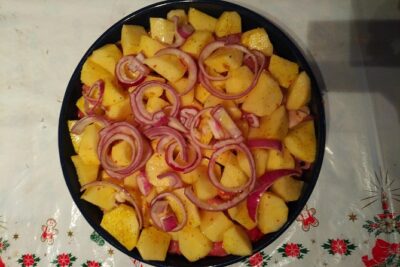
Croatian Traditional Cuisine: Peka Cooking Lesson
Read our review →
Browse the lists this tour appears in