
Reviewed · COOKING CLASSES
Split Cooking Class
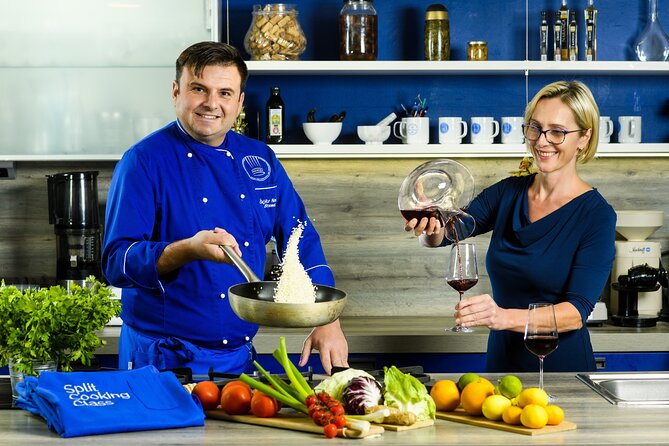
The best part of this Split cooking class happens before you reach the kitchen: you shop for the meal at the Green Market and Fish Market, guided by a chef who explains what locals buy and why. Then you prepare the food yourself, rather than watching a staged demonstration. I especially like the market connection and the chance to learn practical skills such as cleaning fish, making bread, and building a sauce. The final meal comes with wine, snacks, and good company.
The main thing to consider is the price, $211.72 per person. That is a serious spend for a five-hour activity, though it covers the market visits, instruction, food, lunch, drinks, and wine tasting. You also need to be happy with a hands-on class: this is not a sit-back-and-be-fed kind of morning.
Key points at a glance
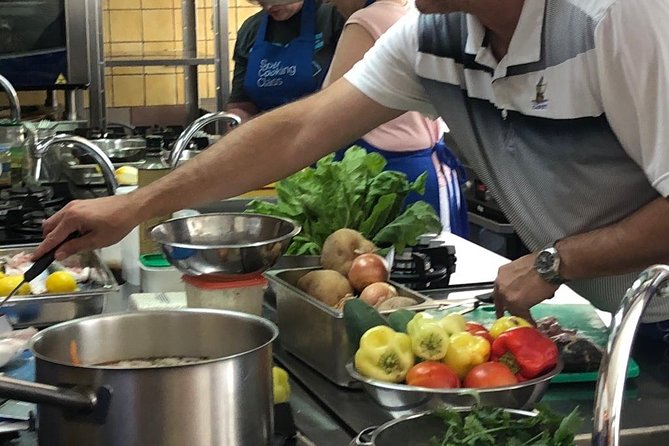
- Market shopping comes first: The morning option includes Split’s Green Market and Fish Market, where you help choose the ingredients.
- Professional kitchen instruction: Chefs including Marin, Željko, and Drago bring experience from leading Croatian restaurants and focus on practical cooking skills.
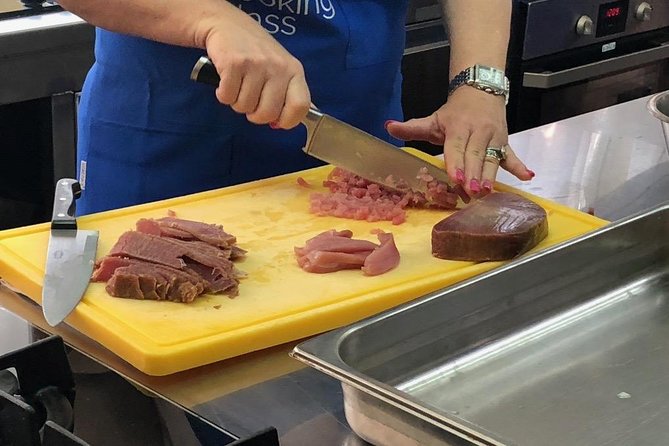
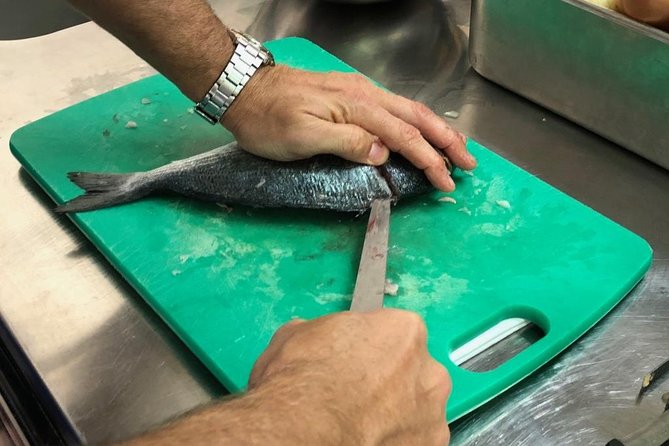
- Fish preparation is a major feature: You may learn to clean or fillet fish, depending on the day’s menu and group.
- A full meal follows the lesson: Snacks, lunch, beverages, wine, coffee, and tea are included.
- Small groups keep it personal: The maximum is 12 people, with some classes forming smaller groups, especially outside the busiest season.
- Allow the whole morning and lunch: The class begins at 9:00 a.m. and lasts about five hours, ending back at the meeting point.
Why the market visit makes this class different
Many cooking classes begin with ingredients already measured and waiting on a counter. Here, you start at Split’s markets. That small change gives the class a stronger connection to daily life in Dalmatia.
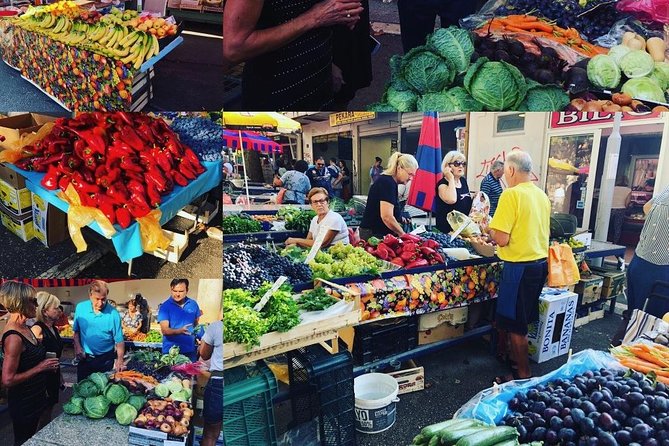
You meet at Hrvojeva 4 at 9:00 a.m., close to Split’s old center. From there, the group visits the Green Market, where local produce provides the first lesson. You can expect the chef to discuss the available fruit and vegetables, explain seasonal choices, and add bits of Split’s past as you walk.
The second stop is the Fish Market. This is especially useful if your home cooking rarely involves whole fish or a wide range of seafood. The market visit lets you see what is available before you learn how to prepare it. The class has included lessons in fish cleaning and filleting, and one particularly adventurous menu featured stingray.
I like this beginning because it gives you context without turning the morning into a formal city tour. You are walking through real food shops, not simply hearing a lecture about Croatian cooking. The market trip also helps explain why freshness and simple preparation matter so much in Dalmatian food.
There is some walking between the markets and the cooking school. It is described as a small amount, but you should still wear comfortable shoes. If the market walk does not suit you, a class without the vegetable and fish market visits is also available.
More cooking classes in Split:
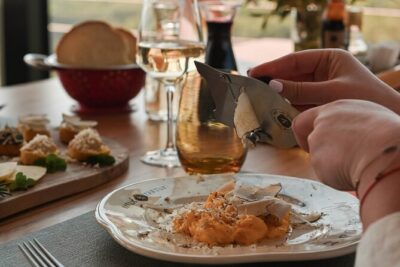
- Truffle hunting & cooking tour
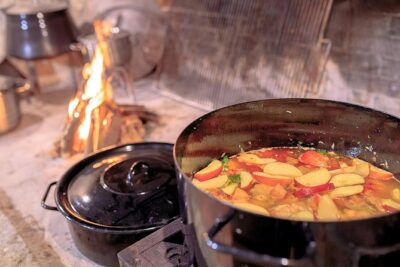
★ 5.0 · 257 reviews - Traditional Cooking Class in Dubrovnik Countryside
★ 5.0 · 168 reviews - Traditional Dalmatian Cooking Class from Dubrovnik
★ 5.0 · 49 reviews
Inside the Split cooking school
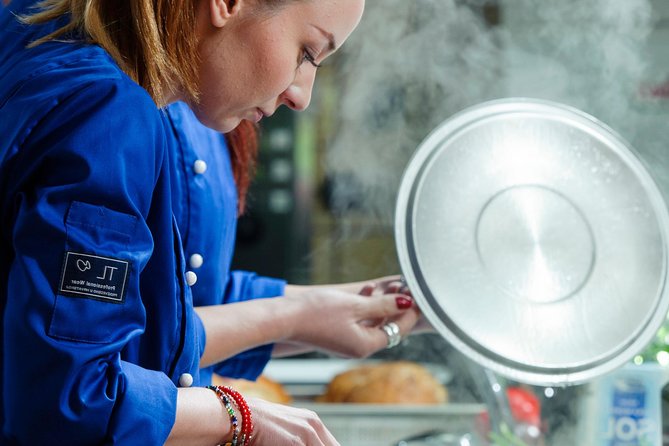
After the markets, you continue to the cooking school for the hands-on part of the morning. The school has professional facilities, air conditioning, and room for groups of up to 12. That size is large enough to create a social meal but small enough for the chef to work directly with you.
You begin with snacks and a drink before the cooking starts. The group may then divide into smaller working teams. This matters because a cooking class can become frustrating when too many people crowd around one cutting board or stove. The available feedback suggests that the fish and vegetable preparation tends to involve the most direct participation, while bread and dessert may include more watching and explanation.
That balance is worth understanding before you book. You will be involved, but not every part of the menu will require the same amount of work from every person. If you want to practice each dish from beginning to end, ask about the format and menu when booking.
The chefs are the heart of the class. Marin is praised for his enthusiasm and for connecting cooking with local culture. Željko has guided groups through the markets, answered questions patiently, and helped participants build confidence in the kitchen. Drago has been especially appreciated for making the class relaxed and personal.
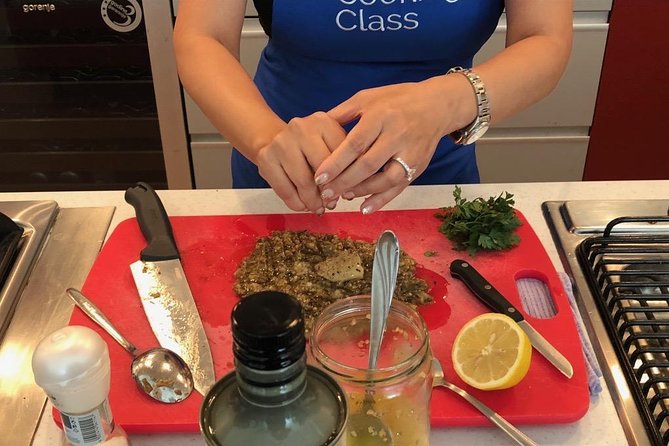
The teaching style is practical rather than showy. You may learn how to clean fish, prepare vegetables, bake bread, make a sauce base, or handle a dessert. The chef explains not only what to do, but also why the ingredient or technique matters. That makes the class more useful after you return home.
The food you may prepare
The exact menu can vary, so you should not book expecting one fixed list of dishes. The class centers on traditional Croatian and Dalmatian food, with a meal prepared from ingredients selected at the markets.
Fish and seafood often play an important role. You may work with a whole fish and learn basic preparation before cooking it. For many people, this is the most useful skill of the day. It is one thing to order grilled fish at a restaurant; it is another to understand how to prepare it in your own kitchen.
Vegetables also receive plenty of attention. One example mentioned by the school is Swiss chard with potatoes and garlic, a simple combination that shows the Mediterranean side of Croatian cooking. It is not complicated food, but the class helps you see how careful preparation and good produce can carry a dish.
The menu can also include risotto, bread, desserts, and several seafood dishes. The risotto has been a highlight for some participants, and the bread lesson gives you a skill that is easy to repeat at home. Snacks and drinks keep the group going while the meal comes together.
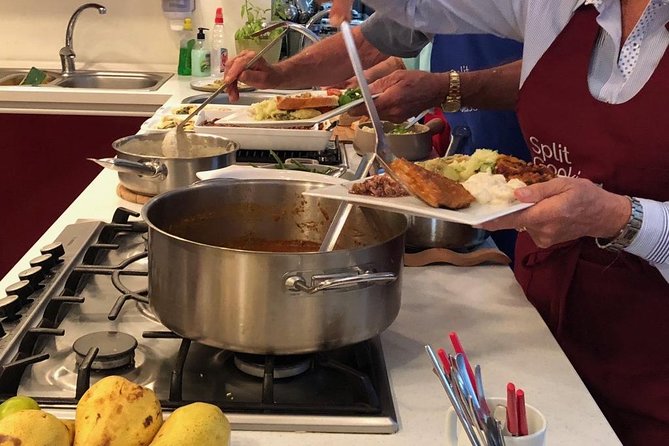
Do not expect a tiny tasting menu. The portions have been described as generous, and you should arrive hungry. By the time lunch is served, you will have spent several hours handling food, talking, tasting, and cooking. The meal is the payoff, but it is also part of the class’s social rhythm.
A long lunch with wine and local conversation
At the end, everyone sits down to eat what the group has prepared. Lunch, beverages, snacks, wine tasting, coffee, and tea are included. This makes the class feel more like a shared meal than a quick lesson followed by a rushed bite.
The social side is a real strength. Cooking together gives you something to talk about, even if you arrive knowing no one else. The class has included groups of seven and smaller off-season groups, and a maximum of 12 keeps the gathering from becoming unwieldy.
You should think of the lunch as part of the experience, not just a reward. In Dalmatia, sitting down for a midday meal carries real cultural weight. After working together in the kitchen, the food has a different meaning than a restaurant lunch ordered from a menu.
Wine is included, but the information provided does not specify the number or type of wines served. If you do not drink alcohol, beverages and coffee or tea are also included. Let the provider know about dietary needs at booking. Vegetarian options are available, and food allergies can be accommodated when advised in advance.
A few more Split half-days worth comparing
- Blue Lagoon & 3 Islands Cruise with Lunch from Split
★ 4.5 · 5,756 reviews - Split: Old Town and Diocletian Palace Walking Tour
★ 4.9 · 4,727 reviews - Split: Blue Lagoon Boat Party with DJs, Shots & After Party
★ 4.9 · 4,610 reviews - Split: Blue Lagoon and 3 Islands Speedboat Tour
★ 4.8 · 3,406 reviews
What the five-hour schedule means for your day
The class starts at 9:00 a.m. and lasts about five hours. That usually takes you through the market visits, the walk to the school, preparation, cooking, and lunch. The activity ends back at the meeting point.
This timing works well for a morning in Split. You see the markets when the day is getting started, then finish with lunch rather than trying to squeeze the meal into the middle of another sightseeing plan. I would keep the rest of the day light. A full cooking session, especially one that includes market walking and wine, is enough of a commitment.
Hotel pickup and drop-off are included only if you select that option. Otherwise, plan to reach Hrvojeva 4 on your own. The meeting point is close enough to Split’s old center to be walkable from many central accommodations, but the supplied details do not promise transport for the standard option.
The class is offered in English. Confirmation is provided when you book, and the maximum group size is 12. It is suitable for all cooking levels, including people who rarely cook and people who already feel comfortable in a kitchen.
What I like most about the teaching
I like that the chefs treat cooking as a skill you can take home. You are not simply handed a recipe and told to copy it. The class can cover useful techniques such as fish preparation, bread baking, sauce making, and handling seasonal vegetables.
The cultural explanations also add value. As you walk through Split, the chef can connect the food to local habits and the city’s past. In the kitchen, you learn why certain dishes are prepared in a particular way, rather than following instructions without context.
The personalities of the individual chefs make a difference. Marin is described as passionate and playful, Željko as patient and attentive, and Drago as warm and encouraging. Since the exact chef is not guaranteed in the information provided, you should see these names as examples of the teaching team rather than a promise that one specific person will lead your class.
There is also room for humor. One class connected the chef and participants through a shared love of Ratatouille, while another became a relaxed family-style meal. That kind of easy conversation can make a group class feel far less formal.
The drawbacks to weigh before booking
The price is the clearest concern. At $211.72 per person, this is not a budget lunch or a quick market tour. You are paying for several elements at once: a professional chef, market visits, a cooking school, ingredients, lunch, snacks, drinks, and wine tasting.
The value is strongest if you enjoy the process. If you mainly want to eat Croatian food, a restaurant will cost less and require less time. If you want to learn techniques, ask questions, meet people, and understand the ingredients, the class becomes easier to justify.
The format may not give you equal hands-on time with every dish. Fish and vegetables are reported to be especially interactive, while bread and dessert can include more demonstration. You should also expect the menu to depend on what is available at the market and what the group can prepare that day.
Finally, the five-hour length calls for patience. This is a full morning and lunch, not a 90-minute activity. That is a plus for food lovers, but a drawback if your Split schedule is packed with museum visits, boat trips, or other fixed plans.
Who should book this Split class
I would recommend it most strongly to people who enjoy eating and cooking together. It works for beginners because the chefs guide you through the steps, and it also suits experienced home cooks who want to learn fish preparation or see how Dalmatian ingredients are handled.
Families can enjoy it, provided everyone is happy to participate. A group of parents and daughters found the class friendly and relaxed, and the format offers a shared activity rather than another passive tour.
It is also a good choice for a rainy morning. The walk between the markets adds outdoor time, but the cooking school provides a comfortable indoor setting with professional facilities.
You should be cautious if you have strict dietary needs and have not contacted the provider in advance. Vegetarian cooking is available, and allergies can be accommodated, but the chef needs that information at booking. Also consider the walking involved if you prefer to avoid market visits.
Free cancellation is available until 24 hours before the start time. Cancellations or changes made inside that window are not refunded or accepted. The class also requires a minimum number of participants, so a cancellation by the provider can result in another date, another experience, or a full refund.
Should you book it?
Book this class if you want more than a meal in Split. The market visits, fish preparation, professional kitchen, and shared lunch give you a clear sense of how local food moves from stall to table.
At $211.72, it is best viewed as a half-day food experience rather than a cheap cooking lesson. I think the price makes sense for food-focused visitors who will use the techniques at home and value the cultural setting. If your main goal is sightseeing or a quick taste of Croatian cuisine, spend less elsewhere.
For the best fit, choose the morning class with the Green Market and Fish Market visits, arrive hungry, mention dietary needs in advance, and leave the rest of the day open.
FAQ
Where does the Split cooking class begin?
The class begins at Hrvojeva 4, 21000 Split, Croatia, at 9:00 a.m.
How long does the cooking class last?
The experience lasts approximately five hours and ends back at the meeting point.
Are the market visits included?
The morning class includes visits to Split’s Green Market and Fish Market to select ingredients. Classes without the vegetable and fish market visits are also available.
Is the class taught in English?
Yes. The experience is offered in English.
What food and drinks are included?
The class includes lunch, snacks, beverages, wine tasting, and coffee or tea. The menu can include Croatian dishes such as fish, seafood, vegetables, risotto, bread, and desserts.
Can vegetarians or people with food allergies join?
A vegetarian option is available. You should advise the provider of any dietary requirements or allergies when booking.
How many people can join the class?
The maximum group size is 12 people.
Can I cancel for a full refund?
You can cancel for a full refund if you do so at least 24 hours before the experience start time. Cancellations or changes made less than 24 hours in advance are not accepted or refunded.
Just added around Split
- Split Day Trip from Dubrovnik★ 4.0 · 59 reviews
- Dubrovnik to Split Private Transfer with Local Experienced Driver★ 5.0 · 52 reviews
- Private Transfer from Dubrovnik to Split★ 5.0 · 3 reviews
- Private Transfer from Dubrovnik to Split with 2 hours for sightseeing★ 5.0 · 50 reviews
- Private Transfer: Dubrovnik to Split★ 5.0 · 7 reviews
- Dubrovnik to Split Private Transfer with Mostar Town★ 5.0 · 38 reviews
- Private Tour: Split Day Trip from Dubrovnik★ 5.0 · 9 reviews
- Private Day Trip :Dubrovnik- Mostar- Split★ 5.0 · 3 reviews
Cooking Classes, compared.
Traditional Cooking Class in Dubrovnik Countryside
Read our review →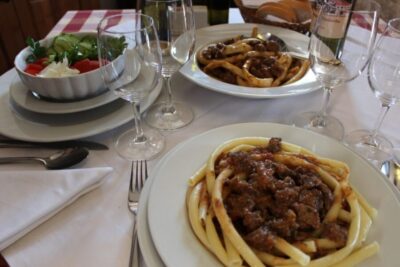
Traditional Dalmatian Cooking Class from Dubrovnik
Read our review →
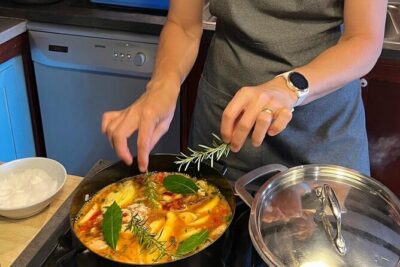
Authentic Garden to Table Cooking Class in Dubrovnik Countryside
Read our review →
Croatian Traditional Cuisine: Peka Cooking Lesson
Read our review →
Browse the lists this tour appears in