
Reviewed · WALKING TOURS
Dubrovnik Old Town: Small-Group Walking Tour With A Local
Dubrovnik’s Old Town is compact, but its stones carry centuries of politics, trade, faith, war, and local gossip. This small-group walk takes you from Ploče Gate to Pile Gate, covering the city’s main sights while a local guide explains what you are seeing and why it matters.
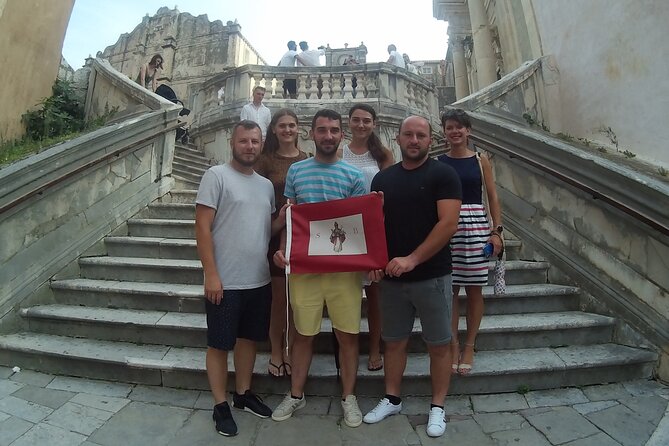
I like the cap of eight people, which makes it easy to hear the guide and ask questions. I also like the playful touches, including trivia contests, searches for Saint Blaise carvings, and personal details from guides such as Marko, who grew up in the Old Town. The main consideration is that this is an orientation walk, not a museum tour, so entrance fees and indoor visits are not included.
Key points to know before you book
- Small groups capped at eight: You get a more personal walk than on a large city tour.
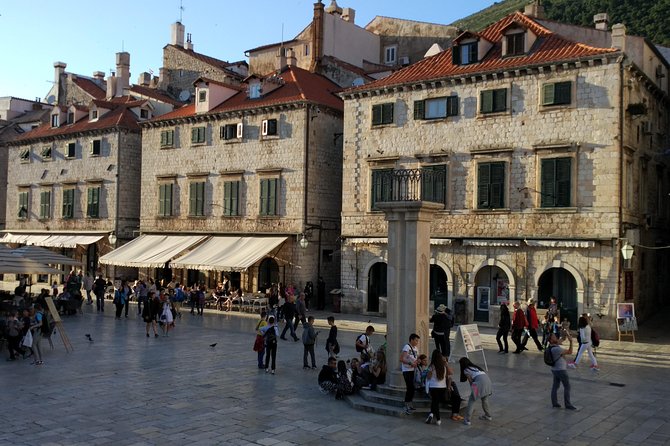
- A full Old Town route: The walk links Ploče Gate, the harbor, Stradun, Rector’s Palace, the churches, and Pile Gate.
- Local storytelling: Guides such as Marko and Lucy mix city history with daily life, legends, and practical tips.
- No museum admissions: You see the exteriors of several important buildings, but paid interiors are not part of the tour.
- A gentle 90-minute to two-hour pace: The route covers a lot, but the walk is designed as an introduction rather than a strenuous expedition.
- Good value at $34.59: The price makes sense if you want a clear first look at Dubrovnik before exploring on your own.
Starting at Ploče Gate with Dubrovnik’s story
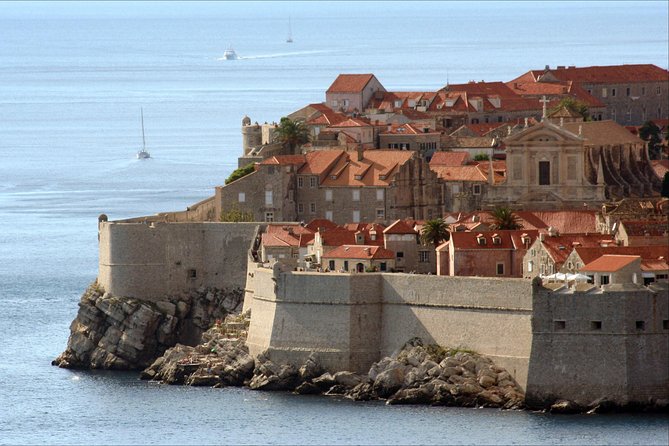
The meeting point is at the Harbour Viewpoint near Ploče Gate, the eastern entrance to the Old Town. This is a useful starting place because the gate immediately shows you how Dubrovnik controlled access to its fortified city.
Your guide begins with the city’s origins and the importance of the old Dubrovnik Republic. That short introduction matters. Without it, Dubrovnik can look like a beautiful collection of churches and polished limestone streets. With it, you begin to see a carefully organized maritime republic that protected its independence through trade, diplomacy, and strict civic rules.
The route then moves into the Old Town, where the guide connects the large historical picture to small details in the streets. Since the group is limited to eight, you should have a fair chance to hear the explanation even when the lanes are busy.
More Walking Tours in Dubrovnik
- Dubrovnik: Old Town Walking Tour
★ 4.8 · 5,174 reviews - Dubrovnik Discovery Old Town Walking Tour
★ 5.0 · 4,458 reviews - Dubrovnik: Game of Thrones Walking Tour
★ 5.0 · 1,732 reviews
Dominican Monastery and the old city harbor
The Dominican Monastery is one of the first major stops. It is described as the oldest still-active monastery in Dubrovnik, giving the building more weight than a quick architectural photo stop. The guide’s explanation helps place the religious orders within the city’s daily life.
The tour then reaches the City Harbor. This was once the working heart of the Dubrovnik Republic, where trade took place and wooden galleons were built. I like this part because it shifts the focus from grand buildings to the city’s practical purpose. Dubrovnik was not simply a fortified town. It was a seafaring power that depended on ships, merchants, and careful relations with other ports.
You will not get a full maritime museum visit here. Instead, the harbor becomes an outdoor lesson in how the city earned its living. That format keeps the walk moving, but anyone wanting detailed shipbuilding history will need another visit.
Baroque churches and stories of faith
The Cathedral of the Assumption of the Virgin Mary brings the tour into the city’s baroque period. The guide points out the cathedral’s architecture and shares stories about its past, including local legends. The stop is brief, so think of it as a way to understand the cathedral’s place in Dubrovnik rather than a detailed study of its art.
At the Church of Saint Ignatius of Loyola, the subject turns to the Jesuits. You learn when this influential Catholic order arrived in Dubrovnik and why it mattered. The guide also tells the story of a famous Jesuit from Dubrovnik whose name has been given to a crater on the Moon, an unusual fact that helps the stop stick in your memory.
These church stops are especially useful if you like history but do not want a tour made up only of dates. The stories provide hooks. You may not remember every century, but you are more likely to remember the Jesuit connection or the legend linked to a building.
The tour does not include entrance to churches that charge a fee. You should treat these moments as exterior visits and short historical explanations. If you want to see the interiors, plan a separate visit and budget for admission.
Gundulić Square and the political center of the republic
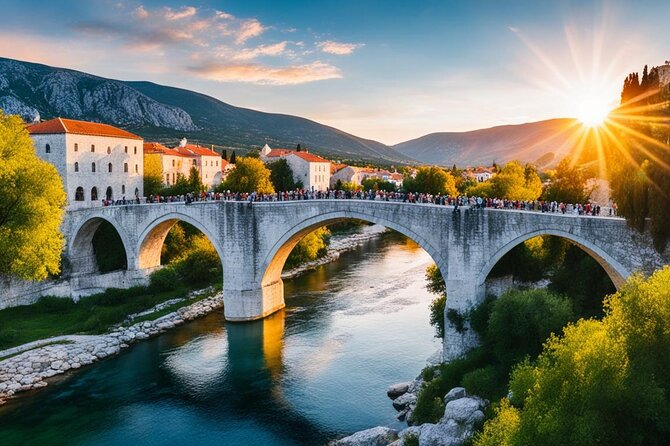
At the monument to poet Ivan Gundulić, the route reaches the market square. Gundulić was the best-known poet of the old Dubrovnik Republic, and the square gives you a chance to see how literature, public life, and commerce met in the city center.
Rector’s Palace is one of the most important political stops. It once housed the highest political institution of the republic, and the guide explains the old aristocracy, political customs, and some stranger details from civic life. This is where the tour’s focus on government becomes clearer.
The palace is also a good example of the tour’s limits. You can learn why the building mattered, but admission is not included. If the palace is high on your list, return later for a longer indoor visit. The walking tour gives you the context first, which can make a self-guided visit more rewarding.
Same stretch of coast, a completely different kind of day:
- Blue Cave Small-Group Boat Tour from Dubrovnik
★ 5.0 · 9,360 reviews - Dubrovnik: Epic Game of Thrones Tour + Lokrum & Saver Option
★ 4.9 · 5,995 reviews - Dubrovnik: The Original Game of Thrones Tour & Lokrum Option
★ 4.8 · 5,064 reviews - Dubrovnik Game of Thrones Tour & Optional Lokrum Island Visit
★ 5.0 · 4,702 reviews
Marin Držić, Sponza Palace, and the city’s public face
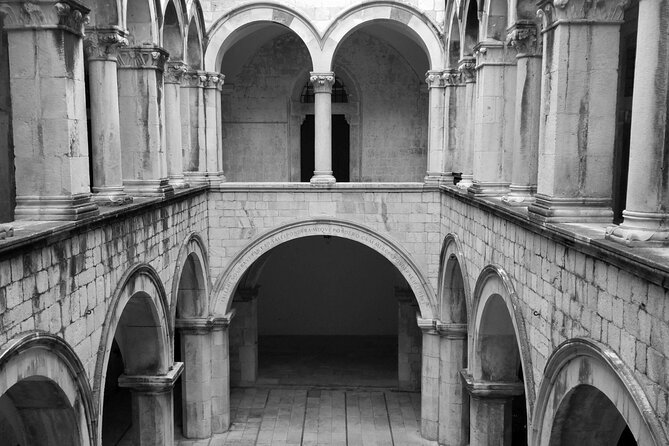
The statue of Marin Držić is easy to spot because of its golden nose. Držić was Dubrovnik’s best-known Renaissance playwright, and people touch the nose. Your guide explains the custom and tells the story of his life.
Small details like this are among the strongest parts of the walk. A standard city route can show you the statue, but a local guide can tell you why people interact with it. The same is true of the Saint Blaise statues and carvings you will encounter later. Guides have used a simple search game to keep younger visitors involved and to make the architecture easier to notice.
Sponza Palace was once the customs house of the Dubrovnik Republic. Today it holds the historical archives. The guide explains its role in the old city and shares Latin proverbs connected with the building. This is another stop where the outside view is only part of the story.
The Bell Tower follows, with an explanation of what makes it unusual. The stop is short, but it adds another piece to the city’s civic center. The tower, palace, church, column, and square are close together, yet each represented a different part of public life.
Saint Blaise and the Orlando Column
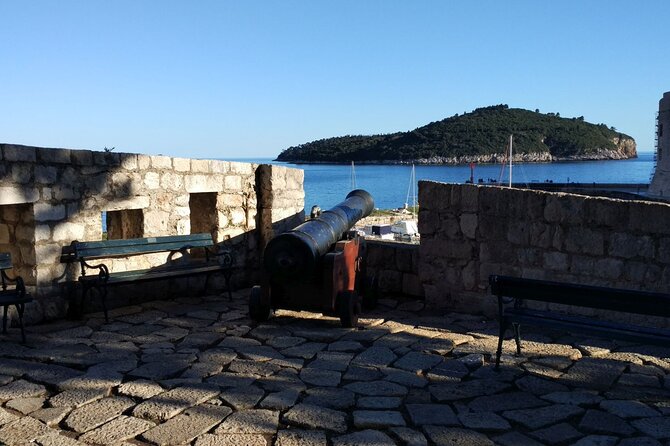
Saint Blaise’s Church honors Dubrovnik’s patron saint. You will see Saint Blaise represented in statues around the city, and the guide explains both the legend and the historical story behind his role.
This is a good point to pay attention to the details above street level. Dubrovnik’s symbols are not limited to the largest buildings. Saint Blaise appears throughout the Old Town, and spotting those figures can turn the remainder of your walk into a small visual treasure hunt.
The Orlando Column tells another civic story. The brave knight Orlando became a symbol of the old Dubrovnik Republic, and the column marks his place in the city’s public identity. Taken together, Saint Blaise and Orlando show two sides of Dubrovnik: spiritual protection and civic independence.
Dubrovnik’s Jewish community and the route along Stradun

The stop at the Dubrovnik Synagogue introduces the history of the city’s Jewish community, from its early days through periods of hardship and into the present. This is an important inclusion because many short Old Town walks focus only on rulers, churches, and palaces.
The explanation is brief, but it gives you a reason to look beyond the most famous monuments. Dubrovnik’s story includes smaller communities whose lives were tied to trade, faith, and the changing fortunes of the republic.
The tour then follows Stradun, the Old Town’s famous main street. Its smooth limestone surface and straight route make it one of the easiest places to orient yourself. The guide explains the street’s place in city life while you walk through the central spine of Dubrovnik.
Stradun can be busy, especially during popular visiting hours. A small group helps, but you should still expect to pause and let other people pass. Comfortable shoes are sensible, and the stone can be slick underfoot in places.
Saint Roch, Onofrio’s Fountain, and the Franciscan Monastery
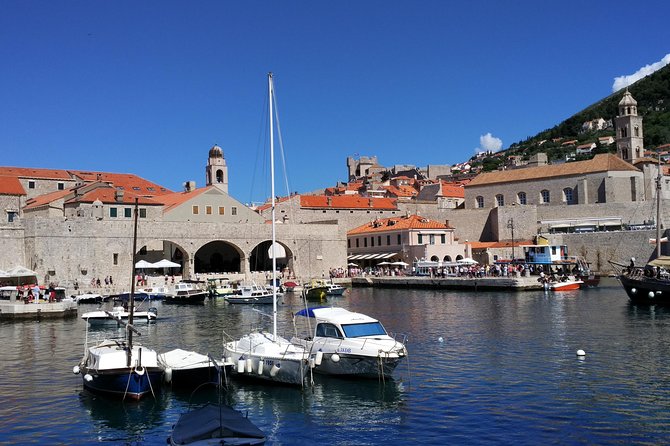
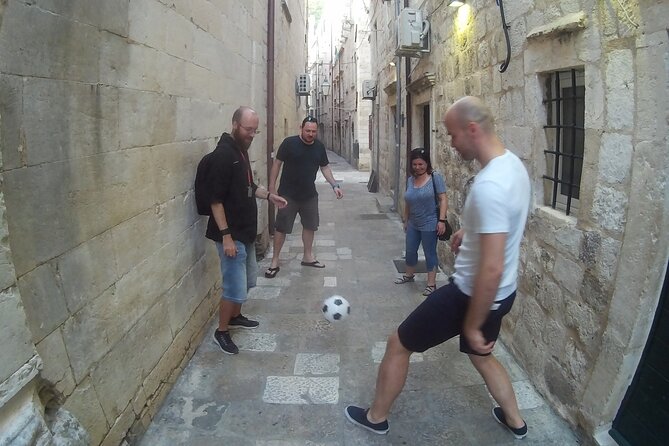
The Church of Saint Roch sits away from the main street. The guide points out old graffiti on the side wall and explains that children played football in front of the church in the 16th century. That is exactly the sort of small, human detail that can make an old stone building feel connected to ordinary life.
Onofrio’s Large Fountain marks the end of the old aqueduct. Its 15th-century role was practical and vital: bringing water into the city. The fountain gives the guide a chance to explain how Dubrovnik supported life inside its walls.
The Franciscan Church and Monastery provides one of the final major stops. The guide discusses the pharmacy that has operated continuously for centuries and the Franciscans’ contribution to Dubrovnik society. Admission is not included, so you will hear the story from outside unless you return later.
This part of the route is useful for understanding that Dubrovnik’s survival depended on more than walls and ships. Water supply, medicine, religious institutions, and local services all helped the city function.
Finishing at Pile Gate
The walk ends near Pile Gate, the western entrance to the Old Town, beside Onofrio’s Large Fountain. The guide closes with the end of the Dubrovnik Republic, giving you a final piece of the political story that began at Ploče Gate.
Ending at Pile Gate is practical. You finish near one of the city’s main entrances and can continue exploring, find transport, or use the fountain as an easy meeting point. You also cross the Old Town from east to west, so the tour gives you a useful mental map for the rest of your visit.
The official route lists many short stops, but the full experience lasts about 90 minutes to two hours. The difference likely depends on questions, group size, and the guide’s pace. A small group can make the walk feel less rushed, especially if you want to ask about food, local customs, or places to explore afterward.
What the local guide adds
The strongest reason to choose this walk is the guide, not simply the route. Marko is described as having grown up in the Old Town, and his approach combines historical explanation with humor, questions, and personal insight. Guides named Markus, Marco, and Lucy are also identified in the experience material, so the exact style may vary by departure.
The format is interactive. You might be asked questions, awarded points in a friendly contest, or encouraged to look for repeated symbols in the stonework. That approach suits families and teenagers better than a long stream of dates.
English is the offered language. The guide is a professional licensed guide, and the experience is designed for most people who can take part in a normal city walk. Service animals are allowed, and the route is near public transportation.
The walk is not presented as a specialist architectural seminar. Instead, it gives you a broad, memorable introduction. You will hear about politics, religion, trade, literature, Jewish life, water, medicine, and daily customs in one compact route.
Is $34.59 a fair price?
At $34.59 per person, the tour offers good value if you want a guide to connect the sights rather than simply point them out. You cover nearly every major Old Town landmark, and the group size is limited to eight. That is the key value: personal attention without the cost of a private tour.
The price is less attractive if you plan to enter several museums and churches during the same outing. Those admission fees are separate, and the walk does not include interior visits. In that case, you should compare the total cost with a longer paid tour that includes admissions, if available.
For a first morning or afternoon in Dubrovnik, I think the tour works best as a framework. Take the walk first, note the buildings that interest you, then return to the Rector’s Palace, Franciscan Monastery, cathedral, or other paid sites on your own.
You can cancel for a full refund up to 24 hours before the start time. The experience requires good weather and a minimum number of participants. If poor weather or low enrollment cancels the tour, you are offered another date or a full refund.
Who should book this Dubrovnik walk?
Book it if you want a compact introduction, prefer a group no larger than eight, and enjoy stories that connect famous sights with small local details. It is especially well suited to first-time visitors, families, couples, and anyone who wants help getting oriented before exploring alone.
You may want something else if you prefer long indoor visits, specialist art commentary, or a completely private itinerary. This walk covers a lot of ground and gives you the context for major sites, but it does not replace time inside Dubrovnik’s museums and churches.
I would book it early if your dates are fixed. The experience is often reserved well ahead of time, and the small capacity can fill faster than a standard large-group walk.
FAQ
How long does the Dubrovnik Old Town walking tour last?
The tour lasts approximately 90 minutes to two hours.
How many people can join the tour?
The group has a maximum of eight participants.
Where does the tour start?
It starts at Harbour Viewpoint near Ploče Gate, at Ul. Svetog Dominika bb in Dubrovnik.
Where does the tour end?
It ends near Pile Gate, by Onofrio’s Large Fountain.
Are entrance fees included?
No. The tour does not visit churches or museums that require entrance fees, and paid admissions are not included.
What language is the tour offered in?
The tour is offered in English.
Should you book it?
Yes, if you want to understand Dubrovnik before wandering its streets on your own. The small group, east-to-west route, local stories, and playful questions make this more useful than simply following a guidebook between monuments.
Just keep your expectations clear. You are buying a well-paced introduction to the Old Town, not a series of museum admissions. At $34.59, that is a sensible trade for a personal walk led by someone who can explain why the stones, statues, churches, harbor, and fountains matter.
Just added around Dubrovnik
- Welcome to Dubrovnik Walking Tour★ 5.0 · 36 reviews
- Walls Of Dubrovnik: Small-Group Walking Tour With A Local★ 5.0 · 67 reviews
- Dubrovnik at War 1991-1992 Private Walking Tour★ 5.0 · 4 reviews
- Olive farm & village★ 5.0 · 41 reviews
- City Walls of Dubrovnik★ 5.0 · 70 reviews
- Walls of Liberty: A Self-Guided Audio Tour of Dubrovnik★ 3.5 · 3 reviews
- Trebinje Gastro Tour From Dubrovnik★ 4.5 · 12 reviews
- Try Scuba Diving Discovery in Dubrovnik★ 5.0 · 43 reviews
Walking Tours, compared.
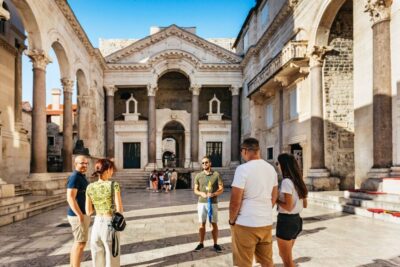
Split: Old Town and Diocletian Palace Walking Tour
Read our review →
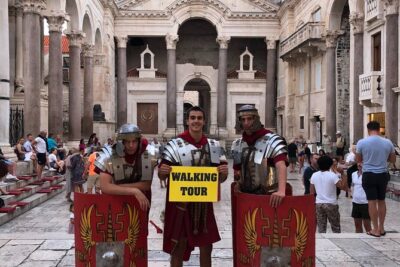
Walking Tour of Split and Diocletian’s Palace
Read our review →

Krka Waterfalls tour with Trogir Walking tour and Krka panoramic boat cruise
Read our review →
Dubrovnik: City Walls Early Morning or Sunset Walking Tour
Read our review →Browse the lists this tour appears in