
Reviewed · TRUFFLE AND OLIVE OIL TOURS
Wine, food and olive oil by PhD student
Dubrovnik’s food story comes alive one small plate and wine glass at a time on this three-hour walk. You move through the Old Town with an enologist guide, stopping at four family-run places for award-winning olive oil, four Croatian wines, seafood, meat, and dessert. The tasting is tied to the city’s history, not treated as a string of unrelated snacks.
I like the personal scale, with a maximum of 12 people, and the guide’s mix of wine training and local knowledge. I also like the range: you get fish, seafood, meat, a 16th-century recipe, a dessert, and an olive oil lesson. The main drawback is the price, $205.59 per person, which is a serious spend for three hours. The experience is strongest if you want a guided meal and cultural walk, not just a quick tasting.
Key points to know before booking
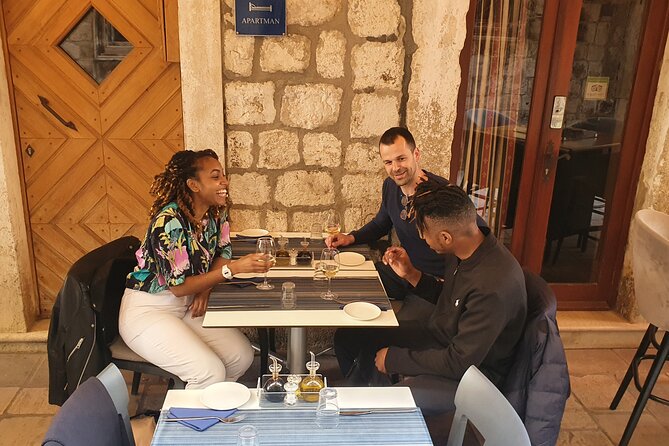
- Four family-run stops: Olive oil, two restaurant visits, and dessert are built into the route.
- A wine specialist leads the walk: Your guide is an enologist with a master’s degree and is also a PhD student in wine. Dom has been praised for his knowledge of local wine and Dubrovnik.
- Four Croatian wines: Each is paired with food, including white wines with fish, seafood, and meat, plus a red from the Dubrovnik region.
- A proper meal, not a few nibbles: The menu includes four dishes made with locally produced ingredients, and portions are described as generous.
- History comes between courses: You pass major Old Town sights while learning about the Dubrovnik Republic, its politics, engineering, and food traditions.
- Afternoon timing: The tour starts at 4:00 pm at Large Onofrio’s Fountain and ends at Rector’s Palace.
Why this Dubrovnik food tour feels different
Many food walks give you a bite, a fact, and a brisk march to the next stop. This one is built more like a guided meal with a city tour woven through it. You begin near Large Onofrio’s Fountain, walk through several parts of the Old Town, and stop at four family-run businesses.
The food and drinks are included, so you do not need to keep pulling out your wallet. That matters in Dubrovnik, where a meal in the Old Town can become expensive quickly. You also avoid the usual guesswork of choosing local dishes from a menu you may not understand.
The guide is central to the experience. The tour is led by a local guide who is also an enologist, with a master’s degree and current PhD work in wine. If Dom is leading your group, you can expect a guide with particular interest in local wines, olive oil, and Dubrovnik’s past. His local roots add useful context as you walk through streets he knows well.
The tone should suit you if you enjoy asking questions. One customer even contacted Dom later with wine questions while at the airport. That suggests a level of personal attention that goes beyond simply reading out tasting notes, though the quality of the experience will still depend on which guide leads your departure.
More Food Tours in Dubrovnik
- Dubrovnik Food and Drink Walking Tour with a Local Guide
★ 5.0 · 654 reviews - Dubrovnik Old Town Food Tour: Small-Group Experience
★ 5.0 · 419 reviews - Dubrovnik Gastronomy: 3-Hour Food and Wine Tour
★ 4.9 · 249 reviews
Starting at Large Onofrio’s Fountain
Meet at Large Onofrio’s Fountain at 4:00 pm. This is a practical starting point because it sits beside several important routes into the Old Town, including the area near Pile Gate. The walk then takes you past major sights such as the Franciscan Monastery, the Farmers Market, Rupe Museum, Jesuit Stairs, Rector’s Palace, Revelin Fort, Ploče Gate, and Lazareti.
You will not stop for a full tour of every monument. Instead, the guide uses the walk between food stops to explain the city. That is a good balance for an afternoon centered on eating. You get orientation and context without spending the whole three hours standing in front of churches and fortifications.
At Large Onofrio’s Fountain, the conversation turns to the height of the Dubrovnik Republic and the engineering work that supported the city. The fountain is an especially fitting place for this subject. It gives the guide a clear way to connect water, urban planning, and the practical systems that helped Dubrovnik function.
This opening section also helps you get your bearings. If you schedule the tour near the start of your Dubrovnik stay, you will pass several places you may want to revisit later. One useful tip is to note the restaurants and streets as you go, since the Old Town can feel confusing after dark.
Learning to taste Croatian olive oil
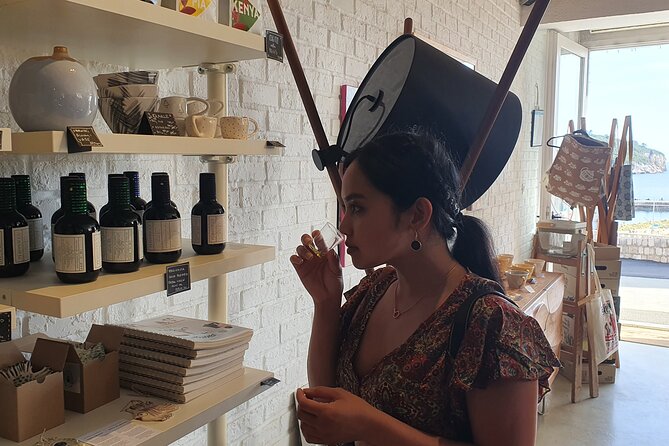
The first food stop is devoted to extra virgin olive oil. You receive two samples and learn how to recognize the main qualities of good oil during a guided evaluation lasting about 15 minutes.
This is more useful than simply being told which bottle tastes best. You learn to pay attention to the oil itself, including the basic characteristics that separate high-quality extra virgin olive oil from a dull or defective product. The tasting features two Croatian oils that have received awards at the New York International Olive Oil Competition.
Olive oil is easy to overlook when seafood and wine are waiting, but this short lesson gives the meal a stronger local base. Croatia’s coastal cooking depends heavily on olive oil, and tasting it on its own makes it easier to notice what it contributes to bread, fish, vegetables, and sauces.
The stop is also a good fit for anyone who normally finds wine tastings intimidating. Olive oil evaluation is different, but the same general idea applies: smell first, taste carefully, and pay attention to texture and finish. You do not need specialist vocabulary to get something from it.
Four dishes and four Croatian wines
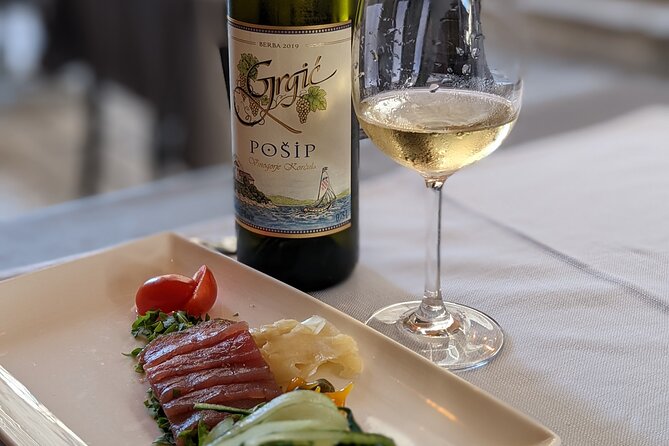
The main part of the tour takes place at two restaurants. You taste four wines paired with four dishes, followed by dessert at a final stop. The food includes fish, seafood, and meat, so the menu has more range than a tasting built around one specialty.
The first fish course is paired with a Croatian white wine made from a variety recognized by Decanter in 2021. The specific grape is not identified in the available details, so you should not book expecting a particular bottle. The point is the pairing, a local white matched with a delicate fish dish.
Next comes a seafood dish with another Croatian white from the same general group of locally recognized varieties. Having two seafood courses lets you compare how different preparations work with white wine. If you already enjoy coastal cooking, this section will likely be the heart of the meal.
The third course is a meat dish based on a very old recipe dating to the 16th century. It is served with a locally produced white wine, made from a variety recognized by Decanter in 2017. A white wine with meat may surprise you, but that is exactly why this course adds interest. It gives the guide a chance to explain how local cooking and regional wine do not always follow the rules you may expect.
The fourth dish is another meat course paired with Croatia’s most important red grape variety. The wine comes from the oldest protected wine-growing zone in Croatia, near Dubrovnik. This is the clearest point in the menu for learning about the region’s red wine identity.
The menu is designed to feel like lunch, even though the tour begins at 4:00 pm. Portions are not described as tiny, so avoid eating a large late lunch before you arrive. The food is made with locally produced ingredients, but the exact dishes can vary. If you have strict dietary needs, ask before booking rather than assuming the standard menu can be changed.
More Wine Tours in Dubrovnik
- Sunset Sea Kayaking and Wine Dubrovnik
★ 5.0 · 949 reviews - Dubrovnik: Sunset Zip Line Experience Followed by Wine
★ 4.9 · 921 reviews - Dubrovnik: Sunset Kayaking & Snorkeling with water &wine
★ 5.0 · 599 reviews - Dubrovnik: Guided Sunset Sea Kayaking with Snacks and Wine
★ 4.9 · 144 reviews
Walking past Dubrovnik’s less obvious details
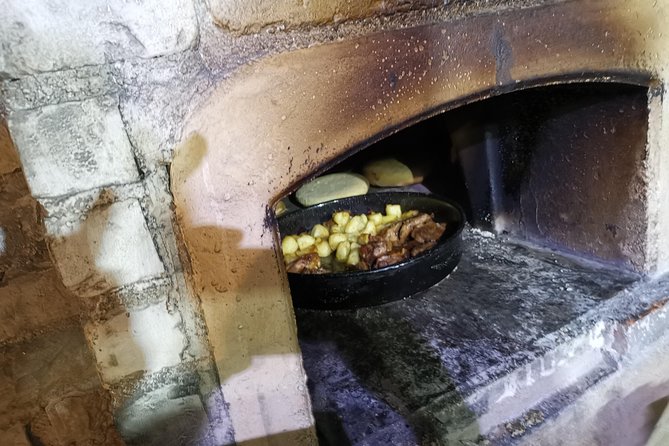
The Old Town route is not only a parade of postcard sights. You also pass through quieter sections where you can look across the rooftops and see how tightly the city is arranged.
One stop brings you near Rupe Museum, housed in a 16th-century granary. That detail gives the walking section a useful food connection. A granary is not just an attractive old building. It points to how the city stored grain and managed supplies, issues that mattered greatly to a small republic with limited space and powerful neighbors.
The route also includes Jesuit Stairs and the area around Rector’s Palace. These places help shift the discussion from daily food to political power. The guide explains how the Dubrovnik Republic was organized and how its aristocracy handled threats from larger and stronger opponents.
That political material is a strong reason to choose this tour over a standard restaurant crawl. You are not only tasting what is on the plate. You are learning how the city’s independence, trade, social structure, and location shaped what people ate and drank.
The walking is manageable for most people, but the Old Town includes stone streets and stairs. The tour lasts about three hours, and you should wear comfortable shoes. You will be moving between stops rather than sitting in one restaurant for the entire afternoon.
Ending near Rector’s Palace
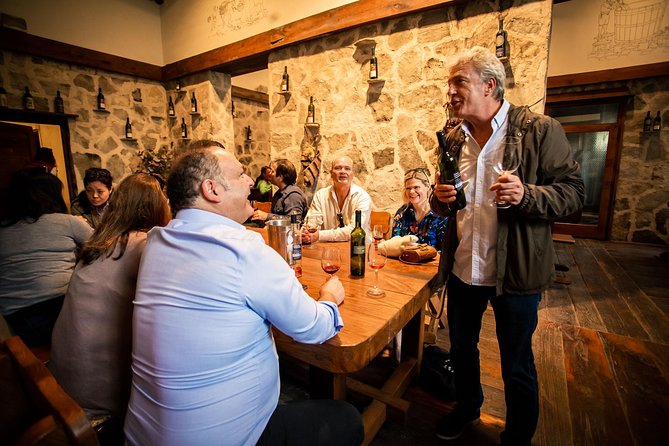
The tour finishes at Rector’s Palace, one of Dubrovnik’s key historic buildings. Ending there gives the final part of the walk a clear setting, especially after the guide has discussed the political system of the Republic.
Dessert is served at the fourth family-run place before or around the final section of the route. The details of the dessert are not specified, so think of it as a sweet finish rather than a particular signature dish you can plan around.
The route’s endpoint is useful if you want to continue exploring the Old Town afterward. It also places you near several central streets and sights. Since the tour begins in the late afternoon, you may be able to follow it with an evening walk through the city, though the tasting itself should already count as a substantial meal.
Is $205.59 a fair price?

At $205.59 per person, this is not a budget food walk. You are paying for four dishes, four wines, olive oil tasting, dessert, a small group, and a guide with formal wine training. The cost also covers the convenience of having the food and drink arranged across several stops.
The value depends on what you would otherwise book. If you planned to eat a full meal, order several Croatian wines, and pay for a separate history walk, the price becomes easier to justify. If you mainly want one or two samples and a brief introduction to local cuisine, it is expensive.
The small group is important. With no more than 12 people, the guide has a better chance of answering questions and explaining the wines without shouting across a large crowd. The personal quality has been a major strength, particularly when Dom leads.
I would compare this tour with the cost of a good Dubrovnik dinner before booking. You are not buying a cheap way to fill up. You are buying an organized food experience, a cultural walk, and access to wines and olive oils selected for their regional importance.
Who should book this experience?
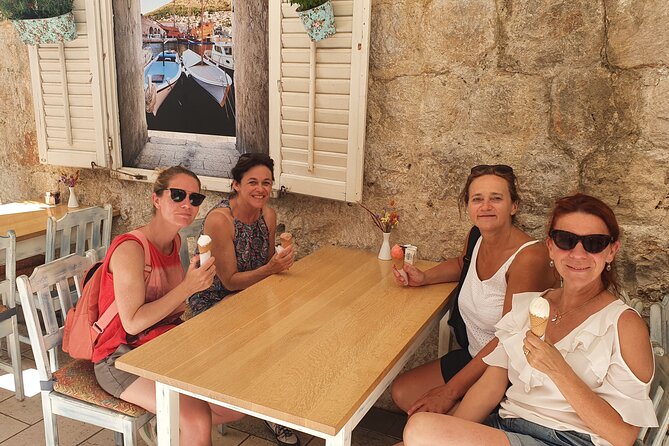
I would recommend it to people who want food and history in the same outing. It works especially well if you are visiting Dubrovnik for the first time and want an early orientation to the Old Town’s streets, landmarks, restaurants, and local ingredients.
It also suits wine drinkers who want more than a generic Croatian tasting. The guide’s training allows room for questions about grape varieties, regional wine, pairings, and olive oil. If you hope to buy bottles later, the tasting can help you decide what styles you like.
The tour is also a good choice for couples and small groups who prefer a social meal without organizing every reservation themselves. The food and alcohol are included, and the route is planned for you.
I would hesitate if you are looking for a quick, inexpensive activity or if you dislike a guide-led format. One less positive assessment described the experience as basic and more focused on the guide than on what the participants wanted. That is a useful warning: the guide is not a side feature. He or she shapes the entire afternoon.
Wine tasting is available only to people aged 18 and older. The tour is offered in English, service animals are allowed, and most people can participate. Since it requires good weather, a poor-weather cancellation may lead to a different date or a full refund. You can cancel for a full refund up to 24 hours before the start time.
My verdict on the Dubrovnik wine and food walk
I would book this if I wanted one well-organized afternoon that combined Croatian food, regional wine, olive oil, and Dubrovnik’s political story. The variety is the strongest feature: fish, seafood, two meat dishes, four wines, olive oil, and dessert make this feel like a full tasting meal rather than a snack tour.
The price is the main question. At more than $200, you need to value the guide, the small group, and the built-in cultural context. If that sounds worthwhile, this is a strong choice, especially when Dom leads. If you only want to taste local food cheaply, choose a simpler meal and spend the difference exploring Dubrovnik on your own.
FAQ
Where does the tour begin?
The tour begins at Large Onofrio’s Fountain, at Poljana Paska Miličevića in Dubrovnik.
Where does the tour end?
The tour ends at Rector’s Palace on Ul. Pred Dvorom.
What time does the experience start?
The tour starts at 4:00 pm.
How long does the tour last?
The experience lasts approximately three hours.
How many people can join the tour?
The maximum group size is 12 people.
Is wine included, and who can take part in the wine tasting?
Alcoholic beverages, including awarded wines from the Dubrovnik region, are included. Wine tasting is available only to customers aged 18 and above.
What happens if the weather is poor?
The experience requires good weather. If it is canceled because of poor weather, you will be offered a different date or a full refund. You can also cancel up to 24 hours before the start time for a full refund.
More Food and Drink in Dubrovnik
- Dubrovnik: Old Town Food Tour
★ 4.8 · 119 reviews - Sunset and Wine / Dubrovnik Sunset Tour and Premium Wine Tasting
★ 5.0 · 113 reviews - Half-Day Wine and Food Tasting from Dubrovnik
★ 4.5 · 106 reviews - Island Hopping & City Walls Cruise with Food and Open Bar
★ 5.0 · 102 reviews
More Truffle and Olive Oil Tours
- Olive farm & village
★ 5.0 · 41 reviews - Split: Krka Waterfalls With Boat Cruise, Wine and Olive Oil
★ 4.3 · 1,507 reviews - Truffle hunting & cooking tour
★ 5.0 · 257 reviews - Paladini: Truffle Hunting Tour with 3-Course Tasting Menu
★ 4.9 · 102 reviews
Just added around Dubrovnik
- Welcome to Dubrovnik Walking Tour★ 5.0 · 36 reviews
- Walls Of Dubrovnik: Small-Group Walking Tour With A Local★ 5.0 · 67 reviews
- Dubrovnik at War 1991-1992 Private Walking Tour★ 5.0 · 4 reviews
- Olive farm & village★ 5.0 · 41 reviews
- City Walls of Dubrovnik★ 5.0 · 70 reviews
- Walls of Liberty: A Self-Guided Audio Tour of Dubrovnik★ 3.5 · 3 reviews
- Trebinje Gastro Tour From Dubrovnik★ 4.5 · 12 reviews
- Try Scuba Diving Discovery in Dubrovnik★ 5.0 · 43 reviews
Truffle and Olive Oil Tours, compared.
Split: Krka Waterfalls With Boat Cruise, Wine and Olive Oil
Read our review →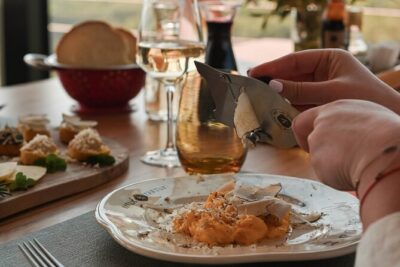
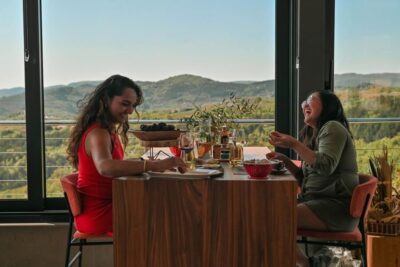
Paladini: Truffle Hunting Tour with 3-Course Tasting Menu
Read our review →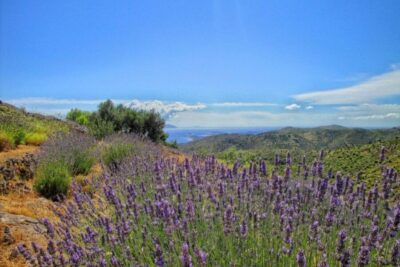
Hvar: Island tour with Wine and Olive Oil Tasting
Read our review →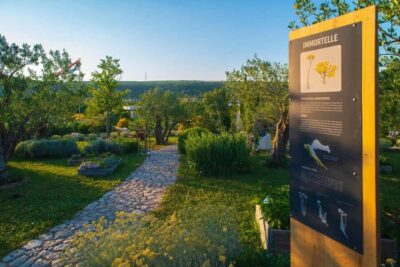


Pula: House of Istrian Olive Oil Museum and Guided Tasting
Read our review →Browse the lists this tour appears in