
Reviewed · WALKING TOURS
A walk through life in communist Yugoslavia
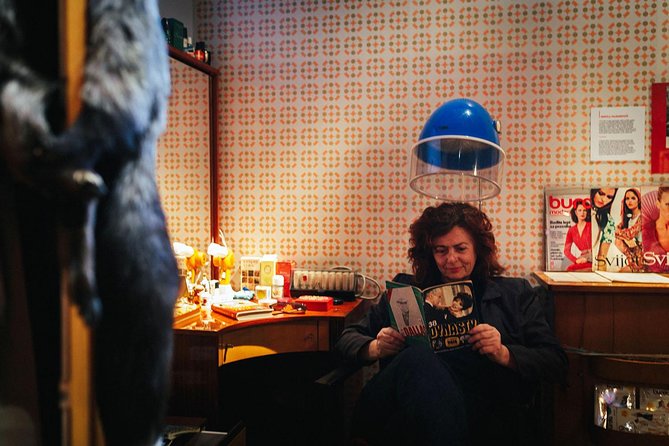
Dubrovnik’s Red History Museum turns a difficult period into something you can see, hear, and understand. Rather than presenting only dates and political leaders, it shows ordinary life in communist Yugoslavia through room sets, household goods, music, design, and personal stories. I like the way it puts daily routines beside subjects such as secret agencies, the Non-Aligned movement, and state control.
I also like the museum’s compact size. In roughly one hour to 95 minutes, you can get a clear introduction without giving up half your day in Dubrovnik. The main drawback is the price listed at $211, which feels high for a museum visit, and the displays may give less attention than some visitors want to the final years when Yugoslavia began to break apart.
Key points to know before you go
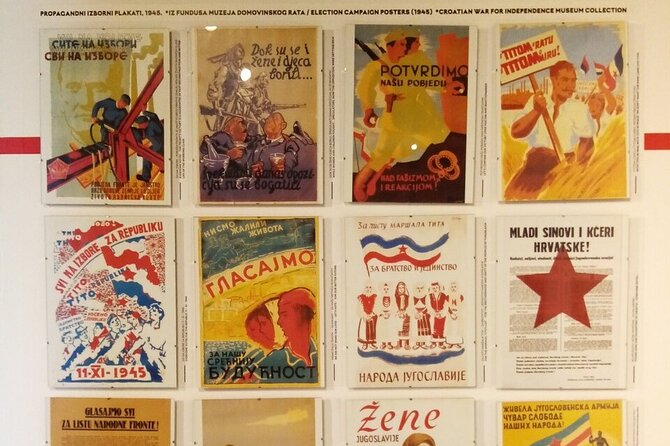
- A 300-square-meter museum shows daily life, politics, design, and music from communist Yugoslavia.
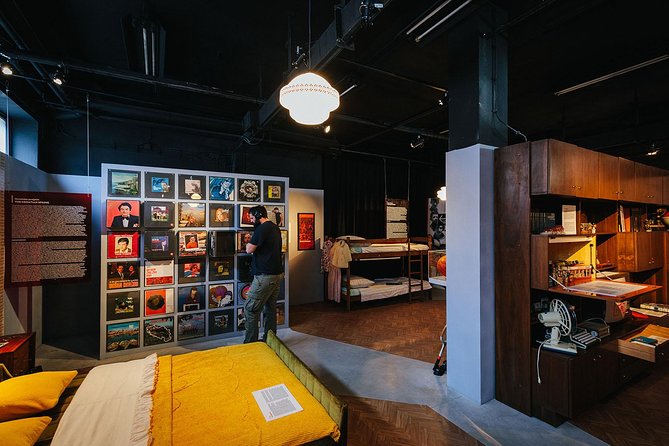
- Room sets and genuine 20th-century objects make the period easier to picture than a standard display of labels and dates.
- You can learn about the Communist Party, secret agencies, and Yugoslavia’s Non-Aligned position.
- The visit usually takes about 50 minutes to 1 hour 35 minutes, with roughly 90 minutes planned for the museum.
- The museum is at Ul. Svetog Križa 3, near public transportation, and the experience begins and ends there.
- Prepaid admission includes entry on your chosen day, with free cancellation up to 24 hours before the start time.
Entering Dubrovnik’s Red History Museum
The Red History Museum is at Ul. Svetog Križa 3 in Dubrovnik. This is not an excursion around the city, and there is no separate walking route or transport section. You go to the museum, spend your time inside, and finish at the same meeting point.
That simple setup matters in Dubrovnik. You can fit the museum around a morning in the Old Town, a meal, or another booked activity without committing to a full-day tour. Since the visit is self-contained, you should think of it as a focused history stop rather than a guided sightseeing experience.
The museum occupies about 300 square meters. That is small by major European museum standards, but here the size works in its favor. The subject can feel broad and political, yet the compact layout keeps the visit manageable. You move through a series of displays and room sets instead of facing endless galleries.
Your confirmation arrives at booking, and the mobile ticket lets you keep admission on your phone. Prepaid entry also means you do not need to buy a ticket at the counter on the day you visit.
More Walking Tours in Dubrovnik
- Dubrovnik: Old Town Walking Tour
★ 4.8 · 5,174 reviews - Dubrovnik Discovery Old Town Walking Tour
★ 5.0 · 4,458 reviews - Dubrovnik: Game of Thrones Walking Tour
★ 5.0 · 1,732 reviews
Seeing Yugoslavia through ordinary rooms
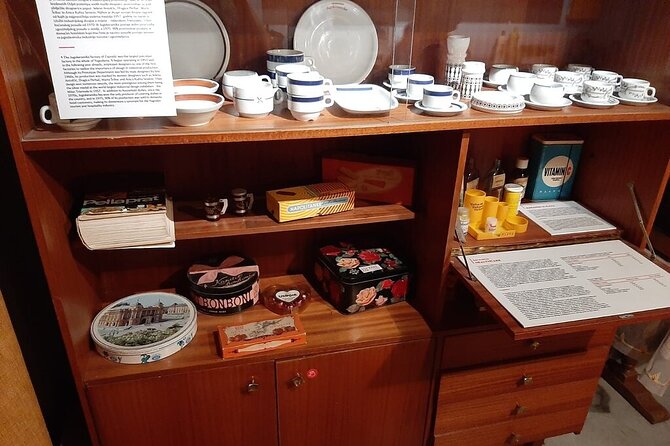
The strongest part of the museum is its use of everyday objects. Political history can seem remote when it is presented only through speeches, borders, and party structures. A room set, a household item, a piece of period design, or a popular song gives you a more practical sense of how people experienced the era.
You can expect a time-capsule style presentation. The museum uses older objects alongside newer technology, so the displays are not limited to glass cases. The result is a more active visit, with sights and sounds helping you connect the public story of Yugoslavia to private life at home.
I especially value this approach for anyone who does not already know much about the former country. You do not need a detailed background in Balkan politics to follow the main ideas. The displays explain how people lived under the Communist Party and how the system shaped work, culture, design, and public behavior.
The museum also gives space to personal stories. That helps keep the subject from becoming a dry lesson about institutions. You are encouraged to think about the people who lived under the system, not only the officials who ran it.
Politics, secret agencies, and the Non-Aligned world
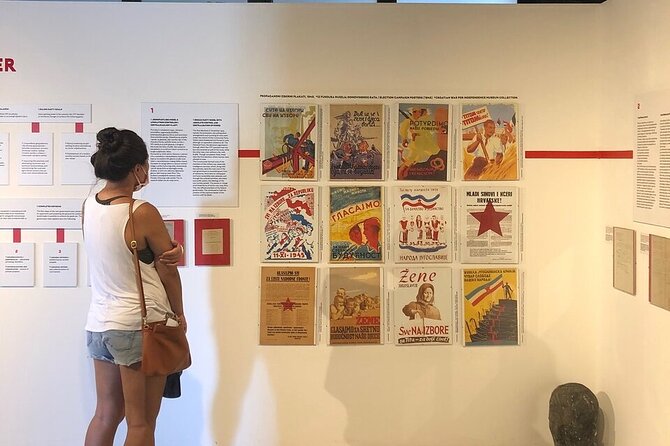
The museum does not treat communist Yugoslavia as a simple story with one message. Its subjects include politics, secret agencies, art, design, and the country’s place in the Non-Aligned movement.
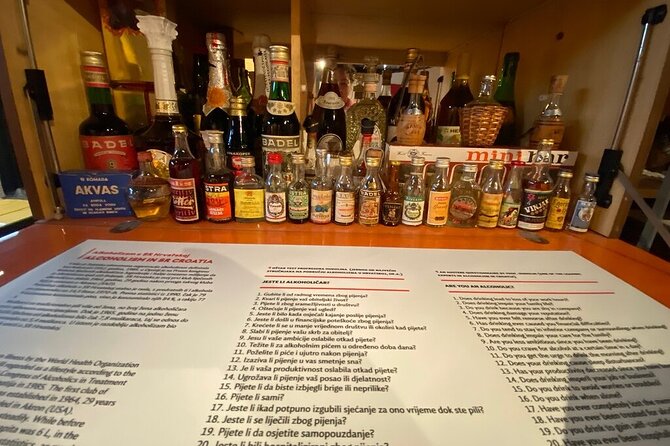
The section on secret police and surveillance adds a darker edge. It reminds you that everyday life existed under watchful political control. This is important context, especially if your image of Yugoslavia is limited to its tourist coast, popular music, or postwar nostalgia.
The material on the Non-Aligned movement is also useful. Yugoslavia did not fit neatly into the usual Cold War picture of countries tied directly to either the United States or the Soviet Union. The museum’s presentation helps you see that the country had its own political position and identity, even while it remained a communist state.
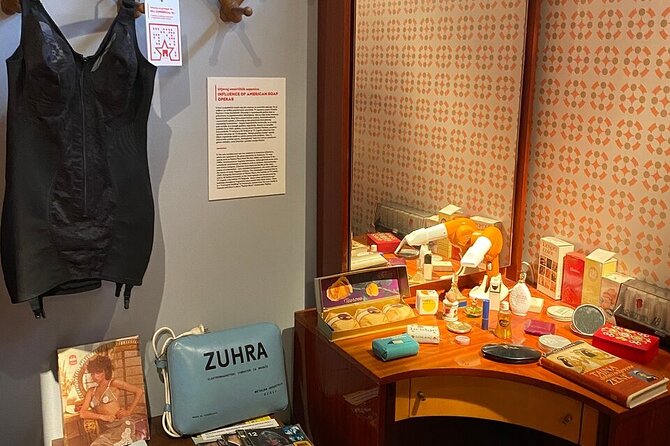
Art and design broaden the visit beyond government policy. You can see how the period expressed itself through visual culture and consumer life. The museum’s selection of objects helps you compare official ideals with the practical details of home and society.
The approach is not entirely lighthearted, but it is not only grim. Music from the period plays an important role, including some of the era’s greatest hits. That sound gives the museum a human scale. People did not spend every hour thinking about political doctrine. They listened to music, used household products, formed opinions, and built ordinary routines.
A short visit with plenty to think about
Plan on about 90 minutes if you want to read the displays and take in the room sets without rushing. The stated duration can range from 50 minutes to 1 hour 35 minutes, so your pace will make a difference.
A quick visit of about an hour should give you the central story. If you want to pause over the objects, listen to the music, and consider the political material, allow closer to an hour and a half.
That timing makes the museum a useful break from Dubrovnik’s outdoor sights. Summer heat, crowds, and long hours on your feet can make a short indoor stop welcome. The museum gives you something different from the city’s medieval walls and stone streets.
The tradeoff is that the visit may feel brief if you want a full account of Yugoslavia’s breakup. One specific criticism is that the final years of the system and its collapse could receive more attention. If that period is your main interest, treat this museum as an introduction rather than the last word.
Same stretch of coast, a completely different kind of day:
- Blue Cave Small-Group Boat Tour from Dubrovnik
★ 5.0 · 9,360 reviews - Dubrovnik: Epic Game of Thrones Tour + Lokrum & Saver Option
★ 4.9 · 5,995 reviews - Dubrovnik: The Original Game of Thrones Tour & Lokrum Option
★ 4.8 · 5,064 reviews - Dubrovnik Game of Thrones Tour & Optional Lokrum Island Visit
★ 5.0 · 4,702 reviews
What the museum explains well
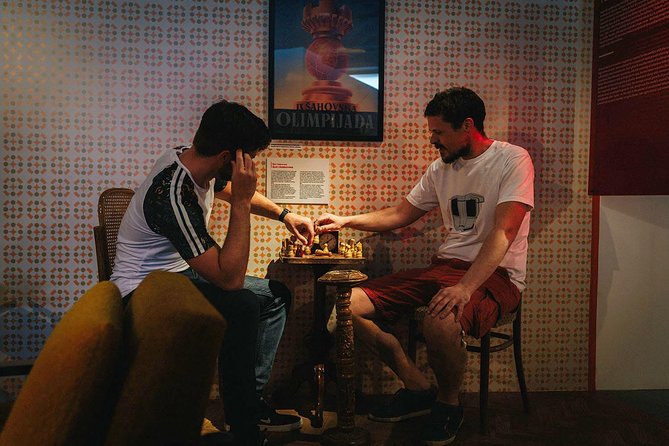
This experience is most useful when you want social history, not only political chronology. You should come away with a better sense of how the system reached into daily life.
The museum is particularly good for these questions:
- What did communist Yugoslavia feel like in ordinary homes?
- How did the Communist Party shape public life?
- What role did music, design, and consumer objects play?
- How did political surveillance affect people?
- Where did Yugoslavia fit in the Cold War?
- How can a country’s history be remembered after its political system ends?
The displays also help correct a common problem with short visits to the former Yugoslavia. It is easy to see Croatia only through older periods, wartime history, or the post-1990s tourist economy. This museum focuses on the decades in between, when Dubrovnik and the rest of Croatia were part of Yugoslavia.
That context can improve the rest of your time in Croatia. You may notice references to Yugoslav design, politics, family life, and public memory with a sharper eye. Even a compact museum can provide a useful frame for understanding what came before today’s Croatia.
Is the $211 price reasonable?
At $211, this is not a low-cost museum stop. The value depends on what that figure represents for your booking and how much you care about this subject. For a single short museum visit, the price is a serious consideration.
The strongest value comes from the focused presentation. You are not paying for a large complex that takes an entire day. You are paying for a prepared, interactive account of a subject that can be hard to understand through scattered monuments or general sightseeing.
Prepaid admission also has practical value. You secure entry for your chosen day and avoid buying a ticket at the counter. That is helpful if your Dubrovnik schedule is tight, though it does not remove the need to compare the price with other activities in the city.
The museum receives a 4.9 rating from 187 reviews, with 98 percent recommending it. Those figures suggest that the experience connects strongly with people who choose it, especially because it is described as informative, affordable by some visitors’ standards, and pleasantly quirky. Still, the listed price means you should check the final amount carefully before booking, particularly if you are planning for a family or group.
Who should book this experience?
I would recommend it most strongly to you if you fall into one of these groups:
- You know little about Yugoslavia and want a clear starting point.
- You enjoy museums about ordinary life, not only famous leaders.
- You want context for Croatia’s 20th-century past.
- You prefer an indoor activity that takes about an hour and a half.
- You are interested in Cold War politics, secret police, design, or music.
- You want something different from Dubrovnik’s walls, churches, and coastal views.
Families may find the room sets and interactive elements easier to follow than a text-heavy political museum. The subject includes serious material, but the use of objects and sound gives younger visitors more ways to connect with it.
History enthusiasts may want more detail on the final breakup of Yugoslavia. The museum covers the country from beginning to end, but the available feedback suggests that the last years and collapse could be shown in greater depth. If that is your main goal, leave room in your plans for additional reading or another historical site.
The museum is also suitable for most people, and service animals are allowed. It is near public transportation, which makes reaching the meeting point simpler than arranging a separate transfer.
Booking, timing, and cancellation
Your ticket is mobile, and confirmation is provided when you book. The activity begins at the Red History Museum and ends there, so you do not need to arrange a return trip.
The experience has a maximum of 200 participants. That is a large possible limit for a small museum, but the information does not specify how many people will be present during your particular visit. If you prefer quiet galleries, choosing a less busy time may be worth considering, though no specific time recommendation is provided.
Free cancellation is available if you cancel at least 24 hours before the start time. Canceling within 24 hours, or making changes during that period, does not qualify for a refund. All cutoff times follow local time in Dubrovnik.
My verdict on the Red History Museum
Book this museum if you want a concise, physical, and human introduction to communist Yugoslavia. The room sets, real objects, music, and political displays give the subject more life than a simple timeline, and the visit fits easily into a day of Dubrovnik sightseeing.
Think twice if the $211 price is for one person and you are mainly looking for a quick attraction. The museum is compact, and its treatment of Yugoslavia’s final years may not satisfy you if the breakup is your central interest.
For most history-minded visitors, the museum earns its place in a Dubrovnik itinerary because it covers a period that can otherwise be easy to miss. Just allow about 90 minutes, arrive with realistic expectations about its size, and treat it as a strong introduction rather than a complete account of modern Balkan history.
FAQ
Where does the Red History Museum experience begin?
It begins at the Red History Museum, Ul. Svetog Križa 3, 20000 Dubrovnik, Croatia.
Where does the experience end?
The activity ends back at the Red History Museum meeting point.
How long does the museum visit take?
The approximate duration is 50 minutes to 1 hour 35 minutes. The planned museum visit is listed as about 1 hour 30 minutes.
What does admission include?
Admission includes entry to the Red History Museum and its interactive displays, room sets, artifacts, and other exhibits.
Is the ticket mobile?
Yes. The experience provides a mobile ticket.
Can I reserve admission for a specific day?
Yes. Prepaid admission secures entry on your chosen day.
Is the museum near public transportation?
Yes. The museum is near public transportation.
Are service animals allowed?
Yes. Service animals are allowed.
How many people can join the activity?
The maximum stated capacity is 200 participants.
Can I cancel for a refund?
Yes. You can receive a full refund if you cancel at least 24 hours before the experience start time. Cancellations within 24 hours are not refunded.
Just added around Dubrovnik
- Welcome to Dubrovnik Walking Tour★ 5.0 · 36 reviews
- Walls Of Dubrovnik: Small-Group Walking Tour With A Local★ 5.0 · 67 reviews
- Dubrovnik at War 1991-1992 Private Walking Tour★ 5.0 · 4 reviews
- Olive farm & village★ 5.0 · 41 reviews
- City Walls of Dubrovnik★ 5.0 · 70 reviews
- Walls of Liberty: A Self-Guided Audio Tour of Dubrovnik★ 3.5 · 3 reviews
- Trebinje Gastro Tour From Dubrovnik★ 4.5 · 12 reviews
- Try Scuba Diving Discovery in Dubrovnik★ 5.0 · 43 reviews
Walking Tours, compared.
Split: Old Town and Diocletian Palace Walking Tour
Read our review →
Walking Tour of Split and Diocletian’s Palace
Read our review →

Krka Waterfalls tour with Trogir Walking tour and Krka panoramic boat cruise
Read our review →
Dubrovnik: City Walls Early Morning or Sunset Walking Tour
Read our review →Browse the lists this tour appears in