
Reviewed · DIOCLETIAN PALACE TOURS
Split and Diocletian’s Palace walking tour with a local guid
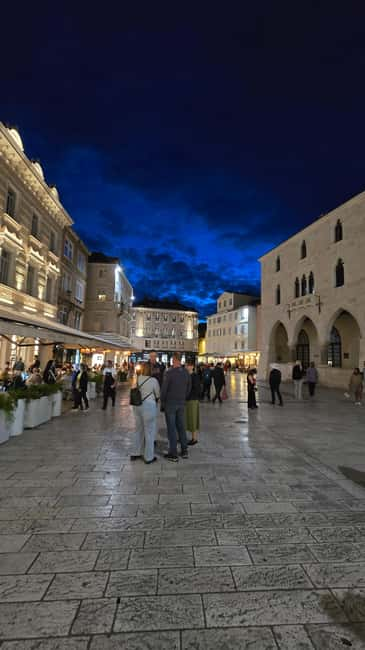
The most memorable part of this Split walking tour is the way ancient palace walls still form the center of everyday city life. You walk through the southern entrance near the Riva, then follow streets where Roman stone, medieval buildings, shops, cafés, and local routines all share the same tight space.
I like the local focus and the short, efficient format. Guides such as Tomislav and Toma explain the palace in several languages, answer personal questions, and help you make sense of places that can look like ordinary lanes when you explore alone. I also like that the tour reaches beyond the palace itself to nearby streets, squares, and market areas.
The main consideration is that 75 minutes goes by quickly, and paid sites are not included. You will see and understand the outside setting, but entry to the Cathedral of Saint Domnius, the Temple of Jupiter, museums, and other ticketed places costs extra. The meeting point can also be easy to miss if you do not identify the southern entrance to the palace cellars before arriving.
Key points at a glance
- Roman palace turned living city: Diocletian’s Palace is not an isolated ruin. Split’s old town operates inside and around its ancient walls.
- A useful morning option: An early start can mean fewer people in the palace area and cooler walking conditions.
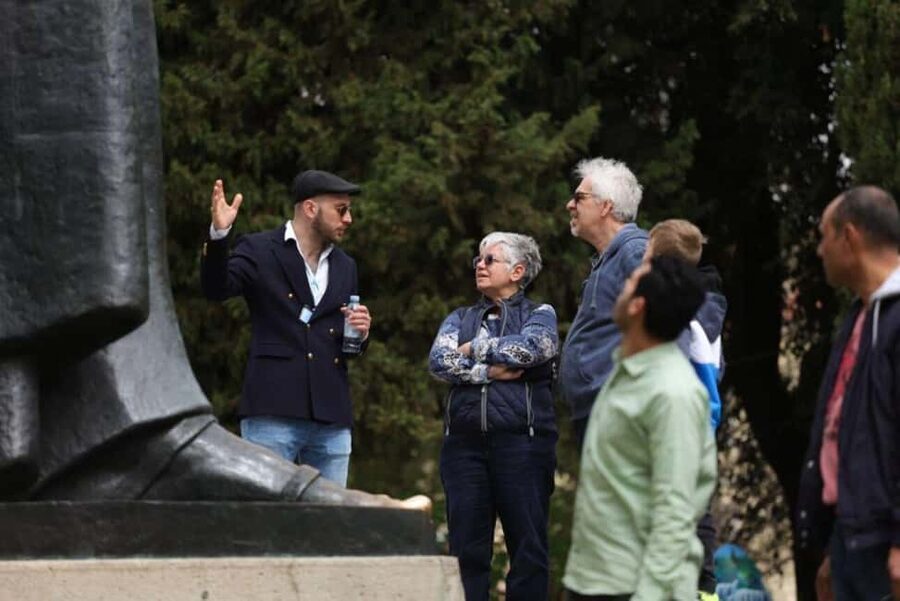
- Strong multilingual guiding: Tours are offered in English, German, Italian, and Spanish, with Tomislav and Toma named among the guides.
- A focused 75-minute route: The tour gives you a clear introduction without taking up half a day.
- No ticketed entries included: Plan extra time and money if you want to enter the cathedral, Temple of Jupiter, or museums.
- Simple city-center meeting point: Meet at the southern seaside entrance from the Riva to Diocletian’s Palace cellars, near Obala hrvatskog narodnog preporoda 22.
Why Diocletian’s Palace feels different from a normal ruin
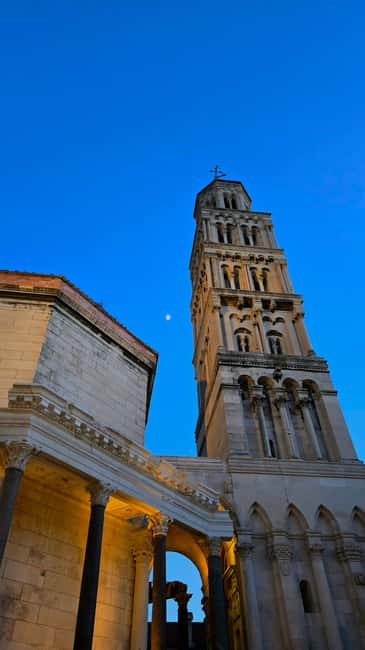
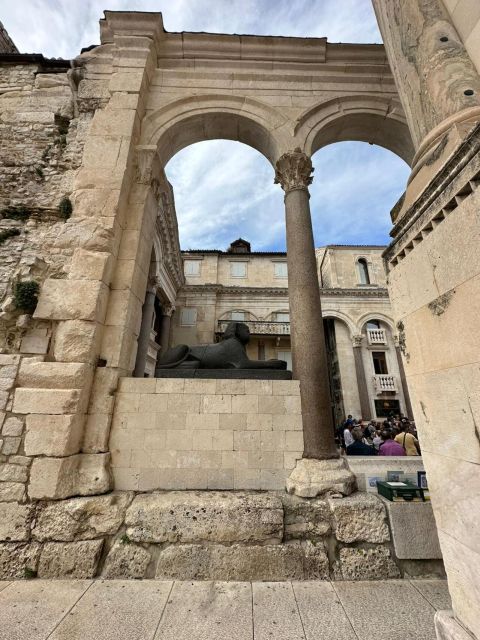
Diocletian’s Palace is the heart of Split, not a fenced archaeological site sitting apart from modern life. The Roman emperor built the complex at the beginning of the fourth century, and its stone framework still shapes the old city.
That makes a guided walk especially useful. If you wander alone, you can admire the limestone walls and narrow lanes but miss the larger plan. A local guide can show you how the palace functioned, where the emperor’s world began and ended, and how later residents adapted the old structure.
You are not simply walking from one monument to the next. You are crossing streets that pass through an ancient imperial residence, with homes, businesses, cafés, and public life built into the setting. That mix gives the tour a more grounded feel than a standard visit to a Roman ruin.
The experience also covers roughly 1,700 years of change. The focus is not only Emperor Diocletian, but the long life of the palace and the surrounding city. The result is a useful first look at Split’s past and present in one compact route.
More Walking Tours in Split
- Split: Old Town and Diocletian Palace Walking Tour
★ 4.9 · 4,727 reviews - Walking Tour of Split and Diocletian’s Palace
★ 5.0 · 2,588 reviews - Split & Diocletian’s Palace Walking Tour
★ 5.0 · 1,125 reviews
Starting by the Riva and the palace cellars
The meeting point is at the southern seaside entrance from Split’s Riva promenade to the cellars of Diocletian’s Palace. Search for Obala hrvatskog narodnog preporoda 22 when checking your route.
This is a sensible place to begin because the Riva is easy to recognize, but the exact entrance still deserves attention. The palace cellars and their access points can be confusing when you are surrounded by old stone, signs, and passing foot traffic. Give yourself extra time rather than arriving at the last minute.
The tour begins at ground level with the palace’s southern approach. From here, you can start to understand the scale of the complex and its position beside the sea. Your guide then leads you into the old center, explaining what you are seeing instead of leaving you to guess which parts belong to the Roman period.
The cellars are important because they help show the original arrangement of the palace above. They are also one of the most recognizable parts of the site, making them a good anchor for the rest of the walk. Since admission tickets are not included, the tour does not promise entry to ticketed underground areas or other paid attractions. Ask your guide what can be viewed as part of the walking route and what requires an additional ticket.
Following the streets of the emperor
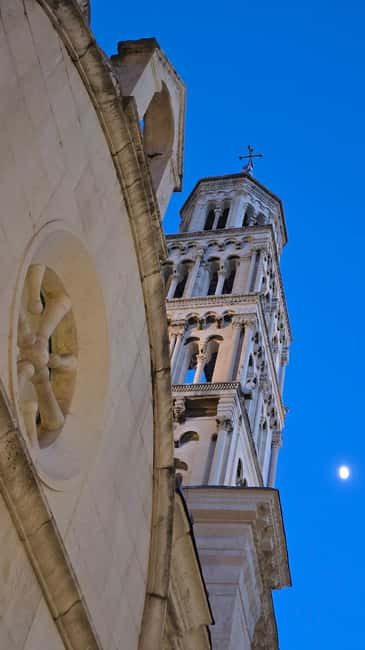
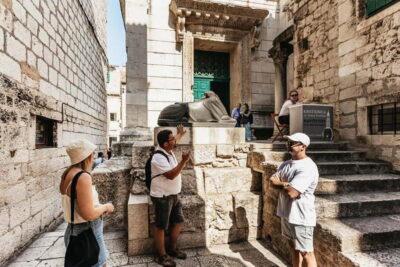
The strongest part of the experience is the chance to walk through the palace rather than simply view it from outside. Diocletian’s home was also an imperial complex with ceremonial, residential, and service areas. A guide gives these spaces a human scale.
You will hear about the emperor who once moved through this setting, but the point is not to treat the palace as a frozen museum. The streets have been used and reshaped for centuries. Modern Split makes the ancient structure easier to appreciate because you can see how people kept adapting it.
Expect a mix of broad approaches, narrow lanes, stone surfaces, and crowded urban corners depending on the time of day. Comfortable clothes are recommended, and a sun hat is a good idea in Dalmatia, especially during warmer months. The tour is only 75 minutes, but you are still walking outdoors and may spend time in areas with limited shade.
The route includes charming streets and smaller squares in the old center. The value here is not just the number of stops. It is the guide’s explanation of how those spaces connect. Tomislav, named in several German-language bookings, is described as taking time with major events and answering questions carefully. Toma, also referred to as Tom, led tours in German and Italian and was praised for a calm, clear style.
Markets, local life, and the city beyond the stones
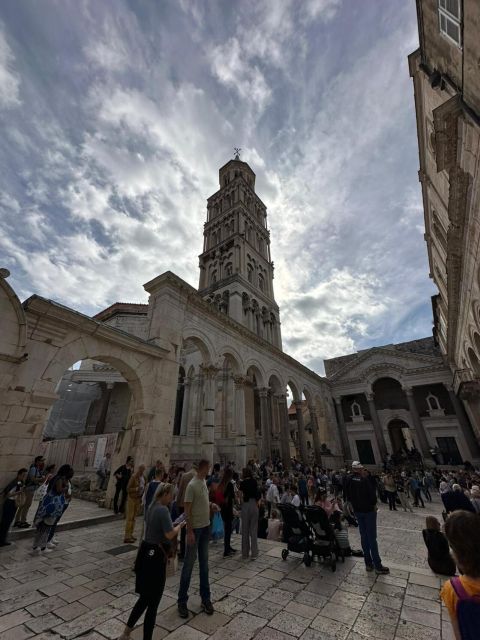
The tour also looks at markets and everyday parts of Split. That matters because the palace can seem like a grand historic shell if you only focus on emperors and architecture. The market areas show you the city as a place where people shop, meet, work, and pass through.
You should not expect a food tour. Food and drinks are not included, and the experience does not promise tastings. Instead, the market setting helps you see how the old center functions beyond the main monuments.
This is one reason a local guide can be more useful than a map. A map can show you the route, but it cannot easily explain why a lane matters, how a square fits into the old city, or which parts of Split’s daily life are connected to the palace. The guide’s local background adds that context without requiring a longer full-day program.
The route is also described as reaching beyond the typical tourist path. That does not mean you will be taken to a secret location or a distant neighborhood. It means the walk includes more than the obvious imperial highlights, giving you a better sense of the old center as a working part of Split.
More tours inside Diocletian's Palace:
- Split: Diocletian Palace & Old Town Guided Walking Tour
★ 4.7 · 882 reviews - Split: Game of Thrones Tour with Diocletian’s Palace Cellar
★ 4.8 · 545 reviews - Diocletian’s Palace and Old Town SMALL GROUP Walking Tour
★ 5.0 · 502 reviews - SPLIT-PRIVATE Walking Tour of Diocletian’s Palace & Old Town
★ 5.0 · 467 reviews
What you will and will not see inside
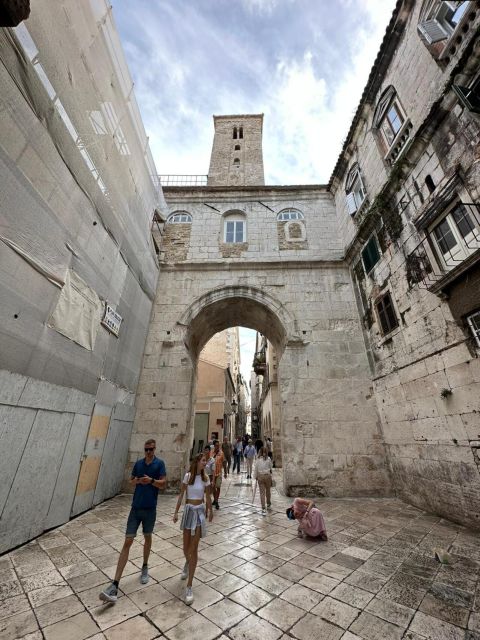
This is a walking introduction, not a package with museum admission. The cost covers the local guide, the walking tour, and a free Wi-Fi hotspot. It does not cover entry to museums, the Cathedral of Saint Domnius, the Temple of Jupiter, or other paid sites.
That arrangement can work well if you want orientation before deciding which places deserve an individual visit. Your guide can help you understand the setting first, then you can return to a paid site with a clearer idea of what you are looking at.
It is less suitable if you want a long, detailed visit inside every major monument. Seventy-five minutes is enough to build a strong framework, but not enough to examine every interior or cover every layer of the city in depth.
I would treat the tour as the first step in a Split visit. Afterward, you can return on your own to the places that caught your interest. The separate admission costs mean you should budget beyond the $47 tour price if interiors are important to you.
How the local guides shape the experience
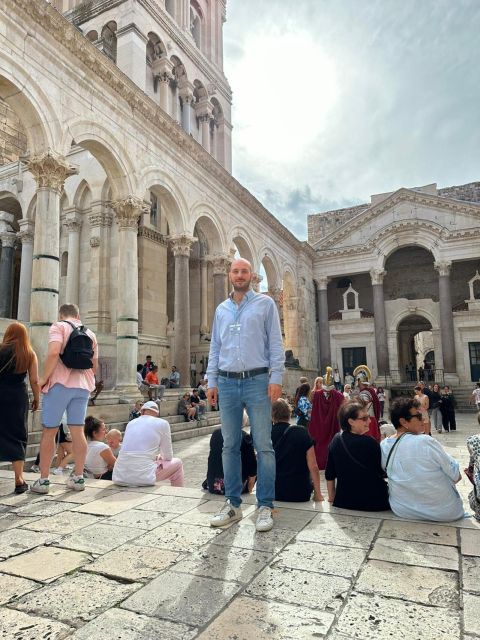
The strongest praise centers on the guides’ communication. Tomislav is noted for leading German tours and explaining major events at a patient pace. Toma, also called Tom, is associated with German and Italian tours and is described as friendly, clear, and willing to answer specific questions.
That matters in a site as layered as Diocletian’s Palace. A guide who rushes through names and dates can make the old center feel like a stone maze. A guide who pauses to explain connections gives you a way to remember what you saw.
The tour is available in English, German, Italian, and Spanish. The information lists English, German, and Italian among the included walking-tour languages, then lists Spanish as an available live-guide language. If your language choice is important, confirm it at booking so you are placed with the right guide.
The small amount of feedback provided is consistently positive, with a 4.9 rating from 36 ratings. More useful than the number itself is the pattern: the guides are praised for calm explanations, personal attention, multilingual ability, and answering questions. That suggests this works best for people who prefer a conversational history walk rather than a performance packed with jokes and grand claims.
Why a morning departure may be the smart choice
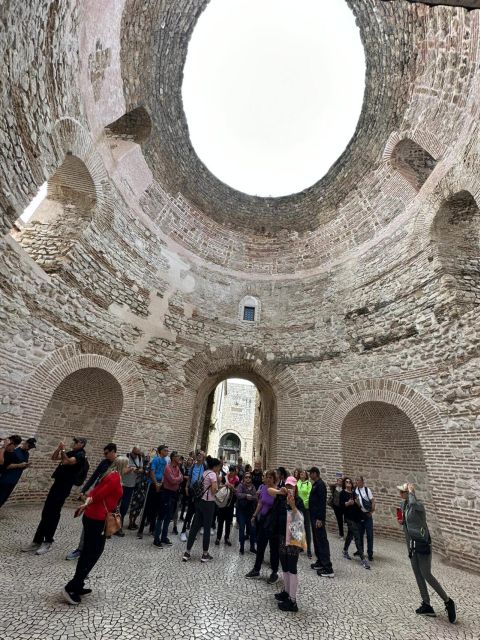
An early start is worth considering if the available schedule suits you. One German-language booking specifically praised the morning timing because the palace area had little foot traffic at that hour.
Morning also makes practical sense in Dalmatia. You may get cooler conditions, easier movement through narrow streets, and a clearer view of architectural details before the old center fills up. The tour does not guarantee a quiet route, of course, and the start times depend on availability, but choosing the earliest option can improve the experience.
A later tour may suit you better if you are arriving by ferry, managing a family schedule, or using the walk as an afternoon introduction. All ages are welcome, so the decision comes down mainly to heat, crowds, and your own plans.
The tour is not suitable for wheelchair users. The old center includes historic streets and surfaces, and the activity does not offer wheelchair suitability. People who need step-free access should choose with care.
Is $47 a fair price for 75 minutes?
At $47 per person, this is not the cheapest way to walk around Split. You can see the outside of many old-city streets without paying for a guide. The price makes more sense if you value a licensed local guide who can explain the palace in your language and help you avoid spending your first hour lost among similar stone lanes.
The tour is also short. That keeps the commitment manageable, but it means the per-minute cost is higher than for a half-day group tour. You are paying for a focused introduction, not a full archaeological study.
The free Wi-Fi hotspot is a practical extra, especially if you need to check maps, stay connected, or coordinate the rest of your day. It should not be the main reason to book, but it adds convenience at a site where you may want to look up later visits or directions.
I see the best value for a first morning in Split, a short port stop, or a traveler who wants a clear introduction before exploring alone. If you already know the palace well, or want several museum interiors included, the price may feel less attractive.
Who should book this Split walking tour?
I would recommend it to first-time visitors who want the old center to make sense quickly. It also suits history fans, curious families, and people who prefer a local explanation to a self-guided route.
German- and Italian-speaking visitors may find the named guides especially useful, since Toma and Tomislav are both connected with tours in those languages. English and Spanish speakers can also book according to the listed language options.
The 75-minute length works well for a cruise or ferry stop, though you still need to allow time to reach the meeting point and continue afterward. It is long enough to provide context without taking over your entire day.
You should think twice if you need wheelchair access, want a food experience, or expect admission to the cathedral, Temple of Jupiter, and museums to be included. Those needs are outside the tour’s scope.
Final call: book it for context, not admission tickets
Book this tour if you want a clear local introduction to Split’s palace, streets, and daily life in a little over an hour. The multilingual guides, strong rating, and reports of calm, personal explanations make it a sensible choice for getting your bearings.
Choose a morning departure if possible, wear comfortable clothes, bring a sun hat, and arrive early at the southern Riva entrance. If you want to explore paid interiors afterward, add those tickets and extra time to your plan.
The tour earns its price through explanation and orientation. It is not a complete visit to every monument, but it can turn Split’s old center from a maze of stone into a city you understand.
FAQ
How long does the Split and Diocletian’s Palace tour last?
The walking tour lasts 75 minutes.
What is the price of the tour?
The price is $47 per person.
Where does the tour meet?
The meeting point is at the southern seaside entrance from Split’s Riva promenade to the cellars of Diocletian’s Palace. Search for Obala hrvatskog narodnog preporoda 22.
Which languages are available?
The listed live-guide languages are English, German, Italian, and Spanish. The included walking-tour information lists English, German, and Italian.
Are admission tickets included?
No. Admission tickets are not included, and the tour does not include entry to museums, the Cathedral of Saint Domnius, or the Temple of Jupiter.
Is hotel pickup included?
Hotel pickup is listed as available, but it is not included in the walking-tour price.
Is the tour suitable for children and older adults?
The tour is suitable for all ages.
Is the tour wheelchair accessible?
No. The activity is not suitable for wheelchair users.
Can I cancel the tour for a full refund?
Yes. You can cancel up to 24 hours in advance for a full refund. A reserve-now-and-pay-later option is also available.
Just added around Split
- Split Day Trip from Dubrovnik★ 4.0 · 59 reviews
- Dubrovnik to Split Private Transfer with Local Experienced Driver★ 5.0 · 52 reviews
- Private Transfer from Dubrovnik to Split★ 5.0 · 3 reviews
- Private Transfer from Dubrovnik to Split with 2 hours for sightseeing★ 5.0 · 50 reviews
- Private Transfer: Dubrovnik to Split★ 5.0 · 7 reviews
- Dubrovnik to Split Private Transfer with Mostar Town★ 5.0 · 38 reviews
- Private Tour: Split Day Trip from Dubrovnik★ 5.0 · 9 reviews
- Private Day Trip :Dubrovnik- Mostar- Split★ 5.0 · 3 reviews
Diocletian Palace Tours, compared.
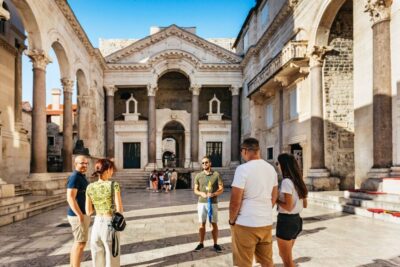
Split: Old Town and Diocletian Palace Walking Tour
Read our review →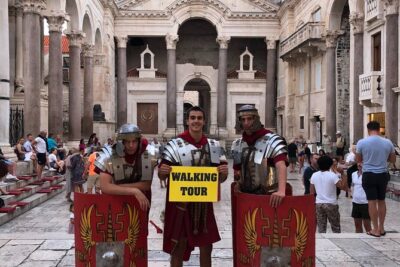
Walking Tour of Split and Diocletian’s Palace
Read our review →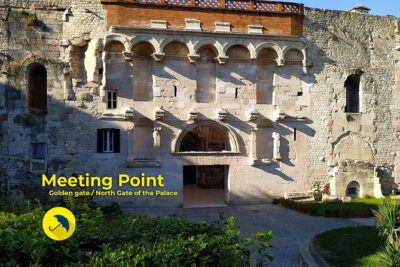
Split: Diocletian Palace & Old Town Guided Walking Tour
Read our review →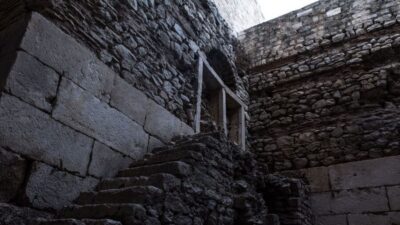
Split: Game of Thrones Tour with Diocletian’s Palace Cellar
Read our review →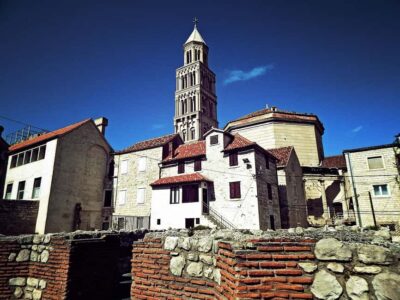
Diocletian’s Palace and Old Town SMALL GROUP Walking Tour
Read our review →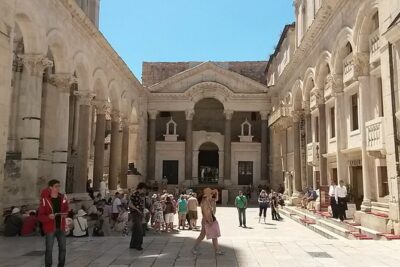
SPLIT-PRIVATE Walking Tour of Diocletian’s Palace & Old Town
Read our review →
Browse the lists this tour appears in