
Reviewed · WINE TOURS
Full-Day Peljesac Wine Tour
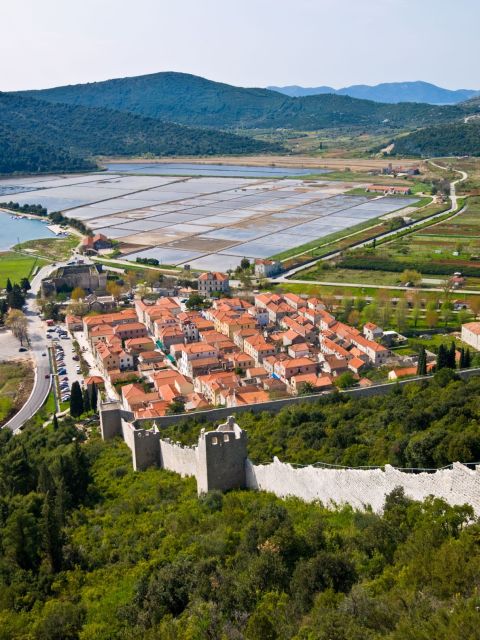
Pelješac is where Croatia’s wine story becomes wonderfully local: steep vineyards, sea views, old stone walls, and glasses of Plavac Mali poured close to the vines that produced it. The day also includes Ston, a small town famous for salt and oysters, so this is more than a cellar-to-cellar tasting.
I like the one-hour walk through Dingac, which gives you a feel for how tough grape growing can be here. I also like the mix of three wineries and Ston, with useful local stories such as Croatia’s link to Zinfandel and the old salt trade. The main drawback is timing: lunch may not happen until around 3 p.m., and some parts of the wine visits can feel rushed.
Key points to know before booking
- Dingac on foot: A scenic one-hour walk takes you into one of Pelješac’s best-known wine areas.
- Three winery visits: You taste local wines at three different cellars, including Plavac Mali and other Croatian varieties.
- Ston adds variety: Allow roughly two hours for coffee, a look around town, and the traditional salt works.
- Lunch is extra: The tour includes a snack, but you pay separately for lunch at a local restaurant.
- Seven hours by air-conditioned vehicle: Transport keeps the long peninsula route comfortable, with an English-speaking driver-guide.
- A good value for wine fans: At $153 per person, the price covers transport, guiding, three tastings, and a snack, but not lunch or bottles to take home.
Why Pelješac makes a good wine day from Dalmatia
The Pelješac peninsula is one of Croatia’s leading wine regions. Grape growing here reaches back about 4,000 years, with roots linked to the ancient Greeks. That long tradition matters because wine is not a side attraction in this part of Dalmatia. It is part of the local economy, food, and daily identity.
The peninsula’s climate and geography help shape the wine. The area has the sun and dry conditions associated with the Dalmatian coast, along with slopes that give vineyards very different growing conditions from one another. You do not need to be a wine expert to appreciate the point. The scenery and the tasting make more sense when you see the difficult ground where the vines grow.
The tour gives you a practical introduction rather than a formal wine course. You travel between vineyards and cellars, hear about local traditions, and taste the results. I like that balance. You get enough context to understand the wines without spending seven hours listening to a lecture.
More Wine Tours in Pelješac
- Wine Lover’s Tour of Peljesac Peninsula
★ 5.0 · 150 reviews - Dubrovnik: Oyster, Mussles, and Wine Tasting Tour in Ston
★ 5.0 · 77 reviews - Pelješac Full-Day Wine and Food Tour from Dubrovnik
★ 5.0 · 72 reviews
The Dingac walk shows the work behind the bottle
The one-hour walk through Dingac is one of the most valuable parts of the day. From a car window, a vineyard can look pretty. On foot, you get a better sense of the terrain and the work involved in planting and tending vines in this part of Pelješac.
Your English-speaking driver-guide explains local life and wine traditions along the way. The supplied information does not name the individual guides, but the role is more than simply driving from one tasting room to the next. The guide connects the views, farming, and history so you can understand why this area has such a strong wine reputation.
Bring shoes you can walk in comfortably. The walk is described as scenic, not strenuous, but a wine-growing region is not the same as a flat city street. If you prefer to spend the entire day seated, this part may feel like an interruption. I see it as a useful change of pace and a chance to earn the next tasting.
Dingac also gives the day its strongest sense of place. You are not just sampling Croatian wine in a generic tasting room. You are seeing one of the areas that helped make Pelješac important to the country’s wine trade.
Three wineries, three chances to taste Croatia
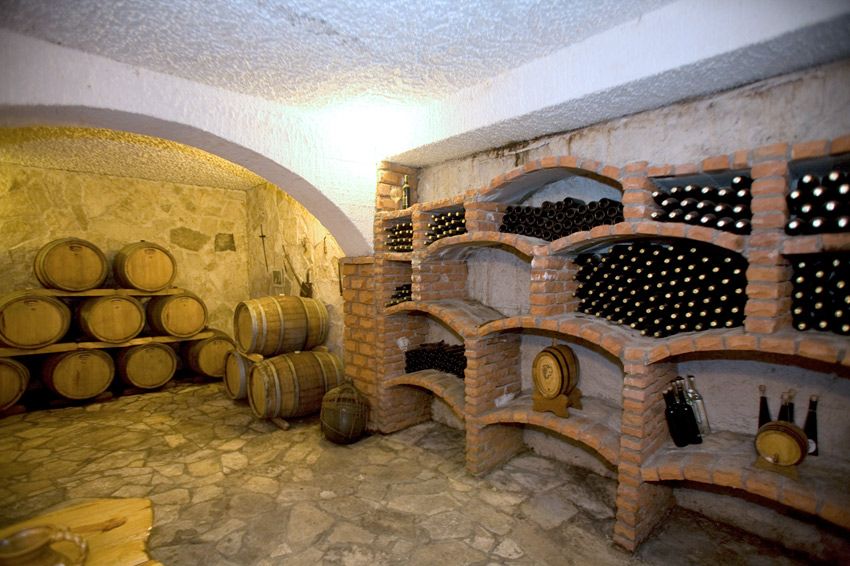
The tour visits three well-known wine cellars. Each stop gives you a chance to taste local wines and compare different styles, rather than forming an opinion after one glass in one cellar.
Plavac Mali is likely to be the variety that catches your attention. It is one of the best-known red grapes connected with the Dalmatian coast, and it is specifically praised as a favorite on this tour. If you enjoy a bottle, you may want to buy one to take home, but make sure the schedule gives you enough time at the cellar. A previous itinerary felt rushed at one winery, with little time to finish the final sample or purchase additional wine.
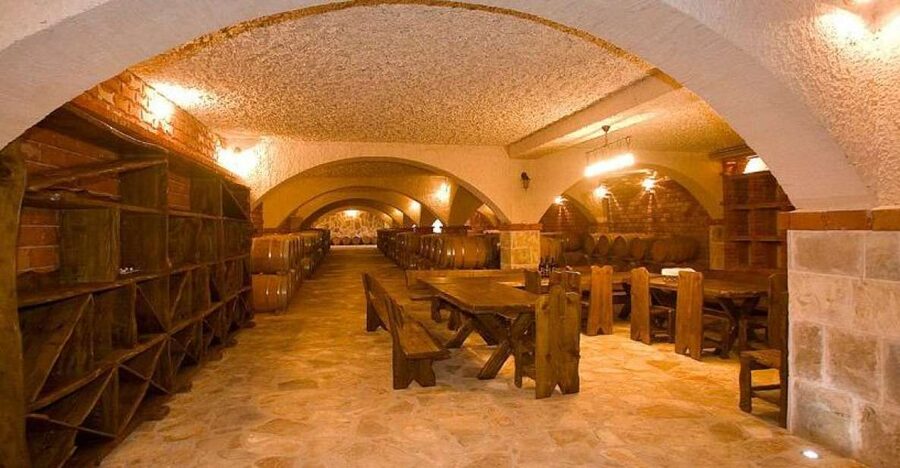
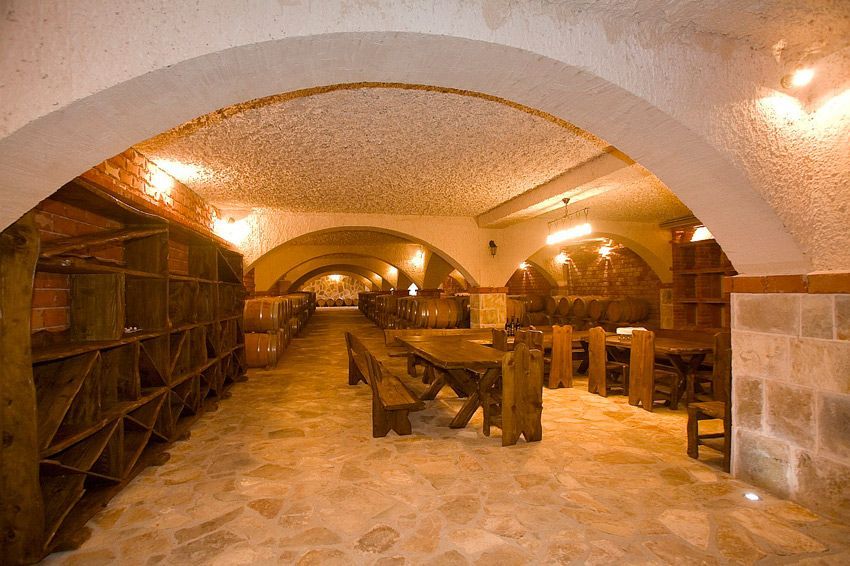
One especially memorable cellar has a huge round table with a look that recalls a King Arthur gathering. That detail gives the tasting a sense of character that a bare room and a few bottles cannot provide. It is the kind of small visual surprise that makes a long day easier to remember.
You may also hear the story of Zinfandel’s Croatian origins. The connection between Zinfandel and Croatia is a fascinating piece of wine history, and it gives the guide a good opening to explain how grapes and wine traditions traveled beyond the Adriatic. Treat this as a story within the broader wine lesson, not as the sole reason to book the tour.
The tastings are included in the $153 price. That matters because three separate winery stops could become expensive if you paid tasting fees at each one. The price also includes transport, a driver-guide, and a snack. Bottles are not included, so any wine you purchase comes at your own cost.
Ston brings salt, oysters, and a break from wine
Ston is an excellent counterpoint to the vineyards. The town is noted for its traditional salt production and for oyster and mussel cultivation. That gives you a chance to connect wine with the food culture of the peninsula.
The stop can last about two hours, depending on the day’s schedule. You may have time to walk around, have coffee, and visit the Ston salt works. This is not a rushed roadside photo stop. It gives you room to see why salt mattered so much to the town and to understand the importance of shellfish in the local economy.
The town’s old-world setting also helps break up the wine tastings. Seven hours is a long time to spend moving between cellars, even if you like wine. Ston adds a different subject and lets you stretch your legs before returning to the food and drink side of the tour.
I would pay attention to the timing here. One departure had lunch scheduled at about 3 p.m., which is late for many people. Another itinerary allowed a longer Ston visit, including coffee and the salt works, but the later winery stops then felt rushed. The exact balance may vary, so ask about the day’s order if lunch timing is important to you.
Same stretch of coast, a completely different kind of day:
- Dubrovnik Guided Group Tour with Ston Oyster tasting from Split & Trogir
★ 5.0 · 538 reviews - From Split/Trogir: Dubrovnik Guided Tour with a Stop in Ston
★ 4.6 · 189 reviews - Explore Mostar, Ston and Kravice Waterfalls ( Small Group )
★ 4.5 · 166 reviews - Peljesac and Ston Private Wine Tour with Tastings from Dubrovnik
★ 5.0 · 66 reviews
Lunch, snacks, and the day’s rhythm
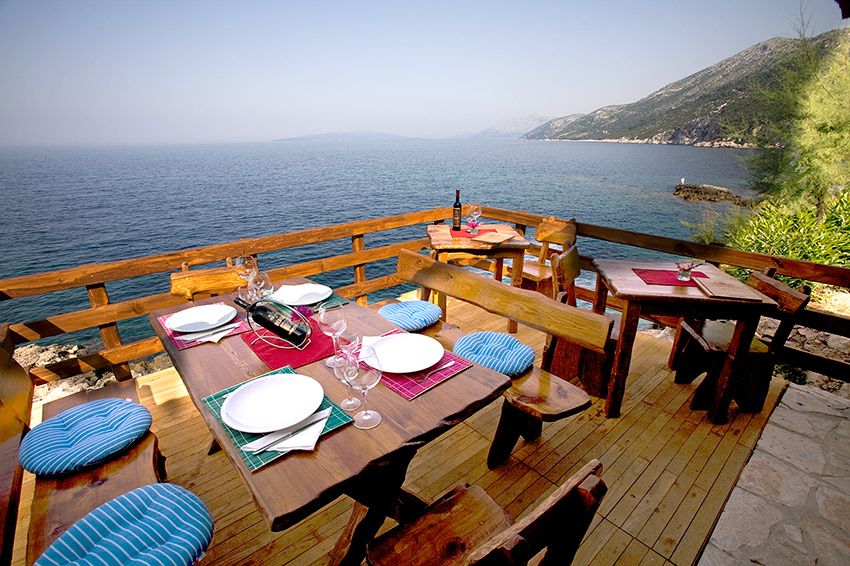
A snack is included, and you are taken to a local restaurant for domestic specialties. Lunch itself is not included in the $153 price, so budget extra for the meal.
The food stop is part of the appeal. Pelješac is known for seafood, and Ston’s oyster and mussel tradition makes local specialties a natural choice. Still, the tour description does not promise a specific dish, restaurant, or tasting menu. You should think of lunch as a chance to eat locally, not as a fixed culinary program.
The main practical issue is the hour. Lunch may come late, around 3 p.m. If you need a regular midday meal, eat a solid breakfast and use the included snack wisely. A small snack at one winery may not carry you comfortably through a full day of walking, driving, tasting, and sightseeing.
The schedule also affects the wine visits. A winery stop placed close to lunch can create an awkward rush, especially if you want to listen, taste slowly, and shop for a bottle. Wine tasting works best when you have time to ask questions and compare what is in your glass. A tightly packed schedule can turn that into a quick series of samples.
What the $153 price really covers
At $153 per person, this is not the cheapest way to taste Croatian wine. It is a full-day regional outing, though, not a single tasting-room visit. You are paying for a seven-hour route across the Pelješac peninsula, air-conditioned transport, an English-speaking driver-guide, three winery tastings, a scenic Dingac walk, a snack, and time in Ston.
That package can make sense if you are based in Dalmatia and want someone else to handle the driving. Wine tasting and driving are a poor combination, and the peninsula is much easier to enjoy when you can look out the window instead of watching the road.
The value is strongest for someone who wants variety. You see vineyards, cellars, a historic salt-producing town, and local food traditions in one day. If you only want to taste wine, you may find the price harder to justify. If you want a broad introduction to Pelješac, the mix is more convincing.
Remember to add lunch to your budget. If you also plan to bring home a bottle, include that cost as well. The tour may inspire you to buy wine, particularly after tasting Plavac Mali, but bottles are not part of the package.
Transport and communication
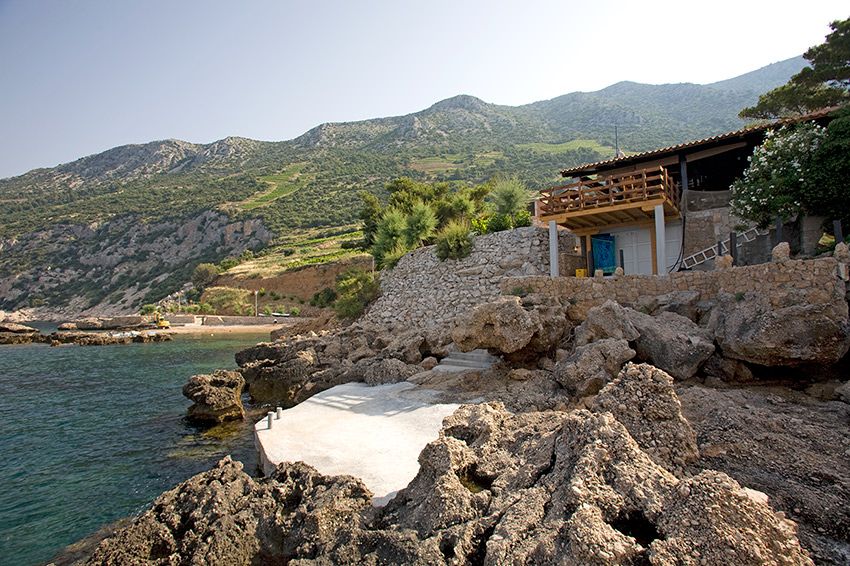
The tour uses an air-conditioned vehicle, which is useful on a long Dalmatian day. You spend time on the road between Dubrovnik-area departure points, Ston, Dingac, and the wineries, so a comfortable vehicle matters more here than it would on a short city tour.
The driver-guide speaks English. The guide’s job combines transport, local explanation, timing, and help at the stops. A strong guide can make the difference between three disconnected tastings and a clear story about Pelješac wine country.
Advance communication is another practical plus. The operator has used WhatsApp for direct contact before the day, which can make meeting arrangements and schedule changes easier. One altered booking was followed by a fast refund, and the driver was described as enjoyable to chat with. The same account noted that the group often ran slightly ahead of time, which is useful if you dislike waiting.
Do not assume that every departure will run early or that every stop will have extra time. The reports from the day differ: one schedule felt well paced, while another felt rushed. The safest approach is to confirm the pickup details and ask how much time is planned for Ston, lunch, and each cellar.
Who will enjoy this tour most
I would recommend this day to you if you want a broad introduction to Croatian wine country without arranging transport, tastings, and sightseeing yourself. It suits curious wine drinkers, couples, and small groups who like scenery and local food as much as the wine itself.
It is also a good choice if you are staying near Dubrovnik and want to see more of southern Dalmatia. Ston gives the day extra value for anyone who might otherwise skip the town and its salt works.
You do not need advanced wine knowledge. The guide provides context, and the three wineries let you compare wines at your own level. You can focus on the grape varieties, the cellar settings, or simply the views and flavors.
This is less suitable if you want a slow, specialist wine seminar. The schedule covers a lot, and the day may move quickly at one or more cellars. It is also not ideal if you need an early lunch or want plenty of time to shop for wine at every stop.
Booking and cancellation details
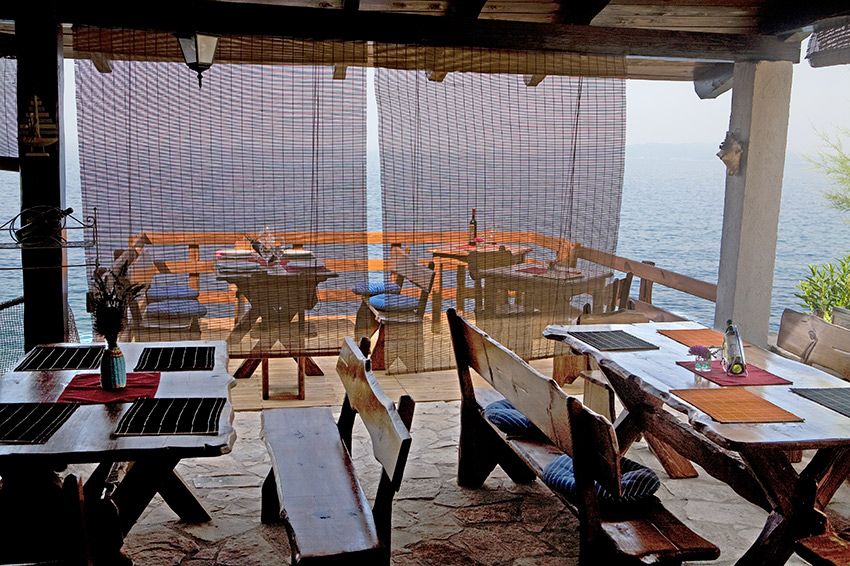
The tour lasts seven hours, with starting times based on availability. It includes free cancellation up to 24 hours in advance for a full refund, and you can reserve now and pay later. Those terms are useful if your Dalmatian plans are still changing.
The tour is offered in English, and transportation is provided in an air-conditioned vehicle. Lunch is the main extra cost listed, while the included snack helps but should not replace breakfast.
My recommendation
I would book this tour if you want Pelješac in one well-filled day: wine, Dingac vineyards, Ston salt, local food, and coastal scenery. The best parts are the walk through the vines, the three distinct cellar visits, and the chance to taste Plavac Mali where the wine culture is still part of everyday life.
I would pause before booking if your priority is a leisurely wine schedule. Ask about the order of the stops and the expected lunch time, because a late meal and rushed final tasting can weaken an otherwise excellent day.
For most people, the $153 price is fair when you count the transport, three tastings, guide, snack, and Ston visit. Book it for the regional picture, not just the number of glasses in your tasting flight.
FAQ
Where does the Full-Day Peljesac Wine Tour take place?
The tour explores the Pelješac peninsula in Dalmatia, Croatia. It includes the wine-growing area of Dingac and the town of Ston.
How long does the tour last?
The tour lasts seven hours.
How much does the tour cost?
The listed price is $153 per person.
How many wineries do you visit?
You visit three different wine cellars and taste wines at each one.
Is lunch included?
No. Lunch is not included, although the tour includes a snack and takes you to a local restaurant for domestic specialties.
Is transportation provided?
Yes. Transportation is provided in an air-conditioned vehicle.
What language is the tour offered in?
The live tour guide speaks English, and English is the listed tour language.
Can I cancel for a full refund?
Yes. You can cancel up to 24 hours before the tour for a full refund. You can also reserve now and pay later.
More Full-Day in Pelješac
- Private Full Day Peljesac Wine Tasting Tour from Dubrovnik
★ 5.0 · 35 reviews - Full-Day Dubrovnik Elaphite Islands Cruise with Lunch and Drinks
★ 5.0 · 8,823 reviews - Dubrovnik: Elaphiti Islands Full-Day Cruise with Lunch
★ 5.0 · 5,938 reviews - Montenegro Full-Day Trip from Dubrovnik with Optional Boat Trip
★ 4.5 · 3,212 reviews
Just added around Pelješac
- Ston Gastro Tour★ 4.5 · 13 reviews
- Ston Oysters & Wine Tasting Tour from Dubrovnik★ 5.0 · 9 reviews
- Split and Ston private tour or transfer★ 5.0 · 7 reviews
- Transfer Dubrovnik to Split with Sightseeing in Ston Town★ 5.0 · 17 reviews
- Private Point to Point transfer Dubrovnik – Split with stop in Ston★ 5.0 · 3 reviews
- Private Oyster and Wine Tasting Day Trip along Peljesac★ 5.0 · 5 reviews
- Peljesac Peninsula Wine Tasting Luxury Tour from Dubrovnik★ 5.0 · 3 reviews
- Private Departure Transfer:Dubrovnik, Orebić to Dubrovnik Airport★ 4.5 · 30 reviews
Wine Tours, compared.
From Split: Krka Waterfalls, Food & Wine Tasting Tour
Read our review →From Split: Krka Waterfalls, Food & Wine Tasting Tour
Read our review →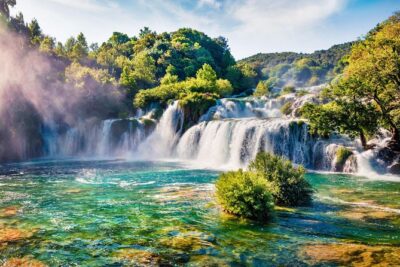
Krka National Park Tour with tour Guide & Wine tasting from Split & Trogir
Read our review →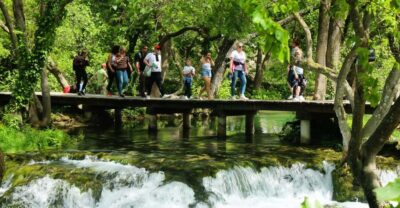
Split: Krka Waterfalls With Boat Cruise, Wine and Olive Oil
Read our review →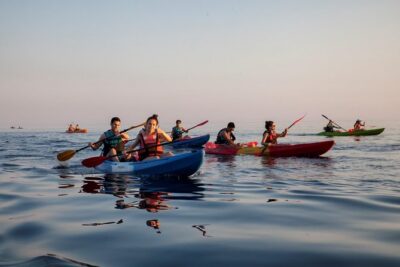
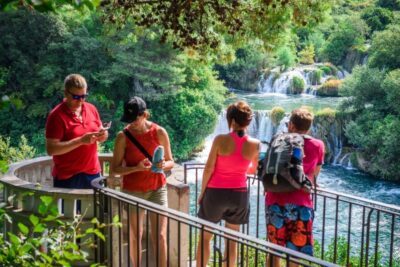
Split/Trogir: Krka National Park Day Trip with Wine Tasting
Read our review →
Dubrovnik: Sunset Zip Line Experience Followed by Wine
Read our review →
Dubrovnik: Sunset Kayaking & Snorkeling with water &wine
Read our review →Browse the lists this tour appears in