
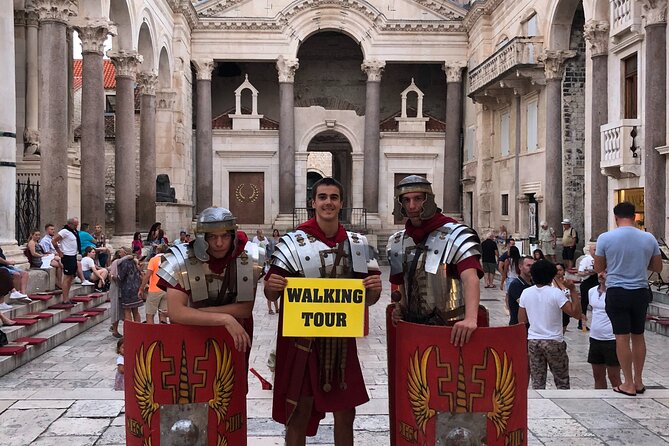
Reviewed · DIOCLETIAN PALACE TOURS
Walking Tour of Split and Diocletian’s Palace
Diocletian’s Palace is not a lonely ruin outside town. It is the town. Split’s old center grew inside and around the Roman emperor’s palace, so this 90-minute walk helps you read the streets, gates, courtyards, and living city as one place. You’ll begin at the Peristyle, hear about the emperor and the palace, then move through the Vestibule, substructures, Golden Gate, Riva Harbor, Fruit’s Square, and the old synagogue area.
I like the route’s strong city overview and its mix of Roman, Venetian, Croatian, Jewish, and modern Split history. I also like the chance to start your visit with a guide such as Antonella, Mario, Anton, or Marino, whose styles range from humorous storytelling to detailed lessons. The main drawback is sound: large crowds and overlapping tour groups can make a soft-spoken guide hard to hear, especially since headsets are not provided.
Key points to know before booking
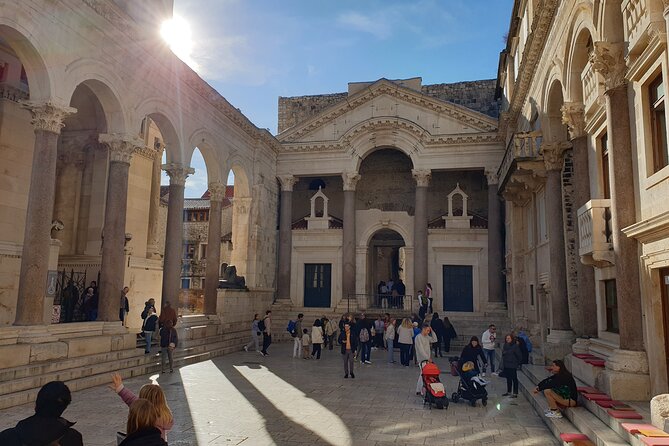
- The palace is still part of daily life: You walk through working streets, cafés, shops, and squares rather than a separate archaeological park.
- The Peristyle is the tour’s anchor: This central Roman courtyard gives you the basic map for understanding the whole palace.
- Paid areas are not included: You see the substructures from the tour route, but museum admission and other entry tickets cost extra.
- The guide makes a real difference: Antonella, Anton, Mario, Marino, and Maggie are among the guides praised for clear explanations, humor, and local passion.
- Sound can be the weak link: The maximum group size is 20, but busy palace lanes can make hearing difficult without audio equipment.
- Wear shoes for uneven steps: High and irregular stairs are part of the old center, so this is not an ideal choice if steps are a concern.
Why this walk is a smart first look at Split

The best reason to take this tour is simple: Split’s center can feel confusing at first. Roman walls, medieval homes, Venetian defenses, shops, and apartment buildings all occupy the same compact area. A guide gives you a framework before you wander off on your own.
I especially like that the route does not stay inside the palace. It links the emperor’s quarters with the Riva promenade, Fruit’s Square, the Golden Gate, and the former Jewish quarter. That broader path shows how Split changed over many centuries instead of treating Diocletian’s Palace as a single Roman monument.
At $48.37 per person, the price is reasonable if you want an organized introduction and a chance to ask questions. It is less compelling if you only want to see the main courtyard and take photographs, since much of the palace can be explored freely. The value comes from interpretation, orientation, and the guide’s ability to connect scattered details.
The tour is offered in English, with several departure times. It lasts about an hour and a half, though the exact pace can vary. One guide may finish a little sooner, while a story-heavy walk can run longer. If you have only one day in Split, this is a useful way to get your bearings early, then return to the places that interest you most.
More Walking Tours in Split
- Split: Old Town and Diocletian Palace Walking Tour
★ 4.9 · 4,727 reviews - Split & Diocletian’s Palace Walking Tour
★ 5.0 · 1,125 reviews - Walking Tour of Split with a ‘Magister’ of History
★ 5.0 · 1,122 reviews
Meeting at the Peristyle, the palace’s main crossroads
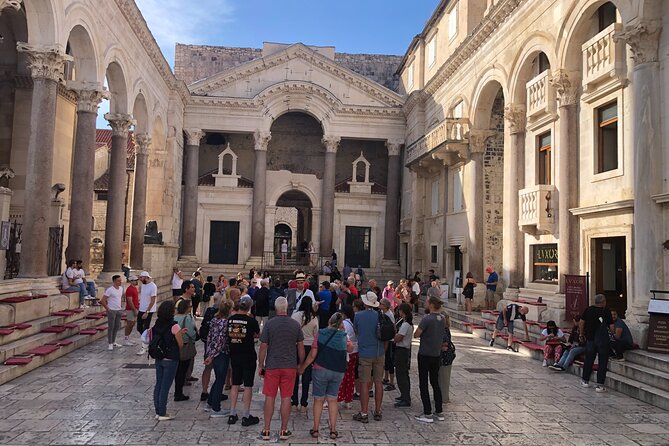
The walk begins at Peristil ulica, at the Peristyle itself. Allow extra time to find the meeting point. The starting area can be confusing, especially if you arrive through the maze of palace lanes or approach from the waterfront.
The Peristyle was the ceremonial heart of Diocletian’s Palace. It also remains the easiest place to understand the palace plan. From here, the main routes lead toward the emperor’s former apartments, the Vestibule, the Golden Gate, and the underground substructures.
You spend about 15 minutes here. That is enough for the guide to explain the palace layout and set the scene, but not enough for a long archaeological lecture. I like this opening because it gives you a mental map before the group moves into narrower spaces.
The square is also one of the busiest points on the route. Several tours may gather at once, and other guides may be speaking nearby. Stay close to your guide and position yourself where you can see the guide’s face. If the group is larger than expected, the people at the back may miss parts of the explanation.
The Vestibule and the sound of Dalmatian singing
The Vestibule is a short stop, about five minutes, but it gives the walk a memorable change of mood. This circular entrance space once formed part of the emperor’s private approach. Your guide explains its purpose and place within the palace.
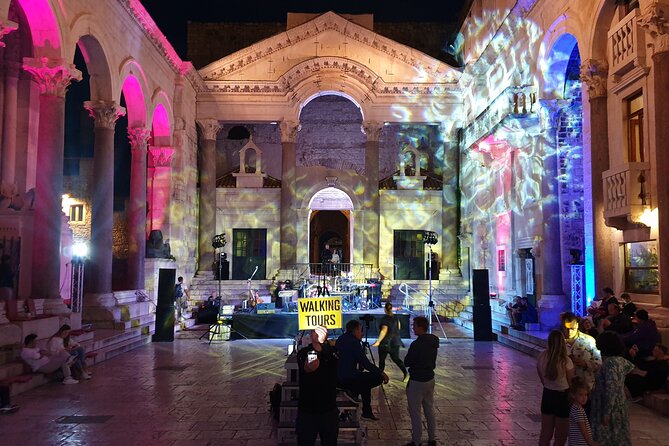
You might also hear traditional Dalmatian singing here. The acoustics of the space can make even a brief musical moment feel striking. It is not the main event of the tour, and it cannot be guaranteed, but the possibility adds something more human than a list of dates and architectural terms.
This stop can be crowded and echoing. That matters because a guide who speaks softly may be difficult to follow. If you are sensitive to sound or want every detail, ask questions promptly rather than waiting until the group has moved on.
The substructures reveal how the palace survived
The substructures receive about 10 minutes. These underground rooms mirror parts of the palace above and help explain how the complex was built. Over time, they served different functions, and their survival gives you a strong sense of the palace’s physical scale.
The tour does not include the museum section of the substructures. You may visit that paid area after the walk, but admission is not included in the tour price. This is one of the most important points to understand before booking. You are paying for a guided overview, not an all-inclusive palace ticket.
I see this as both a strength and a limit. The guide can explain why the underground spaces matter without using up the whole walking tour, leaving you free to return later. But if your main goal is a long visit through the cellars, you should budget extra time and money for independent entry.
The floors and steps may be uneven. Keep your footing, especially when the group pauses in tight areas. Comfortable shoes matter more here than stylish ones.
More tours inside Diocletian's Palace:
- Split: Diocletian Palace & Old Town Guided Walking Tour
★ 4.7 · 882 reviews - Split: Game of Thrones Tour with Diocletian’s Palace Cellar
★ 4.8 · 545 reviews - Diocletian’s Palace and Old Town SMALL GROUP Walking Tour
★ 5.0 · 502 reviews - SPLIT-PRIVATE Walking Tour of Diocletian’s Palace & Old Town
★ 5.0 · 467 reviews
The Golden Gate and Gregory of Nin

The Golden Gate is the palace’s main northern entrance and receives about 10 minutes. The gate helps you understand how visitors once entered the imperial complex, while the route around it shows how the old Roman structure has been absorbed into modern Split.
Nearby is the statue of Gregory of Nin, a major figure in Croatian history and language. Your guide explains why he matters, so this stop moves beyond Roman history into Croatian cultural identity.
This is a good place to ask questions about the city’s changing languages, rulers, and traditions. The stop is free, but the area can be active with passing pedestrians. Listen closely before the group shifts position.
Because the Golden Gate is outside the most enclosed parts of the palace, it can also help you see how the old complex connects with the rest of Split. The palace is not a sealed monument. Its entrances still function as part of the city’s circulation.
Riva Harbor puts the palace in a wider setting
The walk then heads to Riva Harbor for about 15 minutes. Riva is Split’s broad waterfront promenade, and the tour uses it to explain the city’s relationship with the sea.
You’ll see a bronze model of Diocletian’s Palace, a useful tool after walking through the real streets. The model lets you pause and consider the palace as a planned complex rather than a series of disconnected corners. The guide also explains the story of the Riva and why this waterfront is central to modern Split.
I like this stop because it provides breathing room after the tighter palace lanes. It also gives you a practical orientation point. If you are visiting from a cruise ship or have only a few hours in town, knowing the relationship between the harbor and old center helps you plan the rest of your time.
The waterfront portion is free and easy to reach, but it does not replace time inside the palace. The strongest part of the walk remains the combination of Roman remains and later city life.
Fruit’s Square adds Venetian and literary history
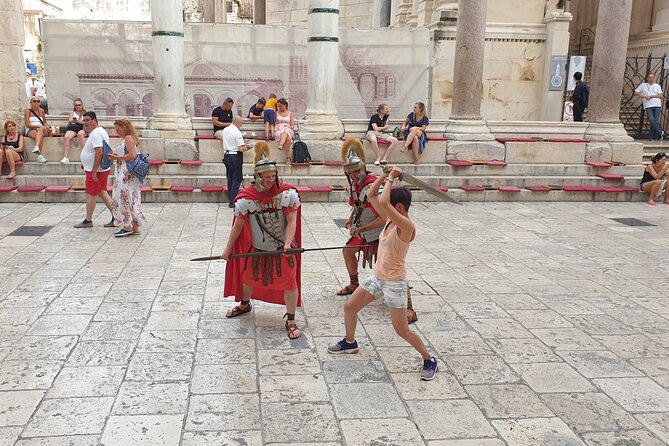
Fruit’s Square, officially Trg Braće Radić, takes about 10 minutes. Here the focus shifts to a 15th-century Venetian citadel and to Marko Marulić, often called the father of Croatian literature.
This is exactly the sort of stop that makes a city tour worthwhile. You are not just seeing an attractive square. You are learning how Venetian power shaped Split and how Croatian literary culture developed alongside the city’s political changes.
The square also shows how the old center has several layers of use. Military structures, public spaces, commerce, and everyday local life have occupied the same compact area at different times.
As with the other outdoor stops, the explanation depends on how well you can hear the guide. Stay near the front if possible, and do not hesitate to ask for a point to be repeated.
Passing the Split Synagogue
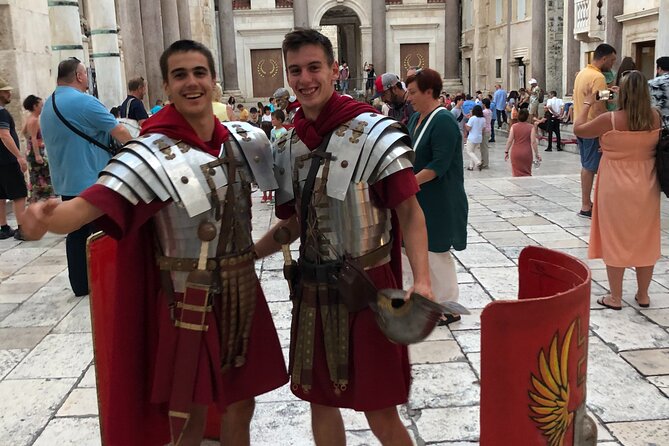
The final listed stop is the Split Synagogue, where you spend about 10 minutes learning about the Jewish community in the city. The synagogue dates to the 16th century, adding another important strand to Split’s urban story.
This stop is a reminder that the palace was never only an imperial residence or archaeological site. Different communities lived, worshiped, traded, and built their lives within its walls. That human scale is one of the tour’s best qualities.
Admission to the synagogue is not included. The planned route passes by it and explains its history, rather than promising a full interior visit. Treat it as an introduction, then decide if you want to learn more independently.
The activity returns to the meeting point. That makes it easy to continue sightseeing, revisit the paid substructures, find a café, or walk back toward the harbor.
Guides, group size, and the hearing problem
The guide is the heart of this experience. The company uses different English-speaking guides, so your style may vary by departure. Antonella is praised for clear English, humor, organization, and a teaching background. Anton and Anthony are described as energetic and engaging, while Mario is noted for answering questions beyond the basic route. Marino is remembered for strong local passion, and Maggie for a helpful introduction to the city.
That range is worth keeping in mind. A history teacher may offer more detail but speak more slowly or softly. A lively storyteller may keep the walk moving but spend less time on exact dates. The tour works best when the guide connects facts with stories and gives you space to ask questions.
The stated maximum is 20 people, which is smaller than a mass-market city walk. Still, a group of 20 can feel large in narrow palace lanes. Several tours may be running at the same time, and some guides speak loudly nearby.
No audio headsets are provided. This is the clearest practical weakness. If hearing is important to you, stand close to the guide and avoid drifting to the rear. The tour company would improve the experience by using headsets, especially in crowded periods.
Physical comfort and timing
Most people can take part, and service animals are allowed. The route is near public transportation, and you return to the starting point rather than finishing at a distant location.
The main physical issue is the old paving and steps. Some stairways are high or uneven, and the underground sections can require careful footing. If you have trouble with high steps, this may not be the right activity.
Book early if your schedule is tight. The experience is often reserved about 13 days ahead, and departure times can change. One reported booking problem involved a cancellation and another involved a delayed start after a last-minute guide change. These problems appear to be exceptions rather than the normal pattern, but I would still confirm the meeting time and arrive early.
The cancellation rule is straightforward: cancel at least 24 hours before the local start time for a full refund. Changes made within 24 hours are not accepted, and late cancellations are not refunded. The minimum number of participants also applies, so a cancellation for low enrollment can lead to another date, another experience, or a full refund.
Who will get the most from this tour
I would choose this walk if you are visiting Split for the first time, especially if you have only one day. It gives you a useful overview before you spend time exploring the palace on your own.
It also suits history-minded families, couples, and cruise passengers who want more than photographs. The route covers enough ground to explain Split’s Roman, Venetian, Croatian, literary, and Jewish past without requiring a full-day commitment.
I would be more cautious if you want long, quiet access to archaeological spaces. The tour is an introduction, and paid sections are separate. I would also think twice if you need perfect audio clarity or find uneven stairs difficult.
Should you book the Split palace walk?
Yes, if you want a lively introduction to Split and value a good guide more than included admission tickets. The route covers the city’s essential sights, and the strongest guides turn dates and stones into a story you can follow.
Book it near the start of your stay, arrive early at the Peristyle, and stay close enough to hear. Plan to pay separately if you want to explore the museum area of the substructures. If you prefer to wander independently and already understand the palace layout, the price may feel high for a basic orientation.
For most first-time visitors, though, this is a sensible way to begin. The palace becomes easier to read, and the rest of Split makes more sense after you have walked through its oldest rooms and liveliest squares.
FAQ
How long does the walking tour last?
The tour lasts approximately 1 hour and 30 minutes. Individual tours may vary slightly depending on the guide and pace.
What language is the tour offered in?
The tour is offered in English.
Where does the tour begin?
It begins at Peristil ulica, at the Peristyle in Split.
Where does the tour end?
The activity ends back at the meeting point.
Are admission tickets included?
No. Admission tickets are not included. The museum section of the palace substructures is not part of the tour ticket.
Does the tour visit the palace substructures?
The route goes through the substructures and explains their construction and later uses. It does not include the museum portion.
What is the maximum group size?
The maximum group size is 20 people.
Is the tour suitable for people with difficulty using stairs?
The tour is not recommended for people who have problems with high steps. The historic center includes uneven and irregular steps.
What is the cancellation policy?
You can cancel at least 24 hours before the local start time for a full refund. Cancellations or changes made within 24 hours are not accepted and are not refunded.
Just added around Split
- Split Day Trip from Dubrovnik★ 4.0 · 59 reviews
- Dubrovnik to Split Private Transfer with Local Experienced Driver★ 5.0 · 52 reviews
- Private Transfer from Dubrovnik to Split★ 5.0 · 3 reviews
- Private Transfer from Dubrovnik to Split with 2 hours for sightseeing★ 5.0 · 50 reviews
- Private Transfer: Dubrovnik to Split★ 5.0 · 7 reviews
- Dubrovnik to Split Private Transfer with Mostar Town★ 5.0 · 38 reviews
- Private Tour: Split Day Trip from Dubrovnik★ 5.0 · 9 reviews
- Private Day Trip :Dubrovnik- Mostar- Split★ 5.0 · 3 reviews
Diocletian Palace Tours, compared.

Split: Old Town and Diocletian Palace Walking Tour
Read our review →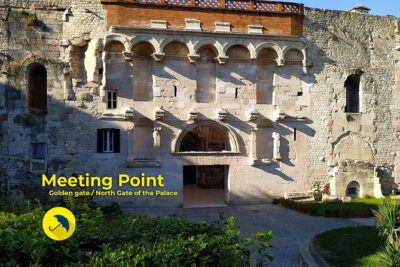
Split: Diocletian Palace & Old Town Guided Walking Tour
Read our review →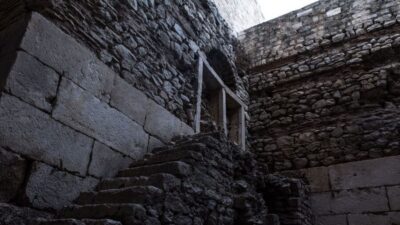
Split: Game of Thrones Tour with Diocletian’s Palace Cellar
Read our review →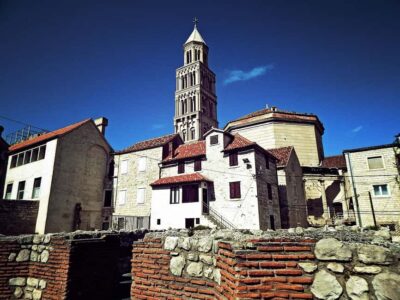
Diocletian’s Palace and Old Town SMALL GROUP Walking Tour
Read our review →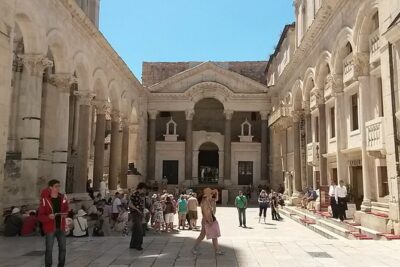
SPLIT-PRIVATE Walking Tour of Diocletian’s Palace & Old Town
Read our review →
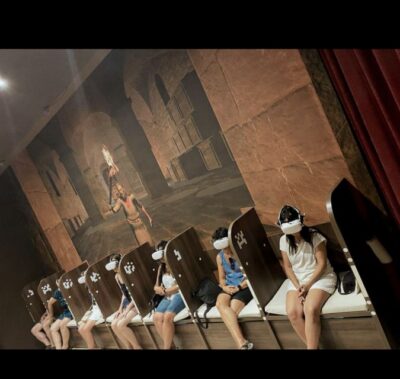
Split: Diocletian’s Palace Virtual Reality Experience
Read our review →Browse the lists this tour appears in