Reviewed · DUBROVNIK TOURS
Small Group Tour; Balkans & Central Europe – Dubrovnik to Vienna
The strongest part of this trip is its sweep across southeastern Europe. In ten days, you move from Dubrovnik to Mostar, Sarajevo, Belgrade, Budapest, Bratislava, and finally Vienna, with a local tour leader handling the borders, driving, hotels, and daily route. I like the small maximum of 10 people and the mix of famous cities with quieter stops such as Zvornik, Sremski Karlovci, Subotica, and Győr.
I also like the built-in free time. You are not marched from one monument to the next all day, and you get chances to eat local food, visit cafés, and wander on your own. The main caution is important: the overview promises two days around Komani Lake and Valbona Valley in Albania, but the detailed ten-day schedule does not include Albania or those hikes. Confirm the exact route before paying.
Key points to know
- Six countries in ten days: The route begins in Dubrovnik and ends with hotel drop-off in Vienna, passing through Bosnia and Herzegovina, Serbia, Hungary, and Slovakia.
- A very small group: The tour is capped at 10 people, which makes border crossings, shared transport, and group decisions easier.
- The guides are a major part of the experience: Guides named in the supplied information include Bilbil, Mira, Sokol, Armando, and Ani, all noted for being helpful, friendly, and flexible.
- Three-star hotels and breakfast are included: Lunch, dinner, drinks, snacks, and personal spending are extra.
- The published route needs clarification: The Albania hiking description does not match the day-by-day Dubrovnik to Vienna program.
- Best for active sightseers: Expect long drives, city walking, uneven ground in Sarajevo, and a 7:00 am start from Dubrovnik.
A fast-moving route from the Adriatic to Vienna
This is not a slow, single-country holiday. It is a geographic sampler, designed for people who want to connect several important Balkan and Central European cities without arranging each bus, hotel, and border crossing themselves.
The route has a clear rhythm. You begin with Ottoman, Mediterranean, and wartime history in Mostar and Sarajevo. Serbia then brings river towns, fortress views, wine traditions, and Austro-Hungarian architecture. Hungary adds Budapest and Győr, while Slovakia gives you Bratislava before the final transfer to Vienna.
I like the way the route mixes headline sights with places you may not have chosen on your own. Belgrade and Budapest are obvious draws. Zvornik and Sremski Karlovci are more unusual additions. The tradeoff is time. Most stops receive only one to three hours, so you will get an introduction rather than a full visit.
The price is listed at $3,773.83 per person. That is a serious amount, but it covers nine nights in three-star hotels, breakfast, a professional tour leader, transport costs, petrol, road charges, international car insurance, tourist taxes, selected entry tickets, hotel pickup in Dubrovnik, and hotel drop-off in Vienna. The value depends on how much you would otherwise spend arranging a one-way, multi-country trip with private transport.
Room pricing is based on double, twin, triple, or quadruple occupancy. If you want a private room, ask about the supplement before booking. Since meals beyond breakfast are not included, budget separately for lunches, dinners, drinks, snacks, and café stops.
A few more Dubrovnik half-days worth comparing
- Blue Cave Small-Group Boat Tour from Dubrovnik
★ 5.0 · 9,360 reviews - Dubrovnik: Epic Game of Thrones Tour + Lokrum & Saver Option
★ 4.9 · 5,995 reviews - Dubrovnik: Old Town Walking Tour
★ 4.8 · 5,174 reviews
Day 1: Mostar and the blue spring at Blagaj
The first morning starts early. Pickup from your Dubrovnik hotel is scheduled for 7:00 am, and a local driver takes you to the border where you meet the tour leader. This handoff is useful because border crossings can be awkward when you are carrying luggage and trying to coordinate a multi-country route on your own.
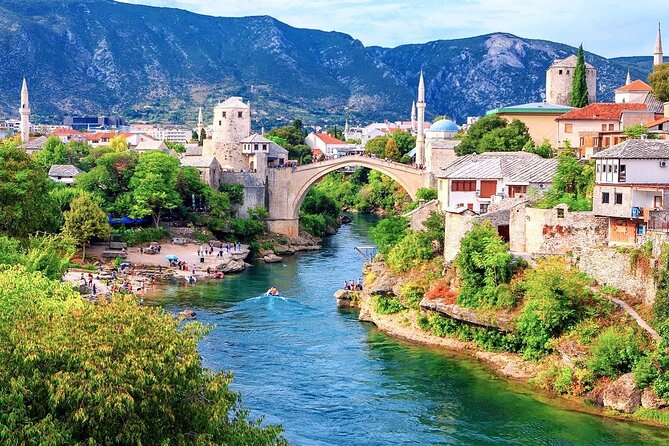
Mostar is the first major stop. Its Old Bridge, Stari Most, crosses the Neretva River and is the city’s defining sight. You have about an hour to see the bridge and another hour to walk through the Old Bazaar, with cobbled lanes, mosques, small shops, and Ottoman-era details.
Mostar is also a place where beauty and recent conflict sit side by side. The repeated Don’t Forget reminders point to the city’s wartime past, while the bridge itself represents reconstruction and continuity. Your time here is short, so use the walk to notice both the architecture and the marks of modern history.
Blagaj adds a quieter setting. The tekija, or monastery, sits below a cliff near the spring of the Buna River. The water and rock setting make this a strong contrast with Mostar’s urban lanes. One hour is enough for a look and photographs, but not for a leisurely exploration.
You then return to Mostar for free time. That open hour matters. You can revisit a lane, stop for food, or simply slow down after the morning’s border crossing and walking.
Day 2: Sarajevo, Ottoman streets, and the Latin Bridge
The drive from Mostar to Sarajevo brings a change in mood. Sarajevo is presented through its Ottoman and Austria-Hungarian quarters, with mosques, churches, synagogues, markets, and public buildings close together.
The route includes uneven ground and visits to sites connected with the Yugoslav War. Bullet holes and cannon marks remain visible around town. This is not a polished, purely sightseeing stop. You need to pay attention to the guide’s explanations and allow the city’s difficult past to be part of what you see.
The Latin Bridge is the key historical stop. Here you learn how the assassination connected with the bridge helped trigger the First World War. The surrounding area also gives you a good chance to understand Sarajevo’s position at the meeting point of different political, religious, and cultural traditions.
You receive free time for traditional food and an unhurried look at the old town. Sarajevo is known for meat dishes and desserts, so this is one of the days when lunch is part of the experience rather than just fuel. Since meals are not included, you choose and pay for what you eat.
The schedule allows only about two hours of organized sightseeing plus free time. If Sarajevo is your main reason for booking, you may wish the trip offered a second night. For a broad route, though, the introduction is useful.
Day 3: Zvornik and Belgrade’s river views
Zvornik provides a pause before Belgrade. Located along the Drina River, it is planned as a lunch and walking stop. You can use the hour to try local food or look around the streets before continuing into Serbia.
The short stop is a reminder of the tour’s character. You are not spending enough time in Zvornik for a full town visit, but you are seeing a place that many first-time visitors would skip when traveling between larger cities.
Belgrade receives more time. At the fortress and Kalemegdan Park, the Sava and Danube meet below broad city views. The park provides green space and walking paths, while the Upper Town includes the Pobednik monument, dating from 1913.
The guided walk continues along Knez Mihailova toward Republic Square. This is one of Belgrade’s main pedestrian areas and a good place to see the city in everyday use. Two hours is enough to understand the central layout, though not enough to cover every museum, church, or neighborhood.
Belgrade is a city that rewards extra time. Here, the scheduled visit gives you the essentials but leaves little room for a deeper look. The tour’s advantage is that you arrive with transport and orientation already handled.
Same stretch of coast, a completely different kind of day:
- Dubrovnik: The Original Game of Thrones Tour & Lokrum Option
★ 4.8 · 5,064 reviews - Dubrovnik Game of Thrones Tour & Optional Lokrum Island Visit
★ 5.0 · 4,702 reviews - Dubrovnik Discovery Old Town Walking Tour
★ 5.0 · 4,458 reviews - Montenegro Full-Day Trip from Dubrovnik with Optional Boat Trip
★ 4.5 · 3,212 reviews
Day 4: Wine traditions in Sremski Karlovci
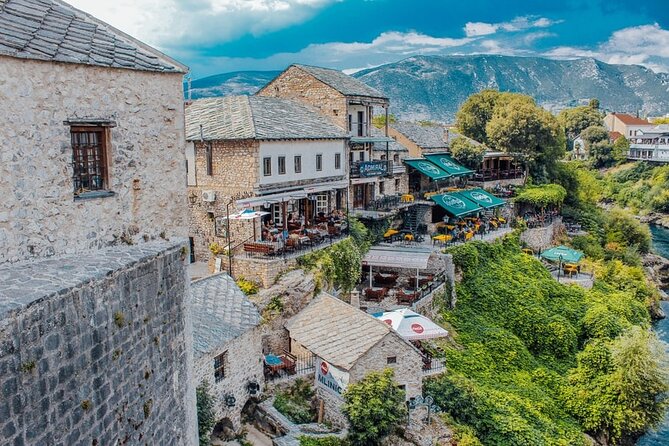
Sremski Karlovci is one of the more appealing stops for anyone who prefers a smaller town to another major capital. Its Baroque center, religious buildings, and wine cellars reflect its role in Serbian cultural life during the 18th century.
The town is treated as a three-hour visit, longer than several of the city walks. That gives you time to look at the buildings, hear local stories, and consider a wine tasting if available during your free period. The Four Lions fountain carries a local legend: drinking from it is said to bring you back to Karlovci and lead to marriage there.
You should treat the wine tasting as an optional personal expense unless your booking confirmation says otherwise. The tour includes breakfast, not regular lunches, dinners, or drinks.
This day also helps break up the long urban sequence. Vineyards and a smaller town provide a calmer pace before Novi Sad. If you like food, architecture, and local customs more than checking off major monuments, this may become one of your favorite days.
Day 5: Novi Sad and Petrovaradin Fortress
Novi Sad is described as northern Serbia’s cultural capital. Its position between the former Ottoman and Austria-Hungarian spheres shows in the city’s architecture and street plan.
You walk through the old town along Zmaj Jovina and Dunavska, both useful streets for getting a feel for the center. The Baroque buildings and pedestrian areas make the city easy to explore on foot during the three-hour visit.
Petrovaradin Fortress is the major attraction. Its position above the Danube gives it a strong visual presence and explains the nickname Gibraltar on the Danube. The schedule also includes free time, so you can choose between more wandering, a café, or a slower look at the city center.
Novi Sad is your overnight stop, which helps. You do not have to rush straight back into the vehicle after the city walk. Still, the total route remains busy, so do not expect a long, independent evening unless the day’s driving and hotel timing allow it.
Day 6: Subotica and the border into Hungary
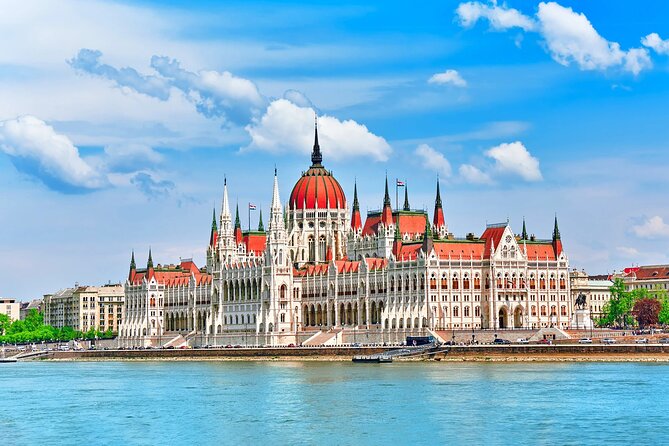
Subotica is known for ornate Austro-Hungarian architecture and a relaxed café culture. The City Hall anchors the central square, surrounded by a park, fountains, and open public space.
The visit includes the Cathedral of St. Teresa of Avila and the Synagogue. These buildings add religious and architectural variety to a town already known for its decorative façades. You also have time to explore independently, find coffee, and try local food or wine at your own cost.
Three hours is a useful amount of time here. You can take the guided walk and still have space to wander, though you may need to keep an eye on the departure time.
Later, the group crosses into Hungary and reaches Budapest. The listed Budapest portion on this day is only about 30 minutes, so the real city visit comes the following day. Keep your evening expectations modest unless your accommodation and arrival time leave room for extra exploration.
Day 7: Budapest from both sides of the Danube
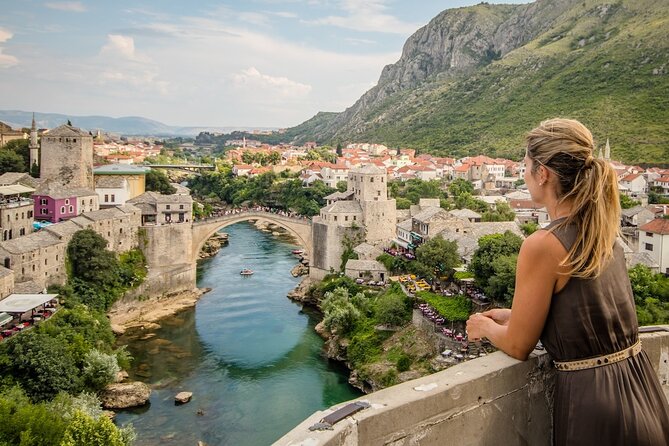
Budapest receives the most substantial city program in the middle of the tour. You see Saint Stephen’s Basilica, the Opera, the Parliament building, Heroes’ Square, and Fisherman’s Bastion.
The city is divided by the Danube into Buda and Pest, and the route gives you views from both sides. Fisherman’s Bastion is especially useful for seeing across the river, while Buda Castle provides the main historic hilltop visit and includes an entry ticket.
You also cross bridges and walk along a Baroque-style street before getting a free evening. That evening is valuable because Budapest changes character after dark, with illuminated buildings and river views. You can decide how to use it instead of following another fixed group schedule.
The drawback is familiar: Budapest deserves several days, but this program offers a guided introduction. The two hours of city touring and one hour at the castle cover major sights, not the city’s museums, baths, markets, and neighborhoods.
Day 8: Győr before Bratislava
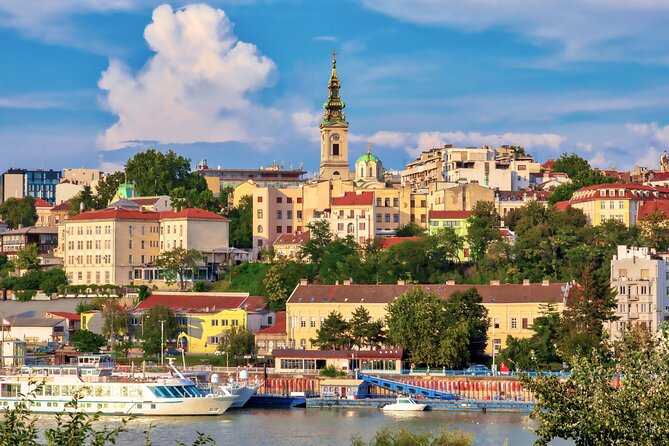
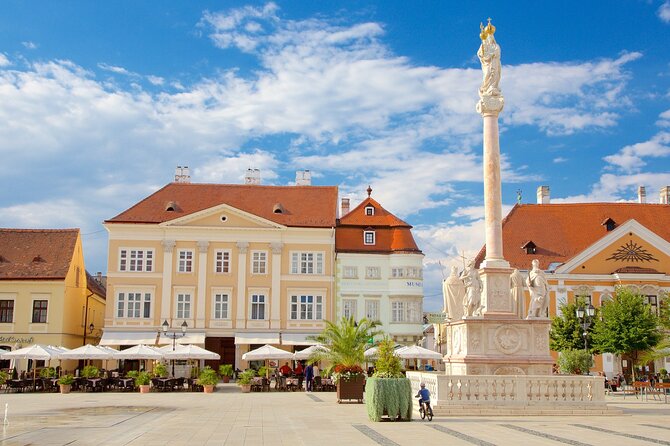
Győr, the City of Rivers, offers a smaller-scale Hungarian stop. Its center includes colorful homes, churches, and Baroque architecture. The Town Hall has a 59-meter tower with a green top, and the Cathedral of the Virgin Mary adds an older religious landmark.
The route also includes Győr Synagogue, recognizable by its large gray dome. Baross Gábor Way is the pedestrian street for cafés, shops, bars, and restaurants. You have free time here for Hungarian food and, according to the schedule, the chance to try blueberry beer.
The stop lasts about three hours in total. That is enough to make Győr more than a roadside break. It is still an introduction, so you will not see every church or museum.
Later, the group drives to Bratislava. The short listed transfer sets up the final full sightseeing day before Vienna.
Day 9: Bratislava’s old center and castle hill
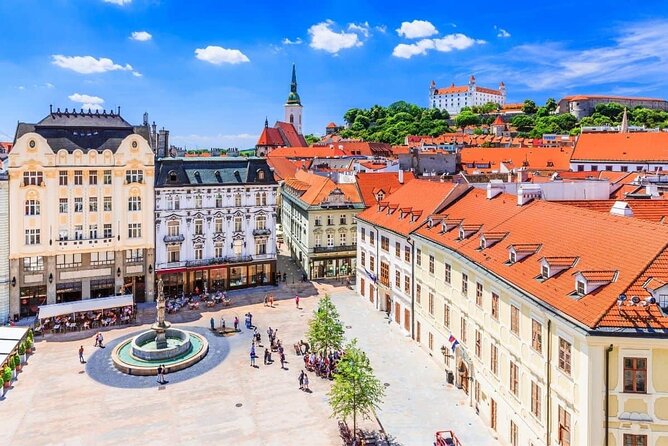
Bratislava is compact enough for a short guided visit to feel productive. The Old Town includes the Old Town Hall, churches, cultural institutions, and government buildings.
Michael’s Gate is the only preserved gate from the medieval fortifications mentioned in the program. From there, the route continues to Bratislava Castle, built on a hill above the Danube. The climb is worth noting if walking uphill is difficult, though the tour does not provide a separate accessibility description.
The castle visit includes an entry ticket and a city view. After returning to the center, you get free time for Bratislava’s café culture. This is a good final afternoon for coffee and a relaxed walk before the last transfer.
Bratislava is another city where the tour provides the essentials rather than a complete stay. The advantage is that you see it without having to arrange a separate excursion from Vienna.
Day 10: Hotel drop-off in Vienna
The trip ends with drop-off at your Vienna hotel. Vienna itself is not presented as a sightseeing day, so plan your Vienna visits separately and allow enough time after arrival.
This ending works well for a one-way itinerary. You do not need to return to Dubrovnik, and your transport between the final Central European stops is already arranged. It also means you should not book a tightly timed Vienna activity without confirming the drop-off schedule.
What the guide and group size mean
The group is limited to 10 people. That is one of the strongest practical features. A small vehicle and a small walking group usually make it easier to hear explanations, ask questions, and handle free-time decisions.
The supplied guide names include Bilbil, Mira, Sokol, Armando, and Ani. Bilbil is described as helpful with extra suggestions and willing to drive people to various sites when possible. Mira is described as kind and attentive, while Sokol is praised for taking the group to attractive places and sharing useful information. Armando is noted for explaining Albania’s past, and Ani, along with Brikena and Sirma, is described as attentive and welcoming.
These names appear in connection with different experiences, so do not assume which person will lead your Dubrovnik to Vienna departure. Ask for the assigned guide if that matters to you.
Who should book this trip?
You should consider it if you want a guided introduction to several countries, prefer not to manage border crossings and long-distance transport, and are comfortable with a quick pace. It suits an active sightseer who enjoys walking, historic city centers, viewpoints, cafés, and short stays.
You should think twice if you want long museum visits, free days, private rooms without an added charge, or a relaxed hiking holiday. The detailed program is a city and cultural route, not an Albanian Alps hiking trip.
Most importantly, confirm the itinerary in writing. The headline description refers to Komani Lake and Valbona Valley, including two days of hiking, but the ten-day schedule runs from Dubrovnik through Mostar, Sarajevo, Serbia, Hungary, Slovakia, and Vienna. That is not a minor wording issue. It changes the countries, activities, packing needs, and reason for booking.
The experience is non-refundable and cannot be changed after booking, so resolve that mismatch before paying. Also remember that tips are not required, though a tip for good service is recommended as an international custom.
Final call: a strong route, but verify the Albania question
I would choose this tour for the convenience of a small group, the one-way Dubrovnik to Vienna route, the included hotels and transport costs, and the chance to see places such as Blagaj, Sremski Karlovci, Subotica, and Győr alongside better-known cities.
I would not book it solely for Komani Lake or Valbona Valley until the operator confirms those stops. If the actual route is the published Dubrovnik to Vienna itinerary, this is a broad, busy cultural tour with solid practical coverage. If you want the Albanian Alps, ask for the correct Albania departure instead.
FAQ
Where does the tour start and finish?
It starts in Dubrovnik, Croatia, with hotel pickup at 7:00 am. It ends with hotel drop-off in Vienna, Austria.
How long is the experience?
The tour lasts approximately 10 days.
What countries does the detailed route visit?
The detailed route includes Croatia, Bosnia and Herzegovina, Serbia, Hungary, Slovakia, and Austria.
Is Albania included?
The overview refers to Komani Lake and Valbona Valley in Albania, but the detailed ten-day schedule does not include Albania. Confirm the exact route with the operator before booking.
How many people can join the group?
The group has a maximum of 10 travelers.
What accommodation is included?
The package includes overnight stays in three-star hotels with breakfast. Pricing is based on double, twin, triple, or quadruple room occupancy.
Are meals included?
Breakfast is included. Lunch, dinner, drinks, and snacks are not included.
What physical condition is required?
A moderate fitness level is recommended. The program includes city walking, uneven ground in Sarajevo, and walking around historic sites and castle areas.
Just added around Dubrovnik
- Welcome to Dubrovnik Walking Tour★ 5.0 · 36 reviews
- Walls Of Dubrovnik: Small-Group Walking Tour With A Local★ 5.0 · 67 reviews
- Dubrovnik at War 1991-1992 Private Walking Tour★ 5.0 · 4 reviews
- Olive farm & village★ 5.0 · 41 reviews
- City Walls of Dubrovnik★ 5.0 · 70 reviews
- Walls of Liberty: A Self-Guided Audio Tour of Dubrovnik★ 3.5 · 3 reviews
- Trebinje Gastro Tour From Dubrovnik★ 4.5 · 12 reviews
- Try Scuba Diving Discovery in Dubrovnik★ 5.0 · 43 reviews
Dubrovnik Tours, compared.
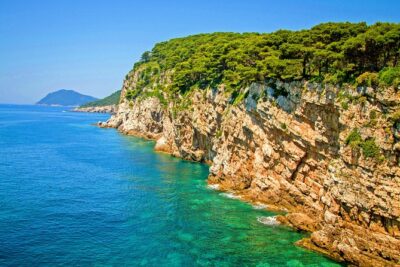
Blue Cave Small-Group Boat Tour from Dubrovnik
Read our review →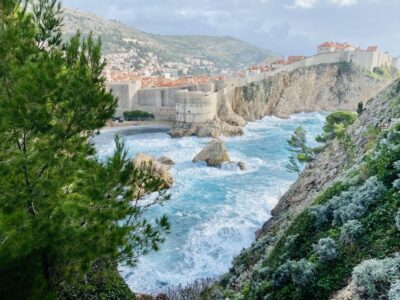
Dubrovnik: Epic Game of Thrones Tour + Lokrum & Saver Option
Read our review →
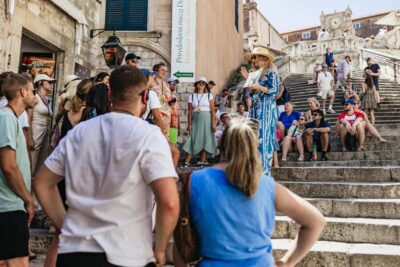
Dubrovnik: The Original Game of Thrones Tour & Lokrum Option
Read our review →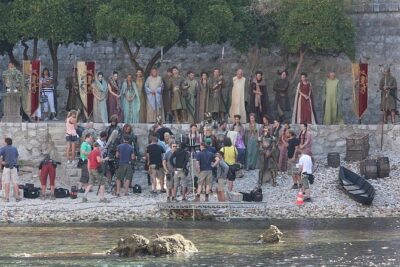
Dubrovnik Game of Thrones Tour & Optional Lokrum Island Visit
Read our review →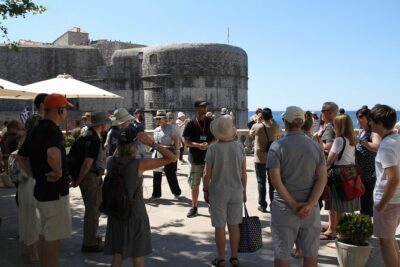
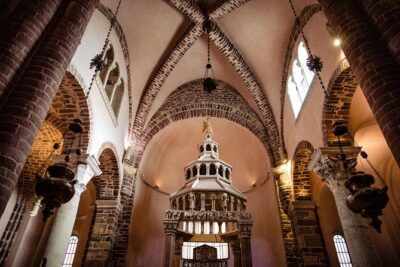
Montenegro Full-Day Trip from Dubrovnik with Optional Boat Trip
Read our review →