
Reviewed · FOOD
Split: Private Food Tasting Tour
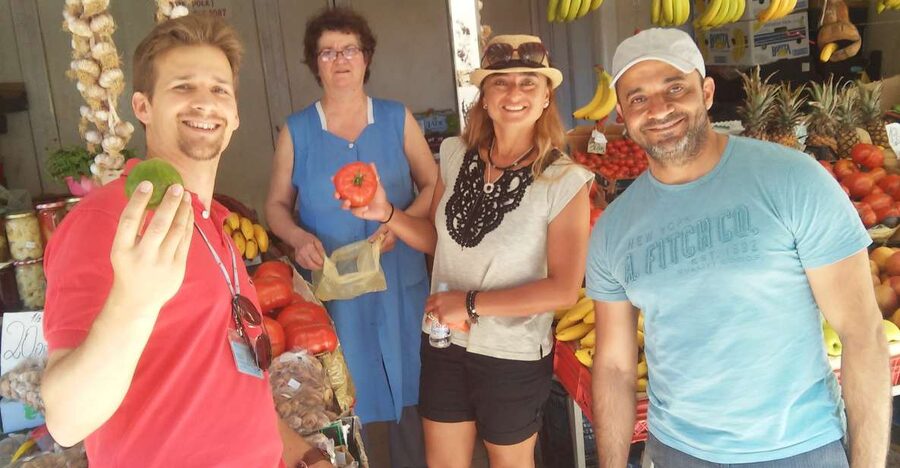
Split’s best food stories begin at the market, not in a formal restaurant. This private walk takes you through the Green Market and Fish Market, then into local shops for old-fashioned Dalmatian snacks, sweets, chocolate, and drinks. You get the food in the places where locals buy and enjoy it, with a guide explaining what each bite means.
I like the way the tour links food with the city’s past, especially when the guide explains dishes such as Soparnik, Arancini, and salted anchovies. I also like the private format: for $176 per group of up to two, you get a more personal outing than a large group walk. The main consideration is that two hours passes quickly, and the experience is not suitable for wheelchair users.
Key points
- Markets first: Visit Split’s Green Market and Fish Market before tasting traditional foods.
- A useful food introduction: Try prosciutto, cheese, Soparnik, anchovies, olive oil, almonds in sugar, local wine, and more.
- Specialty shops included: Stop at a local chocolate shop connected with a Guinness World Record and the city’s oldest pastry shop.
- Private guiding: Your group can ask questions and set the pace within the two-hour schedule.
- Good starting point: Begin at the Golden Gate, an easy place to connect food, local life, and Split’s old center.
- Plan for stairs and walking: The route is not suitable for wheelchair users, and children must stay with an adult.
Starting at Split’s Golden Gate
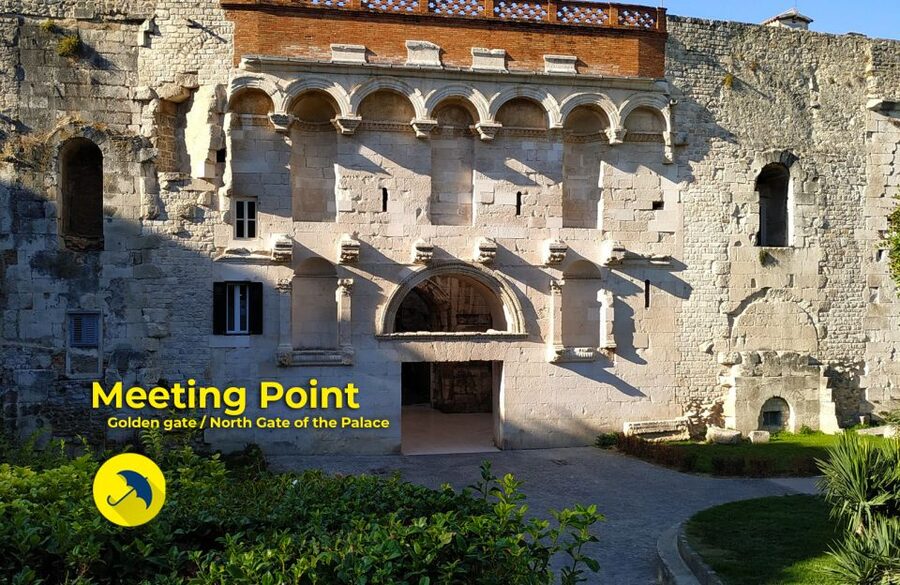
Meet at the Golden Gate of Diocletian’s Palace, down the stairs from the bronze statue of Gregory of Nin. Look for the guide with the blue umbrella. This is a practical meeting point in the heart of Split, but give yourself a few minutes to find the stairs and statue if you are arriving for the first time.
The tour begins with a licensed English-speaking guide. Guides have included Marta, Antonio, Antonia, Jakov, Darko, and others, so the exact personality and style will vary by date. The strongest guide accounts describe a warm, easygoing approach, with clear explanations of Split’s food customs and plenty of room for questions.
Because this is a private group, you are not being folded into a large crowd. That matters in a market, where narrow aisles and busy counters can make a big group awkward. It also lets you tell the guide what you already know, what you want to try, and how much explanation you prefer.
More Food Tours in Split
- Split: Blue Lagoon and 3 Island Cruise with Food and Drinks
★ 4.8 · 1,969 reviews - Split Food Tour: Discover Split One Bite At A Time
★ 5.0 · 433 reviews - Split History and Gastro Small-Group Tour with Food and Drinks
★ 5.0 · 375 reviews
The Green Market: where Dalmatian food begins
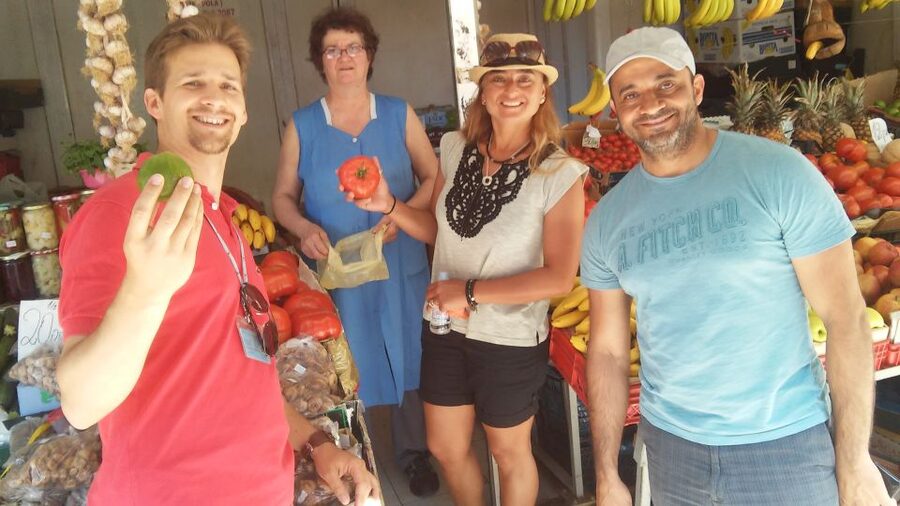
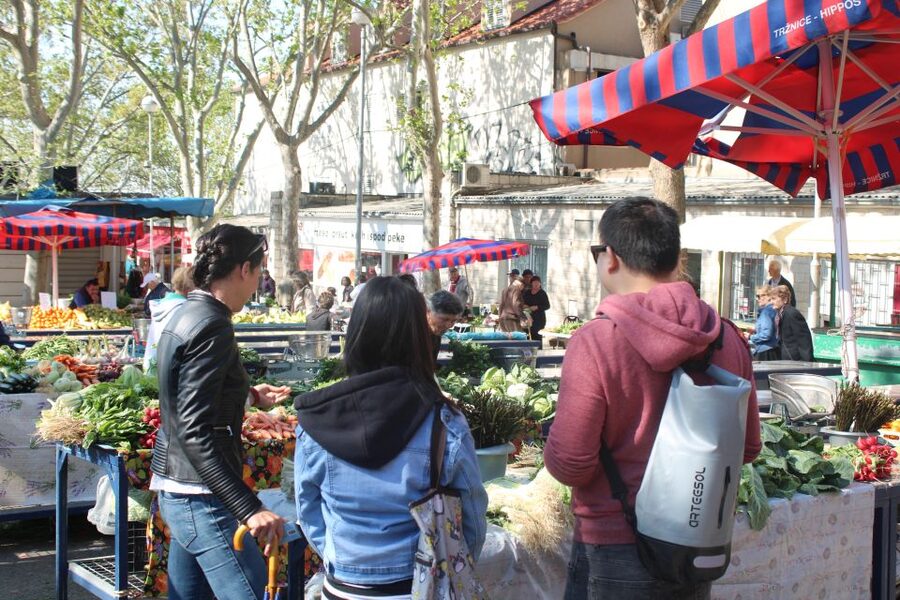
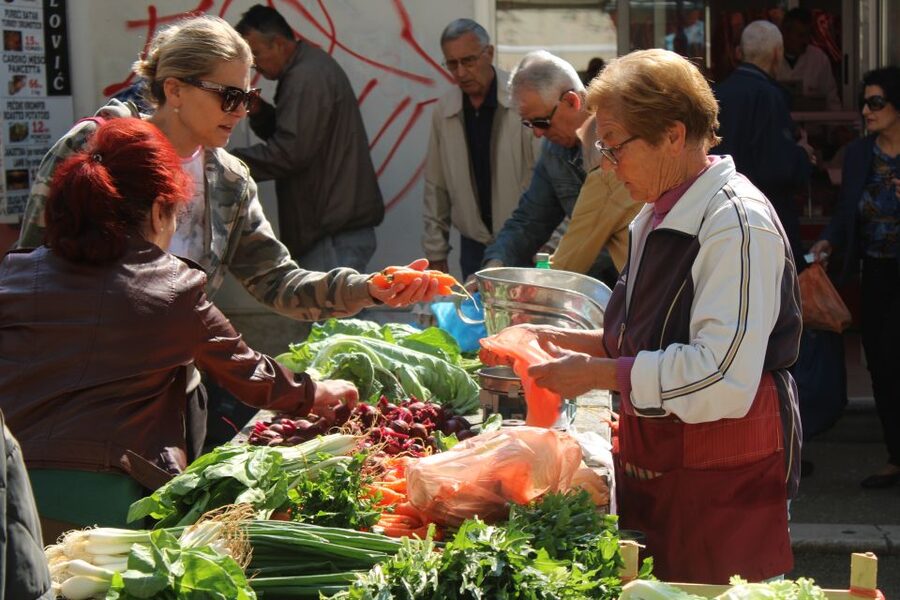
The Green Market is one of the most useful stops because it gives you a look at the ingredients behind the finished dishes. You will see the setting for local produce and everyday shopping before tasting food in a shop or café.
The experience can include vegetables, almonds, olive oil, and other ingredients used in Dalmatian cooking. The market visit makes the tasting feel less like a row of disconnected samples. You begin to see how simple products become the food served at family tables and local restaurants.
One especially useful feature is the guide’s explanation of how ingredients are used. The food of Dalmatia often relies on a short list of strong, familiar products: olive oil, bread, cured meat, cheese, fish, vegetables, and herbs. The point is not elaborate cooking. It is good produce handled with care.
Timing may affect the feel of this stop. One group appreciated starting an hour earlier to avoid cruise ship crowds. That is a useful tip if you have flexibility when booking. A quieter market makes it easier to hear the guide and look at the stalls without being pushed along.
The Fish Market and the logic of fresh seafood
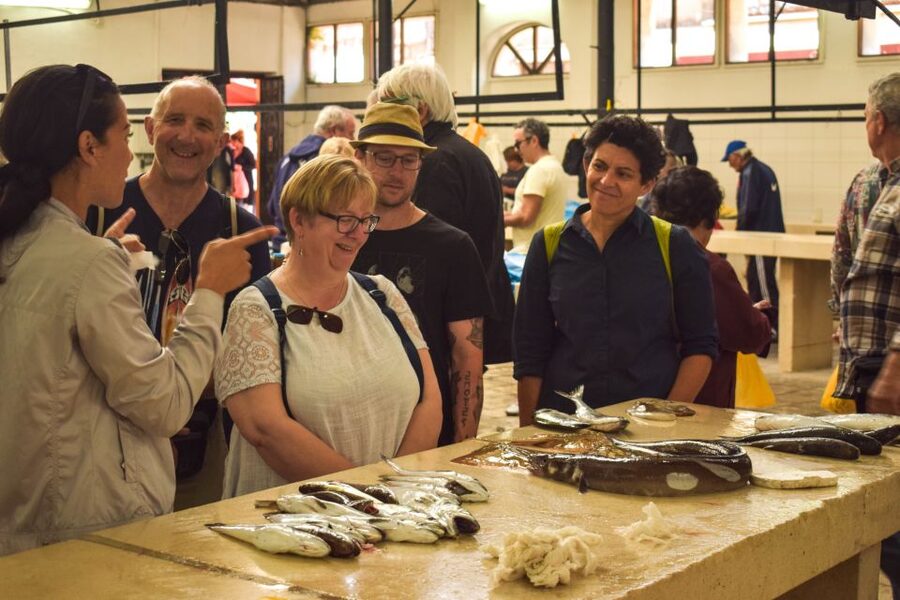
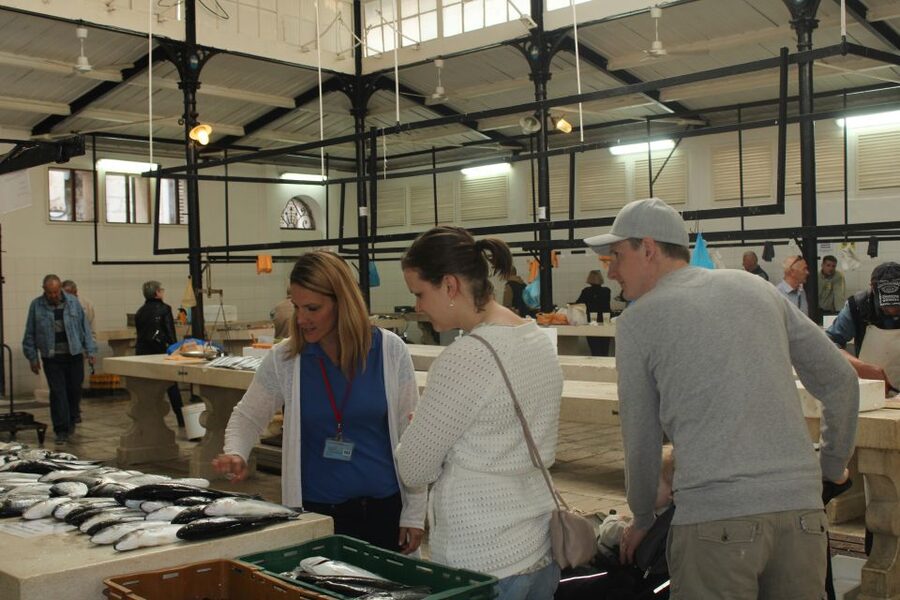
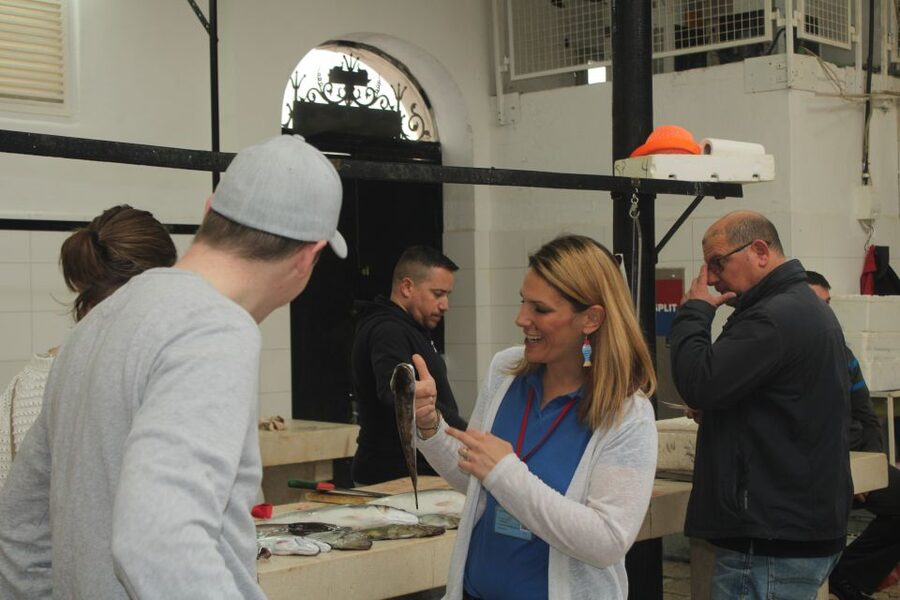
The Fish Market gives the tour another angle. Instead of only tasting prepared food, you see where seafood enters the local food chain. The guide can explain the fish on display and how it is traditionally prepared.
Past versions of the broader food experience have included choosing fish at the market and discussing how it would be cooked. The information provided for this two-hour activity specifically promises a market visit and tastings, so you should not assume that a full fish-buying-and-restaurant lunch is part of every departure. That longer meal appears in some older accounts of related outings, while this activity is presented as a shorter tasting walk.
Still, the Fish Market is valuable even without a full lunch. It helps you understand why seafood, salted anchovies, and olive oil matter so much in Dalmatian cooking. You get context that a standard restaurant meal rarely provides.
If you have little interest in fish, do not worry. The tour also includes cured meats, cheese, bread, sweets, chocolate, and other snacks. The Fish Market is one part of the route, not the whole event.
Dalmatian snacks with a story behind each bite
The tasting selection is broad for a two-hour walk. You can expect traditional foods such as Dalmatian prosciutto with homemade bread, cheese, Soparnik, salted anchovies, almonds in sugar, olive oil, local wines, and other snacks.
Dalmatian prosciutto is a useful first taste because it shows the region’s preference for carefully preserved food. Pairing it with homemade bread makes the sample more substantial than a tiny decorative bite. Cheese and olive oil add two more basic parts of the local table.
Soparnik is one of the most distinctive foods on the route. It is a traditional savory pastry associated with Dalmatian cooking. The guide does more than name it. You hear the story behind the dish and how food traditions lasted through generations.
Arancini also appears in the food selection. Here, the name refers to a traditional Dalmatian sweet made from orange peel, rather than the Italian rice snack often known by the same name. That is exactly the sort of small detail worth asking about, since familiar food names can mean different things from one country to another.
Salted anchovies bring a sharper, more coastal flavor. If you are unsure about strong fish, ask for a small taste and let the guide explain how anchovies are normally used. The private format makes that sort of question easy.
The food is not meant to replace lunch. It is a sequence of tastes, and the amount should be enough to introduce you to the cuisine without leaving you uncomfortably full. One particularly useful assessment called the sample size just right, while other accounts describe the number of food stops as generous. I would plan a light meal around it rather than arrive expecting a full restaurant service.
Same stretch of coast, a completely different kind of day:
- Blue Lagoon & 3 Islands Cruise with Lunch from Split
★ 4.5 · 5,756 reviews - Split: Old Town and Diocletian Palace Walking Tour
★ 4.9 · 4,727 reviews - Split: Blue Lagoon Boat Party with DJs, Shots & After Party
★ 4.9 · 4,610 reviews - Split: Blue Lagoon and 3 Islands Speedboat Tour
★ 4.8 · 3,406 reviews
A chocolate shop with an unusual claim
The route includes a local chocolate shop connected with a Guinness World Record. That gives the sweet portion a memorable hook, especially if you are traveling with children or simply want a break from cured meat and seafood.
The supplied details do not specify the exact record or the precise chocolate tasting offered on the day. Ask the guide to explain the claim when you arrive. That is better than treating the record as a substitute for local food context. The value of the stop is the combination of a local business, a sweet tasting, and a story you are unlikely to get from a standard market visit.
Chocolate is also a useful bridge between old and new Split. The markets show traditional ingredients and shopping habits, while a specialty chocolate shop shows how local businesses present food to modern visitors. The tour keeps both sides in view.
Ending at Split’s oldest pastry shop
A Dalmatian meal should finish with something sweet, and the pastry stop provides a natural ending. The tour visits the oldest pastry shop in the city, where you can try local pastries and sweets.
Again, the precise items may change. That is normal for a food walk using working shops rather than a fixed tasting room. Your guide can explain what is available that day and how the pastry fits into local habits.
This stop is especially useful for anyone who thinks Croatian food is only grilled fish, meat, and vegetables. Pastries and sweets show a different side of the region. You get a sense of how people mark the end of a meal and how old shops remain part of the city’s daily life.
The pastry shop also keeps the tour at a comfortable pace. You are walking between food stops, but you are not covering a huge part of Split. One detailed account described the walking as moderate, with good coverage of the city without feeling like a long march.
What the guide adds to the food
The guide is the key difference between this experience and simply visiting the markets on your own. You can see prosciutto, cheese, pastries, and fish without help. The guide explains why they matter, how they are eaten, and where they fit in Dalmatian culture.
Marta received especially warm praise for combining food, culture, and Split’s history. Antonio was noted for explaining the background behind the food, while Jakov was valued for his history knowledge and cooking interest. Darko was described as strong on local food and drink. These individual styles will vary, but the common thread is an English-language guide who can connect the samples to the city.
That explanation is most useful when you are trying something unfamiliar. A short story about Soparnik or salted anchovies can change your response from I am not sure what this is to now I understand how this belongs here. You also leave with ideas for what to order later in your trip.
Some guides have also been praised for keeping the atmosphere relaxed and open. That matters on a private tour. You can stop to ask about a market product, cooking method, or local drink without worrying that a large group is waiting.
Local wine and olive oil: know what is included
Local wine and olive oil are included among the listed tastings. The wine portion appears to be a tasting alongside the food stops, not automatically a separate winery excursion.
This distinction matters because related food and wine experiences in Split can be longer and may include a later wine and olive oil visit. One booking account found that the wine tasting was separate and scheduled later in the day. If you are booking this two-hour activity alone, confirm exactly how much wine is included and whether any additional wine tour is part of your reservation.
The tasting is best viewed as a food pairing and introduction. Do not book this short walk expecting a full wine course with many labels. One account specifically wished for more wines, which is a fair expectation to manage. The focus remains Dalmatian food, with wine as part of the table rather than the central subject.
The minimum drinking age is 18. If someone in your private group does not drink, the food and market portions still provide the main value, but the activity details do not specify substitute beverages.
Is $176 good value for two?
The price is $176 per private group of up to two people. That is not the cheapest way to snack in Split, but the comparison should be with a private guide and several organized tasting stops, not with buying one pastry or plate at a market.
For two people, the price works out to $88 each before any additional costs. You are paying for a licensed English-speaking guide, the private format, market visits, several tastings, and access to specialty food stops. You also get a practical introduction to the city’s food scene early in your stay.
The value is strongest if you want interpretation. If you are happy to wander through the Green Market, choose your own snacks, and read menus later, you can spend less on food. If you want someone to explain Soparnik, anchovies, prosciutto, local wine, and pastry traditions while leading you between stops, the private rate is easier to justify.
Keep in mind that hotel pickup is not included. You meet at the Golden Gate and return there, so plan your own way to and from that central point. The tour lasts two hours, which makes it easy to fit into a morning or afternoon without giving up a full day.
Free cancellation is available up to 24 hours before the start time, and you can reserve now and pay later. Those terms are helpful if your Split schedule may shift, though you should still check the available starting time before booking.
Who will enjoy this food walk most?
I would choose this for a first morning or afternoon in Split. It gives you a quick map of local foods and shops, and the guide can help you avoid spending the rest of your stay wondering what to order.
It suits couples especially well because the private price covers two people. Families can also enjoy it, but children must be accompanied by an adult, and unaccompanied minors are not allowed. Since the route includes food shops and market aisles, keep in mind that it is not suitable for wheelchair users.
This is a good match if you want:
- A short food experience rather than a full-day cooking class
- A private guide instead of a large group
- Local markets and ordinary food shops
- Traditional snacks with cultural explanation
- A gentle amount of walking
- English-language guiding
It is less suitable if you want a full sit-down lunch, a long winery visit, or a detailed wine course. It is also not the right choice if access without stairs is essential.
Should you book it?
Book this tour if you want to understand Split through its food, not simply collect a list of restaurants. The combination of the Green Market, Fish Market, Soparnik, prosciutto, anchovies, olive oil, sweets, chocolate, and a pastry shop gives you a useful first taste of Dalmatia in only two hours.
I especially like it for couples who value a private guide and want a relaxed start to their time in the city. The strongest part is the explanation behind each food, with guides such as Marta, Antonio, Jakov, and Darko bringing different strengths in history, cooking, and local customs.
Skip it if you are looking for a full lunch or a major wine excursion. Before paying, confirm the exact wine component and starting time. For most visitors who want a compact, personal introduction to Split’s food traditions, the price is reasonable and the route is well chosen.
FAQ
Where does the Split food tour begin?
It begins at the Golden Gate of Diocletian’s Palace, down the stairs from the bronze statue of Gregory of Nin. Look for a guide with a blue umbrella.
How long does the food tour last?
The tour lasts two hours and returns to the Golden Gate area.
What food is included?
Tastings can include Dalmatian prosciutto, cheese, almonds in sugar, Soparnik, salted anchovies, homemade bread, olive oil, local wines, pastries, chocolate, and other traditional snacks.
Does the tour visit local markets?
Yes. The route includes Split’s Farmers’ and Fish markets, also known as the Green Market and Fish Market.
Is the tour private?
Yes. It is offered as a private group experience, with the listed price covering a group of up to two people.
Is hotel pickup included?
No. Hotel pickup is not included. You meet at the Golden Gate.
What language is the tour offered in?
The live tour guide speaks English.
Is the tour suitable for wheelchair users?
No. The activity is not suitable for wheelchair users. Children must be accompanied by an adult, and unaccompanied minors are not allowed.
More Food and Drink in Split
- 4-Hour Dalmatian Food and Wine flavors Experience in Split Patio
★ 5.0 · 97 reviews - Split: Food Tasting Walking Tour
★ 4.8 · 75 reviews - Split&Sip: Educational wine tasting
★ 4.9 · 52 reviews - Split: Olive museum Klis with Olive Oil Tasting
★ 4.9 · 51 reviews
Just added around Split
- Split Day Trip from Dubrovnik★ 4.0 · 59 reviews
- Dubrovnik to Split Private Transfer with Local Experienced Driver★ 5.0 · 52 reviews
- Private Transfer from Dubrovnik to Split★ 5.0 · 3 reviews
- Private Transfer from Dubrovnik to Split with 2 hours for sightseeing★ 5.0 · 50 reviews
- Private Transfer: Dubrovnik to Split★ 5.0 · 7 reviews
- Dubrovnik to Split Private Transfer with Mostar Town★ 5.0 · 38 reviews
- Private Tour: Split Day Trip from Dubrovnik★ 5.0 · 9 reviews
- Private Day Trip :Dubrovnik- Mostar- Split★ 5.0 · 3 reviews
Food, compared.
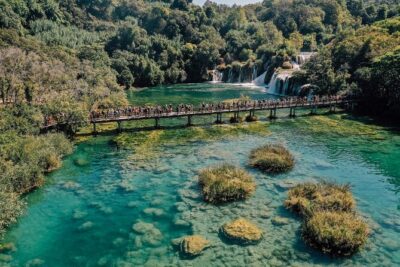
From Split: Krka Waterfalls, Food & Wine Tasting Tour
Read our review →From Split: Krka Waterfalls, Food & Wine Tasting Tour
Read our review →
Split: Blue Lagoon and 3 Island Cruise with Food and Drinks
Read our review →
Full-Day Catamaran Cruise to Hvar & Pakleni Islands with Food and free Drinks
Read our review →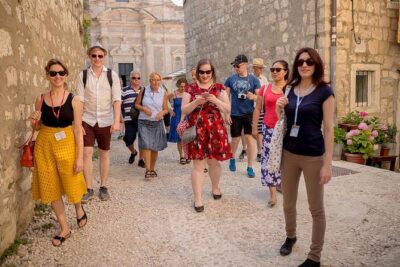
Dubrovnik Food and Drink Walking Tour with a Local Guide
Read our review →
Split Food Tour: Discover Split One Bite At A Time
Read our review →
Krka Waterfalls, Food & Wine Tasting, Boat Ride & Zadar Old Town
Read our review →
Dubrovnik Old Town Food Tour: Small-Group Experience
Read our review →Browse the lists this tour appears in