
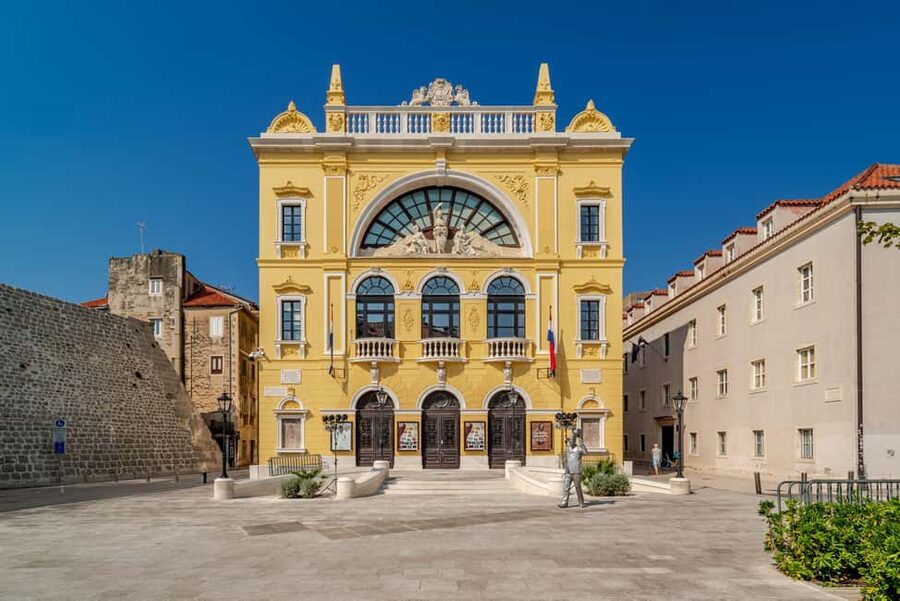
Reviewed · DIOCLETIAN PALACE TOURS
Split: 1.5-Hour Walking Tour and Diocletian’s Palace
Split’s old town is not a museum behind glass. It is a living city built inside and around Diocletian’s Palace, where laundry, cafés, shops, homes, and Roman stonework share the same narrow lanes. This tour gives you a useful first look, from the South Gate and underground cellars to the palace square, cathedral, gates, and waterfront.
I like two things here: the route helps you get your bearings quickly, and the local guides add practical advice about food, viewpoints, and getting around. The mix of Roman ruins, medieval lanes, 20th-century buildings, and daily Croatian life also makes the walk feel more complete than a palace-only visit. The main drawback is that entrance fees are not included, and the pace may be hard for anyone with limited mobility.
Key points at a glance
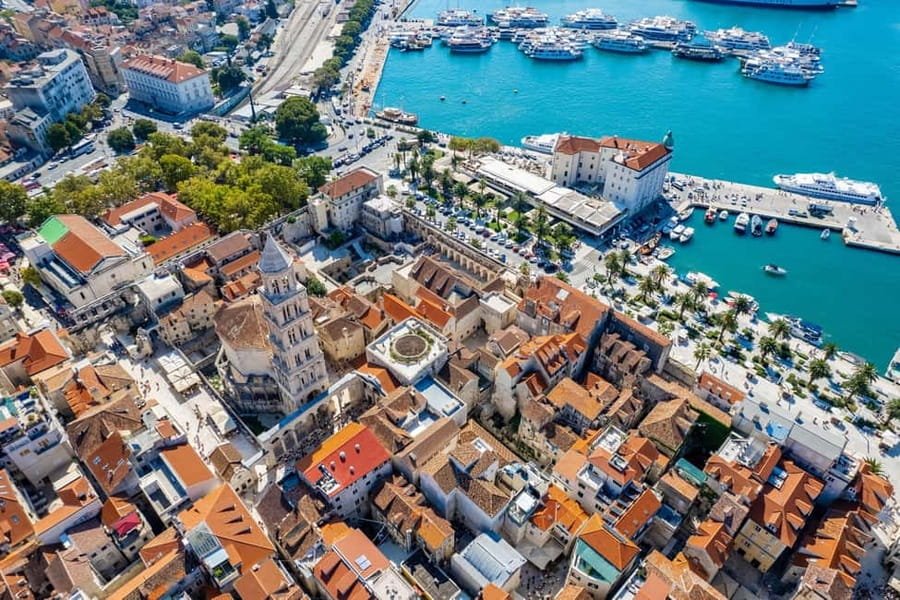
- Roman cellars beneath the palace: See the preserved lower level of Diocletian’s vast retirement residence.
- A useful old-town orientation: Link the Golden Gate, People’s Square, Fruit Square, Peristyle, cathedral, and Riva in one walk.
- Local guides with personality: Guides including Ana, Sandra, Ivan, and Jelena have been praised for clear explanations, warm manners, and personal stories.
- A living palace, not a standalone ruin: Modern Split operates inside the ancient walls, giving the walk a strong sense of daily life.
- Best timing tip: Early morning helps with heat and crowds, while an evening departure can make the walk more comfortable.
- Plan for uneven walking: Comfortable shoes matter, and the route is not recommended for people with mobility impairments.
Why Split’s palace feels different from a normal ruin
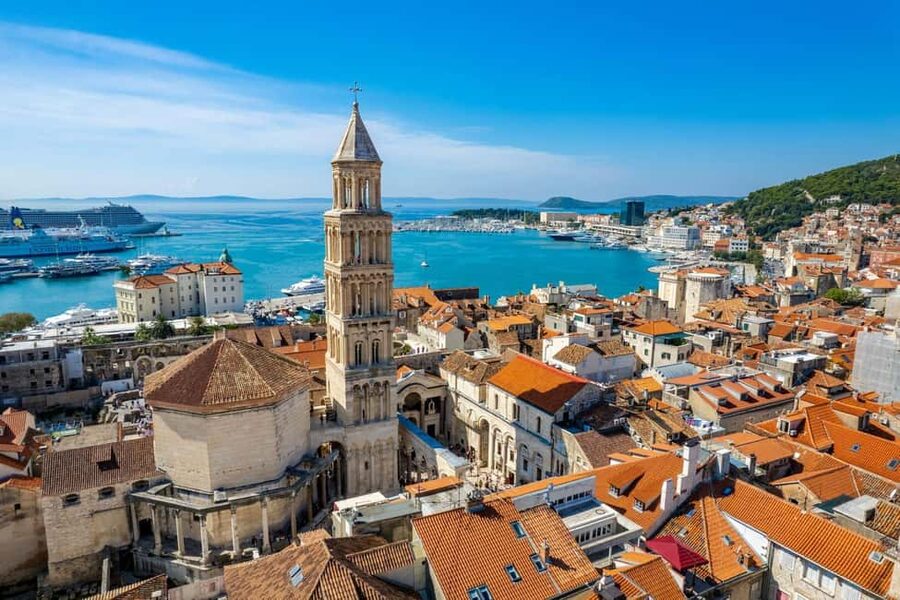
Diocletian’s Palace was built at the turn of the fourth century AD for the Roman emperor Diocletian. It was part imperial residence, part military compound, and part private retirement home. In modern Split, its stone walls are woven into the center of town.
That is the first thing I would want you to understand before booking. You are not simply walking from one fenced archaeological site to another. You are moving through streets where Roman columns can sit beside later homes, shops, restaurants, and public squares.
The tour lasts about 90 minutes to two hours. That is enough time to cover the main sights without turning the morning or afternoon into a long lecture. One advantage of this length is focus. You get the main story, a solid orientation, and useful next steps for exploring on your own.
Guides have included Ana, Sandra, Ivan, Jelena, Elena, Iva, and others. The strongest descriptions of the guiding style point to clear history, local perspective, humor, and practical recommendations. Some guides have also adjusted the tone to the group, adding Game of Thrones filming information, restaurant suggestions, or personal insight into modern Croatia.
More Walking Tours in Split
- Split: Old Town and Diocletian Palace Walking Tour
★ 4.9 · 4,727 reviews - Walking Tour of Split and Diocletian’s Palace
★ 5.0 · 2,588 reviews - Split & Diocletian’s Palace Walking Tour
★ 5.0 · 1,125 reviews
Starting at the palace gates
The meeting point can vary with the option you book, with South Tours Travel Agency listed as a starting location. Confirm your exact meeting place before setting out, especially if you are arriving from a cruise ship, bus station, or hotel.
The route includes several major gates, but the Golden Gate is one of the most useful early stops. This northern entrance helps you picture the palace as a fortified Roman complex rather than just a collection of old streets. Your guide can explain how the palace was organized and why its gates and passageways mattered.
The route also passes the North Gate and West Gate. Each helps build a mental map of the old town. After a guided walk, you are less likely to waste time circling the same lanes, which is especially helpful if you have only one day in Split.
The Game of Thrones Museum receives a short stop of about five minutes. It is not the main purpose of the tour, and the schedule does not suggest a full museum visit. Think of it as a quick reference point for screen locations and the way modern popular culture has added another layer to Split’s identity.
From People’s Square to Fruit Square
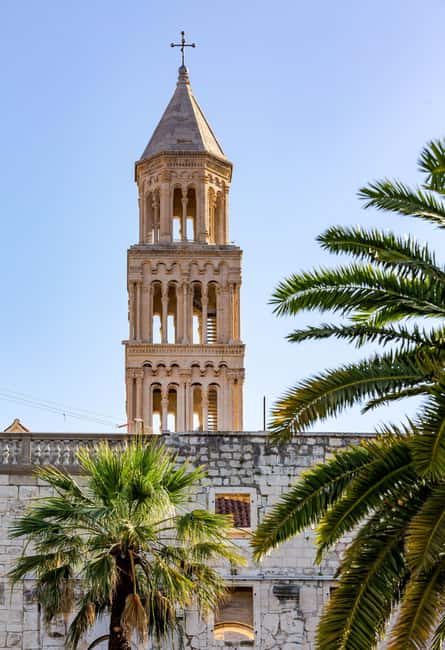
People’s Square, or Pjaca, shows how the palace area changed as Split grew beyond its original Roman boundaries. Here, the setting feels less like an enclosed imperial residence and more like a city square shaped by later periods.
The guide’s job here is valuable because the architecture can otherwise look like a blur of stone façades. The walk introduces you to a mix of styles, from Roman remains to medieval and later buildings, including structures from the 20th century. I like this approach because it avoids treating one historical period as the only story worth hearing.
Fruit Square, or Voćni Trg, marks the site of the old fruit market. It is a good place to connect the physical city with ordinary life. Markets, food, and public gathering have long shaped Split, and this stop helps you see the old town as a place used by residents, not just a backdrop for sightseeing.
The guides have also been praised for pointing people toward local taverns and authentic food. That advice can be more useful than another list of monuments, particularly if you want to eat well after the walk and avoid choosing a restaurant at random.
The Riva and a view toward Marjan Hill

The route leaves the palace area for the Riva waterfront. This broad promenade gives you a break from the tight lanes and opens the view toward Marjan Hill.
The Riva is one of the best places to notice Split’s Mediterranean rhythm. People meet, stroll, sit, and watch the harbor. The tour does not treat the waterfront as a separate attraction, but that is part of its value. You see how the ancient center connects to the modern city and port.
I also like this section because it gives you a visual pause after the concentration of Roman details. The palace can feel enclosed and maze-like. From the Riva, you can step back and understand Split’s position between the historic center, the water, and Marjan Hill.
The waterfront can also be hot, especially in the middle of the day. One guide helped a participant affected by the heat, which is a reminder to bring water and choose your start time with care. An early morning walk is a smart choice for cooler conditions and fewer people. An evening departure can also be comfortable, and one visitor specifically found an 18:00 start appealing for that reason.
More tours inside Diocletian's Palace:
- Split: Diocletian Palace & Old Town Guided Walking Tour
★ 4.7 · 882 reviews - Split: Game of Thrones Tour with Diocletian’s Palace Cellar
★ 4.8 · 545 reviews - Diocletian’s Palace and Old Town SMALL GROUP Walking Tour
★ 5.0 · 502 reviews - SPLIT-PRIVATE Walking Tour of Diocletian’s Palace & Old Town
★ 5.0 · 467 reviews
Entering Diocletian’s Palace and its cellars
The palace itself is the heart of the walk. Your guide takes you through the palace grounds and down toward the Roman-era cellars, which reveal the scale and planning of the original complex.
The lower level is especially useful because its layout reflects the rooms and structure above. You can better understand how the palace was arranged when you see the support spaces beneath the main apartments. The cellars also give you a stronger sense of age than a quick look at an exterior wall.
Entrance fees are not included, so check what you want to enter beyond the guided outdoor route. The guide will explain the major spaces, but the tour price does not cover separate admission charges.
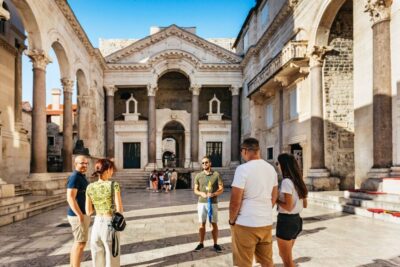
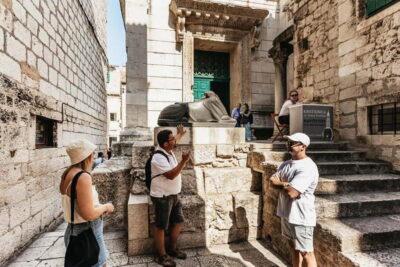
At the palace’s central Peristyle, Roman power becomes easier to picture. This is the main square, framed by ancient columns and later buildings. The black granite Egyptian sphinx is a striking detail, and the tour identifies it as the last remaining Egyptian sphinx in the area.
The Peristyle is also where the old and new Split meet most clearly. Ancient stone, church architecture, tourists, local movement, and nearby businesses all occupy the same space. It can be busy, so listen closely and keep track of your guide if the square is crowded.
Saint Domnius Cathedral and the former mausoleum
The Cathedral of Saint Domnius was formed from Diocletian’s imperial Roman mausoleum. That change from imperial tomb to Catholic cathedral is one of the most interesting pieces of Split’s story.
The cathedral is presented as the oldest Catholic church in the world, and the tour gives you the context needed to understand why this building matters. It is not just an old church in an old city. Its structure began as part of the emperor’s Roman complex and later took on a completely different religious role.
The scheduled stop is about ten minutes, so expect an introduction rather than an extended visit to every part of the cathedral. If you want a longer look inside or wish to see additional paid areas, ask your guide about entrance arrangements and available time after the walk.
This is also one place where the tour may feel brief to some people. One assessment specifically wished for a longer version that included more time at the cathedral and Jupiter’s Temple. If those two sites are your main goal, this short walking tour may work best as an orientation before a separate visit.
Vestibul and the palace’s architectural layers
The Vestibul provides another memorable palace stop and a good photo opportunity. This circular space formed part of the palace’s ceremonial entrance, and its shape helps distinguish it from the more regular streets and courtyards nearby.
The route spends about ten minutes here, combining a visit, guided explanation, walking, and time for photos. You should have enough time to look around, but not unlimited time for careful photography if the group is moving on.
What I find most useful about the palace route is the layering. You see Roman planning, later Christian use, medieval urban growth, and modern city life close together. The tour does not reduce Split to one neat date or one emperor. It shows how old buildings survive because later generations kept using them.
That approach also makes the walk feel more authentic. You are not being asked to imagine a vanished city in complete isolation. You are seeing how the past remains part of a working Croatian town.
How the guides shape the walk
The route is fixed, but the guide makes a large difference. The strongest guide experiences have involved warm delivery, local knowledge, anecdotes, and a relaxed manner.
Ana has been praised for explaining Split through Croatian eyes and for offering frank local context. Sandra has been described as energetic and passionate about the city’s past, with a talent for helping people find shortcuts through the old town. Ivan has been appreciated for his calm manner and broad understanding of Croatia and Split.
Jelena has also received strong praise for making history easy to follow and adding interesting facts without making the walk feel heavy. Other guides, including Elena and Iva, have been noted for friendliness and good recommendations.
Guide assignments can change, so do not book this expecting one particular person unless the operator confirms that in advance. The useful pattern is clear: you can expect an English- or Spanish-speaking guide who explains the route, answers questions, and may add personal suggestions beyond the formal stops.
A small group can make the walk feel more relaxed, and some departures have effectively become private tours when only a few people booked. At times, English and Spanish speakers have shared a tour, which can slow the rhythm slightly. If language separation matters to you, confirm the arrangement before booking.
Price, pace, and practical value

At about $41 per person, this is not the cheapest way to stroll through Split. You are paying for a live guide, a planned route, historical interpretation, and a useful introduction to the old town rather than for admission to every attraction.
I consider the price reasonable if you are visiting Split for the first time, have limited time, or want a guide to connect the palace with the Riva and surrounding squares. The advice about restaurants, viewpoints, and other things to do can also save you from spending your short visit guessing where to go next.
The value is weaker if you prefer exploring alone, already know Roman architecture, or mainly want extended time inside the cathedral and temple areas. Since entrance fees and food are extra, budget separately for anything you choose to visit after the walk.
Wear comfortable walking shoes. The route includes old-town streets, palace passages, and uneven surfaces, and it is not recommended for people with mobility impairments. If you are sensitive to heat, choose an early or evening time when available, carry water, and let the guide know if you need a slower pace.
Free cancellation is available up to 24 hours before the tour, and you can reserve now and pay later. Those terms are useful if your Split plans depend on weather, ferry schedules, or a changing cruise itinerary.
Who should book this Split walking tour?
I would choose this tour for a first visit, a short stay, or the first morning of a longer Split holiday. It gives you a map in your head, a basic understanding of Diocletian’s Palace, and a list of places to revisit at your own speed.
It suits people who enjoy history but do not want a three-hour lecture. It also works well for anyone who wants local food tips and a sense of present-day Split alongside the Roman remains.
I would look elsewhere if you need step-free access, want a slow photography walk, or expect every interior to be included. The tour is a brisk overview, not a full archaeological study or a ticketed cathedral-and-temple visit.
Book it if you want the old town to make sense quickly. Skip it if you are happiest wandering without a plan and reading signs at your own pace. For most first-time visitors, the combination of Roman cellars, Peristyle, Saint Domnius Cathedral, Fruit Square, and the Riva makes this a useful and well-sized introduction.
FAQ
How long does the Split walking tour last?
The tour lasts about 90 minutes to two hours, depending on the departure and pace of the group.
What language is the tour offered in?
Live guides are available in English and Spanish.
Where does the tour start?
The meeting point may vary depending on the option booked. South Tours Travel Agency is listed as a starting location, so check your booking details for the exact meeting place.
Does the tour include entrance fees?
No. Entrance fees are not included in the tour price.
Is food or drink included?
No. Food and beverages are not included.
Does the tour visit Diocletian’s Palace?
Yes. The route includes the palace, its Roman-era cellars, Peristyle, Vestibul, and several gates.
Will I see Saint Domnius Cathedral?
Yes. The tour includes a guided stop at the Cathedral of Saint Domnius, which was formed from a Roman imperial mausoleum.
Does the walk include the Riva waterfront?
Yes. The route goes to the Riva, where you can see the waterfront and views toward Marjan Hill.
Is the tour suitable for people with limited mobility?
No. The tour is not recommended for people with mobility impairments. Comfortable walking shoes are recommended.
Can I cancel for a refund?
Yes. You can cancel up to 24 hours in advance for a full refund. You can also reserve now and pay later.
Just added around Split
- Split Day Trip from Dubrovnik★ 4.0 · 59 reviews
- Dubrovnik to Split Private Transfer with Local Experienced Driver★ 5.0 · 52 reviews
- Private Transfer from Dubrovnik to Split★ 5.0 · 3 reviews
- Private Transfer from Dubrovnik to Split with 2 hours for sightseeing★ 5.0 · 50 reviews
- Private Transfer: Dubrovnik to Split★ 5.0 · 7 reviews
- Dubrovnik to Split Private Transfer with Mostar Town★ 5.0 · 38 reviews
- Private Tour: Split Day Trip from Dubrovnik★ 5.0 · 9 reviews
- Private Day Trip :Dubrovnik- Mostar- Split★ 5.0 · 3 reviews
Diocletian Palace Tours, compared.
Split: Old Town and Diocletian Palace Walking Tour
Read our review →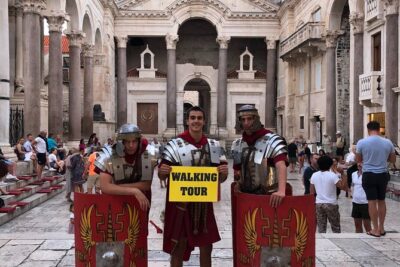
Walking Tour of Split and Diocletian’s Palace
Read our review →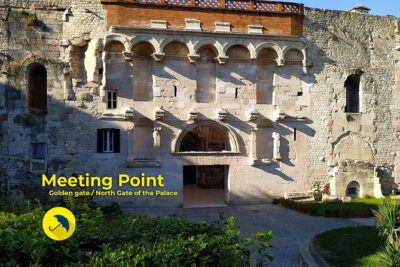
Split: Diocletian Palace & Old Town Guided Walking Tour
Read our review →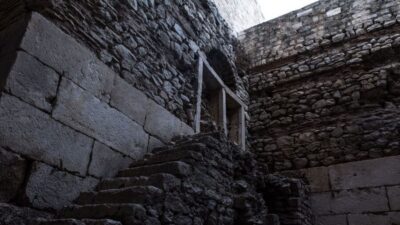
Split: Game of Thrones Tour with Diocletian’s Palace Cellar
Read our review →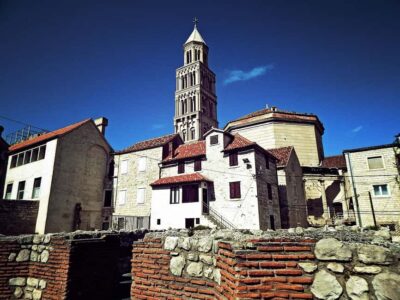
Diocletian’s Palace and Old Town SMALL GROUP Walking Tour
Read our review →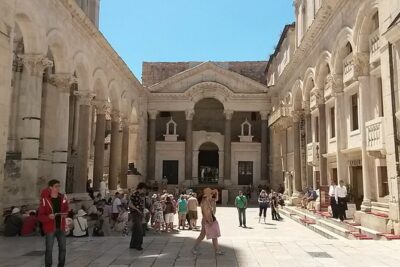
SPLIT-PRIVATE Walking Tour of Diocletian’s Palace & Old Town
Read our review →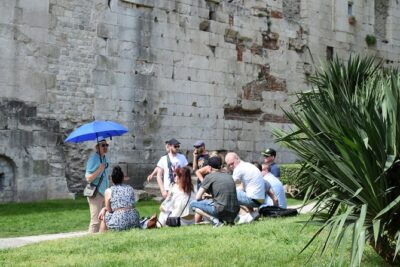
Browse the lists this tour appears in